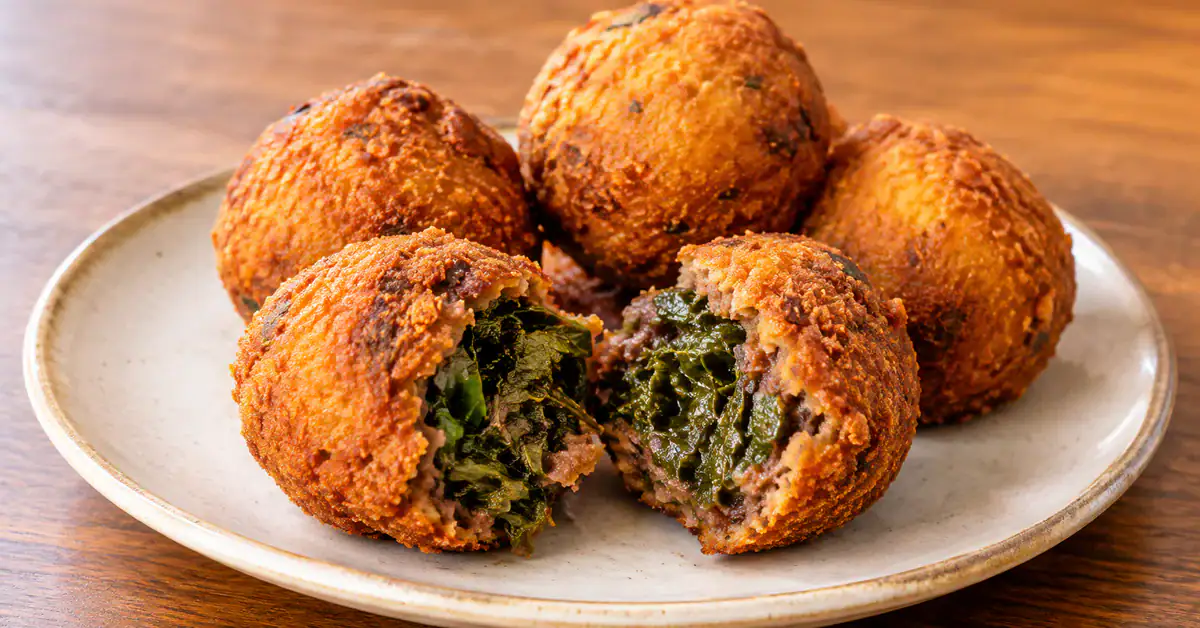

To make these feijoada croquettes, turn cooked feijoada into a firm dough and shape it around sautéed spring greens that have been left to cool. The recipe shows you how to seal the croquettes and coat them in breadcrumbs before frying them until golden, with tips to keep the filling inside.
These feijoada croquettes have a savoury dough and a filling of spring greens, and they’re easy to serve as a snack. When shaping each croquette, take care to tuck the greens inside so the filling stays in place. The steps below show you how to seal the croquettes and get them ready to serve.
Ingredients for the dough and filling, and oil for frying
These quantities make about 12 croquettes, depending on their size. Use cold, cooked feijoada with beans and pieces of meat free of bone. It should be thick, with no excess broth, so the dough holds its shape.
For the feijoada dough
- 500 g cold, cooked feijoada, with beans, boneless meat and only a little broth
- 60 g plain flour
- 100 g fresh spring greens, thick stalks removed and leaves finely shredded
- 1 tablespoon oil for sautéing the greens
- 1 garlic clove, peeled and chopped
- 60 g plain flour for coating
- 1 egg
- 100 g breadcrumbs
- 1 litre of oil for frying
Prepare the feijoada and make the dough
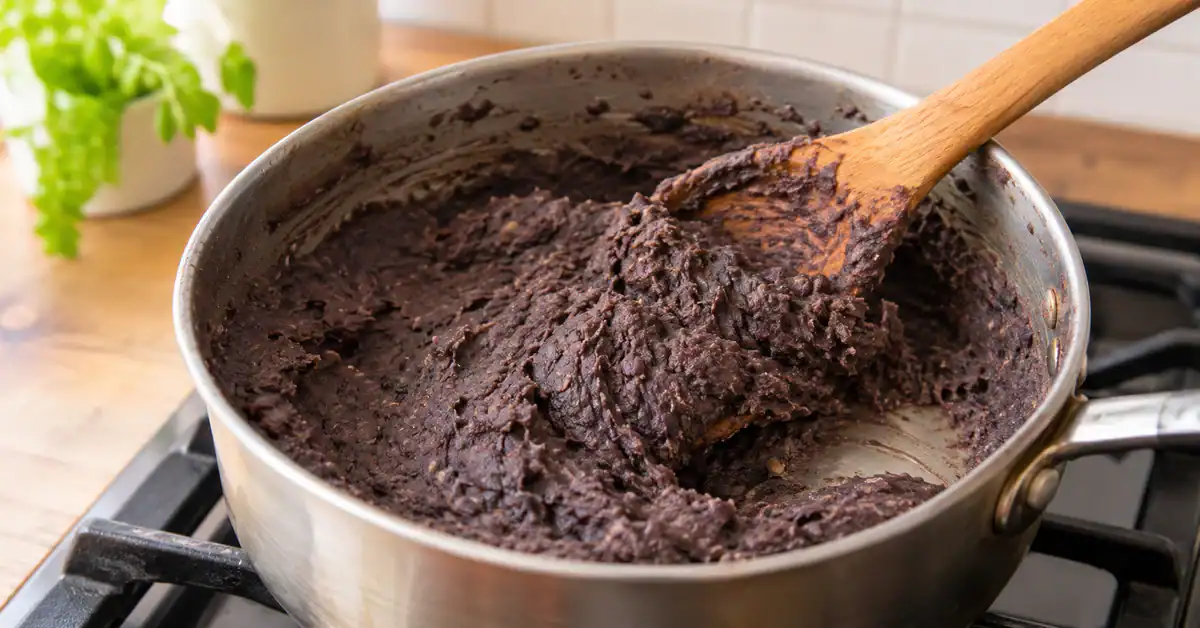
How to blend the feijoada
- Drain off any excess broth. The feijoada should be cold and thick. If any liquid has collected, drain it off before blending. Too much broth will make the dough soft.
- Put the feijoada in a food processor and pulse until evenly blended, with no large pieces of meat or whole beans. Work in batches if needed, without adding any liquid.
How to get the right dough consistency
- Transfer the blended feijoada to a saucepan and warm it over a low heat. Gradually add the 60 g of plain flour, stirring constantly with a sturdy spoon to prevent lumps.
- Cook until the dough comes away from the pan. Keep stirring for about 3 to 5 minutes, until the mixture is thick, holds together and starts to come away from the base of the pan. If it is still very wet and sticky, stir it over a low heat for a little longer. Do not add any extra flour.
- Spread the dough in a fairly thin layer on a plate or in a container to help it cool. Let it cool before handling. It should be firm enough to flatten and fill in the next step.
Sauté the spring greens for the filling
Once the dough is cold, prepare the greens and let the filling cool before assembling the croquettes. This keeps the steam from softening the dough and making it difficult to seal.
- Heat 1 tablespoon of oil in a frying pan over a medium-low heat. Add 1 chopped garlic clove and stir for a few seconds, just until fragrant. Avoid letting the garlic brown too much, as it can turn bitter.
- Add 100 g of finely shredded spring greens and stir to coat them in the oil. Add them in batches if they do not all fit at once. Sauté for about 2 to 3 minutes, stirring, until the leaves are tender and wilted but still green.
- Spread the greens on a plate and let them cool completely before filling the croquettes. Leave any liquid behind in the frying pan. The filling should be moist, with no excess oil or water.
Fill and shape the croquettes
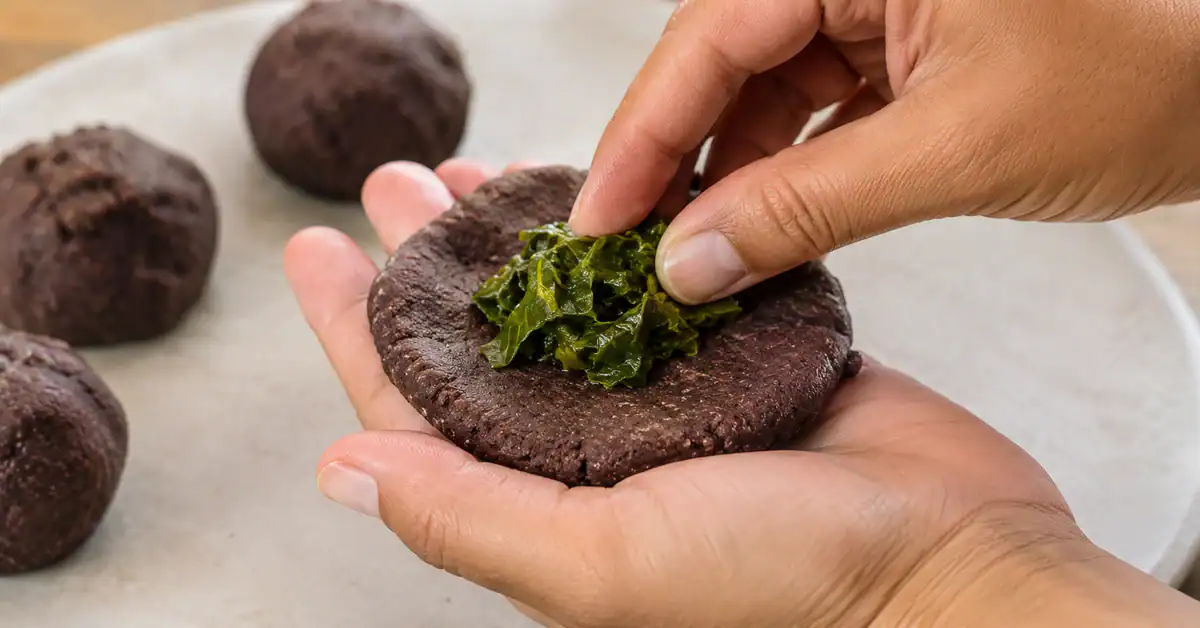
How to place the greens in the centre
- With clean, dry hands, divide the cold dough into 12 roughly equal portions. This keeps the croquettes similar in size so they cook more evenly.
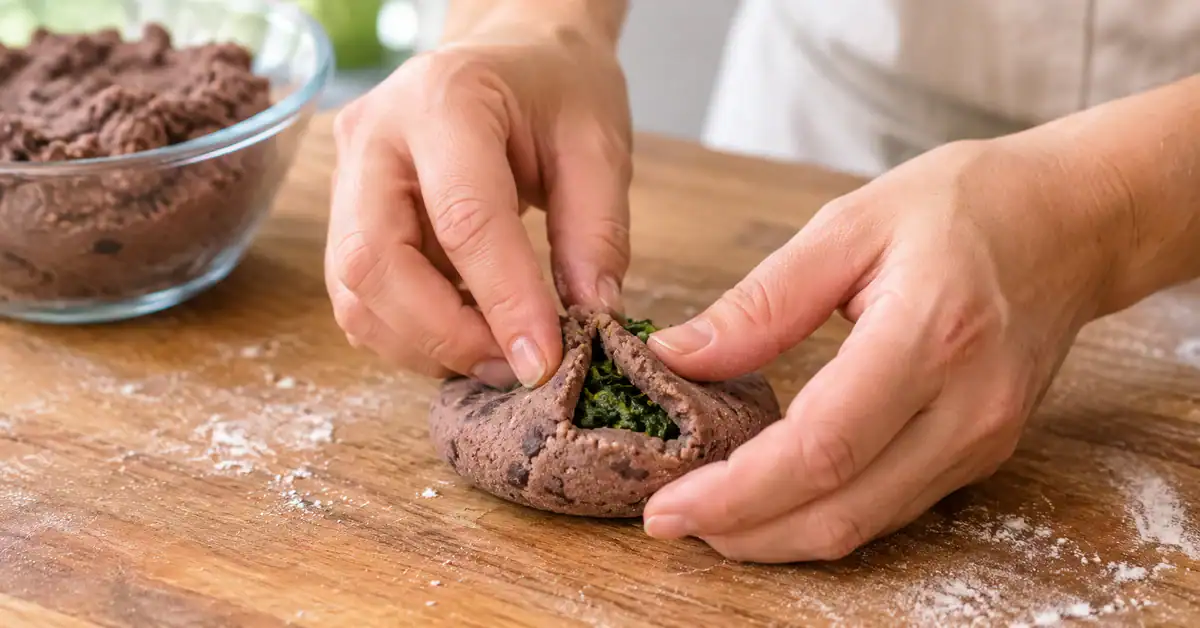
- Flatten each portion into a disc in the palm of your hand and make a small hollow in the centre. Place about 1 teaspoon of cold greens in the hollow, leaving any liquid or excess oil on the plate.
How to seal the dough without leaving gaps
- Bring the dough up around the filling and press the edges together with your fingers until the greens are completely enclosed. Avoid overfilling each croquette. If the greens reach the edge, the dough is harder to seal.
- Gently roll each croquette between your hands to smooth the surface. Check for cracks or exposed greens. If you find a gap, cover it with a small piece of dough and press to seal. Set the shaped croquettes aside while you prepare the coating.
The order for coating the croquettes
- Set out three shallow bowls. Put the 60 g of plain flour in the first. In the second, beat the egg with a fork until the white and yolk are combined. Put the 100 g of breadcrumbs in the third.
- Roll each croquette in the flour to coat it lightly, then shake off the excess. The flour helps the egg stick to the surface.
- Dip each croquette in the beaten egg, then roll it in the breadcrumbs to coat it all over. Press the crumbs on lightly without squeezing the filled croquette.
Frying tips
- Pour 1 litre of oil into a deep saucepan, making sure it comes no more than halfway up the sides. Heat over a medium heat. If you have a kitchen thermometer, aim to keep the oil between 170 °C and 180 °C.
- Carefully lower the croquettes into the oil in small batches, leaving space between them. Fry for about 3 to 4 minutes, turning if needed, until evenly golden. If they brown too quickly, turn down the heat. If the oil is too hot, the coating can darken before the centre heats through.
- Lift the croquettes out with a slotted spoon and let them drain on kitchen paper. Wait a few moments before serving, as the filling will be hot too.
Getting the texture right and solving common problems
How to keep the croquettes from splitting
If a croquette splits during frying, the seam may not have been fully sealed, or the greens may have reached the edge. Before coating, check for cracks or exposed filling. Cover any gap with a little of the dough and press to seal. The filling should also be cold, with any excess liquid drained off.
If the oil rises above 180 °C, the coating can brown too quickly and may split. Keep the heat steady and fry just a few croquettes at a time, leaving space between them. Turn them gently if needed.
How to tell when the dough is ready
Once cold, a portion of dough should hold together so you can flatten and seal it without it sticking too much to your hands or falling apart. If it is very wet and sticky, return it to the pan and stir over a low heat until firmer. Do not add more than the 60 g of flour specified.
If the dough cracks as you flatten it, bring the edges together with your fingers and gently press the dough together before adding the filling. If cracks keep appearing, the surface may have dried out or the dough may not be holding together. Avoid frying croquettes with gaps, as the filling can escape.
How to serve and store the croquettes
Serving suggestions
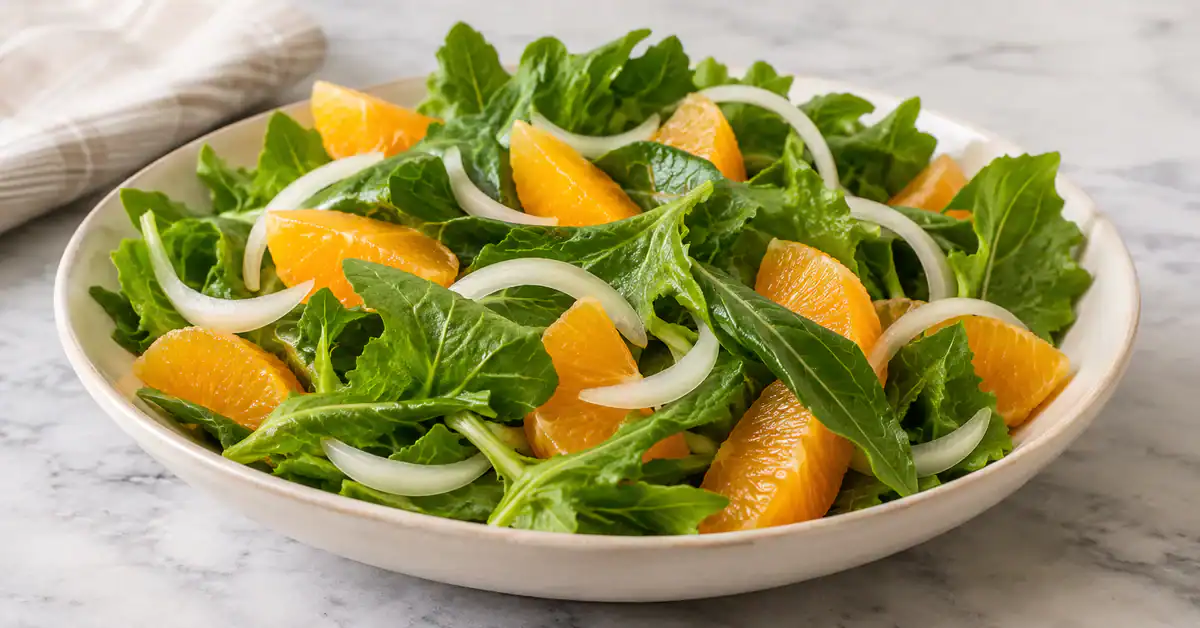
Once the excess oil has drained off, let the croquettes stand for a few moments so you don’t burn your mouth, then serve them while they’re still hot. Hot pepper sauce or orange wedges go well on the side. Both are optional extras.
Storing and reheating
If you have leftovers, let the croquettes cool a little, then store them in a sealed container in the fridge. An oven or air fryer is best for reheating them. Heat until hot all the way through. A microwave can soften the breadcrumb coating. Avoid frying them again, as the outside can darken before the filling heats through.
To serve
Once the croquettes have drained, wait a few moments and serve them hot. You can offer hot pepper sauce or orange wedges on the side so everyone can help themselves.
Questions about making feijoada croquettes
Why should the feijoada be cold and have only a little broth?
Cold, thick feijoada helps the dough hold its shape. Drain off any liquid that has collected before blending. Too much broth makes the mixture soft.
What should I do if the dough is still sticky?
Return the mixture to the pan and stir over a low heat until it firms up and holds together. Do not add more than the 60 g of flour specified.
Can I fill the croquettes while the greens are still warm?
Let the greens cool completely before filling the croquettes. Leave any liquid or excess oil on the plate so the dough is easier to seal.
How can I tell if the oil is too hot?
If you have a kitchen thermometer, keep the oil between 170 °C and 180 °C. If the croquettes brown too quickly, turn down the heat. The coating can darken before the centre heats through.
What is the best way to reheat leftover croquettes?
After storing them in a sealed container in the fridge, reheat the croquettes in the oven or air fryer until hot all the way through. The microwave can soften the coating, and frying them again can darken the outside before the filling heats through.