
These mini calabresa sausage and caramelised onion pies combine a quick blender batter with a pan-browned filling. The recipe makes about 12 individual pies, baked in a muffin tin until risen and golden. The tips explain how to check they’re done and keep excess moisture out.
The bold flavour of Brazilian calabresa sausage and the sweetness of caramelised onion make these individual pies a snack or starter to share. Blend the batter and follow the simple steps to bring the two flavours together.
Ingredients for the batter and filling
This version makes about 12 mini pies in a 12-hole muffin tin. Set out the batter and filling ingredients before starting.
Blender batter
- 2 eggs
- 240 ml milk (one 240 ml cup)
- 120 ml oil (half a 240 ml cup)
- 180 g plain flour (1½ cups, using a 240 ml cup, loosely filled)
- 12 g baking powder (1 tablespoon)
- ½ teaspoon salt
- Oil for greasing the tin
Calabresa sausage and caramelised onion
- 250 g smoked Brazilian calabresa sausage, skinned and finely diced
- 2 medium onions, peeled and thinly sliced
- 1 tablespoon oil
- 1 pinch of salt
How to prepare and assemble the mini pies
Caramelise the onions and brown the sausage
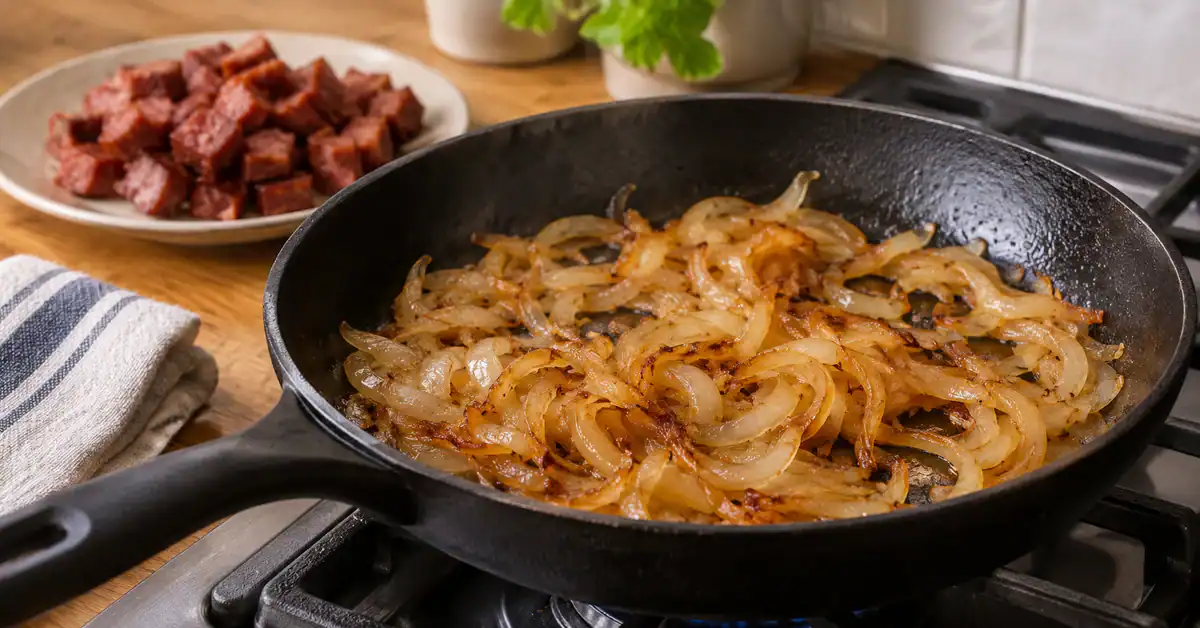
- Heat a frying pan over a medium heat. Add the diced calabresa sausage without oil. Stir for about 5–7 minutes until the edges brown. Lift out and set aside, discarding excess fat from the pan if needed.
- In the same pan, warm 1 tablespoon oil over a low to medium heat. Add the sliced onions and a pinch of salt. Cook for about 15–20 minutes, stirring occasionally, until soft and golden. Slow cooking brings out their sweetness without adding sugar. Mix with the sausage and leave the filling to cool until lukewarm.
Blend the batter, assemble and bake
- Heat the oven to 180 °C. Grease the 12 holes of the muffin tin with a little of the oil set aside for greasing.
- Put the eggs, milk, 120 ml oil, flour and salt in the blender. Blend just until smooth. Add the baking powder and pulse briefly to incorporate. Overmixing after adding it can weigh down the batter.
- Spoon a little batter into each hole, add the sausage and onion filling and cover with the remaining batter. Divide evenly between the 12 portions, leaving room below the rim for the batter to rise.
- Bake for about 25–30 minutes, until risen and golden. Timing varies from oven to oven. Check the signs of doneness in the next section too.
How to judge when they’re baked
Bake at 180 °C for about 25–30 minutes. Look for risen pies with golden tops and edges starting to pull away from the tin. Timing depends on the oven and the size of the moulds.
Insert a cocktail stick into the batter near the centre, clear of the filling. It should come out without raw or liquid batter. A few moist crumbs are normal. If there’s wet batter, bake for a few minutes more and check again.
Wait a few minutes after baking before turning out the pies. This short rest lets the batter set and helps the pies come out in one piece.
Avoiding heavy batter or a wet filling
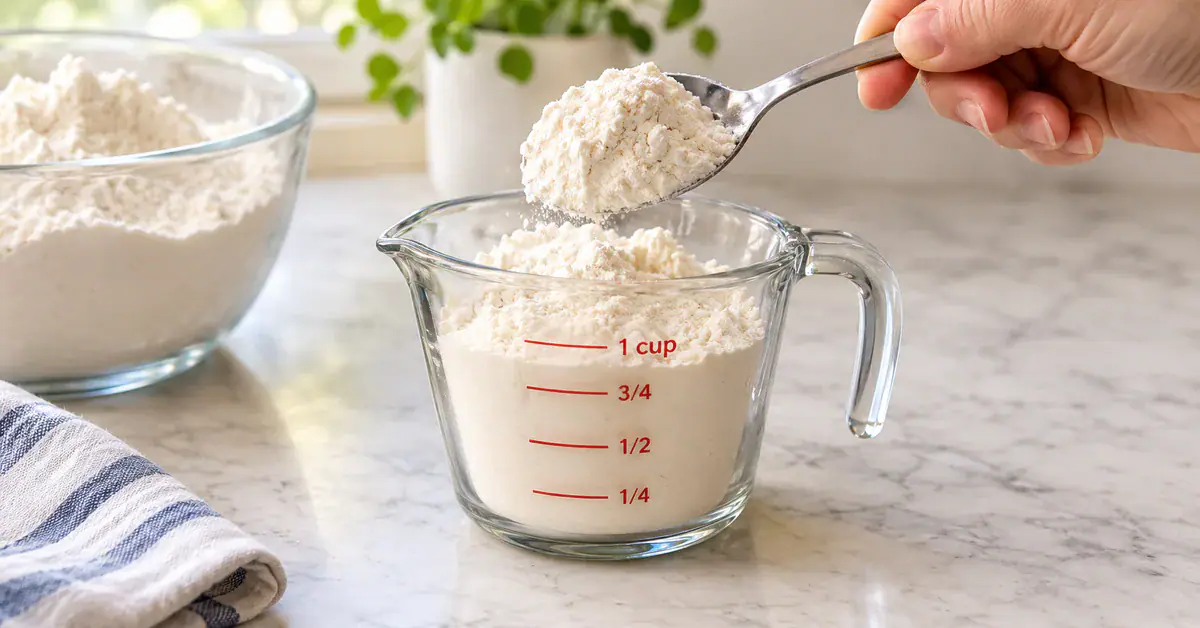
A heavy batter can come from packing too much flour into the cup. If measuring without scales, fill a 240 ml cup loosely and level the top. Stop blending as soon as the mixture is smooth.
If the filling looks wet or greasy, check for liquid in the pan or in the sausage and onion mixture. Drain any excess before assembly and let the filling cool until lukewarm to keep extra fat and moisture out of the batter as it bakes.
Filling variations
For a milder version, replace the sausage with cooked, shredded chicken, drained of any broth, and keep the caramelised onion. The filling will taste less smoky. Let the chicken cool before mixing with the onions and assembling the pies.
For a stronger flavour and creamier texture, add a little grated cheese to the filling. Use a moderate amount to keep it light, and avoid very moist cheeses that could release liquid in the oven.
How to serve the mini pies

Serve warm while the batter is soft and the contrast between sausage and onion comes through, or at room temperature as a snack to share. Let the pies cool a little after baking, as the filling can be hotter than the surface.
For a starter or a more substantial snack, serve with a simply dressed green salad. Leave the pies whole or cut in half to show the filling.
Storing and reheating
Once cool, store the pies in a tightly closed container in the fridge. If still warm, let the steam subside before closing the lid to keep moisture from collecting on the surface. Avoid leaving them at room temperature for long.
Reheat in an oven preheated to 160–180 °C until hot in the centre. The oven helps firm up the surface. In the microwave, heat in short bursts and expect a softer crust. Take out only what you plan to serve to avoid repeated reheating.
At serving time
Let the pies cool a little before serving, as the filling can be hotter than the surface. Serve whole or halved with a green salad.
Frequently asked questions
Do I need sugar to caramelise the onions?
No. Slow cooking brings out their sweetness and makes the onions soft and golden. Cook over a low to medium heat, stirring occasionally, for 15–20 minutes.
How can I test the centre without hitting a piece of sausage?
Insert a cocktail stick into the batter away from the filling. It should come out without raw or liquid batter. A few moist crumbs are normal. If wet batter clings, bake a few minutes longer and test again.
Can I put the filling into the batter while it’s hot?
Let the filling cool until lukewarm before assembly. Drain off any liquid or fat that has collected to keep the batter from becoming too moist.
Can I use chicken instead of calabresa sausage?
Yes. Use cooked, shredded chicken with no broth and keep the caramelised onions. Cool the chicken before mixing with the onions and assembling. The filling will taste less smoky.
What kind of cheese works best in the filling?
Use grated cheese in moderation to keep the filling light. Avoid very moist cheeses that may release liquid in the oven.