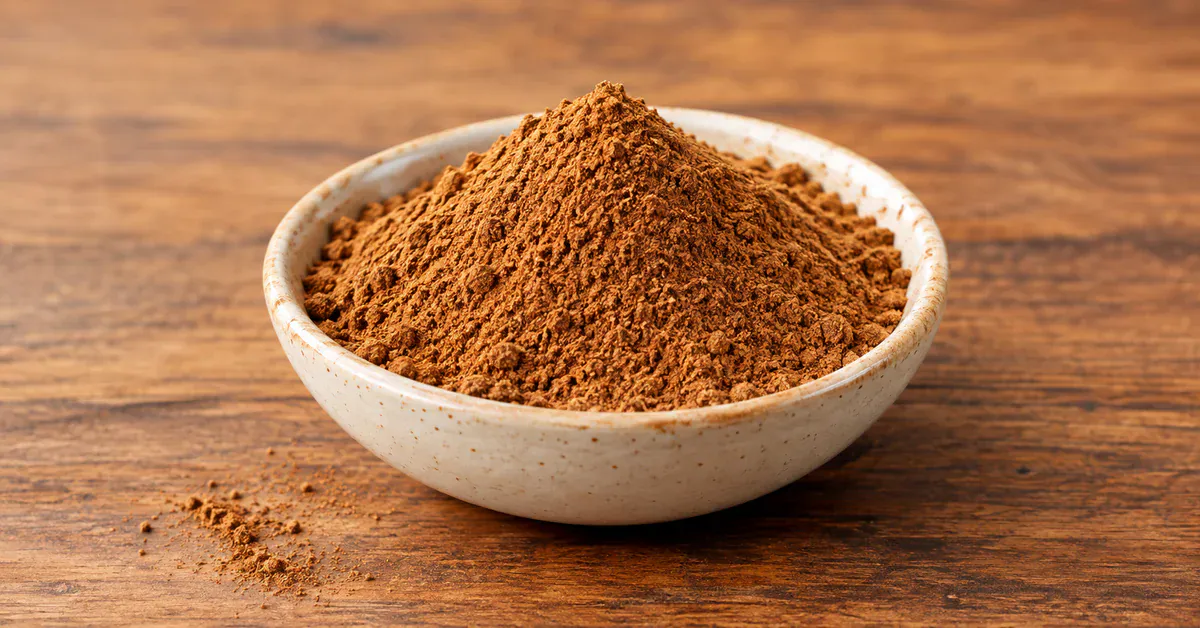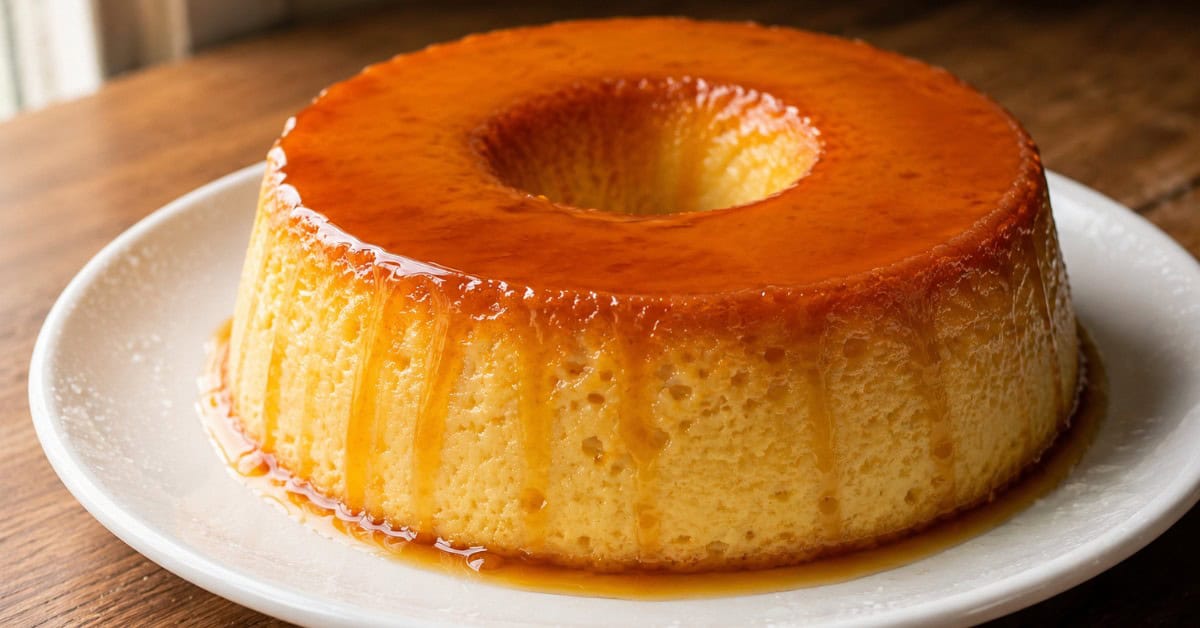

Ingredients for Brazilian honeycomb crème caramel
This Brazilian honeycomb crème caramel uses the same basic ingredients as the traditional smooth version. What changes are the proportions and the technique. The number of eggs and the way you blend the custard give this much-loved version its signature texture, with tiny air pockets throughout. Get everything ready before you start and follow each step carefully.
Caramel sauce
- 1 cup of refined white sugar, preferably caster sugar, for a caramel with an even golden colour
- 1/2 cup of hot water, added carefully to turn the caramelised sugar into that irresistible golden sauce
Custard for the honeycomb crème caramel
- 1 tin of creamy condensed milk (395 g) – it forms the base of the custard, so choose a brand you trust
- 3 tinfuls of whole milk, either fresh or long-life, measured using the empty condensed milk tin – that extra tinful compared with a regular crème caramel keeps the mixture thinner and lighter
- 5 large whole eggs at room temperature – the extra eggs are the secret to those tiny holes. They give the custard more structure and help it trap more air as it cooks.
- 1 teaspoon of good-quality vanilla essence – just enough to bring out the flavour without overpowering the custard
The proportions differ from those of a classic smooth crème caramel. More eggs and milk give you a thinner, airier mixture that bakes with delicate little holes all the way through each slice. That’s the texture you’re after, and every ingredient plays a part.
How to make Brazilian honeycomb crème caramel step by step
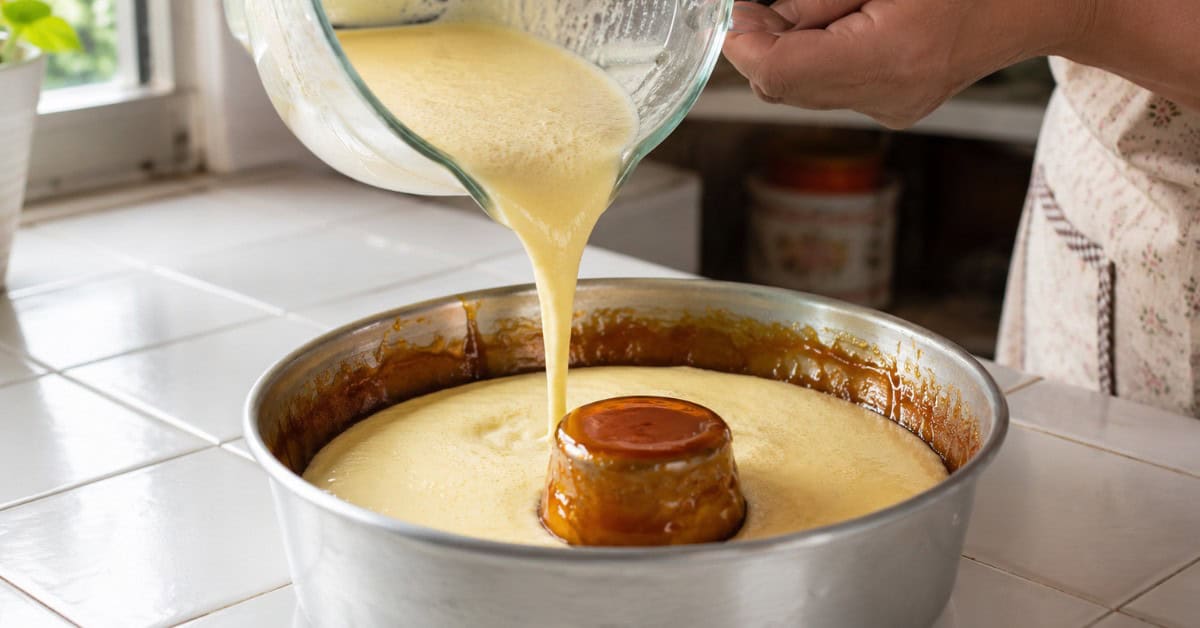
Those tiny holes are deliberate. They come from baking in a hotter oven, blending the custard more vigorously and using water that’s already boiling for the water bath. Each step below helps the little holes form evenly throughout the custard while ensuring it cooks through and has plenty of flavour.
Making the caramel
Put the sugar in a heavy-based saucepan over a medium heat and let it melt without stirring. When it starts to turn golden at the edges, tilt the pan to distribute the heat evenly. Once the caramel is a deep golden amber, take it off the heat and very carefully add the hot water. It will bubble up and spit. Return the pan to the heat for 1 minute, stirring until any lumps dissolve. Immediately pour the caramel into the mould and swirl to coat the base and sides completely. Set aside to harden while you make the custard.
Blending the custard for a honeycomb texture
Blend the condensed milk, whole milk, eggs and vanilla on high speed for a full 3 to 4 minutes. Unlike a smooth crème caramel, this version needs plenty of air in the mixture. Don’t worry about the froth. It helps create the honeycomb texture. Pour the custard straight into the caramel-lined mould, froth and all, without straining it or skimming anything off the surface.
Baking at the right temperature
The big difference from a traditional crème caramel is that you leave the mould uncovered. Don’t cover it with foil. Stand the mould in a larger roasting tin with enough boiling water to come two-thirds of the way up the sides of the mould. The water should be boiling, not just warm. Bake in an oven preheated to 180°C, a higher temperature than for a smooth crème caramel, for about 1 hour to 1 hour and 10 minutes. The steam, the higher heat and the uncovered mould work together to create the tiny holes from the inside out. The custard is ready when the surface feels firm to the touch and the edges are lightly golden.
Cooling and turning out
Take the pudding out of the oven and let it cool completely at room temperature. Give it time. Then refrigerate for at least 6 hours, preferably overnight. Chilling is particularly important for this version because the airy custard takes longer to set. To turn it out, run a thin knife around the edges, place a deep serving plate over the mould and turn it over in one quick, confident movement. When you cut a slice, you’ll see the tiny holes on its cut faces. It’s that rustic, homemade look that gets everyone asking for the recipe.
Variations and substitutions for Brazilian honeycomb crème caramel
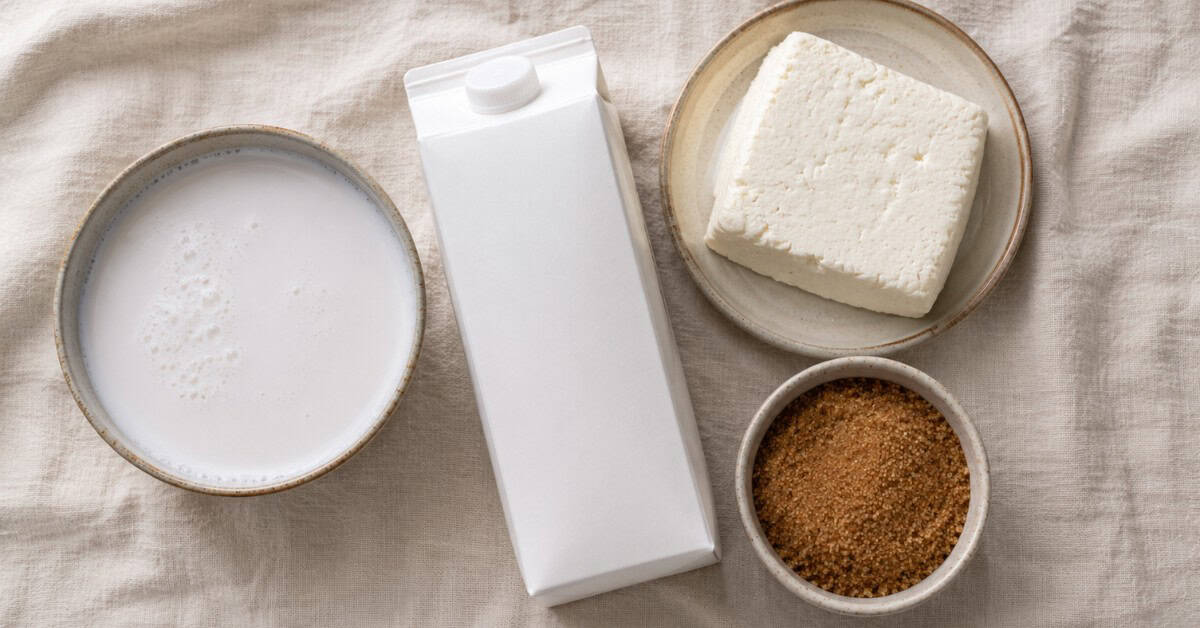
You can adapt this crème caramel and still keep its distinctive texture. Keep the proportion of eggs the same and blend plenty of air into the mixture, and you’ll get those tiny holes whichever variation you choose.
Lactose-free version
Use lactose-free condensed milk and lactose-free whole milk in the same quantities as in the original recipe. Whatever type of milk you use, the eggs and the technique are what make the tiny holes form. That’s good news if you’re lactose intolerant and have been wanting to make this version at home.
Coconut milk version
Replace one tinful of whole milk with the same amount of full-fat coconut milk for a tropical aroma and a gently sweet coconut flavour. The coconut milk gives the custard an airier texture and makes the tiny holes even more pronounced. Once you’ve turned it out, scatter toasted coconut shavings over the top for a striking finish.
Evaporated milk version
Replace one tinful of whole milk with the same amount of evaporated milk for a slightly thicker custard that’s still airy enough to form those tiny holes. The evaporated milk adds a subtle buttery depth that goes particularly well with the dark caramel sauce.
Cheese version from north-eastern Brazil
Before blending, add 150 g of finely grated queijo coalho, a firm Brazilian cheese, to the other ingredients in the blender. As the custard cooks, the cheese melts into it, giving it a slightly salty flavour and a texture that contrasts beautifully with the delicate air pockets. This combination is a firm favourite in rural north-eastern Brazil and deserves to be better known.
Lower-sugar version
Use light condensed milk and reduce the sugar in the caramel to half a cup. The result tastes more balanced and less cloying, especially with fresh strawberries or diced mango served alongside.
Tips for texture, serving and storage
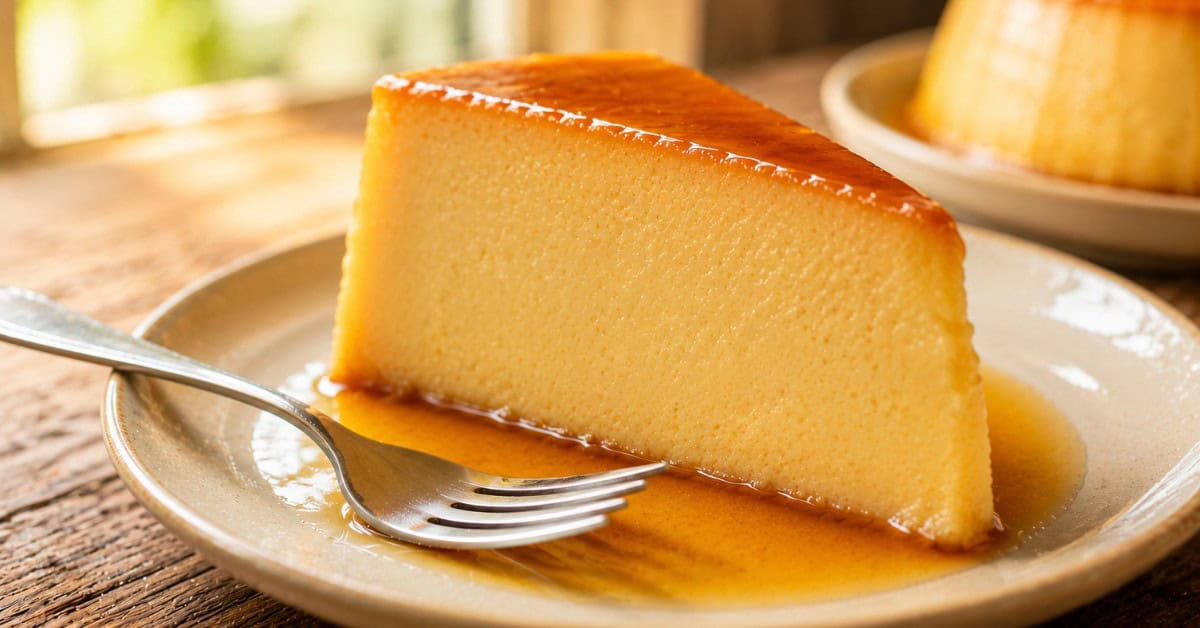
How to get fine, even holes
Look for fine, even channels throughout each slice. Large cavities or pockets of air mean the texture is too coarse. Blend for at least 3 minutes on high speed, use boiling water for the water bath and bake at 180°C without covering the mould with foil. If the holes are too large, lower the oven temperature by 10°C next time. If no holes form, blend for longer and make sure the water in the roasting tin is boiling when it goes into the oven.
Slicing and serving
A neat slice shows off the honeycomb texture. Use a knife with a long, thin blade and dip it in hot water before cutting each slice. Angle the blade slightly as you cut to show the airy interior. Serve with the caramel sauce running down the slices. For a special touch, add a spoonful of lightly sweetened whipped cream on the side or a little grated lemon zest on top to balance the sweetness of the caramel.
Storage
This crème caramel keeps for up to 4 days in the fridge, a day less than the smooth version, because the airy custard starts to absorb moisture over time. Cover it well with cling film pressed directly against the surface of the custard to stop the edges drying out. Don’t freeze it. The tiny holes collapse as it thaws and the pudding loses its distinctive texture.
The story behind Brazilian honeycomb crème caramel
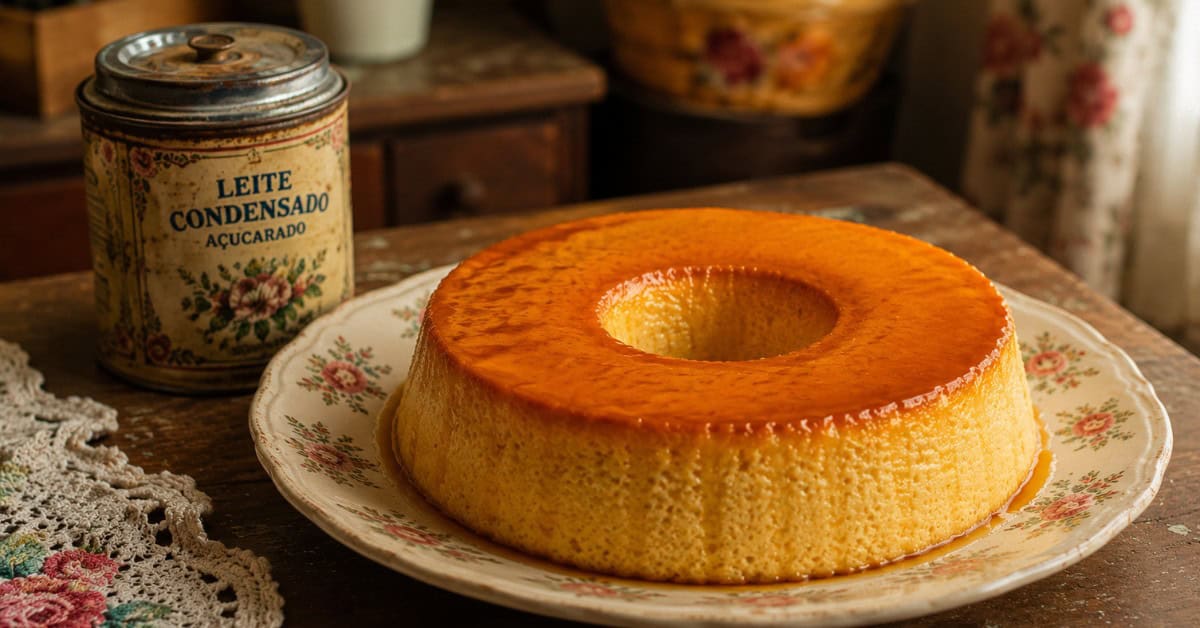
Brazilian honeycomb crème caramel has an unusual history. What began as a mistake grew into a tradition. Knowing where this version comes from makes it easier to appreciate its charm and understand why so many Brazilian families defend it tooth and nail.
The mistake that became a recipe
For decades, holes in a crème caramel were seen as a sign that the oven was too hot, the custard had been beaten too much or the water bath hadn’t been prepared properly. Yet in many homes in rural Brazil, especially in the north-east and in Minas Gerais, this ‘failed’ pudding was the family favourite. Its sponge-like texture soaks up more caramel sauce, making every forkful more moist and giving the pudding a lightness a smooth crème caramel can’t match. Eventually, home cooks stopped trying to ‘fix’ it and started making it this way on purpose.
A distinctly Brazilian pudding
French crème caramel and Spanish flan are prized for their glossy tops and perfectly smooth custard. The Brazilian honeycomb version makes a virtue of its imperfections. Rustic, homemade and generous, it embodies much of what Brazilians love about the food they grew up with. Little wonder it turns up at birthday parties, Sunday lunches and roadside food stalls far more often than the ‘correct’ version taught in cookbooks.
Did you know?
- The name ‘furadinho’, meaning ‘full of little holes’, is uniquely Brazilian. No other cuisine has an equivalent pudding that goes by that name.
- The airy custard absorbs up to 30% more caramel sauce than a smooth crème caramel, giving you more caramel flavour in every slice.
- Many crème caramel recipes passed down by word of mouth in Brazil are actually honeycomb versions. Families have made them this way for generations without realising there was a different ‘official’ version.
- At informal baking competitions and parties, people often prefer the honeycomb version to the smooth one. Its familiar flavour counts for more than refined technique.
One last forkful
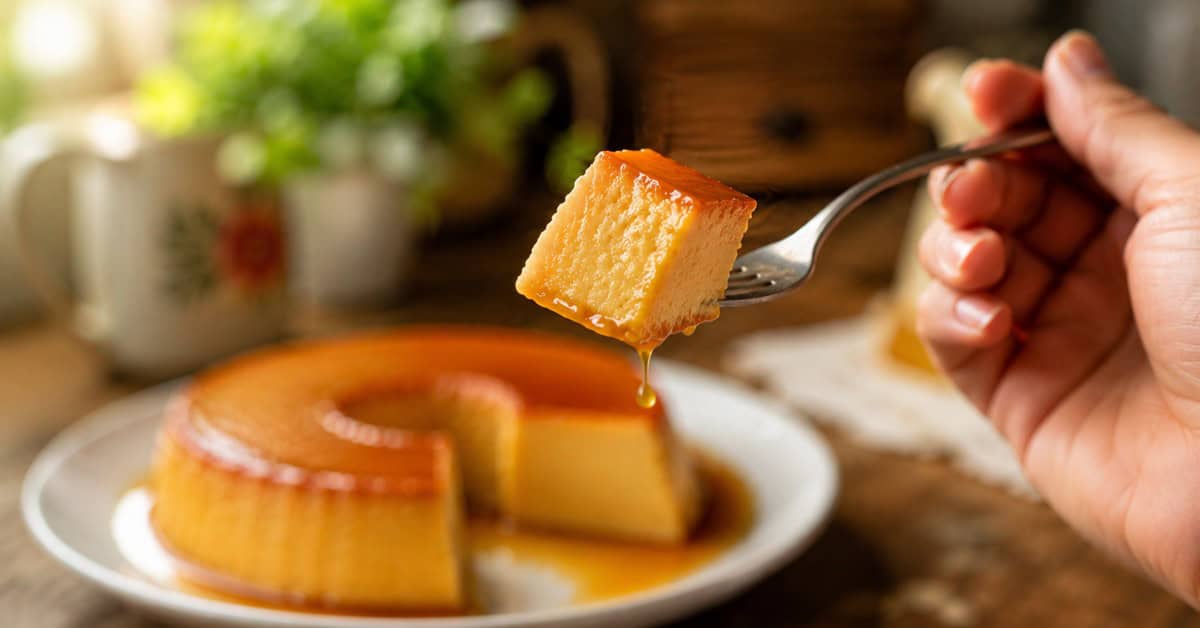
Brazilian honeycomb crème caramel is proof that some kitchen ‘mistakes’ are worth keeping. It’s steeped in family history and affection, with a character no smooth crème caramel can match. It’s rustic on the outside and full of personality within, just like the best family recipes.
You now have the full recipe, the right proportions, the technique for creating those tiny holes, a few creative variations and the story behind this much-loved pudding. Tie on your apron, heat the oven and show everyone that nobody makes it quite like you. Let us know how yours turns out in the comments. Here at Mestre das Receitas, we love seeing your puddings. Enjoy!
Frequently asked questions about Brazilian honeycomb crème caramel
Is honeycomb crème caramel a mistake or a recipe in its own right?
It’s a recipe in its own right, and the texture is entirely deliberate. Extra eggs and milk, a long blend on high speed and a hotter oven all help create the tiny holes. The custard bakes uncovered, without foil, in a bath of boiling water. Those holes give the pudding its character.
Why didn’t my crème caramel develop tiny holes even though I followed the recipe?
There are a few likely explanations. The water in the roasting tin may not have been boiling when it went into the oven, the oven may have been below 180°C, or you may not have blended the custard for long enough. Try increasing the blending time to 4 minutes and make sure the water is at a rolling boil before the pudding goes into the oven.
How long does honeycomb crème caramel need in the fridge?
At least 6 hours, longer than a smooth crème caramel. The airy custard is more delicate and takes longer to set fully. Overnight is ideal. By the next day, the holes will be well defined and the caramel will have soaked through the custard.
Can I make honeycomb crème caramel in a pressure cooker?
A pressure cooker isn’t recommended for this version. The pressure and trapped steam tend to produce a smooth, dense custard. For a honeycomb texture, bake the mould uncovered in the oven, without foil, in a water bath that starts with boiling water.
Are large holes normal?
Very large holes suggest the oven was too hot or the custard was blended for too long. Ideally, each slice should have small, evenly spaced holes, like a fine sponge. If the holes are large, lower the oven temperature to 175°C next time and reduce the blending time to 3 minutes.
How many servings does this recipe make?
A traditional 1.5-litre ring mould gives you 8 to 10 generous slices. The airy custard makes each slice a little lighter than a slice of smooth crème caramel, which usually has people coming back for seconds.