

Falafel are spiced chickpea fritters, fried or baked until crisp on the outside and soft in the middle. Made with soaked chickpeas, herbs, cumin and coriander, they can be served in pitta bread or salads. They’re nutritious, rich in plant protein and easy to make gluten-free.
These crisp chickpea fritters can brighten up any lunch. Want to learn how to make perfect falafel at home? I’ll show you a simple recipe, a few tricks for getting the texture right and some variations that really work.
Ingredients for chickpea fritters (falafel)
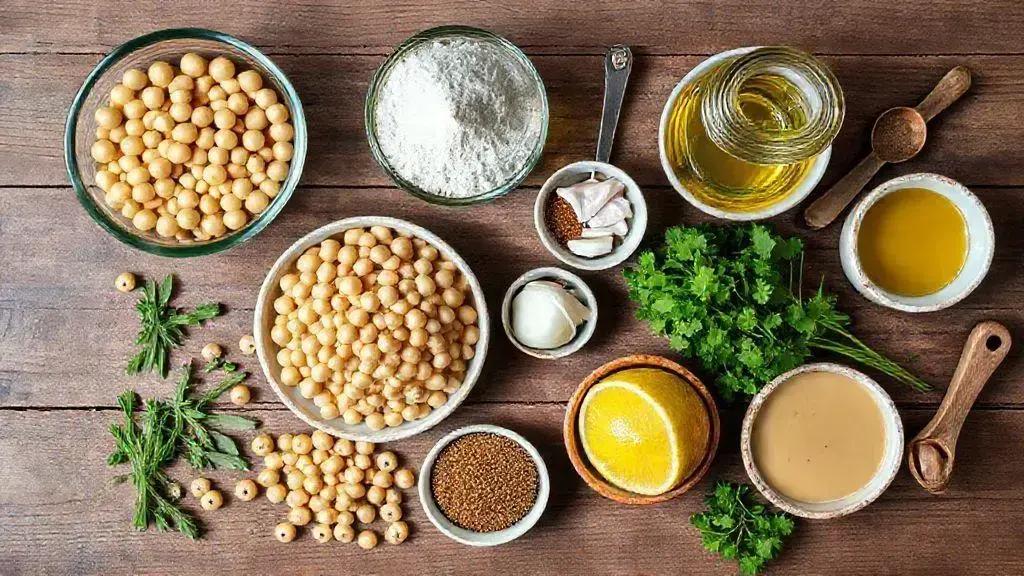
- 300 g dried chickpeas, soaked for 10–12 hours and drained (alternatively, use 1 x 400 g tin of cooked chickpeas and adjust the moisture in the mixture).
- 1 medium onion, finely chopped.
- 2 garlic cloves, chopped or crushed.
- 1 handful of parsley (about 20 g), finely chopped.
- 1 handful of fresh coriander (about 20 g), chopped (optional, but traditional).
- 1 tablespoon ground cumin, an aromatic spice that’s essential to falafel.
- 1 tablespoon ground coriander to bring out the flavour of the chickpeas.
- 1 teaspoon salt, or to taste.
- 1/2 teaspoon ground black pepper, or African pepper if you prefer.
- 2–3 tablespoons plain flour to bind the mixture, or chickpea flour for gluten-free falafel.
- 1 teaspoon baking powder (optional, for lighter falafel).
- Enough vegetable oil for frying (about 500 ml for deep-frying).
- Juice of 1/2 a lemon, to serve (optional).
- Tahini sauce, to serve (optional).
Substitutions and quick tips
You can use tinned chickpeas, but drain and dry them thoroughly before blitzing. Use chickpea flour for gluten-free falafel. If the mixture is too wet, add flour 1 tablespoon at a time until it holds its shape. For lighter falafel, bake in a hot oven for 15–20 minutes, turning halfway through.
How to make chickpea fritters (falafel) step by step
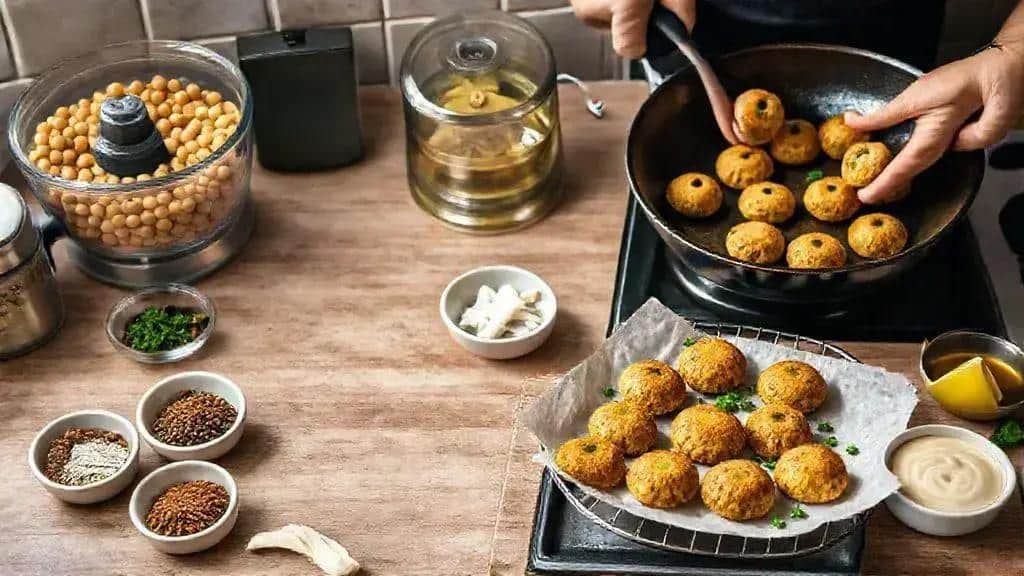
These step-by-step instructions will guide you through making chickpea fritters (falafel), even if you’re new to cooking.
- Soak the chickpeas. Put 300 g of dried chickpeas in a large bowl and cover with cold water. Leave to soak in the fridge for 10–12 hours, changing the water once if possible.
- Drain and dry the chickpeas. Drain thoroughly and pat dry with a clean tea towel or kitchen paper. If the mixture is too wet, the falafel won’t hold together.
- Blitz the ingredients. Put the drained chickpeas, 1 medium onion, chopped, 2 garlic cloves, a handful each of parsley and fresh coriander, 1 tablespoon of ground cumin and 1 tablespoon of ground coriander in a food processor. Add the salt and pepper. Pulse until the mixture is grainy, stopping before it becomes a smooth paste.
- Bind the mixture. Transfer to a bowl and add 2–3 tablespoons of plain flour or chickpea flour (for gluten-free falafel) and 1 teaspoon of baking powder. Mix until it’s easy to shape and holds together when squeezed.
- Chill the mixture for 30 minutes to firm it up. This makes the falafel easier to shape and helps keep them from falling apart as they fry.
- Shape the falafel. Use a tablespoon or small ice cream scoop to portion out balls about 2–3 cm across. Shape them gently with your hands, taking care not to pack them too tightly so they stay light.
- Fry a test falafel in hot oil. If it splits or falls apart, add 1 more tablespoon of flour to the mixture and chill for 15 minutes before continuing.
- Heat the vegetable oil in a deep pan to around 180–190 °C. Fry the falafel in small batches for 3–4 minutes until evenly golden, taking care not to crowd the pan. Lift out with a slotted spoon and drain on kitchen paper.
- For lighter, baked falafel, preheat the oven to 200 °C. Place the falafel on a greased baking tray, brush or spray with oil and bake for 15–20 minutes until golden, turning halfway through.
- Serve hot with tahini, lemon and fresh salad. Keep in the fridge for up to 3 days, or freeze on a tray and then transfer to a freezer bag for up to 3 months. A quick reheat in the oven will crisp them up again.
Essential tips
Stop blitzing while the mixture is still grainy for a crisp finish. Adjust the seasoning to taste with more cumin, ground coriander or pepper. Keep the oil at a steady temperature so the falafel don’t absorb too much of it.
Variations and substitutions for baked, herby and gluten-free falafel
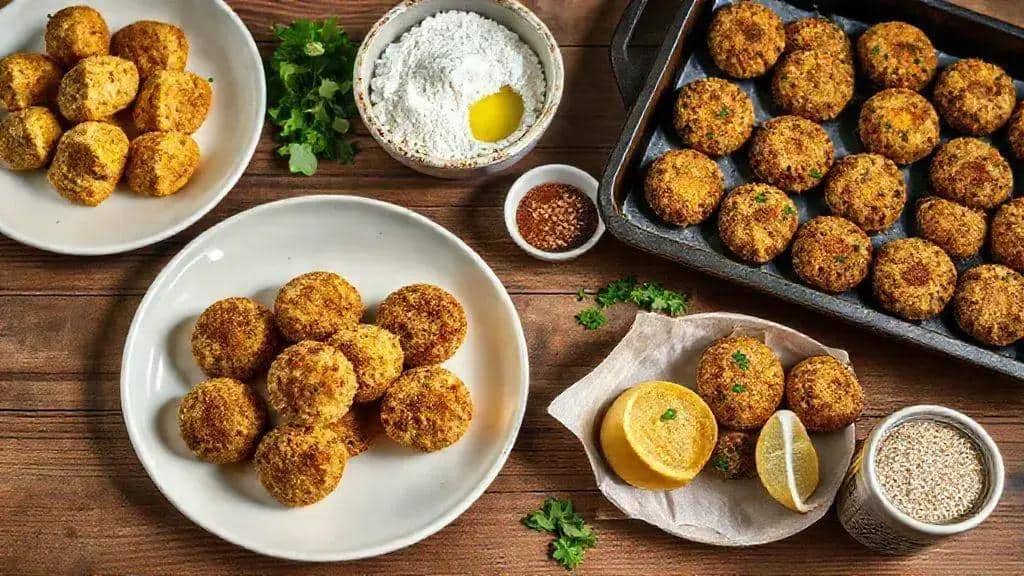
Try baked, herby or gluten-free falafel without losing any of the flavour. Each variation comes with quantities and simple ingredient swaps.
Ingredients for baked falafel
- 300 g dried chickpeas, soaked for 10–12 hours and drained.
- 1 medium onion, finely chopped.
- 2 garlic cloves, crushed.
- 1 handful of parsley (about 20 g), chopped.
- 1 tablespoon ground cumin and 1 tablespoon ground coriander.
- 2 tablespoons chickpea flour to bind the mixture.
- 2 tablespoons olive oil for brushing the falafel before baking.
How to bake falafel in a few simple steps
- Preheat the oven to 200 °C and grease a baking tray.
- Once the mixture has the same consistency as for fried falafel, shape it into balls.
- Space the falafel out on the tray so they don’t touch, then brush lightly with olive oil.
- Bake for 15–20 minutes, turning halfway through, until golden and firm to the touch.
Suggested herbs and spices
- Parsley (about 20 g) gives the falafel a fresh, herbal flavour.
- Fresh coriander (about 10–15 g) is traditional, but you can leave it out if you prefer.
- Mint (about 10 g) adds a hint of freshness and goes particularly well with yoghurt.
- Add black pepper to taste and a pinch of cayenne pepper for heat.
Gluten-free falafel and ingredient swaps
- Use 2–3 tablespoons of chickpea flour in place of the same amount of plain flour.
- Ground gluten-free oats (1–2 tablespoons) also work as a binder.
- Use 1 x 400 g tin of chickpeas, drained. Reduce the amount of flour slightly and dry the chickpeas thoroughly.
- Baking or grilling saves on frying oil. A little olive oil works well for either method.
More easy variations
- For beetroot falafel, grate 80–100 g of cooked beetroot into the mixture for colour and sweetness. Adjust the amount of flour as needed.
- For spinach falafel, add 60–80 g of cooked, well-drained spinach.
- For the sweet and spicy variation, add lemon zest and cayenne pepper. The citrus tang contrasts with the heat of the cayenne.
When trying a substitution, cook a test falafel so you can adjust the moisture and the amount of binder before cooking the rest.
Tips for crisp falafel, from getting the mixture right to storing the fritters
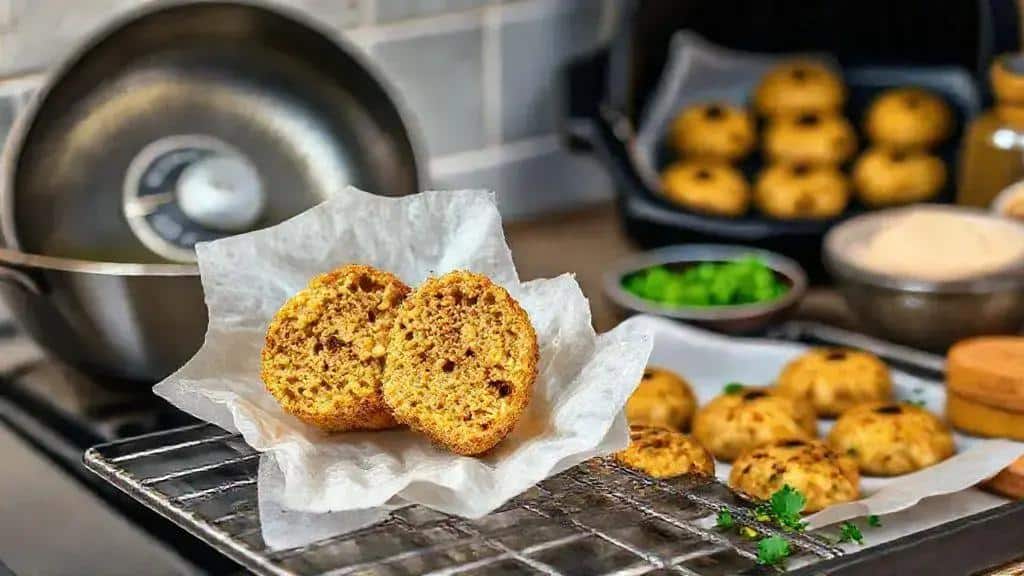
For falafel that are crisp on the outside and soft in the middle, keep the moisture in the mixture and the cooking temperature under control.
Tips for crisp falafel
- Keep the oil at 180–190 °C. Check with a thermometer, or dip the tip of a wooden spoon into the oil and look for a steady stream of bubbles around it.
- Fry for 3–4 minutes until evenly golden. Avoid crowding the pan, as this brings down the temperature of the oil.
- Lift the falafel out with a slotted spoon, drain on kitchen paper, then transfer to a wire rack to keep them crisp.
Getting the consistency right
- Pulse the mixture until grainy, stopping before it turns into a paste. This gives the falafel their crisp finish.
- Squeeze a little of the mixture in your hand. If it crumbles, add flour 1 tablespoon at a time until it holds its shape.
- Chill the mixture for 30 minutes before shaping. It firms up as it rests and becomes easier to handle.
- Shape the falafel gently. Packing the mixture too tightly makes them dense in the middle.
Storing and reheating falafel
- Keep in a sealed container in the fridge for up to 3 days.
- To freeze uncooked falafel, shape them into balls and freeze on a tray for 1–2 hours. Transfer to a freezer bag and keep frozen for up to 3 months. Fry straight from frozen, allowing an extra 1–2 minutes.
- Freeze cooked falafel in a single layer, then wrap them for storage. Reheat in the oven or air fryer to crisp them up again.
- Reheat in the oven at 200 °C for 6–8 minutes or in the air fryer at 180 °C for 4–6 minutes. Avoid the microwave, as it softens the crust.
More practical tips
- Fry a test falafel so you can adjust the salt, spices and binder before cooking the whole batch.
- Use baking powder sparingly. Just 1 teaspoon makes the falafel lighter in the middle.
- Chickpea flour and gluten-free oats both work as gluten-free binders.
- Use a medium-high heat and a thermometer to keep the oil at a steady temperature. If the oil is too cool, the falafel will turn out greasy.
Facts about falafel and chickpeas
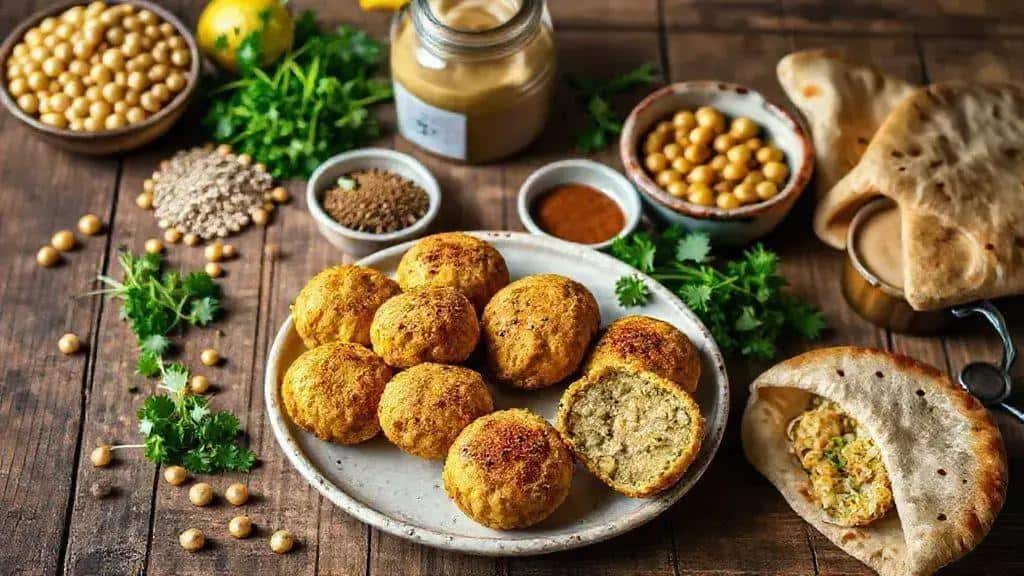
Origins and history
Falafel have their roots in the Middle East. Many historians trace their origins to Egypt, where an early version was made with broad beans. Over time, the dish spread across the Levant and became a popular street food in many countries.
Facts about chickpeas
- Dried chickpeas keep for months and are ideal for traditional falafel.
- A 100 g serving of cooked chickpeas contains around 8–9 g of protein and 7–8 g of fibre.
- Chickpeas are a source of iron and folate, making them a valuable part of a vegetarian diet, especially when served with foods rich in vitamin C.
Falafel in food culture
- Falafel are a popular street food, served in pitta bread, on platters or in salads at parties and snack bars.
- Falafel are a regional symbol. Several countries lay claim to traditional versions, each with its own blend of herbs and spices.
- Falafel can be eaten hot or cold, as a snack, starter or main course.
Facts about preparation and texture
- Using soaked, uncooked chickpeas keeps the mixture from turning pasty and helps the falafel crisp up as they fry.
- Frying at 180–190 °C gives the falafel a golden crust without burning the outside.
- A little baking powder lightens the centre without affecting the flavour.
Health and sustainability
- Falafel are a nutritious source of plant protein for people who avoid meat.
- Chickpeas have a low carbon footprint compared with sources of animal protein.
- Soaking reduces the compounds that cause wind and makes chickpeas easier to digest.
Making falafel at home shows how simple and full of flavour traditional dishes can be. Get the consistency of the mixture and the frying temperature right for falafel that are crisp on the outside and soft in the middle. With a few small changes, you can bake them or make them gluten-free.
Thanks for reading! Follow us on social media for more recipes, photos and practical tips. Keep up with the Mestre das Receitas blog and share your creations. We’d love to see your take on falafel!
Frequently asked questions about falafel (chickpea fritters)
Can I use tinned chickpeas to make falafel?
Yes, but drain and dry them thoroughly. Tinned chickpeas tend to make a wetter mixture, so use a little less flour and fry a test falafel before frying the whole batch.
How long should I soak dried chickpeas?
Soak them in the fridge for 10–12 hours. This lets them absorb water without cooking them, so the mixture doesn’t turn pasty and the falafel crisp up as they fry.
How do I make gluten-free falafel?
Use chickpea flour or gluten-free oats to bind the mixture (2–3 tablespoons). Avoid wheat flour and check that all the seasonings are certified gluten-free if needed.
What temperature should the oil be and how long should I fry falafel?
Keep the oil at 180–190 °C and fry for 3–4 minutes until golden. Avoid crowding the pan, as this lowers the oil temperature.
How do I store and reheat falafel so they stay crisp?
Store in a sealed container in the fridge for up to 3 days. To crisp them up again, reheat in the oven at 200 °C for 6–8 minutes or in the air fryer at 180 °C for 4–6 minutes.