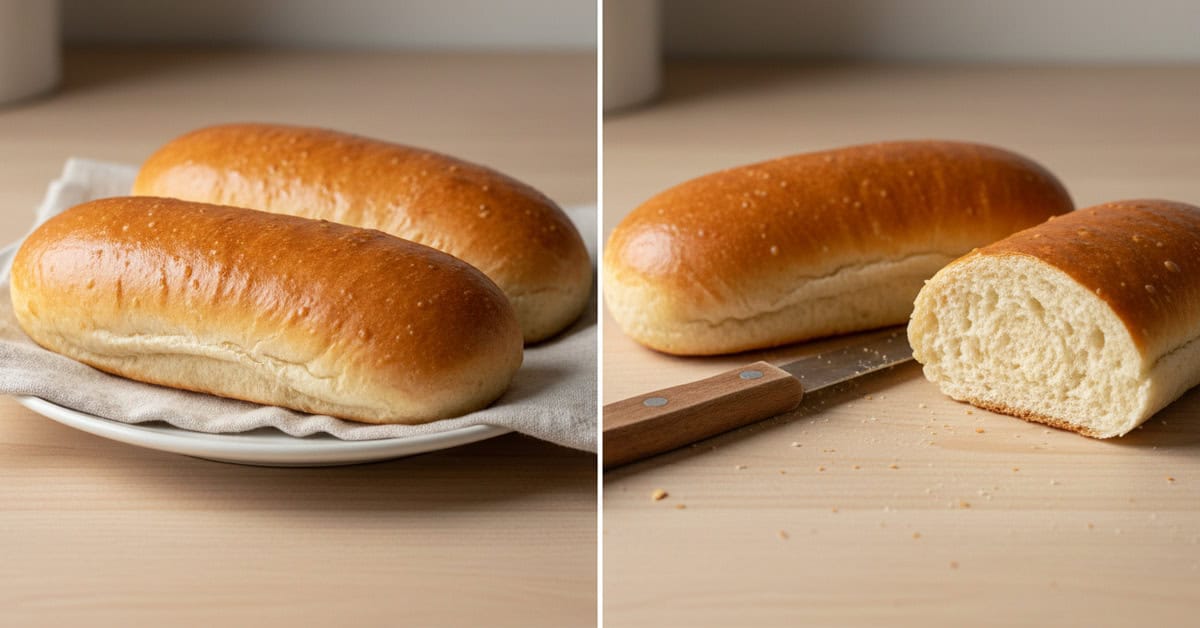

A hot dog roll should have a soft, airy crumb and a thin crust. Choose a suitable flour, aim for 60–65% hydration, knead well and control the rise, ideally by letting the dough rise slowly. Include fat or milk in the dough. Shape the rolls carefully and use steam in the oven for a light, even crumb.
A good hot dog starts with the roll. Have you ever noticed how much better it tastes in a warm, soft roll? I’ll show you how to make your own, with practical tips and easy variations to try when you want to impress.
Ingredients for hot dog rolls
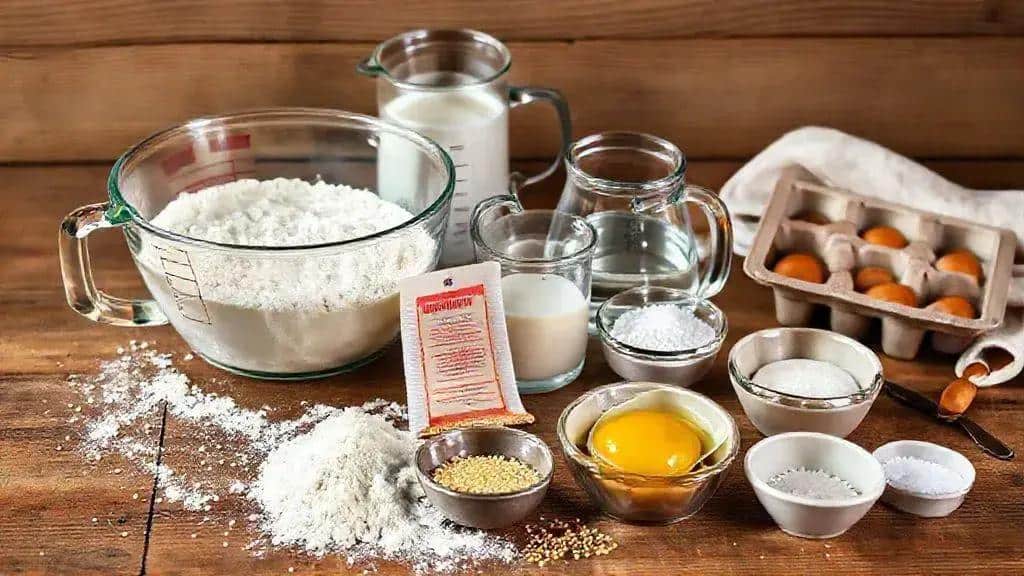
To make hot dog rolls, you’ll need the ingredients below. These quantities make about 10 to 12 medium rolls.
- 500 g wheat flour – strong bread flour, which is higher in protein, is a good choice for softer rolls.
- 250 ml of lukewarm milk, to be added gradually as the flour absorbs it. For the lactose-free version, use lukewarm soya or oat milk.
- 120 ml lukewarm water – adjust the amount according to how the dough feels.
- 10 g dried yeast or 30 g fresh yeast.
- 50 g unsalted butter at room temperature – you can use 60 ml vegetable oil instead.
- 1 large egg – for a vegan version, mix 1 tablespoon of ground linseed with 3 tablespoons of water and leave to stand for 5 minutes.
- 20 g sugar – this helps activate the yeast. Honey also works, but reduce the liquid slightly if you use it.
- 8 g salt – this adds flavour. Keep it separate from the yeast at first.
- 1 tablespoon of milk powder (optional) – this improves the colour and softens the crumb.
- 1 egg yolk beaten with 1 tablespoon of milk – brush over the rolls for a glossy finish. You can use melted butter or plant milk instead.
- Sesame seeds (optional) – sprinkle over the rolls before baking.
Tips and substitutions
- Plain flour works, but strong bread flour gives the crumb more elasticity.
- Whole milk makes the rolls softer. Plant milk gives a slightly paler crust.
- Butter adds flavour. Oil makes for a lighter dough and is a good vegan option.
- If using fresh yeast, dissolve it in lukewarm water. Mix dried yeast directly into the flour.
- The rolls will brown less without the egg. Use a plant-based substitute for an egg-free version.
- For a batch of 10–12 medium rolls, shape the dough into portions weighing about 80–90 g each.
With these ingredients, you can make soft, versatile hot dog rolls for your favourite fillings.
How to make hot dog rolls step by step
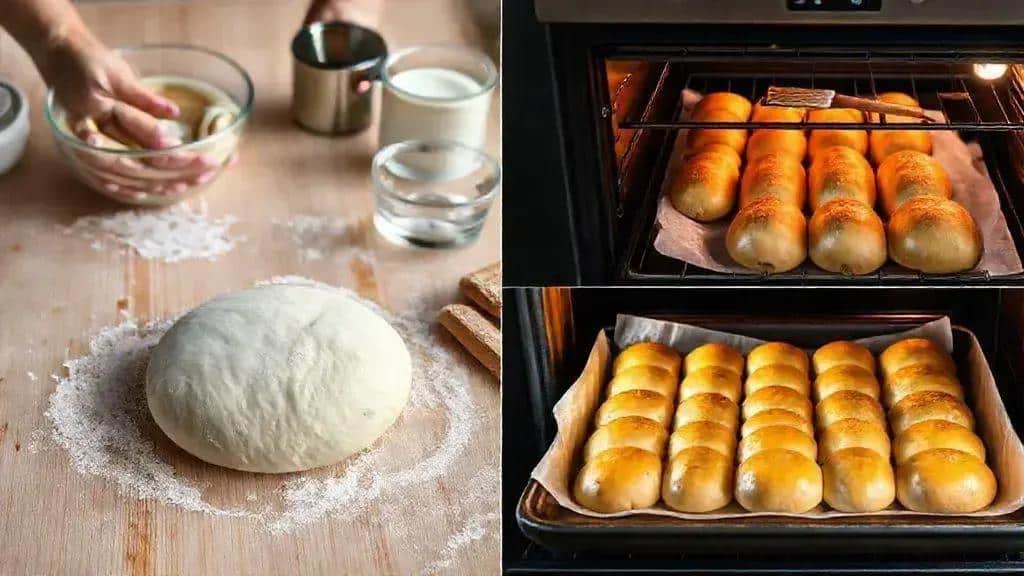
Follow these detailed, beginner-friendly steps to make about 10–12 medium hot dog rolls.
- Activate the yeast by stirring 10 g dried yeast into 120 ml lukewarm water (37–40°C) with 1 teaspoon of sugar. Leave for 5–10 minutes until frothy.
- Sift 500 g wheat flour, 20 g sugar, 8 g salt and 1 tablespoon of milk powder (optional) into a large bowl. Keep the salt away from the yeast at this stage.
- Add the liquids. Make a well in the flour and add the activated yeast and 1 egg. Measure out 250 ml of lukewarm milk and gradually mix it in. Once the dough feels soft, set aside any remaining milk. Add 50 g of room-temperature butter and mix until the dough is smooth and starts to pull away from the sides of the bowl.
- Knead for 10–12 minutes by hand or 6–8 minutes in a stand mixer fitted with a dough hook, until smooth, elastic and slightly tacky. The dough is ready when it stretches without tearing easily.
- For the first rise, put the dough in a greased bowl, cover with cling film or a damp tea towel and leave in a warm place for 60–90 minutes, until doubled in size.
- Gently knock back the dough and divide it into portions of 80–90 g each. Shape each piece into a long cylinder like a hot dog roll. Place seam-side down on a baking tray lined with baking parchment, leaving room between the rolls.
- For the second rise, cover the rolls and leave for 30–40 minutes, until soft and visibly larger. They don’t need to double in size.
- For a glossy finish, beat 1 egg yolk with 1 tablespoon of milk and brush over the rolls. For an egg-free version, use melted butter or plant milk. Sprinkle with sesame seeds if you like.
- Preheat the oven to 200°C. Bake for 12–15 minutes until golden on top. If using a fan oven, reduce the temperature to 180–190°C and keep an eye on the baking time.
- Transfer the rolls from the baking tray to a wire rack and let them cool slightly before splitting them open for the filling. Store in a plastic bag for up to 2 days or freeze for 1 month.
Quick tips
- Keep the liquids at 37–40°C to avoid killing the yeast.
- The dough should feel soft and slightly tacky. Avoid adding too much flour.
- To check whether the dough has proved enough, press it gently with a fingertip. The dough should spring back slowly.
- For a softer crust, put a small ovenproof dish of hot water in the oven as it preheats to create steam.
- For lighter rolls, use oil in place of butter. Use plant milk if you’re baking for someone who is lactose intolerant.
Techniques and tips for softer, airier rolls
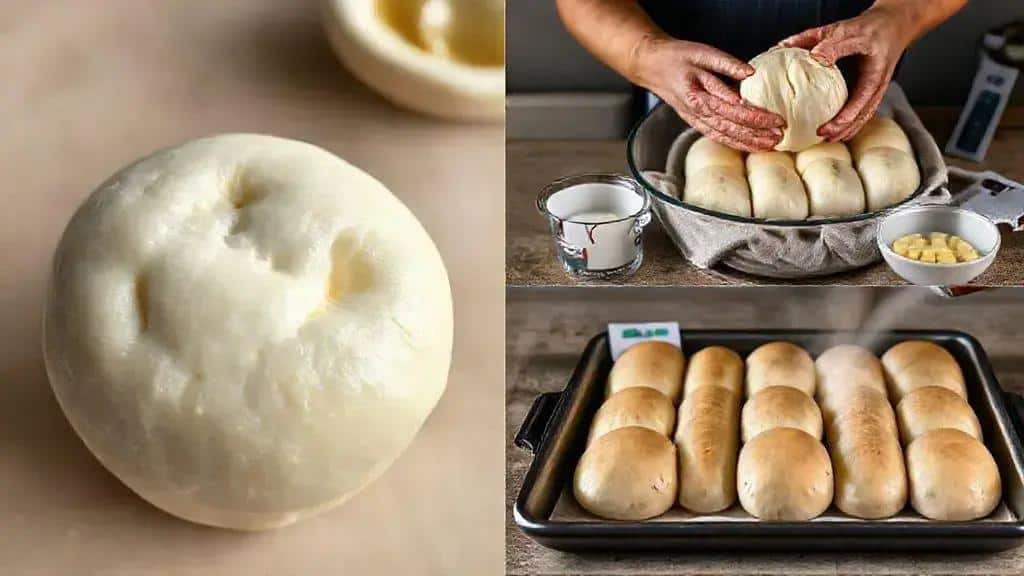
- Hydration: for a soft dough, use 60–65% hydration as a starting point. That’s 300–325 g of liquid for 500 g of flour, including the water used to activate the yeast.
- Knead until the dough is smooth and elastic. This develops the gluten for an airy crumb.
- Control the temperature and the length of the rise so the dough develops evenly sized air pockets and a good flavour without becoming too acidic.
- Fat and sugar enrich the dough and soften the crumb. Use butter or oil in moderation.
- Steam in the first few minutes of baking helps give the rolls a thin crust and a soft crumb.
- Cool the rolls on a wire rack to preserve the texture of the crumb and let excess moisture escape.
Hydration and ingredient proportions
For a light dough that’s easy to work with, aim for 60–65% hydration as a starting point. For 500 g of flour, that’s approximately 300–325 ml of milk and water combined, including the water used to activate the yeast. Add the milk gradually, using more of the measured milk if the flour absorbs it and the dough still needs more liquid.
Kneading and how to tell when the dough is ready
Knead until the dough is smooth, elastic and slightly tacky. Allow 6–8 minutes in a stand mixer with a dough hook or 10–12 minutes by hand. To do the windowpane test, stretch a small piece of dough. If it forms a thin membrane without tearing, the gluten is well developed.
Controlling the rise
For the first rise, leave the dough until doubled in size. Allow 60–90 minutes at 25–28°C or let it rise more slowly in the fridge for 8–12 hours. A slow rise develops the aroma and gives the crumb more even air pockets.
Shaping and the final prove
Gently knock back the dough, divide it into 80–90 g portions and shape each one into a long roll. Leave the rolls to prove in a warm place for 30–40 minutes. Take care not to overprove them, as this can cause the crumb to collapse.
Baking with steam
Preheat the oven to 200°C. To create steam, put an ovenproof dish of hot water at the bottom of the oven or mist the oven with water during the first 5 minutes of baking. Bake for 12–15 minutes until lightly golden. The steam helps keep the crust thin and soft.
Ingredients that enrich the dough and soften the crumb
Use milk and butter for a more tender crumb. Milk powder gives a deeper colour and improves the texture. Sugar and eggs make the rolls softer and help them keep for longer. For a vegan version, replace the butter with oil and the egg with ground linseed soaked in water.
Storing and reheating
Keep the rolls in a tightly sealed plastic bag for up to 2 days or freeze for 1 month. To soften them again, warm in the oven at 160°C for 5–7 minutes, or wrap in foil and heat through.
Quick baking tips
- Keep liquids at 37–40°C to activate the yeast without killing it.
- For soft rolls, use 8–10% of the weight of the flour in fat. For example, use 40–50 g of fat for 500 g of flour.
- Use only as much extra flour as you need for kneading. If the dough is too dry, the crumb will be dense.
- For better structure and elasticity, use strong bread flour for 10–20% of the flour in the dough.
These techniques give you a much better chance of making soft hot dog rolls with an airy crumb and a professional finish.
Hot dog fillings and variations

Try these fillings and combinations to turn your rolls into simple, gourmet or vegan hot dogs.
Classic fillings
- Classic hot dog
- 1 frankfurter
- 1 tablespoon of ketchup
- 1 tablespoon of mustard
- 1 tablespoon of mayonnaise (optional)
- chopped onion or pickles to taste
- Brazilian hot dog with all the trimmings
- 1 boiled or grilled sausage
- 2 tablespoons of seasoned tomato sauce
- 2 tablespoons of mashed potato
- 1 tablespoon of tinned sweetcorn
- 1 tablespoon of tinned peas
Gourmet options
- Cheddar and bacon
- 1 premium sausage
- 30 g melted Cheddar
- 2 rashers of crisp bacon
- barbecue sauce to taste
- Caramelised onion and Dijon mustard
- 1 grilled sausage
- 1/2 cup of caramelised onions
- 1 teaspoon of Dijon mustard
- rocket leaves for freshness
- Plant-based sausage with curry sauce and apple
- 1 plant-based sausage
- 2 tablespoons of mild curry sauce
- 2 thin slices of green apple
- chopped coriander to taste
Vegan and lactose-free options
- Classic vegan hot dog
- 1 plant-based sausage
- 1 tablespoon of ketchup
- 1 tablespoon of mustard
- vegan mayonnaise or mashed avocado
- Homemade tomato sauce
- 1/2 cup of homemade tomato sauce
- 1 pinch of sugar, or a little molasses in place of the sugar
- fresh herbs to taste
Brazilian regional variations
- Rio de Janeiro style
- sausage and mashed potato
- seasoned tomato sauce
- top with crispy potato sticks
- North-eastern Brazilian style
- sausage or shredded meat
- Brazilian salsa with chilli and coriander
- toasted cassava flour (farofa), optional, for crunch
Sweet and creative fillings
- Party hot dog
- small sausage with sweet Cheddar sauce
- sweet and sour mango sauce (optional)
- sprinkle with crispy onions
How to combine fillings and assemble your hot dog
- For contrast, pair a creamy topping with something crunchy and finish with a sauce.
- Fresh herbs and a little acidity from Brazilian salsa or pickles help balance the richness of the fillings.
- Go easy on the fillings so the roll keeps its texture and is easy to eat.
- For a lactose-free version, use vegan cheese in place of regular cheese and vegetable oil in place of butter.
Start with simple combinations and adjust the flavours to suit your guests or the occasion.
Common baking mistakes and how to avoid them
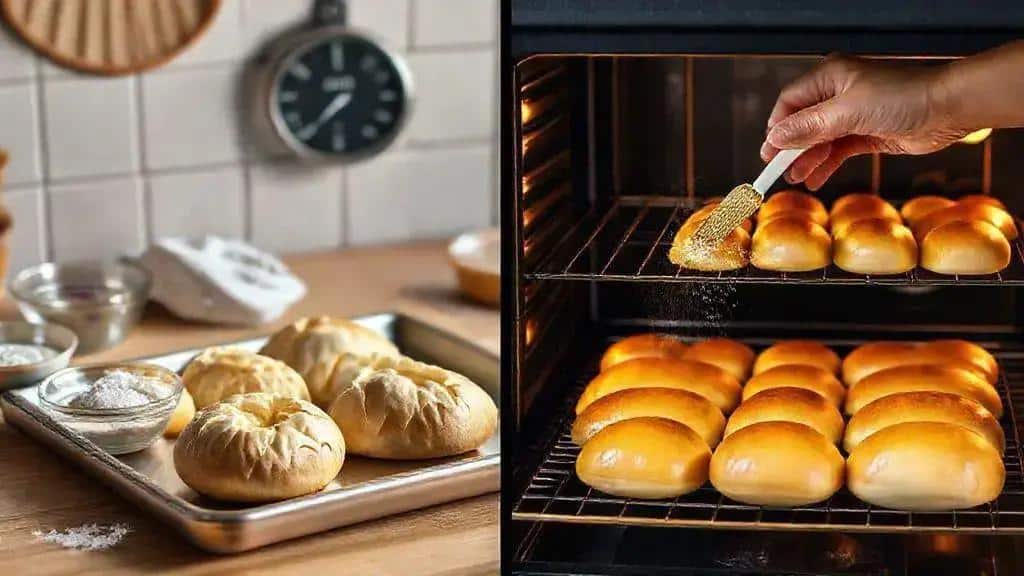
- If the dough doesn’t rise, the yeast may be old or the water may have been too hot. Check the date on the yeast packet and keep the liquids at 37–40°C. To test the yeast, mix it with lukewarm water and a pinch of sugar, then leave for 5–10 minutes until frothy.
- Too much flour makes the crumb dense. Dust the worktop sparingly and expect the dough to feel slightly tacky. Add flour during kneading only if you really need it.
- Too little kneading leaves the gluten underdeveloped and the dough heavy. Knead until smooth and elastic, allowing 10–12 minutes by hand or 6–8 minutes in a stand mixer with a dough hook.
- Underproved dough gives a tight crumb, while overproved rolls can collapse in the oven. Watch the dough as it rises. It should almost double in size on the first rise. After the final prove, it should feel soft and spring back slowly when pressed.
- An oven that’s too hot can burn the outside while leaving the centre raw. If it’s too cool, the rolls take longer to bake and dry out. Check with an oven thermometer. Try 200°C for small rolls and adjust to suit your oven.
- Without steam at the start of baking, the crust sets too quickly for the rolls to finish rising. Create steam during the first few minutes with a baking tin of hot water or by misting the oven with water.
- Opening the oven door too soon lets heat and steam escape and can cause the rolls to collapse. Keep the door closed for the first 10 minutes of baking.
- Poorly shaped rolls can split or come apart at the seams. Seal the seams well and pull the surface of the dough gently taut as you shape each roll to give it an even shape.
- If you’re making filled rolls, piling on too much filling before baking can make the dough soggy. Keep the amount of filling in proportion to the roll and, where needed, part-bake the rolls before filling them.
How to spot each problem
- A heavy crumb with no air pockets suggests the dough needed more kneading or a longer rise. Give the dough another knead or leave it to rise for longer before baking.
- A sunken centre can mean the dough was overproved or the oven was too cool. If the dough overproves before baking, reshape the rolls and give them a shorter final prove. If the oven was too cool, make sure it is properly preheated next time.
- A very hard crust can mean too little fat or steam. Increase the fat a little and use steam during the first few minutes of baking.
- A sour flavour can develop if the dough rises for too long at a high temperature. Lower the temperature or shorten the rise.
Quick fixes while making the rolls
- If the dough is too dry, add lukewarm water 1 tablespoon at a time until the dough feels right.
- If the dough is too loose, add flour in small amounts and knead until it holds its shape.
- If the yeast hasn’t frothed, discard the mixture and start again with new yeast. Don’t increase the quantity to compensate.
- If the rolls collapse after baking, cool them on a wire rack and check whether the final prove was too long.
Practical ways to avoid mistakes
- Use scales to measure ingredients accurately, especially flour and liquids.
- Use thermometers to make sure both the liquids and the oven are at the right temperatures.
- Stick to the rising times. A slow rise in the fridge improves flavour and structure.
- Practise shaping a few smaller rolls to get a feel for how to form them and keep the surface of the dough taut.
Following these tips will help you avoid common mistakes and bake evenly shaped hot dog rolls with an airy crumb and a soft crust.
Facts about hot dog rolls and their ingredients
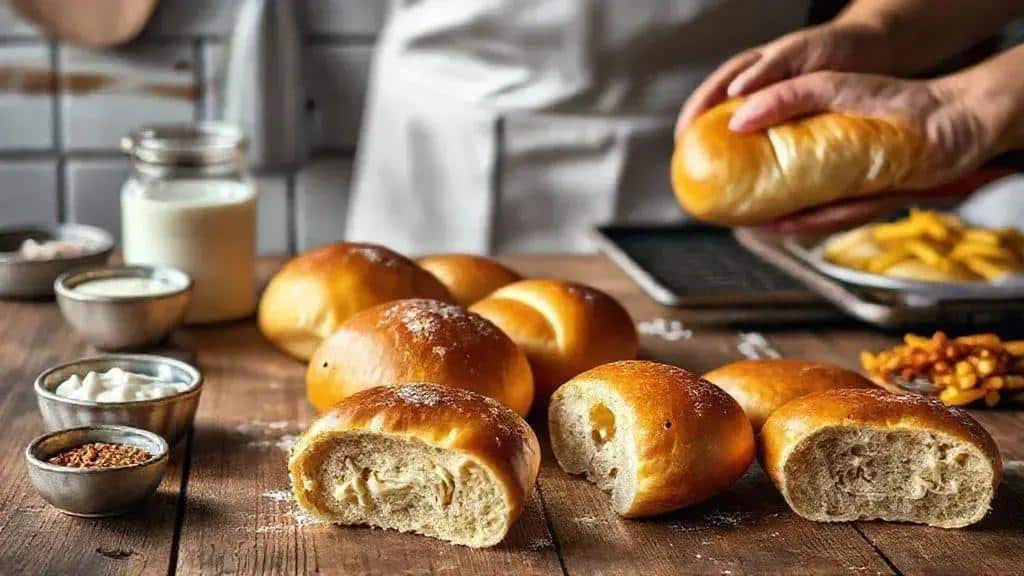
A few facts about hot dog rolls help explain how small changes to the recipe affect their texture, flavour and shelf life.
Origins and evolution
The long roll was designed to make sausages easier to eat on the street and at celebrations. Over time, local cooks added mashed potato, sweetcorn or traditional toppings, creating regional variations.
Why are some rolls softer than others?
Milk, butter and egg enrich the dough, making the rolls softer and giving them more colour. Milk powder improves the structure and helps the crumb stay moist for longer. Sugar feeds the yeast and adds a little sweetness.
How the ingredients affect the rolls
- Dried and fresh yeast give similar results, though dough made with fresh yeast tends to rise faster.
- Higher-protein flours, such as strong bread flour, give the dough more structure. For a softer roll, blend strong flour with plain flour.
- Butter adds flavour and oil gives a lighter texture. Choose whichever suits your taste and budget.
- Plant milk works well as a substitute, though it changes the colour of the crust slightly.
Bakers’ tips
A long, slow prove in the fridge develops the aroma without making the dough too acidic. Steam during the first few minutes of baking keeps the crust thin and helps the rolls rise further in the oven.
Hot dogs around the world
- Hot dogs have become a popular food in many countries, and local festivals have given rise to distinctive toppings.
- In parts of Brazil, mashed potato and crispy potato sticks are signature toppings. Their contrasting textures change the way each bite feels.
Storage and shelf life
Homemade rolls keep for 1–2 days in a plastic bag at room temperature. To keep them longer, freeze them individually and discard after 1 month. To soften them again, warm them in a low oven for a few minutes or wrap them in foil.
Quick tips
- Keep liquids at 37–40°C to activate the yeast without killing it.
- Using fat equal to 8–10% of the flour weight makes the rolls softer.
- Use the windowpane test to check whether you’ve kneaded enough. Stretch a small piece of dough until it forms a thin membrane without tearing.
With the right ingredients, thorough kneading, a controlled rise and steam in the first few minutes of baking, you can make soft, airy hot dog rolls. Try adjusting the amount of liquid and enriching the dough with milk or butter to improve the texture.
Don’t be afraid to experiment. Shape smaller rolls for parties, give the dough a cold prove for more flavour or swap ingredients for a vegan version. Each change affects the crumb and crust.
Thanks for reading! If you enjoyed these tips, follow us on social media for more easy recipes and baking tips. And remember to visit and follow the Mestre das Receitas blog for new recipes and the latest updates.
Frequently asked questions about hot dog rolls
What’s the best flour for hot dog rolls?
Use plain flour, or choose strong bread flour for more structure. Using strong bread flour for 10–20% of the flour improves elasticity and gives a more open crumb.
How can I tell if the yeast is active?
Mix the yeast with lukewarm water (37–40°C) and a pinch of sugar. Wait 5–10 minutes. If the mixture turns frothy, the yeast is active.
Can I make lactose-free or vegan rolls?
Yes. Replace the milk with plant milk, the butter with oil and the egg with soaked linseed (1 tablespoon of linseed soaked in 3 tablespoons of water). Adjust the amount of liquid if needed.
What’s the most common reason rolls turn out dense?
Adding too much flour or kneading too little. Knead until the dough is smooth and elastic, and avoid working in too much extra flour.
How should I store the rolls to keep them soft?
Keep them in a tightly sealed plastic bag at room temperature for up to 2 days. For longer storage, freeze them individually for up to 1 month and warm briefly before serving.
How do I stop the rolls splitting on the baking tray?
Draw the surface of the dough taut as you shape the rolls and seal the seams well. Allow 30–40 minutes for the final prove and keep the oven door closed for the first 10 minutes of baking.