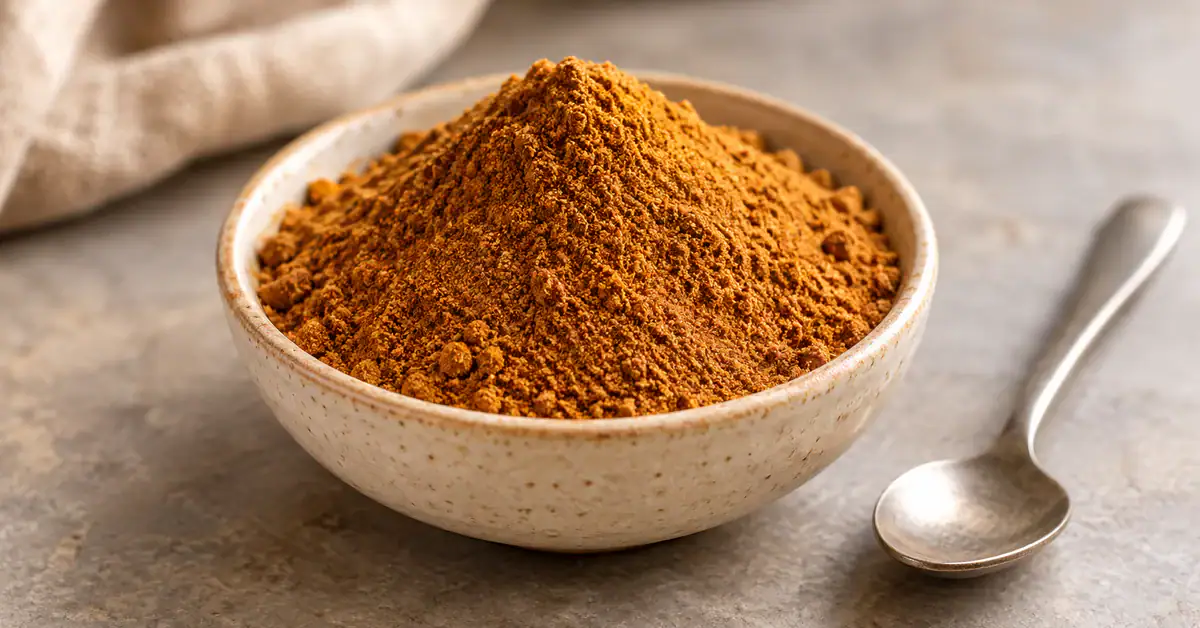

Homemade ras el hanout is an aromatic spice blend for vegetables, grains, soups, stews and meat. In this version, cumin and coriander seeds are briefly toasted, cooled, ground and combined with ground spices. Makes about 3 tablespoons.
Ras el hanout is an aromatic blend with many variations. Making it yourself lets you adjust the balance to your taste and gives you a versatile seasoning for different dishes.
Mix the spices carefully so that none overpowers the others. The following steps guide you through making the blend and using it in everyday cooking.
Ingredients and proportions
Ras el hanout blends vary. This home version makes about 3 tablespoons from whole and ground spices. Use level measuring spoons. Each teaspoon holds 5 ml.
- 2 teaspoons cumin seeds
- 2 teaspoons coriander seeds
- 1 teaspoon ground ginger
- 1 teaspoon ground turmeric
- 1 teaspoon sweet paprika
- ½ teaspoon ground cinnamon
- ½ teaspoon ground black pepper
- ¼ teaspoon ground cardamom
- ¼ teaspoon ground nutmeg
- ¼ teaspoon ground cloves
How to make ras el hanout
Combine the ground spices
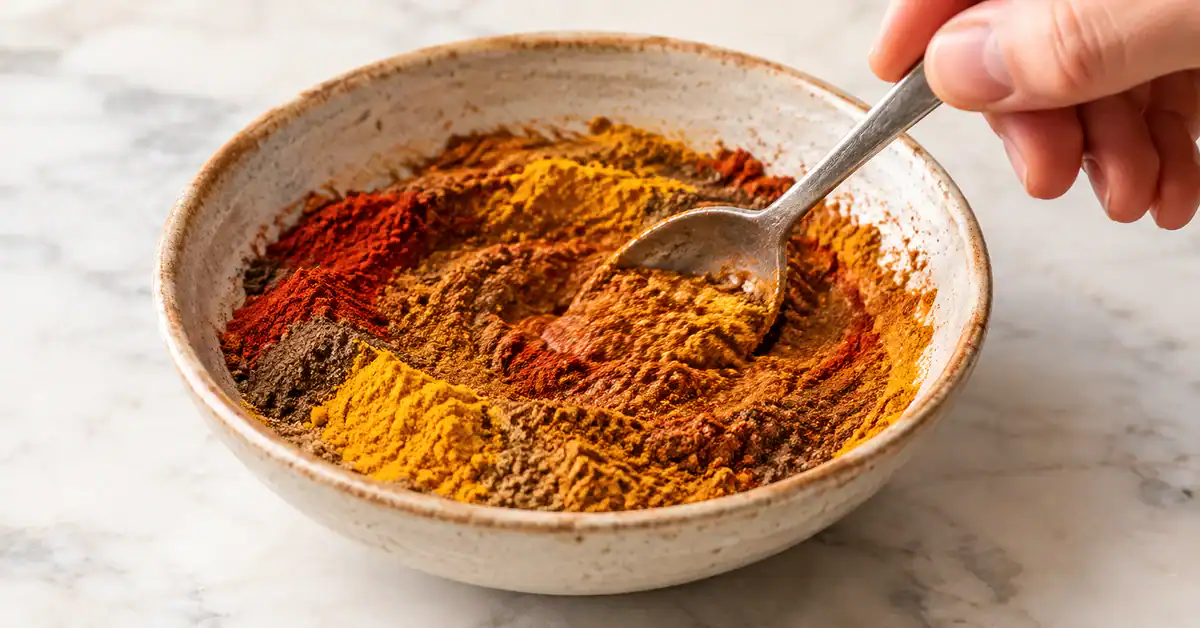
- In a small bowl, combine 1 teaspoon each of ground ginger, turmeric and sweet paprika, ½ teaspoon each of ground cinnamon and ground black pepper, and ¼ teaspoon each of ground cardamom, nutmeg and cloves. Stir with a spoon until the colour is even and set aside.
Grind the whole spices if using
- Put 2 teaspoons each of cumin and coriander seeds in a dry frying pan over low heat. Stir for about 1–2 minutes, just until fragrant, and remove before they darken.
- Let the seeds cool, then grind to a powder in a spice grinder or mortar. If any large pieces remain, keep grinding so they disperse more evenly.
- Add the ground cumin and coriander to the other spices and stir well. The ras el hanout is ready when the colour is even and the spices are uniformly distributed. Makes about 3 tablespoons.
Balancing the aromas
The stated proportions make the basic blend. Adjust only if you want to highlight a particular note. Smell the mixture for any overpowering aroma, then make small changes with the spices already in the blend.
If clove, cardamom or cinnamon dominates, add a little ground cumin and coriander for earthier, fresher notes. If the latter dominate, add a pinch of a warmer spice such as cinnamon or cardamom. Stir and smell again before adding more, as potent spices are easy to overdo.
Note any changes so you can repeat the blend. It may smell strong straight from the jar, so avoid correcting everything at once. The balance also depends on the dish.
Whole or ground spices?
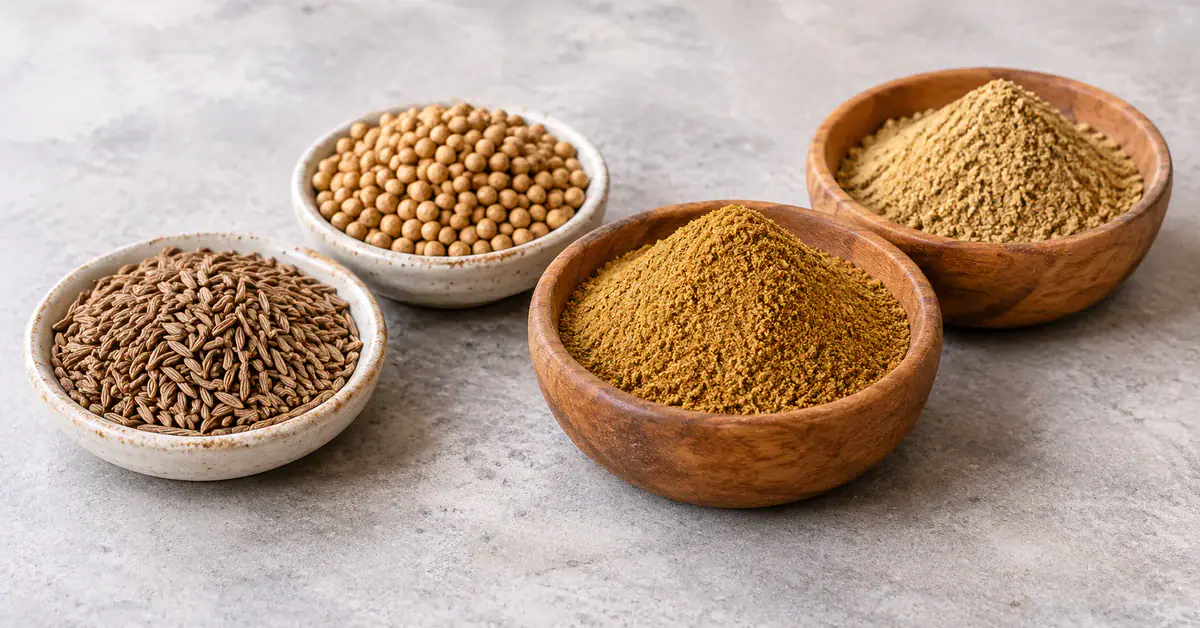
This version combines cumin and coriander seeds with ground spices. Toast and grind the seeds before mixing. This releases their aroma and gives a more uniform powder.
Ground spices are convenient and need no grinder, but may be less fragrant, especially from jars opened some time ago. This recipe measures whole cumin and coriander seeds. Do not automatically use the same volume of powder, as the balance may differ.
For an all-ground blend, choose fragrant spices and proportions designed for powders. For the version given here, use whole cumin and coriander seeds and grind once cool.
Using the blend in different dishes
Use ras el hanout on roast vegetables, chickpeas, lentils, rice, soups, stews and meat. Aromas vary from blend to blend, so start small and taste before adding more.
For pan-cooked dishes, stir a small amount into the softened aromatics or oil over low heat for a few moments, then add the other ingredients. Left alone in a hot pan, the spices can burn and turn bitter.
For roast vegetables, coat the pieces with a little oil and ras el hanout before roasting. Add to soups and stews as they cook to let the aromas infuse the broth. Taste towards the end and adjust sparingly.
You can also rub the blend over meat before cooking. Use it as part of your seasoning. Its strength will differ by dish and the salt and other seasonings still need adjusting separately.
Possible ingredient substitutions
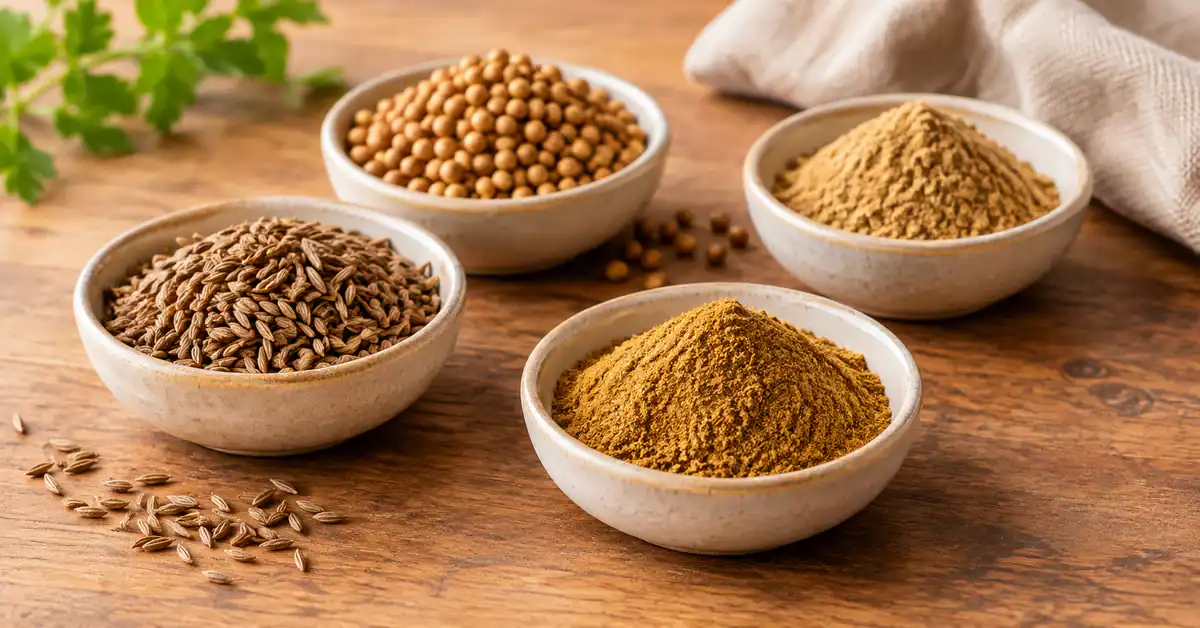
The blend is still useful without every ingredient, though the aroma changes. The options below replace ingredients in the main version rather than being added alongside them.
- If whole cumin or coriander seeds are unavailable, add the ground version a little at a time. Volume and intensity differ, so avoid an automatic one-for-one swap. This version skips toasting the seeds.
- Smoked paprika can replace sweet paprika. It gives a smoky note absent from the original. To keep the flavour mild, simply omit the paprika.
- If missing ground ginger or turmeric, omit it rather than using fresh ginger or another moist ingredient that would change the texture. Without ginger the blend is less warming and pungent. Without turmeric it loses some yellow colour and earthiness.
- If missing cardamom, nutmeg or cloves, omit the missing spice rather than adding extra cinnamon or another potent spice. The blend will be less complex but keep its other aromas.
Note any swaps or omissions to guide the next batch. Change one spice at a time to see the effect of each choice.
Storing and preserving the aroma
Transfer the ras el hanout to a clean, completely dry jar with a tight-fitting lid. This recipe makes about 3 tablespoons, so a small jar limits exposure to air each time it is opened.
Store in a cool, dry cupboard away from the hob, direct light and steam. Always use a dry spoon, as moisture can cause clumping and change the mixture.
Label the jar with the date and smell the seasoning before using. If faint, it has lost some fragrance. Make a fresh batch rather than trying to compensate by adding more to the dish.
Where to try it first
Try ras el hanout with roast vegetables or lentils. Start with a small amount and taste before adding more, as the strength can vary.
Frequently asked questions
How do I know when to remove the cumin and coriander seeds from the pan?
Remove as soon as they smell fragrant, after about 1–2 minutes on low heat. Do not wait for them to darken. Cool before grinding.
What should I do if the powder contains large pieces?
Continue grinding the seeds to a more even powder. Large pieces may leave the blend unevenly distributed.
The blend smells strong in the jar. Should I adjust it?
Avoid adjusting everything at once, since the blend smells stronger close up. Make small changes, stir and smell again. The effect also depends on the dish.
Can I use ground cumin and coriander in place of seeds?
Yes, but add gradually because the volume and strength may differ. Do not automatically use the seed measurements. You will also skip the toasting step.
How can I stop the blend clumping in the jar?
Keep in a clean, completely dry, tightly sealed container and use only a dry spoon. Keep the jar away from steam and direct light.