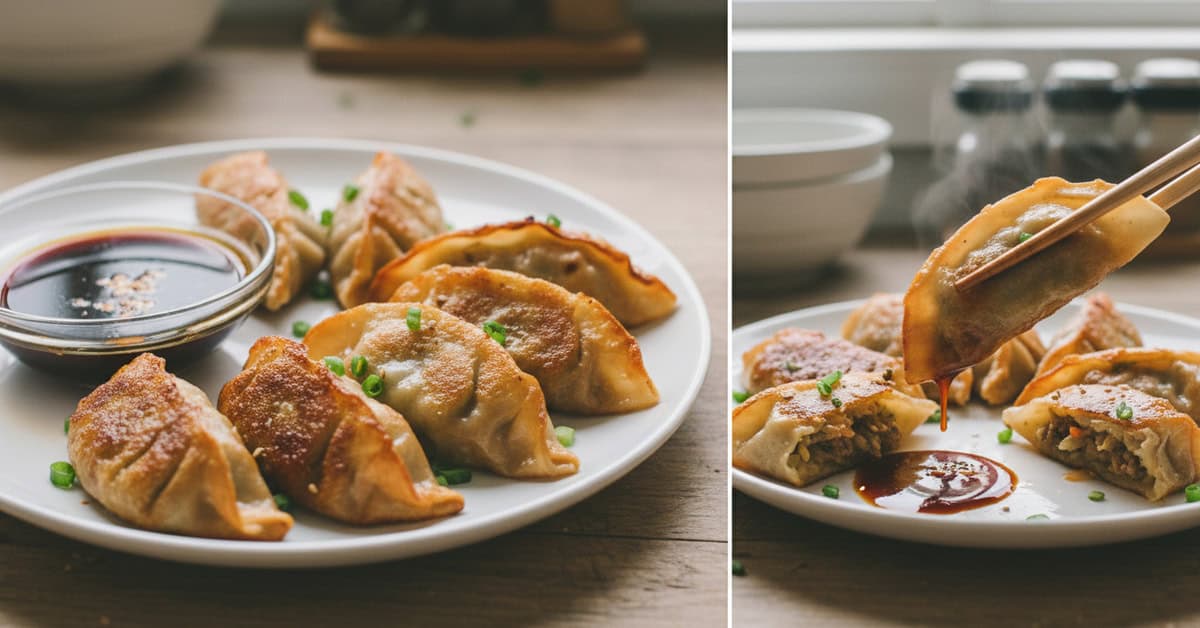

Mandu are delicious traditional Korean dumplings filled with meat and vegetables. They can be steamed, fried or boiled. These versatile dumplings go well with dipping sauces or side dishes such as kimchi and offer a taste of the rich flavours of Korean cooking.
Mandu are a favourite in Korean cooking, loved for their mix of flavours and textures. These dumplings have a special place in Korean culture. If you’re curious to try them, this recipe will show you how to make them yourself. You’ll find out which ingredients you need, how to prepare the dumplings and a few interesting facts about them along the way.
Ingredients for perfect mandu
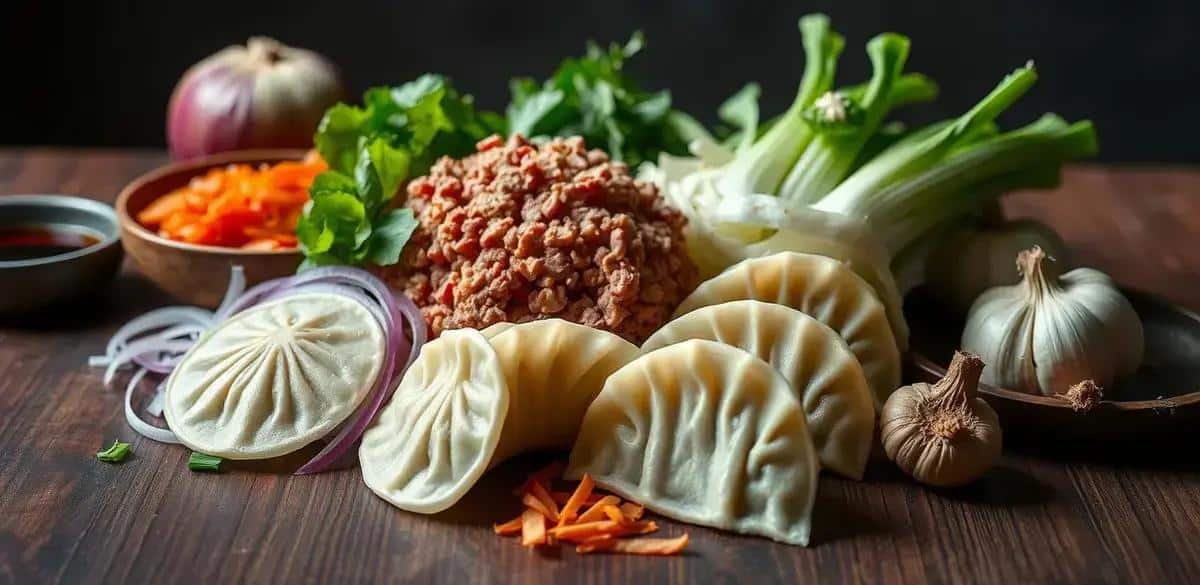
For the best mandu, start with fresh, good-quality ingredients. Here’s what you’ll need.
- 500 g minced meat (pork, beef or chicken)
- 1 cup chopped cabbage (white or Chinese leaf)
- 1/2 cup chopped onion
- 2 garlic cloves, finely chopped
- 1 tablespoon grated ginger
- 1/4 cup chopped spring onions
- 2 tablespoons soy sauce
- 1 tablespoon sesame oil
- 1 tablespoon sugar
- Salt and pepper to taste
- Mandu wrappers (available from Asian grocers)
Use fresh ingredients for the best flavour. The balance of meat, vegetables and seasoning gives mandu their savoury flavour and aroma.
How to make mandu
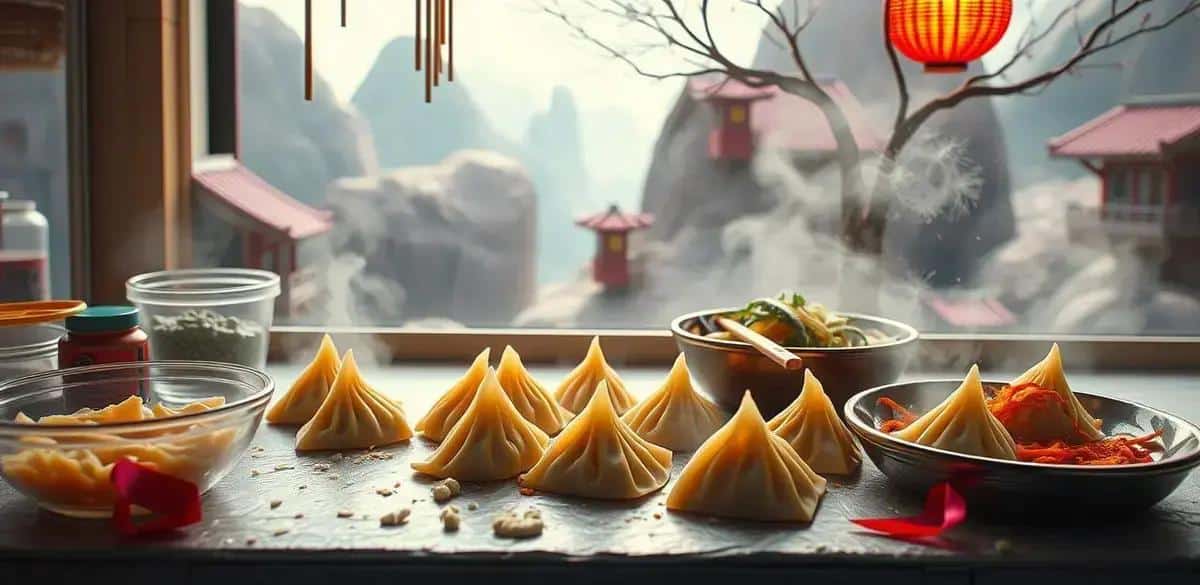
A few details make all the difference when preparing mandu. Follow these steps for a delicious result.
1. Make the filling
In a large bowl, combine the minced meat with the chopped cabbage, onion, garlic and grated ginger. Add the spring onions, soy sauce, sesame oil, sugar, salt and pepper. Mix thoroughly until everything is evenly combined.
2. Shape the mandu
Place a tablespoon of filling in the centre of a mandu wrapper. Fold the wrapper in half to form a crescent, then press the edges together firmly so the filling can’t escape. You can also shape the wrapper into a little pouch if you prefer.
3. Cook the mandu
You can steam, fry or boil the mandu. Whichever method you choose, use a food thermometer to check the centre of the filling. For any of the meats in this recipe, cook until the centre reaches 74°C. The timings below are approximate and will vary with the size of the dumplings.
- To steam, place the mandu in a steamer basket and steam for about 15 minutes.
- To fry, heat some oil in a frying pan and brown the mandu on both sides. Continue cooking until the centre of the filling reaches the temperature given above.
- To boil, cook the mandu in boiling water for about 5–7 minutes.
4. Serve
Serve the mandu hot, with soy sauce or a spicy sauce on the side for dipping.
Facts about mandu

Mandu have a long history and a special place in Korean culture. Here are a few things you might be surprised to learn about them.
1. Ancient origins
Mandu are a traditional Korean dish dating back more than 1,500 years to the time of the Goguryeo dynasty.
2. A choice of fillings
Although mandu are often filled with meat and vegetables, there are also vegetarian versions made with tofu, mushrooms and other ingredients.
3. Celebrations
In Korea, mandu are traditionally served at festivals and celebrations such as Lunar New Year, where they symbolise luck and prosperity.
4. Different shapes
Alongside the classic crescent, you’ll find mandu in a range of shapes and sizes depending on the region of Korea.
5. Regional varieties
Mandu recipes and ingredients vary from one Korean region to the next, reflecting the diversity of the country’s culture and cooking.
Tips for more flavourful mandu
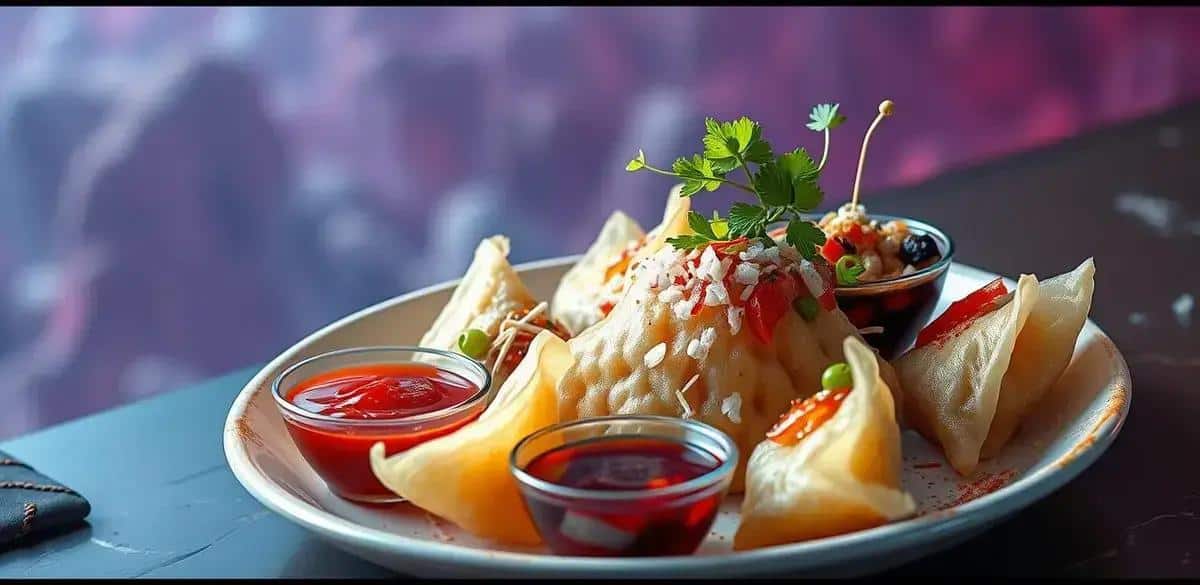
Try these tips to give your mandu even more flavour.
1. Use fresh ingredients
Always choose fresh meat and crisp vegetables. The quality of the ingredients makes all the difference to the flavour of the finished dish.
2. Experiment with seasoning
Give the filling your own twist with red chilli, toasted sesame seeds or herbs such as coriander or basil.
3. Try different fillings
Don’t be afraid to experiment. Try combining meats such as pork and chicken, or use tofu and mushrooms for a vegetarian filling with a flavour of its own.
4. Press the edges together firmly
When sealing the mandu, press the edges firmly together. This stops the filling from leaking out during cooking and keeps it juicy.
5. Serve with a selection of sauces
Alongside the traditional soy sauce, try chilli sauce, garlic sauce or even a sweet and sour sauce to bring out the flavours of the mandu.
What to serve with mandu
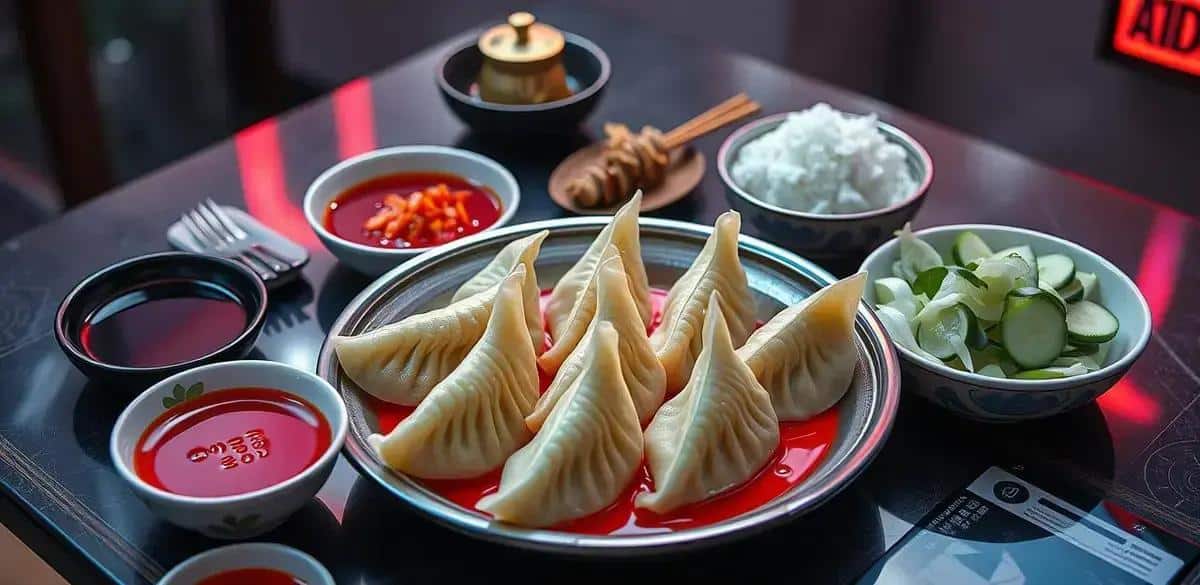
The right accompaniments make mandu even more enjoyable. Here are a few suggestions for what to serve with them.
1. Soy sauce
Classic soy sauce is an essential accompaniment. Add red chilli or sesame oil for extra flavour.
2. Kimchi
Kimchi, a dish of fermented vegetables, goes beautifully with mandu. Its tang and heat balance the savoury filling.
3. Ramen soup
Serve mandu alongside a hot bowl of ramen for a comforting, nourishing meal. The combination of textures is irresistible.
4. White rice
White rice makes a simple side dish. It takes on the flavours of the mandu and sauces, while its mildness offers a gentle contrast.
5. Cucumber salad
A refreshing cucumber salad dressed with vinegar and sesame seeds makes a lovely accompaniment. Its crunch pairs well with the tender dumplings.
Thank you for exploring the world of mandu!
We hope you’ve enjoyed discovering the recipe, learning a few facts about mandu and picking up tips on how to enjoy these delicious Korean dumplings. Part of the pleasure of eating mandu is the taste of Korean culture they bring to your table.
If you love cooking and want to keep exploring, don’t forget to follow us on social media for our latest news. Visit our Mestre das Receitas cooking website and discover delicious recipes and tips to help you sharpen your cooking skills.
Join our community of people who love to cook! 🌟
Frequently asked questions about mandu
What are mandu?
Mandu are traditional Korean dumplings, usually filled with meat and vegetables. They can be steamed, fried or boiled.
What are the main ingredients in mandu?
The main ingredients are minced meat, cabbage, onion, garlic and spices, along with the dumpling wrappers that hold the filling.
How can I cook mandu?
You can steam mandu, fry them in a pan or boil them in water.
Which sauces go well with mandu?
Soy sauce is the traditional accompaniment, but you can also try spicy sauces or a sweet and sour sauce.
Can I make vegetarian mandu?
Yes, you can make vegetarian mandu with a filling of vegetables, tofu and mushrooms.
Can I freeze mandu?
Yes, you can freeze mandu either raw or cooked, so they’re handy when you want a quick meal.