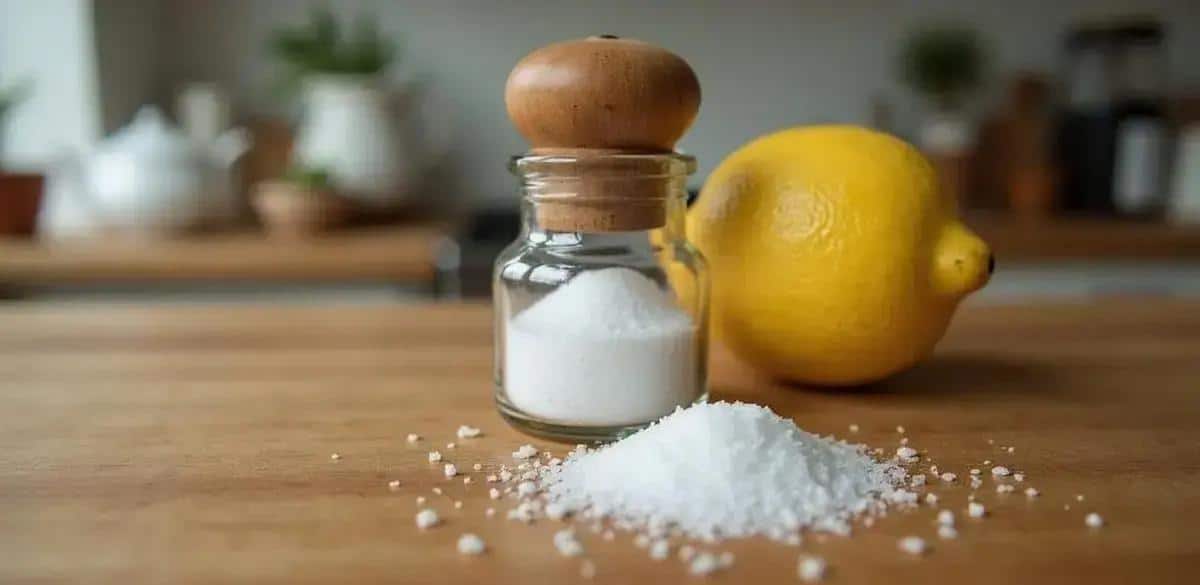

To keep salt from clumping, use a clean, completely dry container. Close it tightly and keep it away from steam from the hob and splashes from the sink.
A clogged salt shaker is a familiar kitchen nuisance, especially halfway through a recipe. Here are a few ways to keep the salt flowing, understand what moisture does and store your seasoning properly.
What helps stop salt clumping?
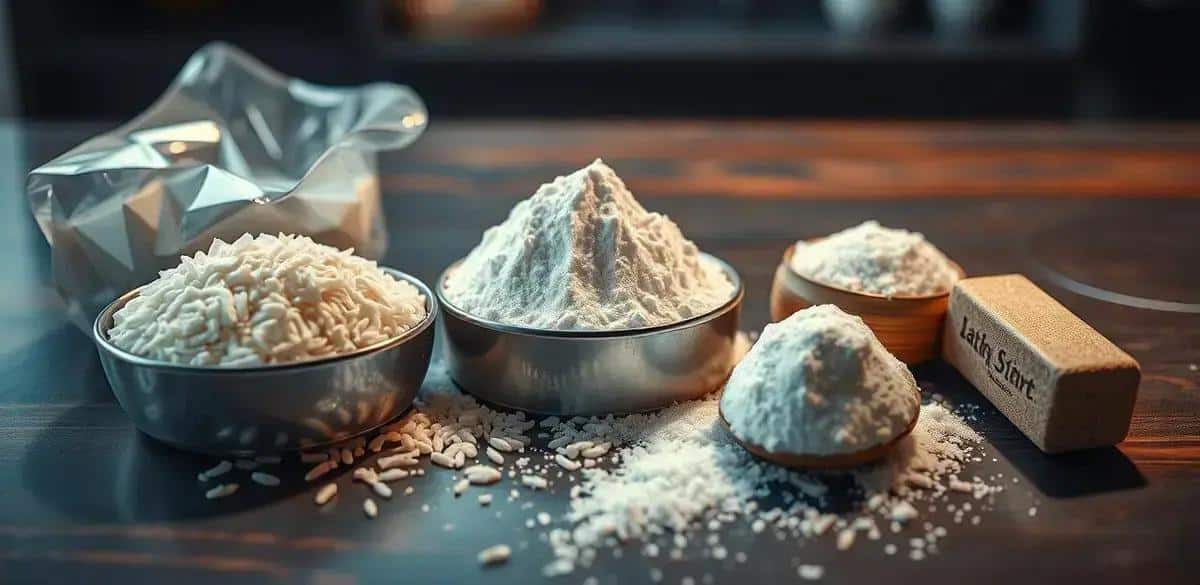
A few simple kitchen items and habits can help salt keep its loose texture.
- Uncooked rice is a traditional trick. A few grains in the shaker can help take up some moisture and keep the salt moving.
- Use a dry spoon when taking salt from a jar to keep water out.
- Fill the shaker with a small amount at a time and keep the rest in a tightly closed jar.
- Keep non-food materials away. Chalk and other non-food objects should not touch the salt. Protect the shaker from damp instead.
- Coarse salt tends to clump less than fine salt. Choose a shaker with holes large enough for the crystals.
These are simple, readily available ways to keep salt ready to use.
How to keep salt free-flowing
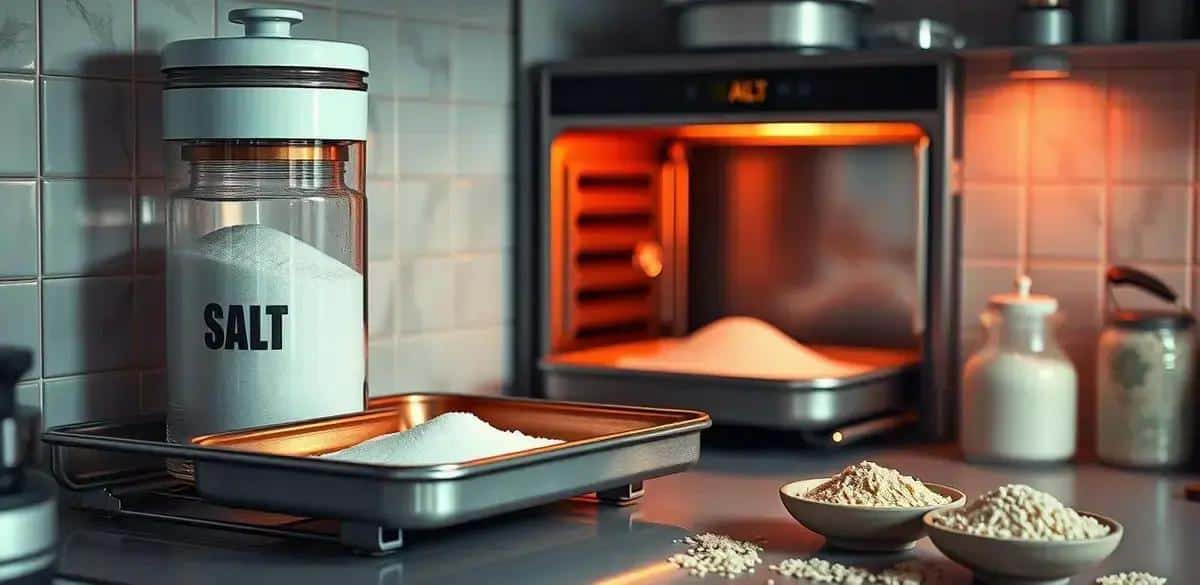
Follow these steps to dry damp salt and keep it loose.
- Choose a coarse-grained salt, which is less likely to cake than finely ground salt.
- Spread damp salt on a baking tray and place in a low oven at about 50°C for 30 minutes to remove moisture.
- Let the dried salt cool completely before putting it in a clean, dry shaker, so condensation doesn’t form inside.
- Store salt in an airtight container with a well-fitting lid to keep moisture out.
- Choose a cool, dry spot away from the hob and sink.
These simple steps help salt flow freely when you need it.
Why moisture matters in a salt shaker
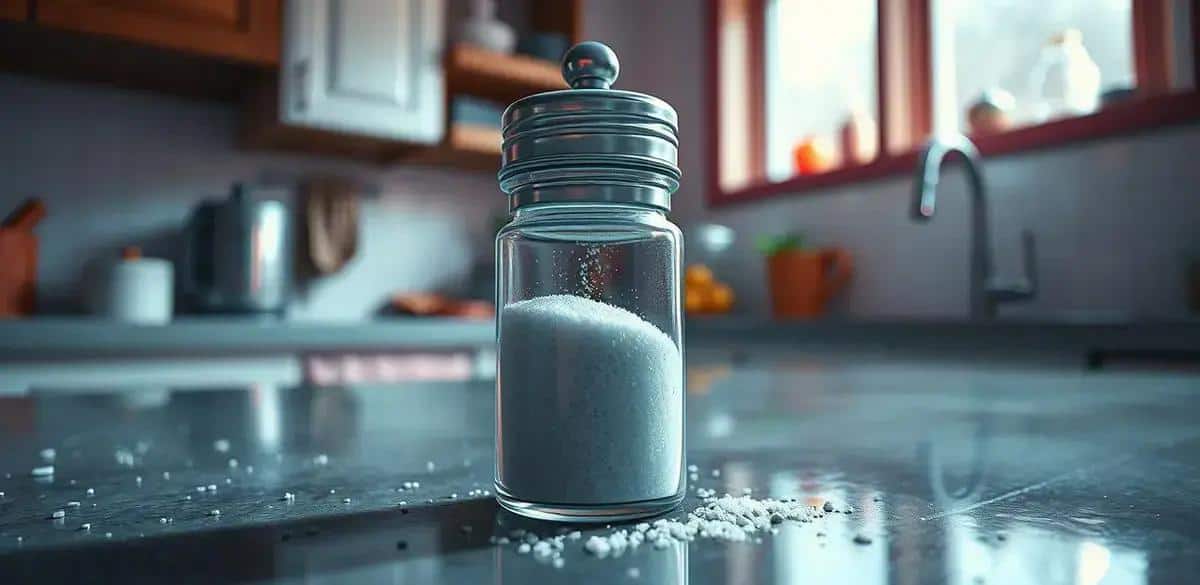
Moisture makes salt clump and harder to shake out. Here’s how that happens and what you can do about it.
- In hot, humid conditions, salt can pick up moisture from the air. The crystals then stick together in the shaker.
- Steam from cooking and water around the sink are common sources of moisture. Store the shaker in a dry spot.
- Enough moisture can turn salt into a solid lump. It then becomes difficult to measure and season a dish evenly.
- An airtight container is one of the easiest ways to protect salt from humidity and prevent caking.
- A fairly steady kitchen temperature and a place away from heat help prevent condensation around the shaker.
Knowing where the moisture comes from makes it easier to keep salt ready to use.
A few facts about salt
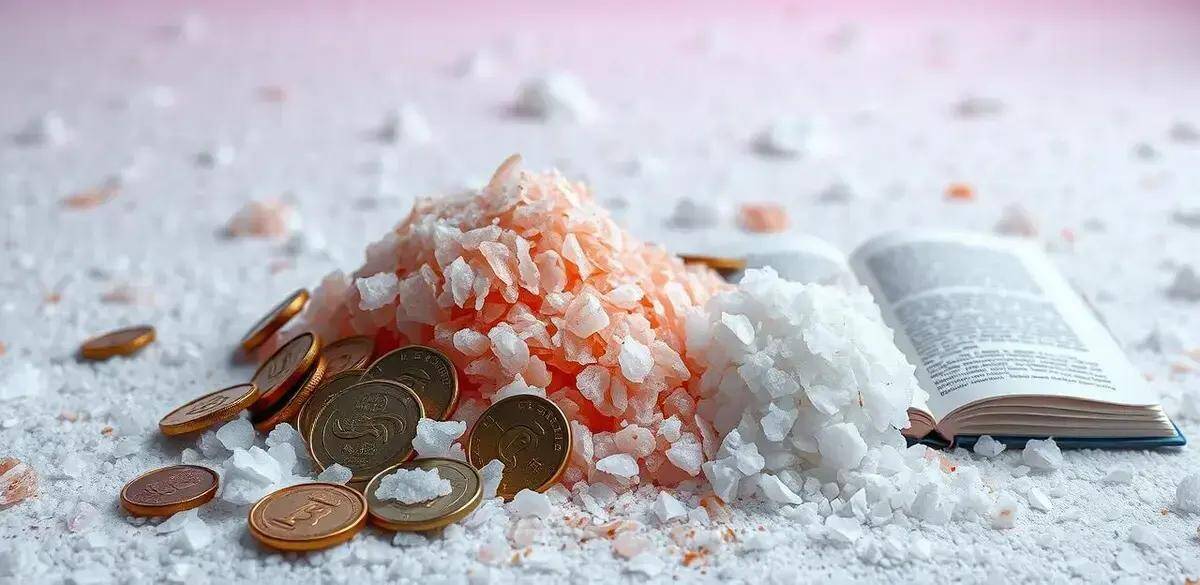
Salt is so familiar that its other roles are easy to overlook. Here are a few.
- Salt is one of our oldest seasonings. Ancient civilisations, including the Romans, valued it both as a seasoning and as a trading good.
- Sea salt, coarse salt, pink Himalayan salt and refined table salt come in different crystal shapes, sizes and textures.
- Sodium plays a part in cell function and fluid balance. Only a modest amount of salt is needed in the diet.
- Salt is also used in preservation. Under controlled conditions it helps limit bacterial growth in processes such as curing meat and pickling.
- In cooking, salt brings other flavours forward and helps balance both sweet and savoury dishes.
Salt’s many uses explain its place in food, culture and everyday life.
How to store salt in the shaker
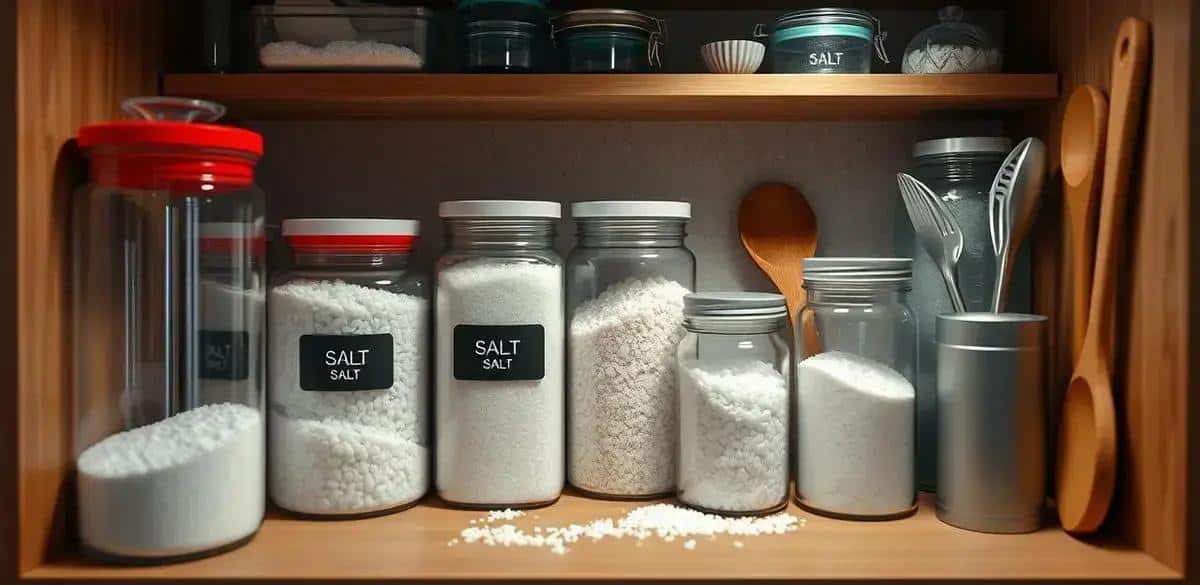
These storage habits help keep the salt dry.
- Use an airtight container. Glass or food-safe plastic jars with screw tops keep out damp air.
- Keep it away from the sink and hob. Choose a cool, dry spot in the kitchen.
- Dry the shaker thoroughly before refilling. Keep it closed and away from steam when cooking.
- Clean the shaker regularly. Empty out the old salt, wash with water and washing-up liquid, and dry completely before adding fresh salt.
- Close the shaker promptly after serving, especially in a steamy kitchen.
With these habits, the salt stays loose and ready for your next recipe.
Keep salt dry and ready to use
Try these ideas next time you refill the shaker to keep salt from sticking.
If you enjoyed these tips, follow us on social media and find more ideas on the Mestre das Receitas cookery website. There’s always something new to try.
For more recipes and kitchen know-how, join our community on the Mestre das Receitas cookery blog. There’s plenty to bring back to your own kitchen.
Frequently asked questions about cooking with salt
Why has the salt stuck in my shaker?
Kitchen moisture can make salt clump. A damp storage spot or leaving the shaker open for a long time makes it worse.
How do I keep salt from clumping?
Store it tightly closed and away from steam. Use a clean, dry shaker.
Which salt is least likely to clump?
Coarse salt, including coarse sea salt, tends to clump less readily because the crystals are larger.
What can I do with salt that has already caked?
If a hard lump won’t break up, try drying the salt in a low oven or replace it with fresh salt.
What if the shaker still gets damp?
Check that the container closes tightly and move it to a drier part of the kitchen.
Why is salt important in cooking?
It enhances flavour, contributes to preservation and can change the texture of many foods.