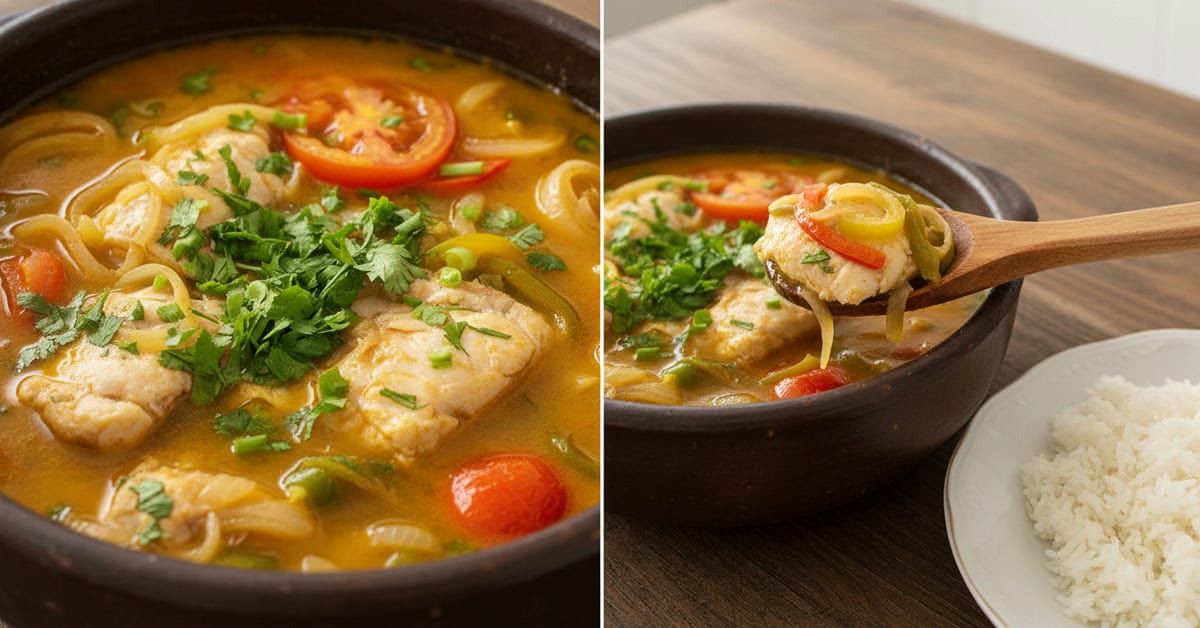

Traditional moqueca capixaba is a fish stew from the Brazilian state of Espírito Santo, flavoured with garlic and coriander. In this recipe, the fish and prawns cook in a clay pot with red palm oil and coconut milk, both characteristic of Bahian moqueca.
Moqueca capixaba has a special place at the table in Espírito Santo. We’ll explore its history and make a fish and prawn version that also draws on the flavours of Bahia. Serve it with rice to soak up the coconut milk and red palm oil broth.
Ingredients for fish and prawn moqueca with red palm oil
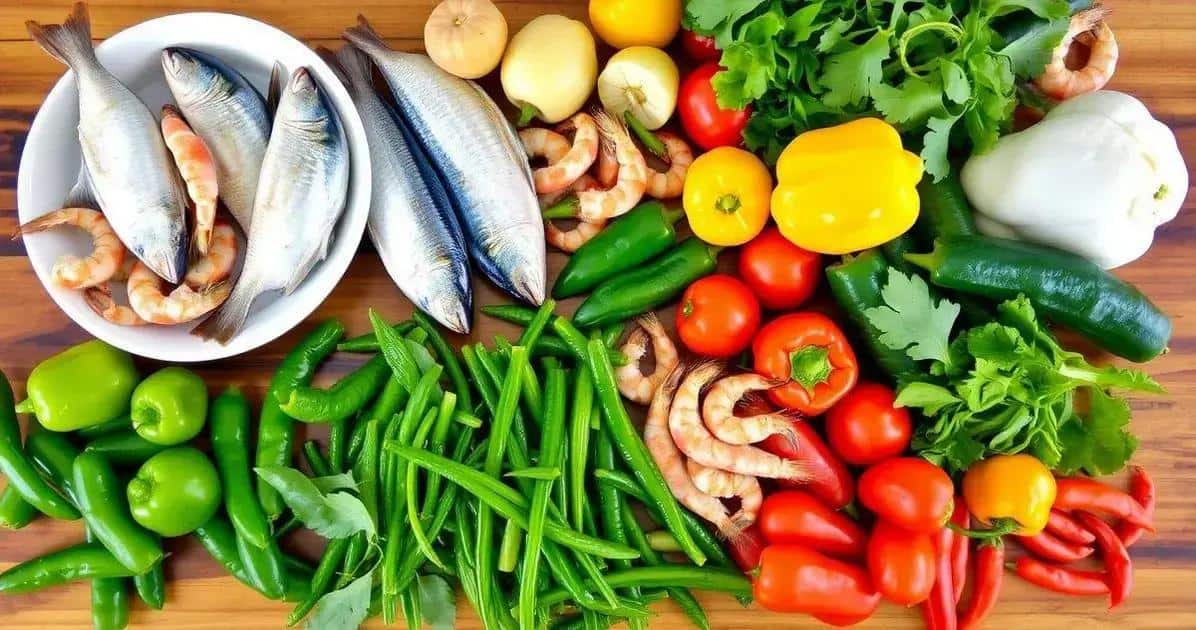
To make this clay-pot version of moqueca, gather the following ingredients:
Main ingredients
- 1 kg fresh fish, preferably snook or grouper steaks
- 200 g cleaned prawns
- 1 large onion, chopped
- 2 ripe tomatoes, chopped
- 1 green pepper, cut into strips
- 1 red pepper, cut into strips
- 3 garlic cloves, chopped
- 1/2 cup chopped fresh coriander
- 2 tablespoons red palm oil
- 1/2 cup coconut milk
- Salt and black pepper to taste
Extra tips
For a richer moqueca, you can add other seafood, such as mussels and squid. Fresh ingredients are essential to the dish’s authentic flavour.
Remember that each ingredient brings something of its own to the dish, so choose good-quality fish and shellfish for a memorable moqueca.
How to make the moqueca
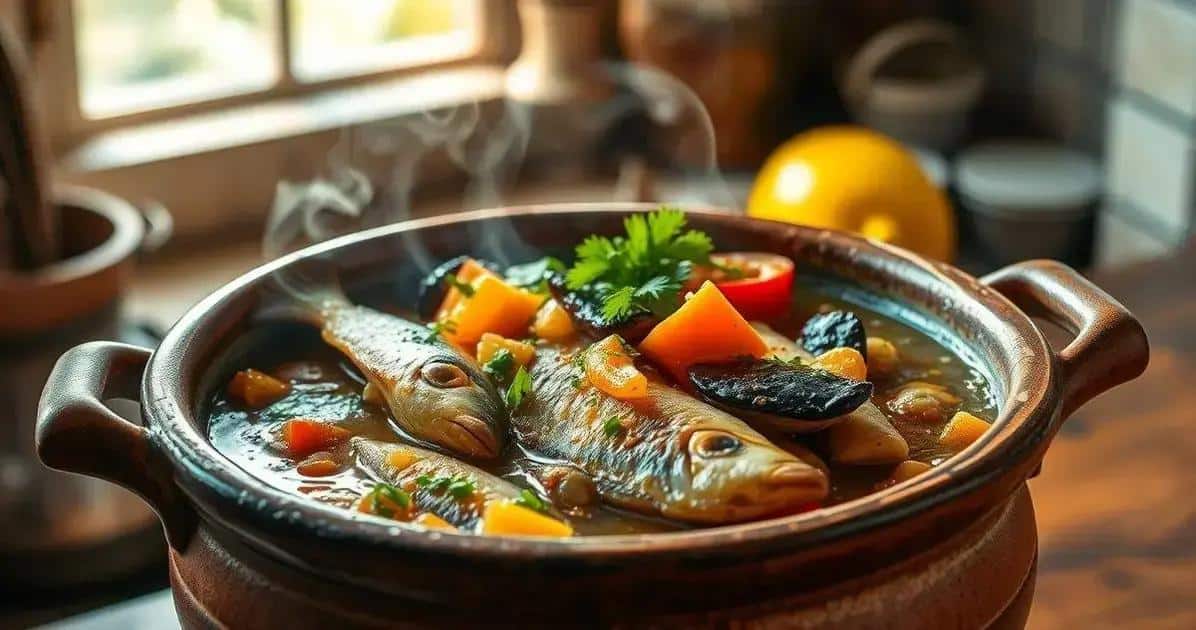
Layer the ingredients in the clay pot. The fish and prawns cook in the coconut milk and the juices released by the vegetables.
Step 1: Marinate the fish and prawns
Season the fish and prawns with salt, black pepper and a little of the chopped garlic. Leave to marinate for at least 30 minutes to give the fish and prawns time to absorb the flavours.
Step 2: Sauté the vegetables
Heat the red palm oil in a large earthenware pot. Add the onion and sauté until translucent. Add the garlic and sauté for a further 1–2 minutes, until fragrant.
Step 3: Assemble the moqueca
Add the tomatoes and peppers to the pot and cook for a few minutes until soft. Arrange the fish steaks and prawns evenly over the vegetables.
Step 4: Finish with coconut milk
Pour the coconut milk over the fish, prawns and vegetables. Cover and cook over a low heat for about 20 minutes, or until the fish is cooked through and the flavours have come together.
Step 5: Serve
Just before serving, scatter the chopped coriander over the top for a fresh finish. Serve the moqueca with white rice and, if you like, banana farofa.
Facts about moqueca capixaba
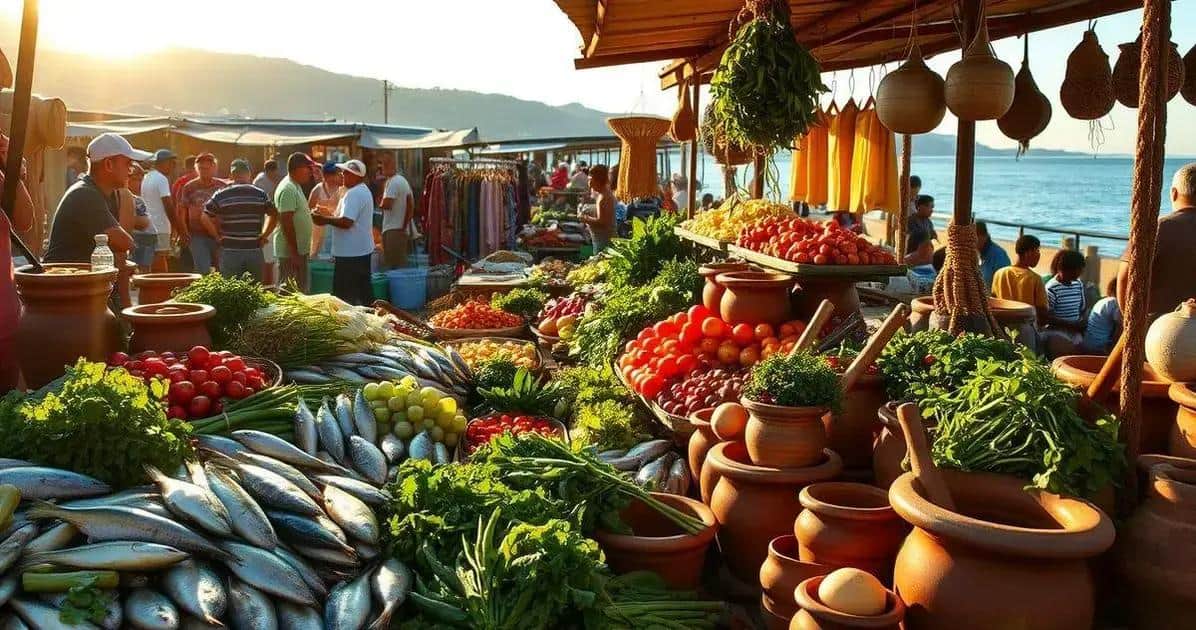
Did you know that moqueca capixaba has deep roots in Espírito Santo? More than just a recipe, this traditional dish is part of the state’s culture.
Origins
Both the clay pot and the practice of cooking fish with fresh seasonings are part of the culinary tradition of Espírito Santo. The red palm oil used in this version is associated with the Bahian tradition.
How it differs from Bahian moqueca
In Espírito Santo, traditional moqueca is made with fish, vegetables and olive oil, without coconut milk or red palm oil. Bahian moqueca calls for red palm oil and coconut milk, the two ingredients that give this version its flavour.
Cultural significance
The dish is part of the cultural identity of Espírito Santo. It is served at festivals and celebrations, and the recipe varies from region to region and from family to family.
Regional variations
Moqueca can be made with a variety of fish and shellfish. Some families make their own versions by replacing the fish with other ingredients.
Recognition
Moqueca capixaba is celebrated at food festivals and has won awards for its authenticity and flavour. It is one of the most admired dishes in Brazilian cooking.
Tips for a more flavourful moqueca
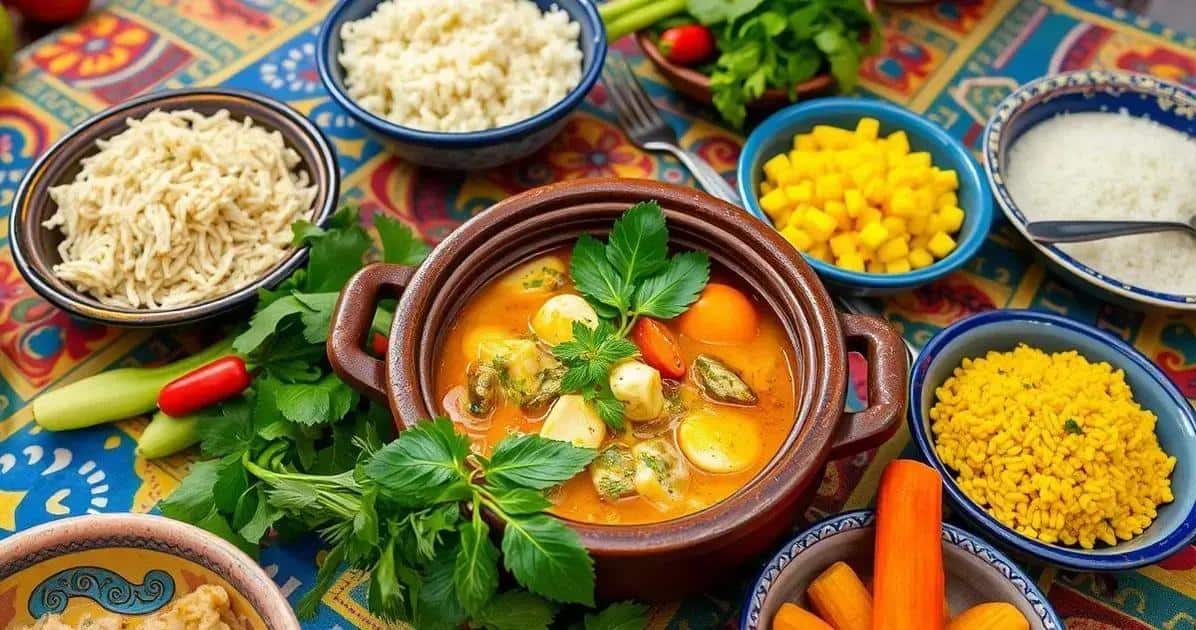
Try these tips to give your fish and prawn moqueca even more flavour.
1. Choose fresh ingredients
Fresh fish and shellfish give moqueca its authentic flavour. Visit your local fish market and choose from the day’s catch.
2. Don’t skimp on the seasonings
Seasoning is essential. Always use fresh garlic, onion and herbs such as coriander to give the stew a fresh, full flavour.
3. Use good-quality olive oil
Red palm oil gives this recipe both colour and flavour. If you prefer a flavour closer to that of traditional moqueca capixaba, you can use a good olive oil in its place.
4. Marinate the fish for longer
Leave the fish to marinate for several hours or overnight. This gives it time to absorb the seasoning and develop a fuller flavour.
5. Take care with the presentation
How you present the moqueca can make a difference to the meal. Serve it in an earthenware pot and garnish with fresh coriander leaves for an attractive finish.
6. Serve with the right accompaniments
Serve the moqueca with white rice and farofa. Both complement the flavours of the stew and round out the meal.
The history of moqueca capixaba
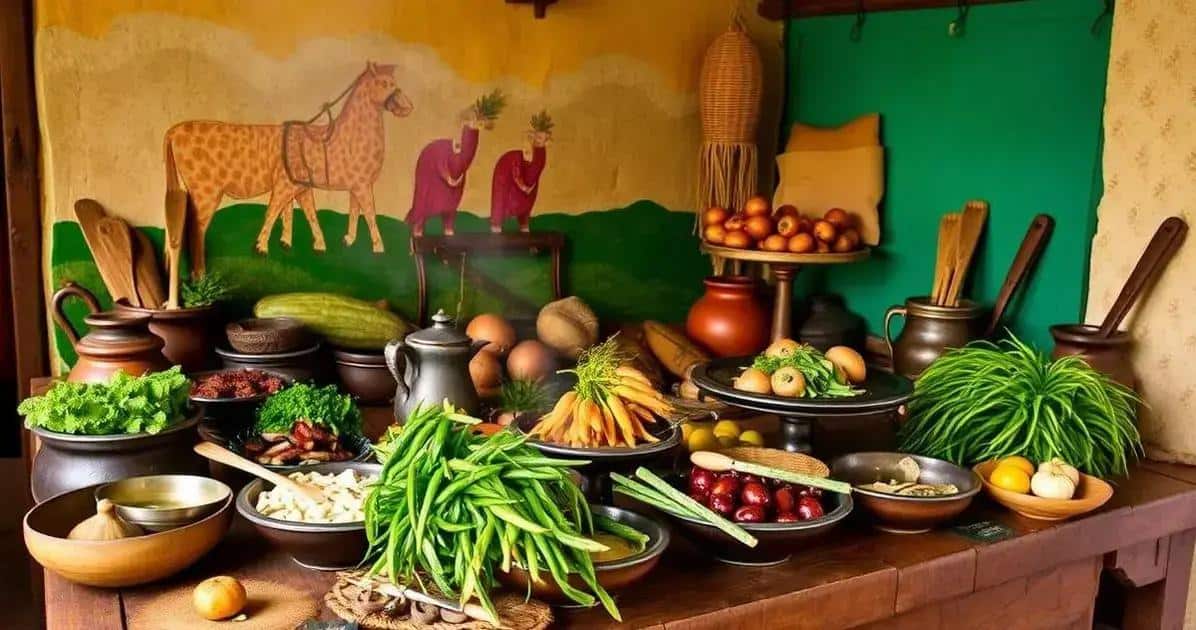
The rich history of moqueca capixaba reflects the traditions and cultures of Espírito Santo. The dish is a symbol of the state’s cuisine and brings together Indigenous and African influences.
Indigenous influence
Moqueca has its origins among the Indigenous peoples who lived in the region. They cooked fish and shellfish simply, using what the land provided.
African contributions
Afro-Brazilian culinary traditions are especially evident in Bahian moqueca, where red palm oil lends its distinctive aroma to the broth. It’s the flavour of that oil that comes through in this recipe.
How the recipe developed
Moqueca evolved over the years as families in Espírito Santo refined the recipe. Each family added its own touch, giving rise to variations that people still enjoy today.
Cultural recognition
Today, moqueca capixaba is recognised as part of the cultural heritage of Espírito Santo. It features at food festivals and cookery competitions that celebrate the region’s rich heritage.
A dish for sharing
As well as being delicious, moqueca brings family and friends together around the table and embodies the tradition of sharing a meal.
Now it’s time to enjoy your fish and prawn moqueca!
With these tips, you’re ready to make a delicious moqueca to impress your guests. Cooking is an art that evolves with every recipe we share.
Thank you for joining us on this culinary journey! We hope you’ve enjoyed exploring the history and secrets of moqueca capixaba. Remember to follow us on social media and keep up with our Mestre das Receitas cookery website for more delicious recipes and cookery tips!
Join our community on the Mestre das Receitas cookery blog and discover a world of flavours on your doorstep!
Frequently asked questions about moqueca capixaba
What’s the difference between moqueca capixaba and Bahian moqueca?
Traditional moqueca capixaba uses olive oil and contains no coconut milk. In Bahian moqueca, red palm oil and coconut milk flavour the broth. This recipe brings those Bahian flavours to the clay pot.
Which fish works best in moqueca capixaba?
Snook and grouper are the most common choices, but you can try other fish such as tilapia or hake, as long as they’re fresh.
Can I make moqueca with vegetarian ingredients?
Yes. For a vegetarian version, use tofu or mushrooms in place of both the fish and the prawns. Make the broth with the vegetables, red palm oil and coconut milk called for in the recipe.
How long does it take to make moqueca capixaba?
It takes about 1 hour in total, including marinating and cooking time.
Can I make moqueca capixaba ahead of time?
Yes, you can make the moqueca a day ahead. The flavours can deepen as the stew rests in the fridge before reheating.
What should I serve with moqueca capixaba?
White rice is the traditional accompaniment. Banana farofa also complements the flavours of the stew.