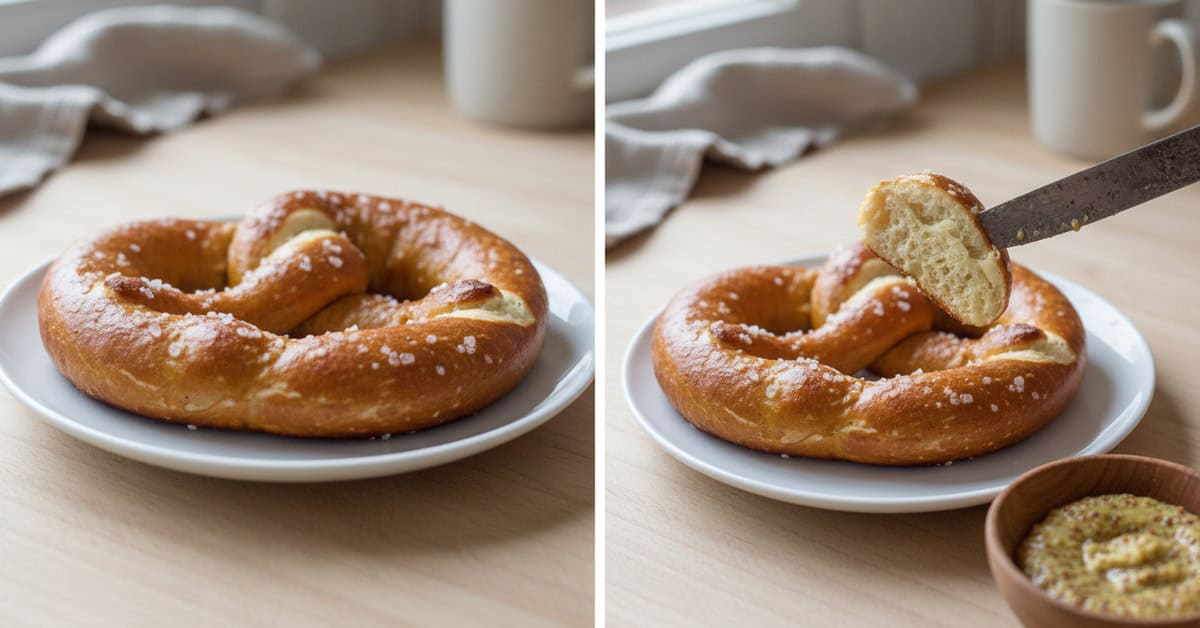

Pretzels are a traditional European snack, particularly associated with Germany. They’re easy to make at home and come in many varieties, including sweet and filled pretzels. They’re best served warm with a choice of dips.
Pretzels are a traditional snack loved around the world for their distinctive shape and flavour. They suit any occasion, whether you serve them as a snack or as a starter at a celebration. We’ll show you how to make the perfect pretzel at home, share some interesting facts about pretzels and give you tips to help you get great results in the kitchen.
Ingredients for the perfect pretzel
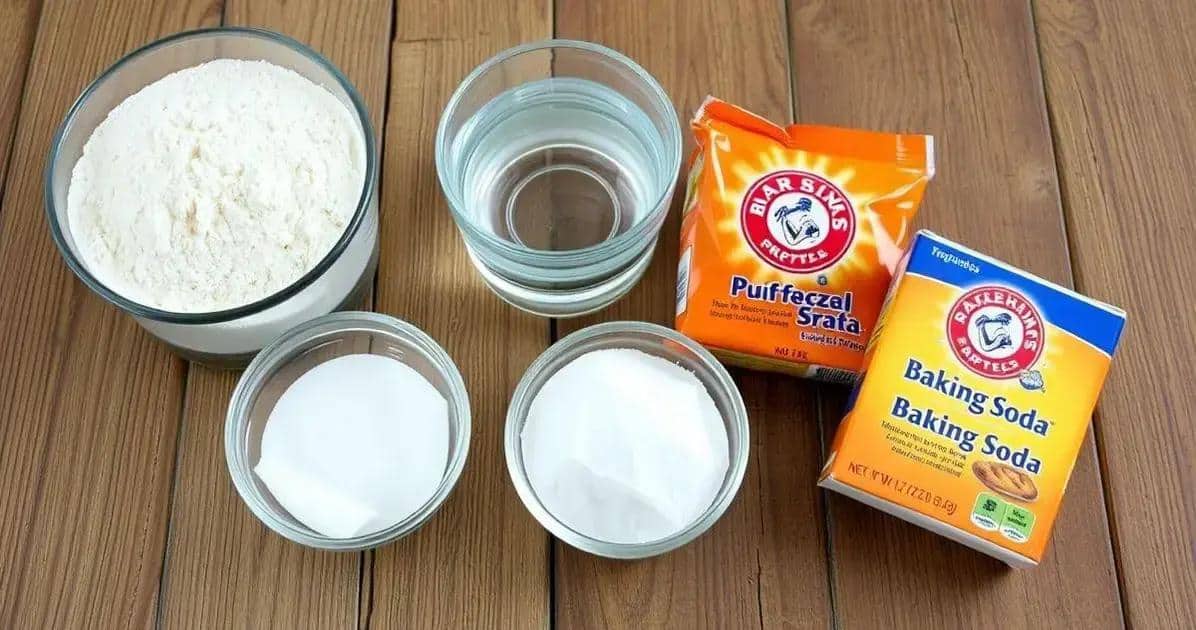
A few key ingredients give pretzels their distinctive flavour and texture. Here’s everything you’ll need.
- 500 g wheat flour – This forms the base of the dough. Choose a good-quality flour for the best results.
- 300 ml warm water – This activates the yeast and hydrates the dough.
- 10 g salt – This brings out the flavour of the pretzels.
- 7 g sugar – This balances the flavour and helps the crust crisp up in the oven.
- 7 g dried yeast – This helps the dough rise and gives the pretzels a soft centre.
- 50 g bicarbonate of soda – Add this to the water for dipping the pretzels before baking. It gives the crust its characteristic colour and flavour.
- Coarse salt – Sprinkle over the pretzels for a salty finish.
Get all your ingredients ready before you start, and you’ll be well on your way to a batch of delicious homemade pretzels.
How to make homemade pretzels
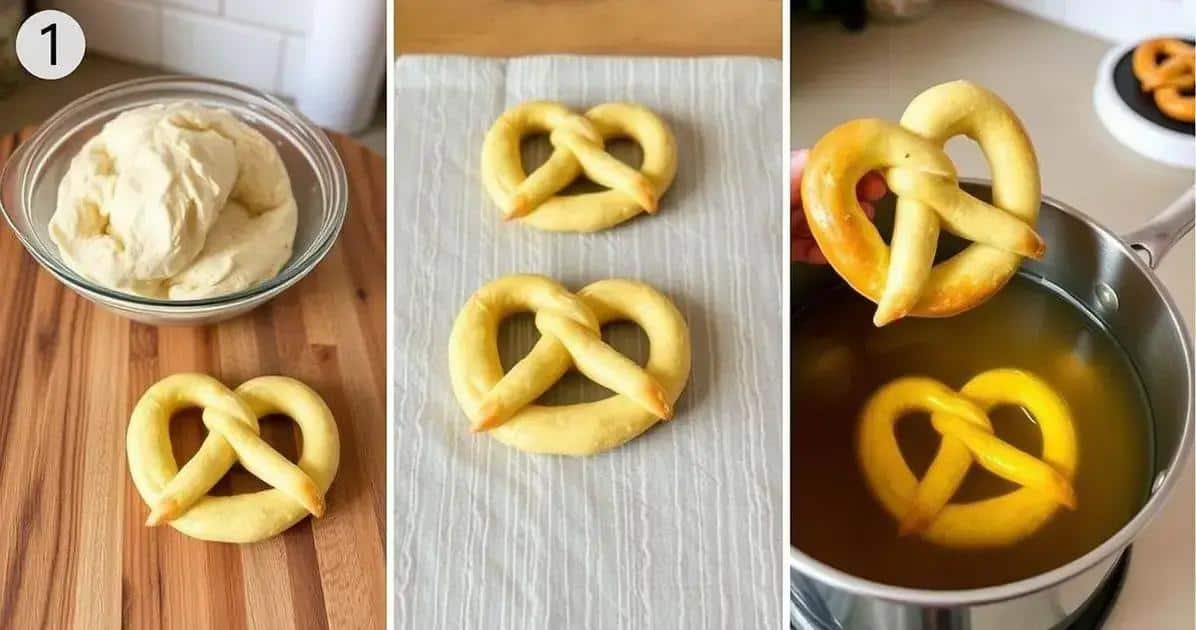
Now that you have all your ingredients ready, follow these steps carefully to make your homemade pretzels.
- Activate the yeast. Mix the warm water, sugar and yeast in a small bowl. Leave for about 5 to 10 minutes, until frothy.
- Make the dough. Mix the flour and salt in a large bowl. Make a well in the centre, pour in the yeast mixture and mix well until a dough forms.
- Knead the dough. Turn it out onto a floured surface and knead for about 8 minutes, until smooth and elastic.
- Leave the dough to rise. Place it in an oiled bowl, cover with a damp cloth and leave in a warm place for about 1 hour, or until doubled in size.
- Shape the pretzels. Divide the risen dough into pieces weighing about 70 g each. Roll each piece on the worktop into a rope about 60 cm long. Cross the ends, twist them together and fold them back onto the curve to form a pretzel.
- Dip the pretzels. In a large saucepan, bring 2 litres of water to the boil with the bicarbonate of soda. Dip each pretzel in the boiling water for 30 seconds, turning it over once. This step gives the crust its crisp texture.
- Bake the pretzels. Lift them out of the water and place them on a baking tray lined with baking parchment. Sprinkle with coarse salt and bake in an oven preheated to 220°C for 12 to 15 minutes, or until golden brown.
Take the pretzels out of the oven and let them cool slightly before serving. Enjoy your homemade pretzels!
Interesting facts about pretzels
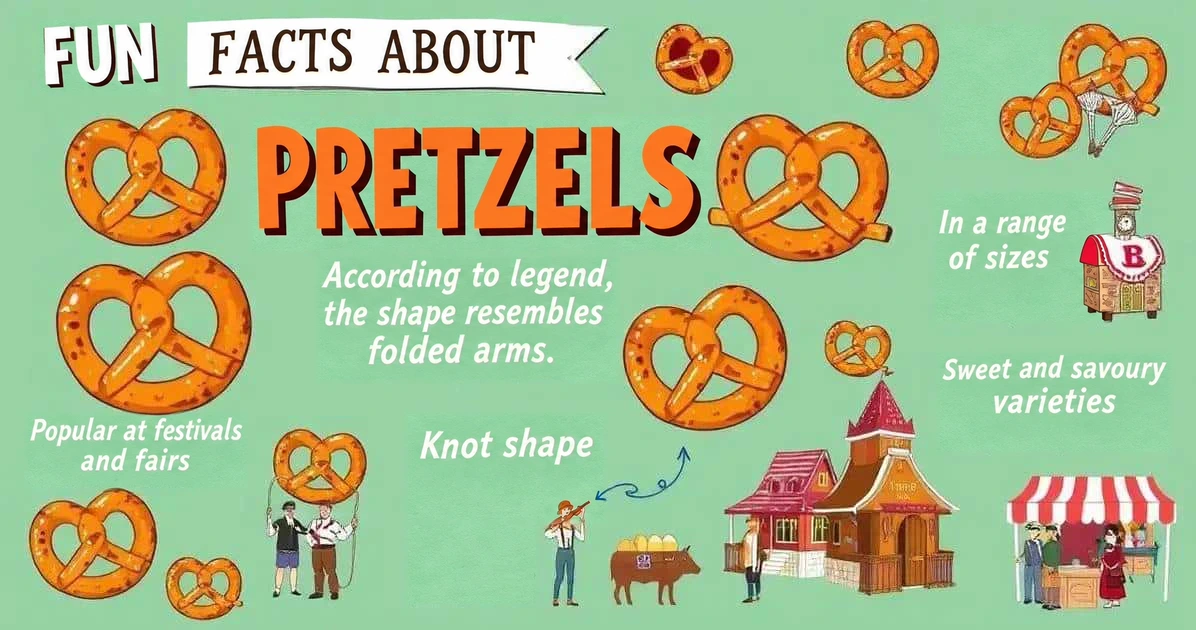
Pretzels have a long history and a wealth of traditions. Here are a few things you might not know about them.
- Origins. Pretzels have European roots and a long tradition in Germany. Exactly when and where they first appeared is uncertain.
- A symbolic shape. According to a medieval legend, the crossed ends of a pretzel resemble arms folded in prayer.
- National Pretzel Day. In the United States, pretzel lovers gather at festivals and events to celebrate National Pretzel Day on 26 April.
- Shapes and sizes. Pretzels come in all sorts of shapes and sizes, from mini pretzels to giant ones made for special occasions.
- Sweet and savoury. Alongside the traditional salted pretzel, you’ll find sweet versions coated in chocolate or dusted with cinnamon sugar.
- A festival favourite. Pretzels are a popular snack in several countries and are often associated with food fairs, festivals and parties.
- Regional differences. Each region has its own recipe and way of making pretzels, giving the snack a slightly different character from place to place.
These facts show that pretzels are more than just a snack. They’re part of the history and culture of several countries.
How to make a dip for pretzels
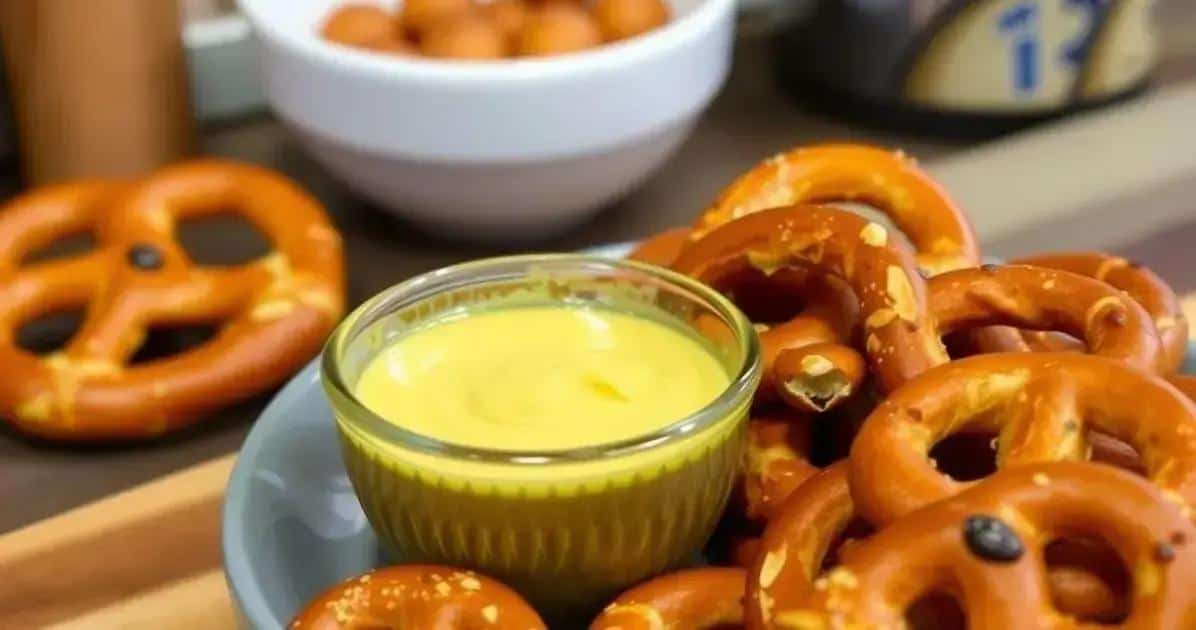
A good dip brings out the flavour of a pretzel. This simple honey and mustard dip is a perfect match.
- Ingredients
- 1 cup Dijon mustard
- 1/2 cup honey
- 2 tablespoons cider vinegar
- 1 tablespoon olive oil
- Salt and pepper to taste
- How to make the dip
- Put the Dijon mustard and honey in a medium bowl and mix well.
- Add the cider vinegar and olive oil and stir again until smooth.
- Season with salt and pepper, tasting as you go and adjusting to your liking.
- For a creamier dip, stir in a little mayonnaise or plain yoghurt.
This dip is easy to make and goes beautifully with pretzels. Serve it in a small bowl for dipping and enjoy every bite.
Tips for even tastier pretzels
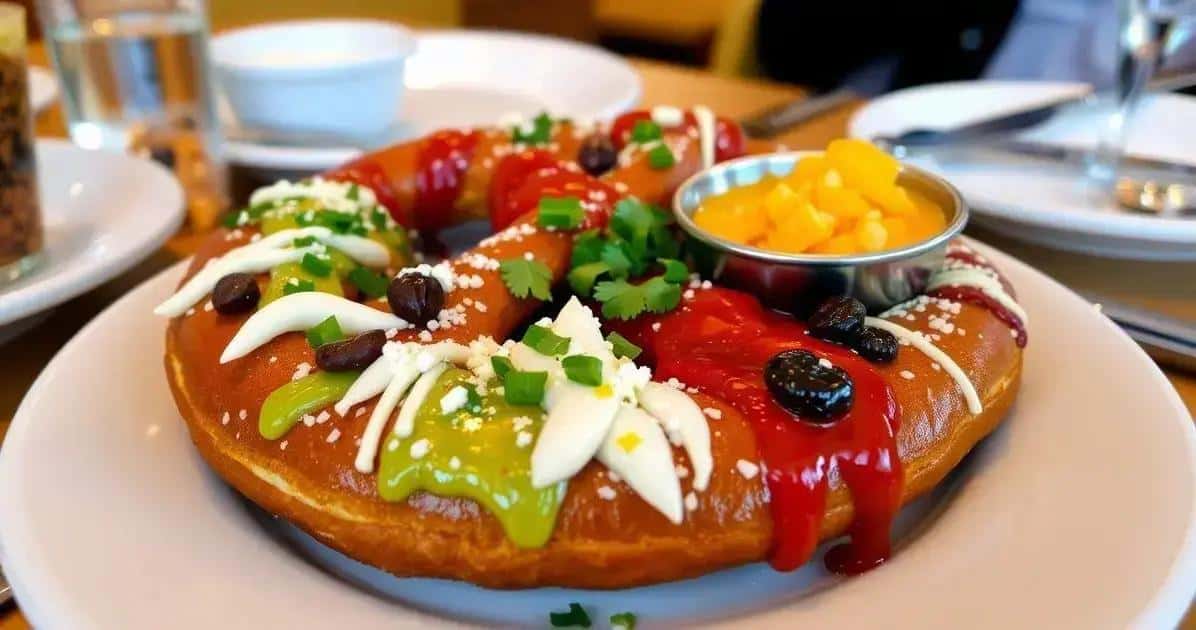
Try these tips to give your pretzels even more flavour.
- Choose good ingredients. The quality of the flour and other ingredients can make a real difference to the flavour of the finished pretzels.
- Try different toppings. As well as coarse salt, try sesame seeds, poppy seeds or grated cheese for extra flavour.
- Season the dough. Mix in garlic powder, onion powder or paprika to give your pretzels a savoury twist.
- Don’t skimp on the bicarbonate of soda bath. Dipping the pretzels before baking is essential for their distinctive brown crust and improves both their texture and flavour.
- Serve warm. Pretzels taste best freshly baked and still warm, so enjoy them soon after they come out of the oven.
- Offer a choice of dips. Cheddar cheese sauce, spicy mustard and herby yoghurt dip each bring a different flavour to the table.
- Try a sweet version. Dust the pretzels with cinnamon sugar or dip them in melted chocolate.
These tips will help you make your homemade pretzels even more delicious.
Pretzel recipe variations

There are plenty of ways to vary a batch of pretzels. Here are a few ideas to try.
- Filled pretzels. Tuck cheese, ham or even chocolate into the dough before shaping. Bite into a freshly baked one for a surprise filling, with the cheese or chocolate melted inside.
- Sweet pretzels. Sprinkle the pretzels with cinnamon sugar after baking, or coat them in melted chocolate and add colourful sprinkles.
- Herb pretzels. Mix dried rosemary, oregano or thyme into the dough, or sprinkle the herbs on top for a fragrant, herby finish.
- Potato pretzels. Replace some of the flour with mashed potato for a softer pretzel with a distinctive flavour.
- Bacon pretzels. Make the traditional dough and work in some chopped bacon for a hearty savoury variation.
- Cheese pretzels. Mix grated cheese into the dough for a rich flavour, or melt it on top as the pretzels bake to form a savoury crust.
- Spicy pretzels. Add cayenne pepper or black pepper to the dough for a little heat.
Each variation has a flavour of its own and gives you a chance to pair your pretzels with different dips. Try the variations and see which pretzel you like best!
The history of the pretzel and its meaning
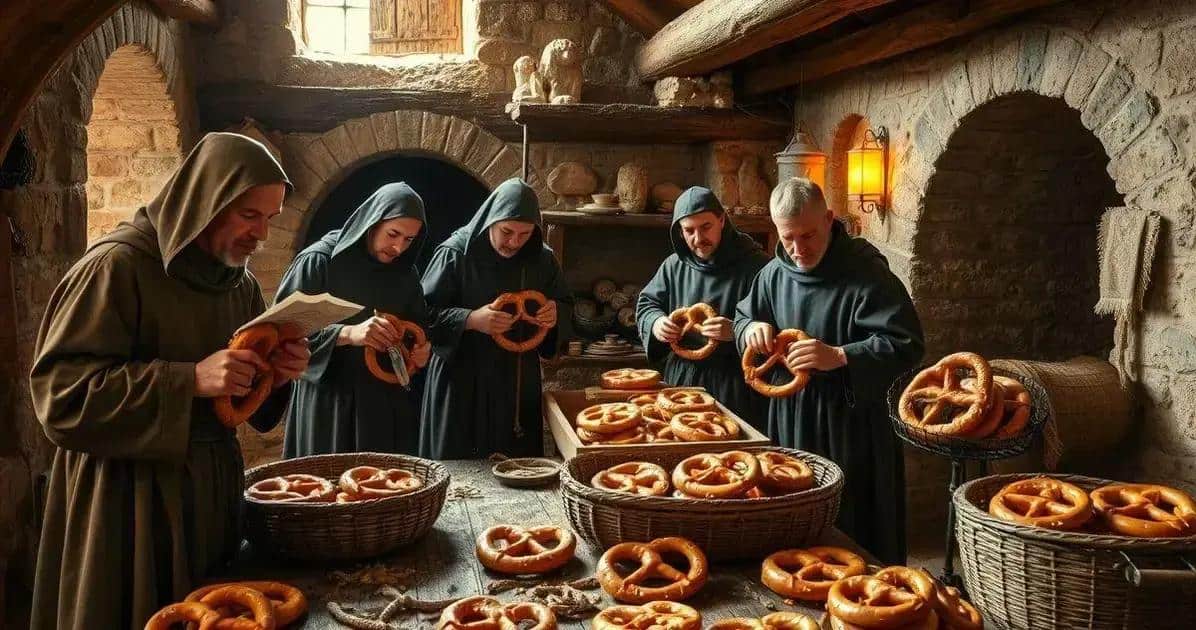
The pretzel’s history stretches back centuries. It has its roots in Europe, particularly in what is now Germany, where it is believed to have originated around AD 610. According to tradition, the first pretzels were made by monks who shaped the dough into a cross to teach children Christian prayers. The shape represents arms folded in prayer.
Pretzels quickly grew in popularity in the 12th century and became associated with festivals and celebrations. Traders sold fresh pretzels at markets and fairs, and they soon became a symbol of German food culture.
European migrants brought pretzels to America. A tradition of making and selling them took hold in the United States, particularly in Pennsylvania, giving rise to new varieties and styles, including the famous soft pretzel.
Pretzels have symbolic meanings, too. A pretzel given as a gift is said to symbolise good luck and prosperity. Pretzels are often eaten at festivals such as Oktoberfest, where they’re an essential part of the food tradition.
Today, people around the world enjoy pretzels in many forms, with recipes that keep the tradition alive while exploring new flavours and combinations.
Make pretzels a tradition in your home
We’ve explored the history of the pretzel, along with delicious recipes and creative variations. Now it’s your turn to give them a go and share a batch with family and friends!
Thank you for joining us in the kitchen. If you enjoyed these tips and recipes, remember to follow us on social media! Join our community and find more delicious recipes on the Mestre das Receitas website. We look forward to seeing the wonderful meals you make in your kitchen!
Frequently asked questions about pretzels
Where do pretzels come from?
Pretzels have their roots in Europe, particularly in Germany, where they are said to have originated around AD 610 as a symbol of prayer.
How can I give my pretzels more flavour?
Top them with cheese, herbs or seeds, or sprinkle them with cinnamon sugar for a sweet version. Trying different dips can bring out different flavours, too.
Can I make filled pretzels?
Yes! You can fill the dough with cheese, ham or even chocolate before shaping and baking the pretzels.
What are some popular pretzel varieties?
Popular varieties include sweet pretzels, filled pretzels, potato pretzels and spicy pretzels.
What’s the best way to serve pretzels?
Serve them warm with a choice of dips such as mustard, cheese sauce or herby yoghurt.
Can I make pretzels at home?
Yes! Pretzels are easy to make at home with simple ingredients. Follow the steps for activating the yeast, making the dough and shaping the pretzels.