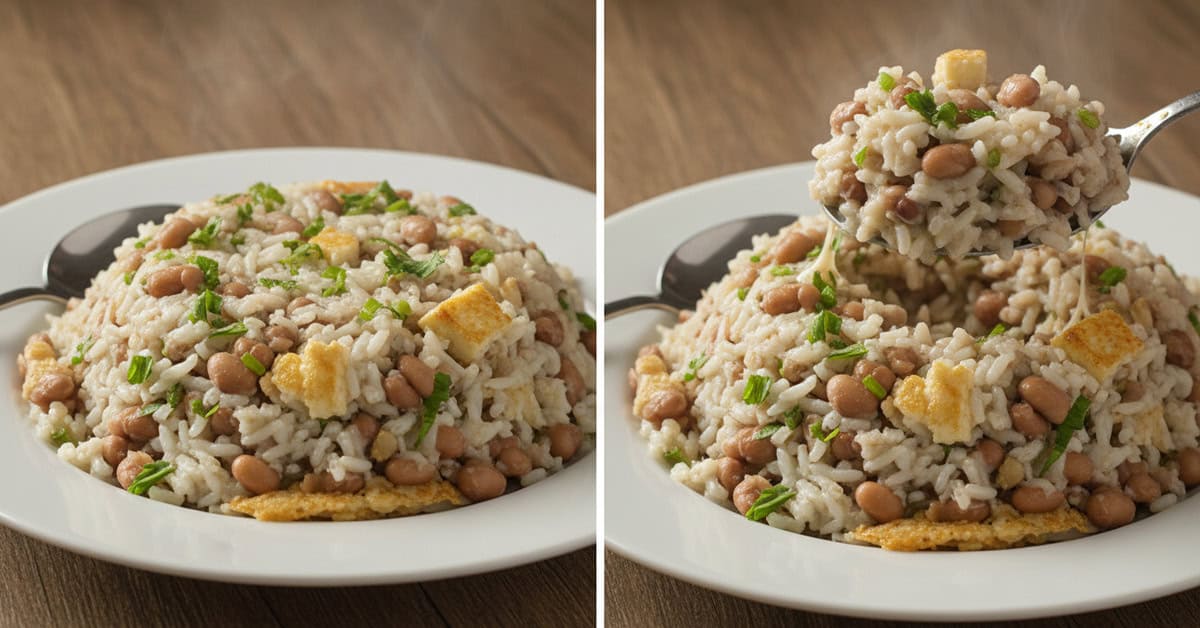

Baião de dois is a traditional dish from north-eastern Brazil that brings together rice, beans, salt-cured dried beef and queijo coalho, a firm Brazilian cheese. It reflects the richness of the region’s culture and cooking.
If you enjoy dishes with a story to tell and plenty of flavour, you’ll love baião de dois. This classic from north-eastern Brazil is easy to make, full of character and wins people over wherever it’s served. Why not find out more and try making it at home?
Ingredients for traditional baião de dois
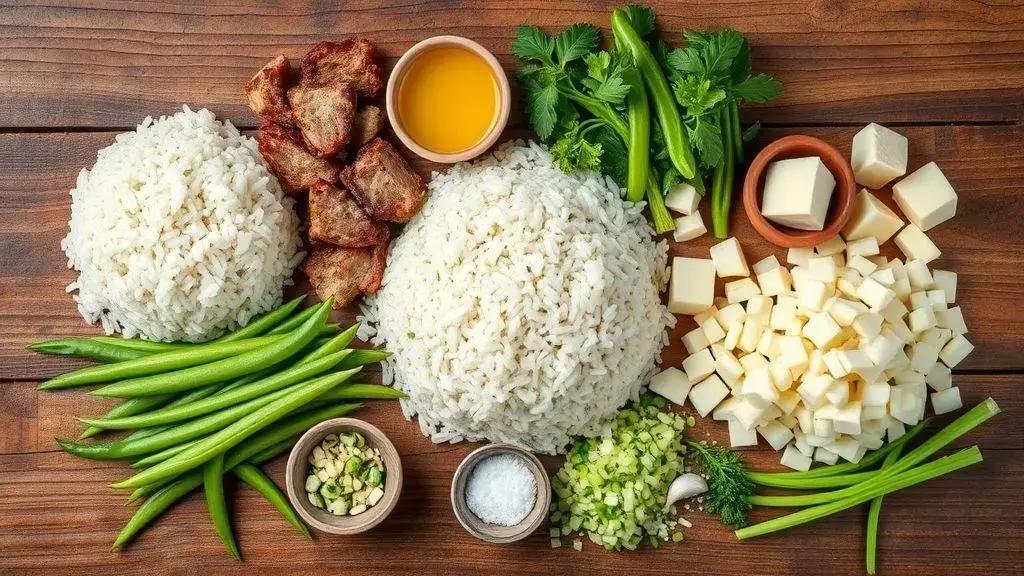
For a delicious traditional baião de dois, start with fresh, good-quality ingredients. Here’s what you’ll need:
- 1 cup of white rice – preferably a slender long-grain variety so it cooks evenly.
- 1 cup of fresh shelled cowpeas or black-eyed beans – the beans are one of the main ingredients in baião de dois. Some versions use carioca beans instead.
- 150 g of salt-cured dried beef with the excess salt removed – it gives the dish its distinctive savoury flavour. You can also use charque, another type of Brazilian salt-cured dried beef.
- 100 g of queijo coalho, cut into cubes – it gives the dish a texture and flavour typical of north-eastern Brazil.
- 1 medium onion, chopped – for the savoury base of the dish.
- 2 garlic cloves, chopped – they add aroma and deepen the flavour.
- 2 tablespoons of corn oil or red palm oil – for frying the onion and garlic and enriching the flavour of the dish.
- Fresh coriander and spring onions, to taste – these herbs give the dish a fresh finish.
- Salt and black pepper, to taste – adjust the seasoning to your liking.
How to make baião de dois step by step
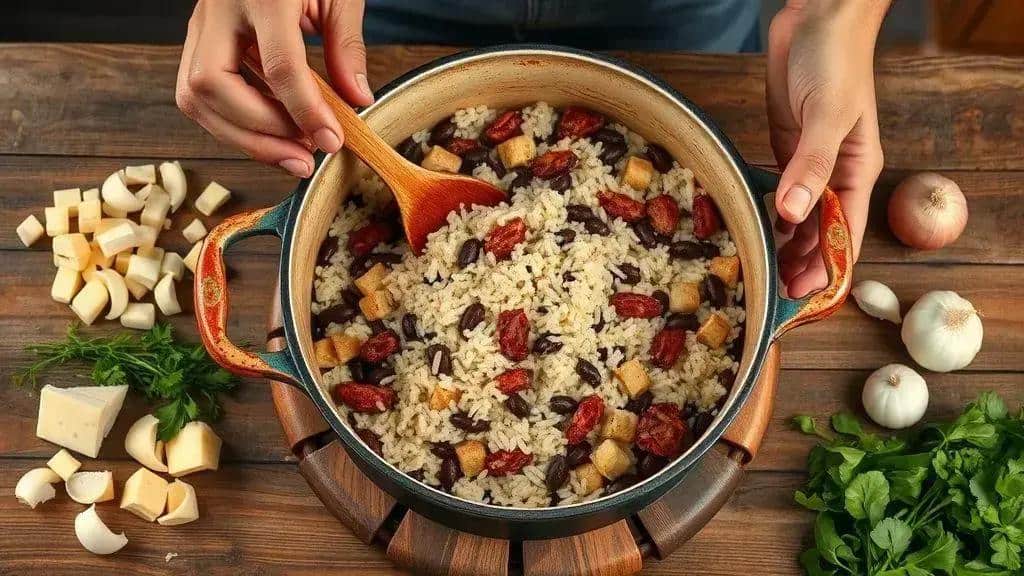
These simple steps will guide you through making traditional baião de dois, even if you’re new to cooking.
- Prepare the beans. Rinse 1 cup of fresh shelled cowpeas or black-eyed beans and pressure-cook for about 15 minutes, or until tender but still holding their shape. Reserve some of the cooking liquid.
- Start the rice. In a pan, fry 1 chopped medium onion and 2 crushed garlic cloves in 2 tablespoons of corn oil or red palm oil until golden.
- Add the beef. Cut 150 g of desalted dried beef into small pieces and fry with the onion and garlic until the meat is lightly browned.
- Stir in the beans and rice. Add the cooked beans with a little of their cooking liquid, then stir in 1 cup of white rice and mix well.
- Cook the rice and beans together. Season to taste with salt and black pepper. Cover and cook over a low heat for about 15 to 20 minutes, until the rice is tender and has absorbed the liquid.
- Add the queijo coalho and herbs. Just before turning off the heat, add 100 g of cubed queijo coalho and chopped fresh coriander and spring onions to taste. Stir gently so the cheese starts to melt while the cubes still hold their shape.
- Rest and serve. Turn off the heat and leave the baião de dois to rest for a few minutes with the lid on so the flavours can develop. Serve hot.
Regional variations of baião de dois
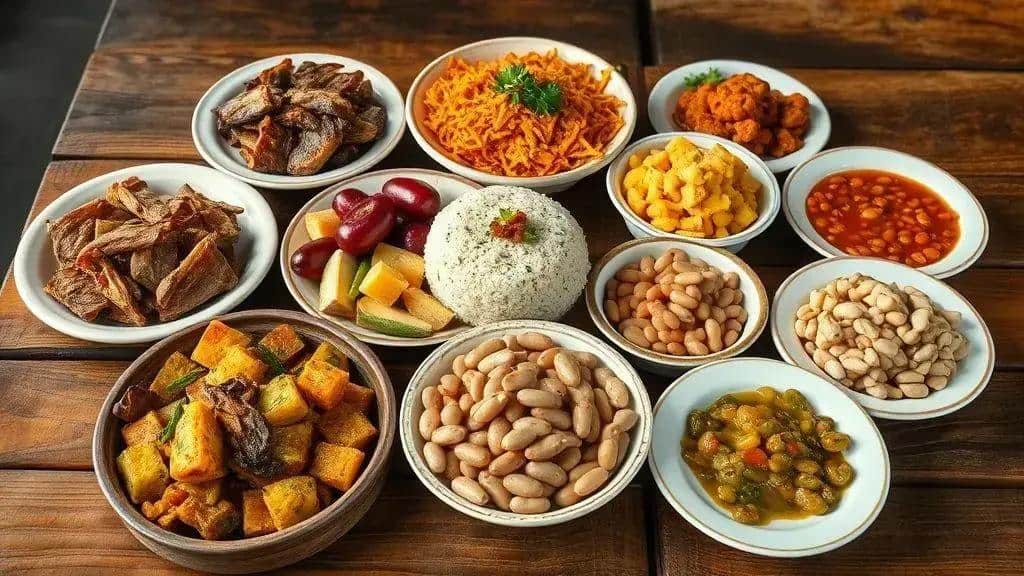
Baião de dois is popular throughout north-eastern Brazil. Its many variations reflect the local ingredients and cooking traditions of each area.
Paraíba style
In Paraíba, cooks usually use carne de sol, a lightly salt-cured beef, in place of the dried beef. It gives the dish a milder, slightly sweeter flavour. This version also tends to include more seasonings, such as fragrant pimenta-de-cheiro peppers and fresh coriander.
Ceará style
In Ceará, the dish can include buchada de bode, a traditional stuffed goat’s stomach, or other local cuts of goat, alongside the customary queijo coalho. Cooks often use coconut oil, which lends the dish a distinctive coconut aroma.
Pernambuco style
In Pernambuco, baião de dois is often served with charque and made with fresh shelled cowpeas or macassa beans. A local clarified butter known as manteiga de garrafa is also common and gives the dish a rich, buttery flavour.
Rio Grande do Norte style
In Rio Grande do Norte, cooks sometimes add chunks of pumpkin alongside the melted queijo coalho. As the pumpkin softens, it gives the dish a creamier texture and a little sweetness.
Modern adaptations
Some cooks now make vegetarian baião de dois, swapping the meat for vegetables and using tofu or plant-based cheese to give the dish a satisfying texture and rich flavour.
The stories behind baião de dois
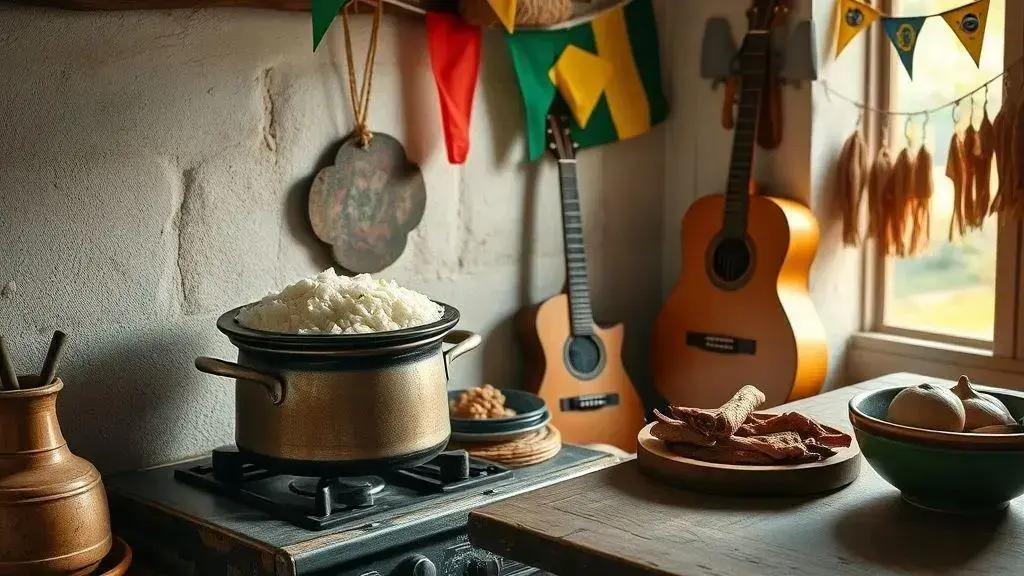
Baião de dois is more than a regional speciality. The stories and traditions surrounding it offer a glimpse into the culture of north-eastern Brazil.
Where the name comes from
The dish takes its name from baião, a dance from north-eastern Brazil that symbolises the coming together of the two main ingredients, rice and beans. This simple combination took on an identity of its own and became a symbol of the region.
Cultural influence
Beyond the dinner table, baião de dois has inspired songs, poetry and other forms of art, particularly through artists such as Luiz Gonzaga, who popularised the baião rhythm.
A place at local festivals
Baião de dois often features at the region’s traditional June festivals and other celebrations, where it brings families and communities together around the table.
How it’s traditionally made
Cooks often use local ingredients such as salt-cured dried beef and queijo coalho, which give baião de dois its distinctive flavour and regional character.
Recognition across Brazil
Baião de dois is now recognised far beyond its home region as a classic of Brazilian cooking. You’ll find it in restaurants across Brazil and even abroad.
Traditional dishes to serve with baião de dois
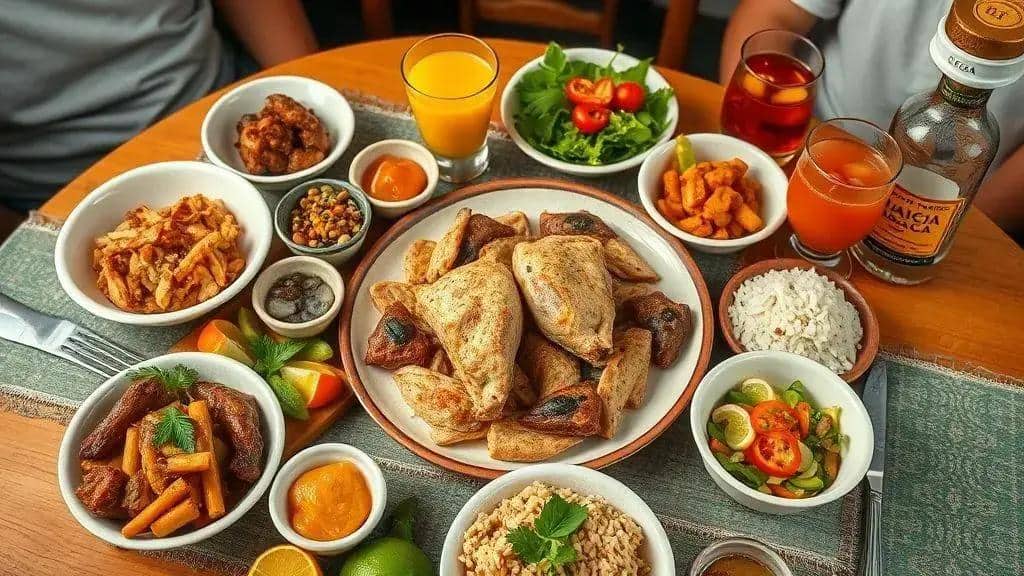
Baião de dois goes well with a wide range of dishes. The following pairings round out the meal and bring out the flavours of north-eastern Brazilian cooking.
Meat dishes to serve alongside
Baião de dois pairs particularly well with regional meats such as:
- Carne de sol – serve this lightly salt-cured beef griddled, fried or cooked in coconut milk for a creamier finish.
- Charque – this salted, dried beef traditionally comes with baião de dois and adds a rich, savoury flavour.
- Free-range chicken – serve it simmered or in a sauce for a lighter, flavoursome option.
Traditional accompaniments
Other accompaniments that go well with baião de dois include:
- Ora-pro-nóbis leaf salad – the tender, slightly tart leaves contrast with the rice and beans.
- Brazilian vinaigrette salsa – this refreshing accompaniment balances the strong flavour of the salt-cured dried beef.
- Buttered farofa or maize farofa – these toasted crumb mixtures add crunch and a traditional Brazilian flavour.
Soups and broths to serve alongside
If you enjoy soup or broth with baião de dois, try one of these:
- Caldo verde – the north-eastern Brazilian version of this green soup is made with collard greens and cassava.
- Pumpkin soup – its creamy texture and gentle sweetness complement the rice.
Traditional drinks
To round off the meal, try a regional drink such as:
- Cashew apple or acerola juice – both are refreshing and rich in vitamin C.
- Artisan cachaça – this traditional Brazilian sugar cane spirit makes a fitting accompaniment if you prefer an alcoholic drink.
A final word
Baião de dois is more than a recipe. It’s a celebration of the culture and flavours of north-eastern Brazil. Its simple ingredients and distinctive flavour win over the people who try it.
We hope this guide helps you enjoy this much-loved dish and prepare it at home with confidence and care.
Enjoyed this guide? Follow us on social media and keep up with the best recipes and tips on the Mestre das Receitas website. Thanks for visiting and see you next time!
Frequently asked questions about traditional baião de dois
What is baião de dois?
Baião de dois is a traditional dish from north-eastern Brazil made with rice, beans and local ingredients such as salt-cured dried beef and queijo coalho.
What are the main ingredients in baião de dois?
The main ingredients are rice, fresh shelled cowpeas or black-eyed beans, salt-cured dried beef with the excess salt removed, queijo coalho, onion, garlic, corn oil or red palm oil, fresh coriander, spring onions, salt and pepper.
Can I substitute any of the ingredients in the traditional recipe?
Yes. For example, you can use charque in place of the salt-cured dried beef, or carioca beans in place of the fresh shelled cowpeas, depending on what’s available.
What goes well with baião de dois?
Baião de dois goes well with regional meats such as carne de sol, charque and free-range chicken, as well as sides such as toasted farofa, Brazilian vinaigrette salsa and ora-pro-nóbis leaf salad.
Where does the name baião de dois come from?
The name refers to baião, a dance from north-eastern Brazil, and to the pairing of the two main ingredients, rice and beans.