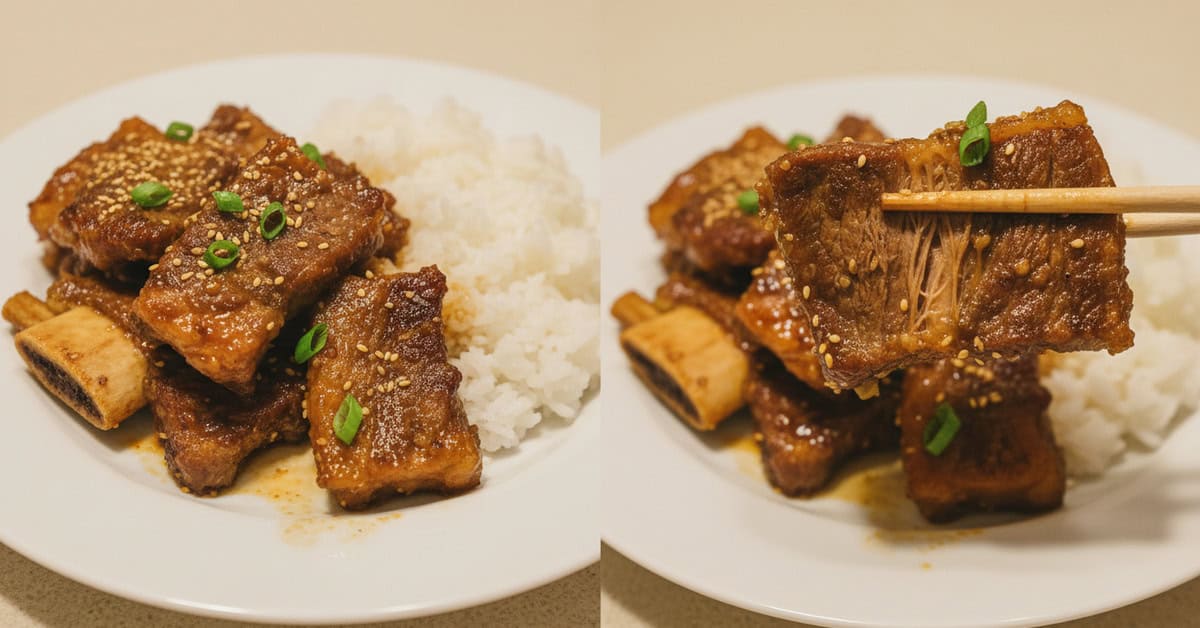

Galbi is a traditional Korean dish of marinated, grilled beef short ribs, prized for their rich flavour and juicy texture. Serve the ribs with rice, kimchi and grilled vegetables for a delicious, complete meal.
It’s easy to see why galbi, a traditional Korean grilled beef dish, wins people over. The juicy cuts of beef are carefully marinated and grilled to perfection. Eating galbi is an experience in its own right, a taste of Korean food culture. We’ll take you through everything from the essential ingredients to the method that gives the dish its exceptional flavour.
Galbi ingredients: the best cuts of beef
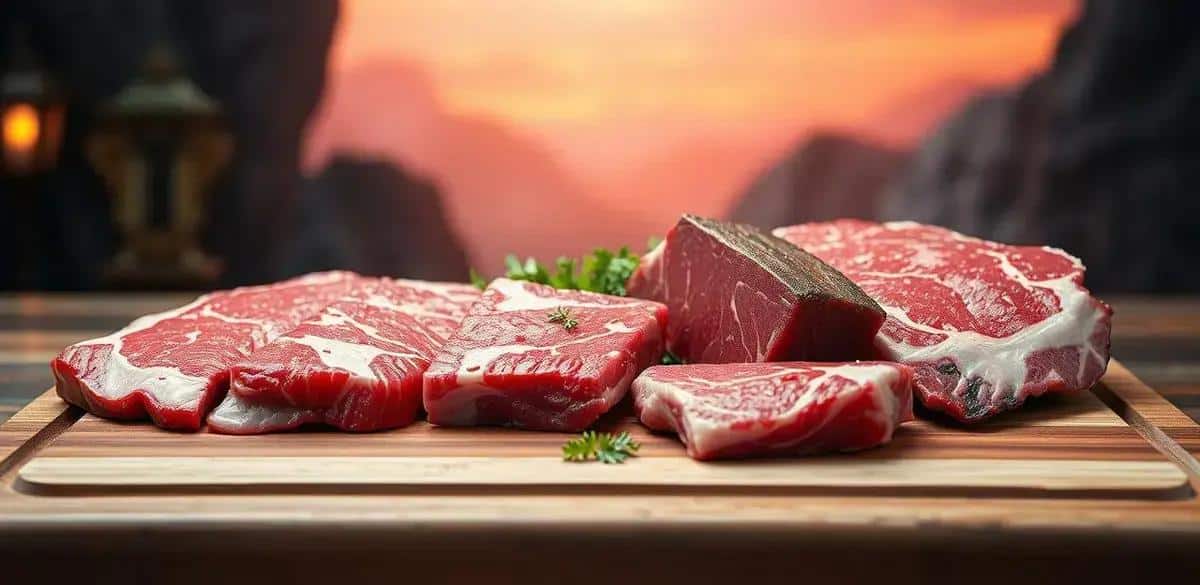
Good galbi starts with choosing the right cut of beef. The cuts most often used for this dish in Korean cooking are:
Beef short ribs
Beef short ribs are the traditional choice for galbi. Juicy and full of flavour, they’re ideal for grilling. The fat in the ribs helps keep the meat tender and gives it a rich flavour.
Rump cap
Rump cap, also known as picanha, is another excellent choice, with a good balance of lean meat and fat. Its rich, beefy flavour makes it a barbecue favourite.
Bavette steak
Bavette is a more affordable cut that’s just as tasty. It’s tender, has a distinctive flavour and takes on seasonings and marinades well, making it a popular choice.
Sirloin
Sirloin works well for galbi. It’s tender and has a moderate amount of fat, which helps keep the meat juicy as it cooks.
How to choose the beef
Look for fresh beef with a bright red colour and plenty of fine streaks of fat running through the meat. This marbling helps keep the galbi juicy and full of flavour on the grill.
How to make delicious galbi step by step
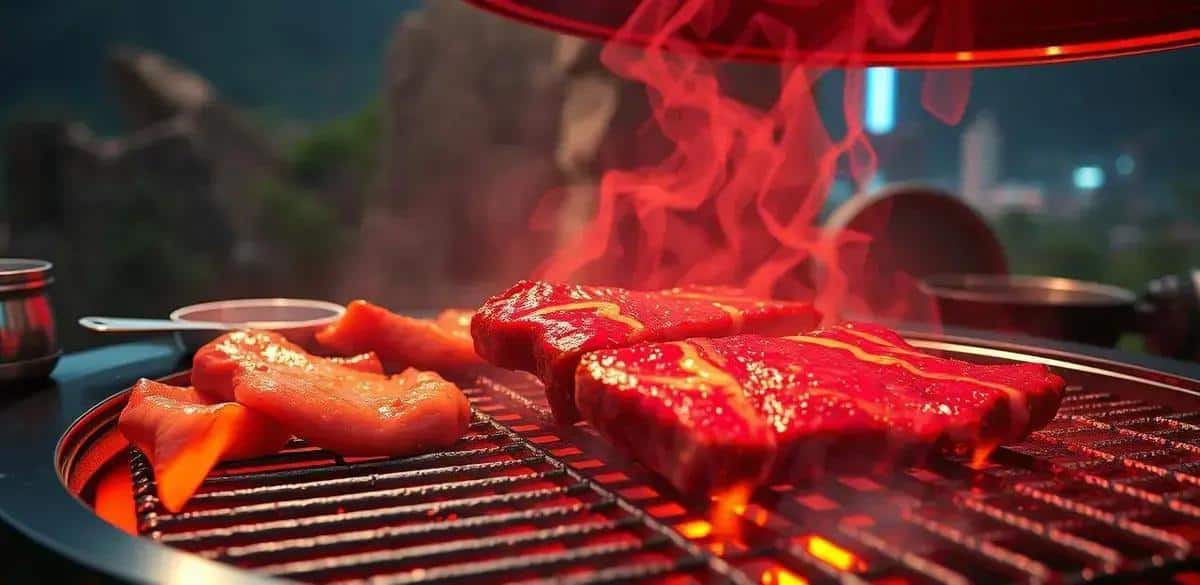
Follow these steps for juicy, flavourful grilled galbi.
Step 1: Make the marinade
In a bowl, mix the soy sauce, sugar, chopped garlic, grated ginger and onion. Together, they bring out the flavour of the beef.
Step 2: Marinate the beef
Coat the beef in the marinade and refrigerate for at least 2 hours or overnight.
Step 3: Heat the grill
Preheat the grill to a high heat. It needs to be hot enough to sear the outside of the beef quickly while the meat stays juicy.
Step 4: Grill the galbi
Grill the beef without crowding the grill. Allow about 4 to 5 minutes per side, adjusting the time according to thickness. Use a meat thermometer to check that the centre of the thickest part has reached 63 °C, keeping the probe clear of the bone.
Step 5: Rest the beef
Take the galbi off the grill and let it rest for 5 minutes. This gives the juices time to redistribute, leaving the meat tender and full of flavour.
Your grilled galbi is ready to serve and sure to impress!
How to marinate galbi for unbeatable flavour

The marinade is essential to galbi’s exceptional flavour. Here’s how to make a tasty, well-balanced marinade.
Marinade ingredients
You’ll need:
- 1/2 cup soy sauce
- 1/4 cup brown sugar
- 1/4 cup rice wine or pickled ginger
- 3 garlic cloves, chopped
- 2 tablespoons sesame oil
- 1 spoonful of grated ginger (the recipe does not specify the spoon size)
- 1 spoonful of grated onion (the recipe does not specify the spoon size)
- 1 spoonful of black pepper as a guide (the recipe does not specify the spoon size). Adjust to taste.
Making the marinade
Combine all the ingredients in a bowl and stir until the sugar dissolves. The sweetness of the sugar balances the saltiness of the soy sauce.
Marinating the beef
Place the beef in the marinade, making sure every piece is completely covered. If needed, use a resealable plastic bag to help the beef take on the flavours. Leave to marinate in the fridge for at least 2 hours, or ideally overnight.
Tips for the perfect marinade
The longer the beef marinates, the more flavour it takes on. Avoid leaving it in the marinade for too long, as the meat can become overly soft.
Getting ready to grill
Keep the beef in the fridge until the grill is hot. Lift it out of the marinade, let the excess drip off and place it straight on the grill.
Facts about galbi and the history behind the dish

There’s more to galbi than its delicious flavour. The dish originated in Korea and has a rich history in traditional Korean cooking. The name refers to the rib meat itself, and the way it’s prepared brings out its deep, beefy flavour.
The tradition of galbi
Galbi was traditionally served at weddings, festivals and other special occasions as a symbol of prosperity and celebration. It quickly grew in popularity and became a staple of Korean cooking.
Cultural influences
Different regions and cultures have shaped galbi over the years. In Seoul, for instance, the marinade tends to be a little sweeter, while in other regions it can be spicier, reflecting the variety in Korean cooking.
Galbi today
Today, galbi is one of the most popular dishes at Korean barbecue restaurants around the world. Grilling the meat at the table brings people together to cook and enjoy the meal.
Galbi’s versatility
Although galbi is traditionally made with beef, cooks today also make it with chicken or pork. This versatility helps explain why the dish remains popular across cultures.
What to serve with galbi for a complete meal

The right accompaniments turn grilled galbi into a complete meal. These dishes go particularly well with the beef.
Japanese rice (gohan)
Light and tasty, Japanese rice is a classic accompaniment that soaks up the juices from the meat. Cook it until the grains are tender and cling together, so they’re easy to enjoy with each bite of beef.
Kimchi
Kimchi, the well-known Korean fermented vegetable dish, is an excellent accompaniment. Its spicy, slightly sour flavour cuts through the richness of the galbi and balances the meal.
Radish salad
A refreshing radish salad cuts through the richness of the beef. Sliced radishes dressed with soy sauce and vinegar give the dish a crisp texture and a light, tangy flavour.
Grilled vegetables
Grilled vegetables such as courgettes, aubergines and peppers are another good choice. Grilling them alongside the galbi intensifies their flavour and adds colour to the plate.
Sesame sauce
To finish, you can serve a sesame sauce on the side. This creamy, flavourful sauce goes well with both the galbi and the vegetables, bringing out their flavours.
Thanks for joining us for this special recipe!
We hope you’ve enjoyed discovering what goes into this delicious Korean grilled beef. Now that you know how to make galbi, it’s time to fire up the grill and treat your family and friends to a meal they’ll remember.
Don’t forget to follow us on social media for more great recipes and cooking tips! You can also visit our Mestre das Receitas cooking website to catch up on everything that’s new. We’re here to help you get even more out of cooking!
Save this recipe and share it with the people you love. Let’s keep exploring the world of cooking together!
Frequently asked questions about galbi
What is galbi?
Galbi is a traditional Korean dish of marinated, grilled short ribs, known for their juicy texture and rich flavour.
Which cuts of beef are best for galbi?
Beef short ribs, rump cap, bavette and sirloin are the best choices for their flavour and tenderness.
How long should I marinate galbi?
Marinate the beef in the fridge for at least 2 hours, or leave it refrigerated overnight for a deeper flavour.
What goes well with galbi?
Japanese rice, kimchi, radish salad, grilled vegetables and sesame sauce all go well with galbi.
What is the history of galbi?
Galbi has a long history in Korean cooking and was traditionally served on special occasions such as weddings and festivals.
How do I grill galbi to perfection?
Get the grill hot. Thin cuts of beef take about 4 to 5 minutes per side, but the cooking time depends on their thickness. Check that the centre of the thickest part has reached 63 °C, keeping the thermometer probe clear of the bone, then let the beef rest for 5 minutes before serving.