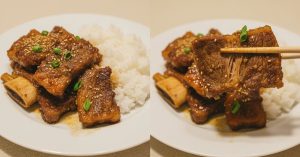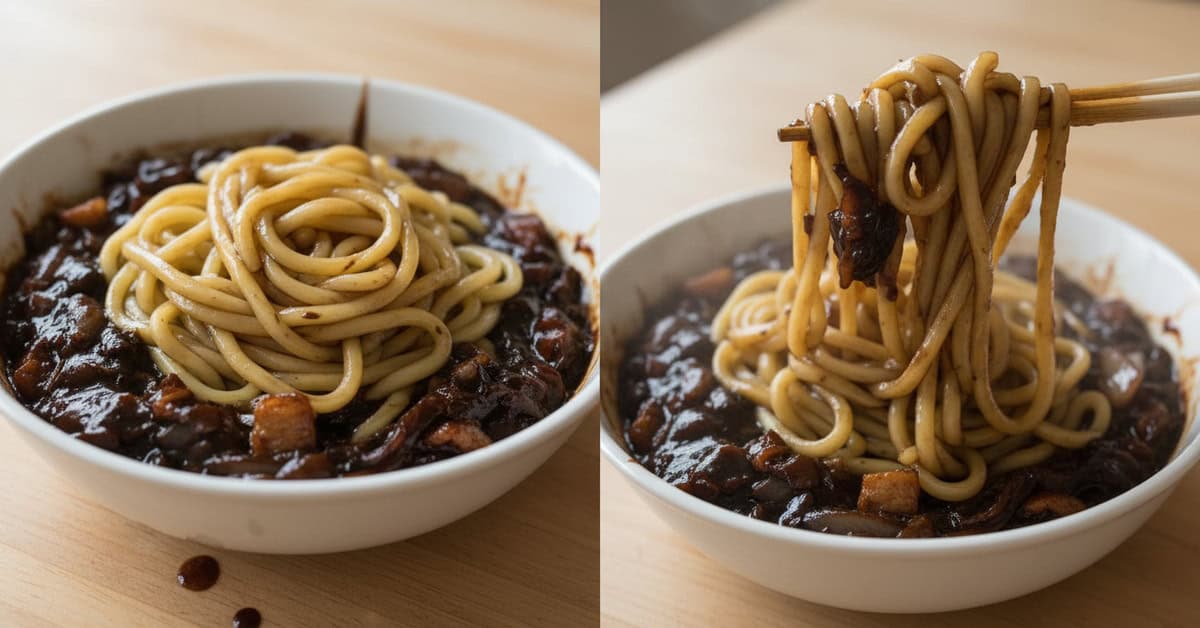

Jajangmyeon is a Chinese-Korean dish made with noodles, meat and vegetables. The traditional version has a dark sauce made with chunjang. This homemade adaptation uses doenjang, a brown fermented soya bean paste, and can be served with pickled turnip.
Jajangmyeon is a Korean dish loved for its distinctive combination of noodles and a savoury sauce. This recipe shows you a simple way to prepare it. From the essential ingredients to the cooking method, you’ll learn the tips and tricks you need to make a delicious jajangmyeon and impress your guests.
Ingredients for jajangmyeon
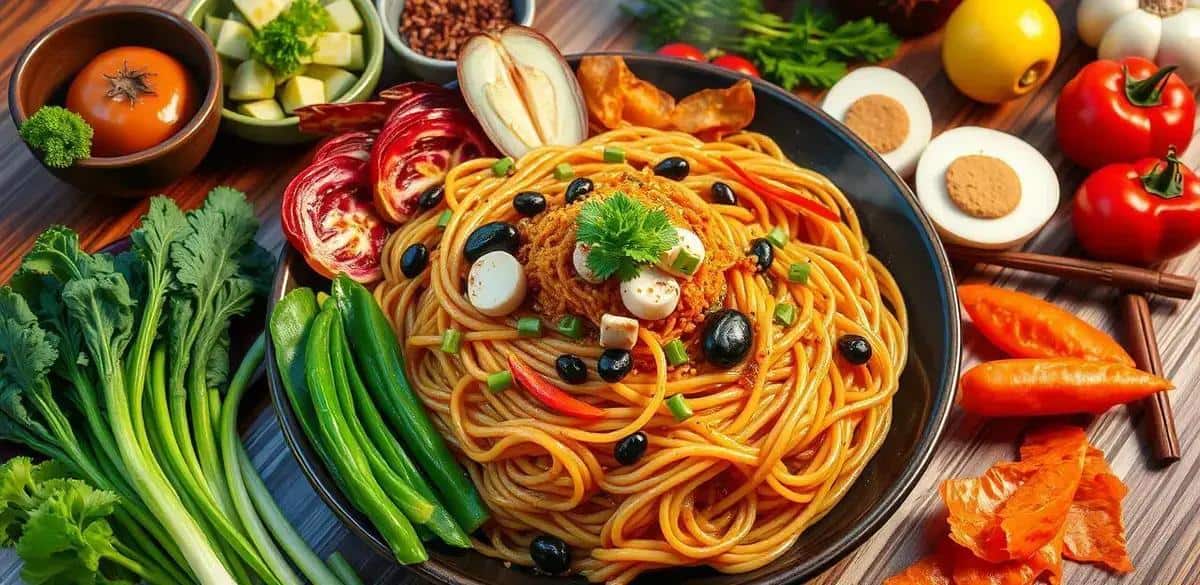
To make this homemade version of jajangmyeon with doenjang, gather the following ingredients.
- Jajangmyeon noodles: 250 g wheat noodles similar to udon.
- Pork: 150 g pork, cut into small cubes. Loin is the traditional cut.
- Onion: 1 large onion, diced.
- Courgette: 1 medium courgette, diced.
- Potato: 1 medium potato, cut into small pieces.
- Fermented soya bean paste: use 3 tablespoons of doenjang for this adaptation. The traditional black sauce for jajangmyeon uses a different paste called chunjang.
- Sesame oil: 2 tablespoons, for flavour.
- Sugar: 1 tablespoon, to balance the flavours.
- Water: 500 ml for the noodles and a further 250 ml for the sauce, added in separate steps.
- Spring onions: thinly sliced into rings, to garnish.
Choose fresh ingredients to bring out the flavour of your jajangmyeon. Once you have everything on the list, you’re ready to learn how to make this delicious dish.
How to make jajangmyeon
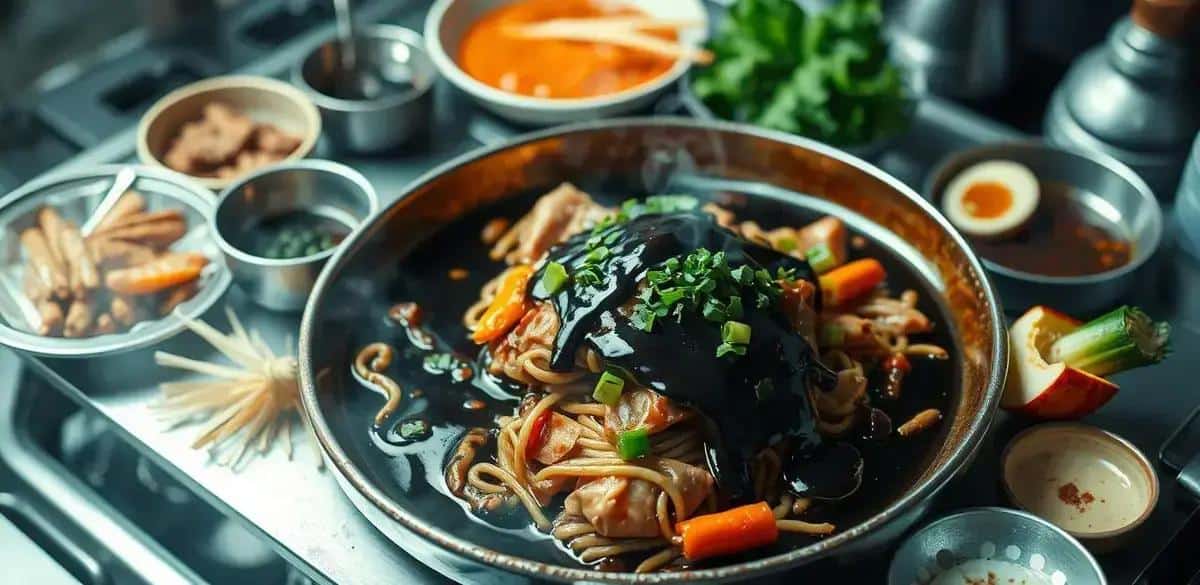
Now that you have all the ingredients for your jajangmyeon, it’s time to start cooking. Follow these steps for a delicious result:
- Cook the noodles: Bring 500 ml of water to the boil in a large saucepan. Add the wheat noodles and cook for about 5 to 7 minutes, or until al dente. Drain and set aside.
- Start the vegetables: Heat 2 tablespoons of sesame oil in a large frying pan over a medium heat. Add the diced onion and fry gently for about 3 minutes, until translucent.
- Add the pork: Add the diced pork to the frying pan and cook for about 5 minutes, stirring well, until golden brown.
- Add the remaining vegetables: Stir in the chopped potato and courgette. Cook for a further 5 minutes, stirring occasionally to prevent sticking.
- Make the sauce: add the fermented soya bean paste (doenjang) and the sugar and stir well. Pour in the 250 ml of water for the sauce and simmer over a low heat for about 10 minutes until the sauce thickens slightly.
- Combine the noodles and sauce: Add the cooked noodles to the jajangmyeon sauce and toss until well coated. Cook together for 2 minutes so the noodles absorb the flavour.
- Garnish and serve: Take the pan off the heat and transfer the jajangmyeon to a serving dish. Scatter the sliced spring onions over the top and serve with pickled vegetables on the side, if you like.
Follow these steps for a flavourful, authentic jajangmyeon to share at a family meal or serve when you want to impress friends.
Facts about jajangmyeon
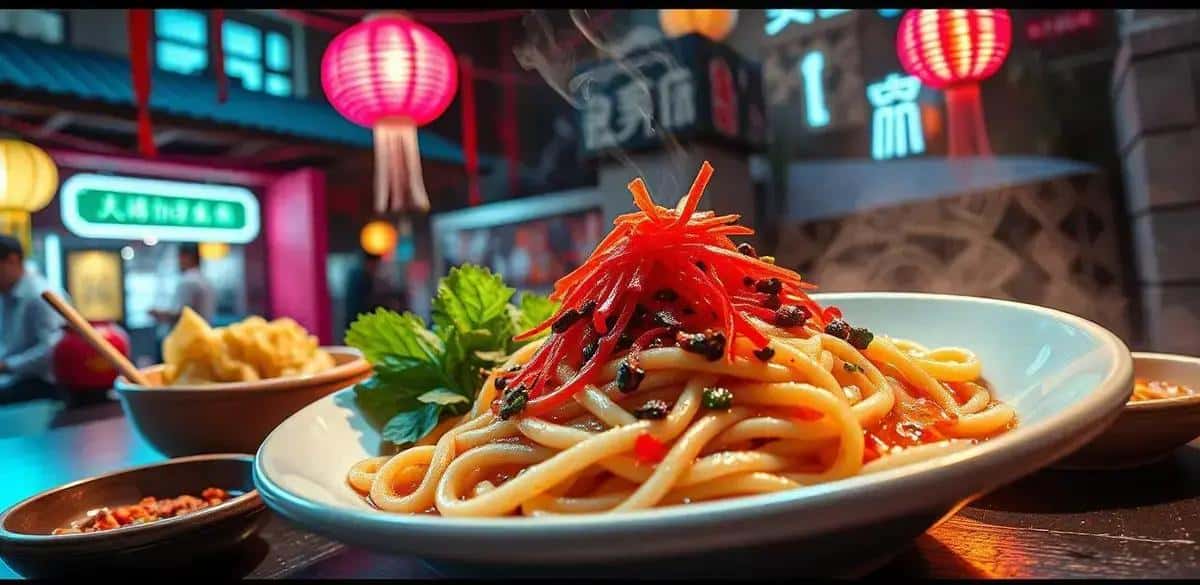
There’s a rich history behind this delicious noodle dish. Here are a few things you might like to know about jajangmyeon:
- Origins: Chinese immigrants introduced jajangmyeon to Korea in the late 19th century, particularly in the city of Incheon. Its roots lie in the Chinese noodle dish zha jiang mian.
- Comfort food: Jajangmyeon is a much-loved comfort food in Korea. Many people eat it on special occasions, including birthdays and family gatherings.
- Black Day: South Korea has an informal tradition known as Black Day. On 14 April, some single people eat traditional jajangmyeon with its black sauce.
- Variations: Pork is traditional, and vegetarian and seafood versions are just as popular in Korea.
- Accompaniments: Jajangmyeon is often served with pickled turnip, which balances the bold flavour of the sauce and provides a refreshing contrast.
- Popular culture: Jajangmyeon is so popular that it features in many Korean films and television dramas, where it often evokes feelings of nostalgia and comfort.
- Quick preparation: Many Korean households use ready-made sauce mixes for a quick jajangmyeon on busy days.
These facts help explain why jajangmyeon means more than a meal to many Koreans. It holds an important place in Korean culture and tradition.
How to make jajangmyeon sauce
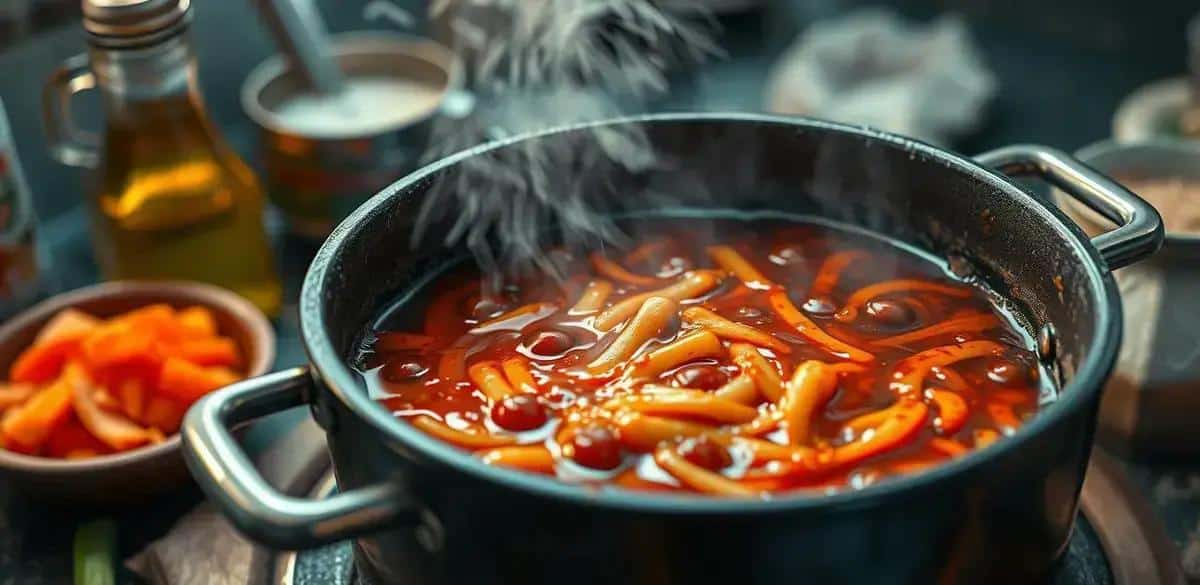
The sauce gives jajangmyeon its distinctive flavour. Here’s how to make it, step by step:
- For the sauce, you’ll need:
- 3 tablespoons of doenjang (brown fermented soya bean paste). The traditional black sauce is made with chunjang.
- 2 tablespoons of sesame oil
- 1 tablespoon of sugar
- 250 ml of water
- 1/2 tablespoon of soy sauce (optional, for extra flavour)
- Heat the oil: Warm the sesame oil in a medium saucepan over a medium heat to bring out its aroma.
- Fry the bean paste: Add the doenjang to the hot oil and fry for about 1–2 minutes to deepen its flavour.
- Add the sugar: Stir the sugar into the oil and doenjang to balance the saltiness of the sauce.
- Stir in the water: Gradually add 250 ml of water, stirring well to prevent lumps. This loosens the paste to form the base of the sauce.
- Finish the sauce: Bring the sauce to the boil, then reduce the heat. Simmer for 10 to 15 minutes, stirring occasionally, until it thickens slightly. Add a little soy sauce if you’d like a stronger flavour.
Once the sauce is ready, you can bring the jajangmyeon together. This rich sauce is the star of the dish.
Cooking tips for the best jajangmyeon

There’s an art to making great jajangmyeon. These cooking tips will help you get the best flavour from the dish:
- Choose fresh ingredients: Look for fresh vegetables and meat. Their freshness makes a real difference to the flavour of the finished dish.
- Keep an eye on the noodles: Take care not to overcook the wheat noodles. Cook them until al dente so they retain some bite when tossed with the sauce.
- Adjust the strength of the sauce: Vary the amounts of doenjang and sugar to suit your taste. Taste the sauce as it cooks and adjust until you’re happy with the flavour.
- Try an alternative to pork: Pork is the traditional choice, but you can use chicken instead, or tofu for a vegetarian version.
- Add some heat: If you like a little spice, stir chilli paste or red chilli into the sauce. It adds another layer of flavour.
- Serve with a side dish: Don’t forget the pickled turnip or kimchi. Both go well with jajangmyeon and provide a refreshing contrast to the sauce.
- Keep practising: Practice makes perfect. If your first attempt doesn’t turn out quite right, don’t be discouraged. Keep trying and adjust the recipe as you go.
With these tips, you’ll be well on your way to making a jajangmyeon that will impress family and friends.
The history of jajangmyeon

Jajangmyeon originated in Incheon in the late 19th century, where Chinese and Korean cooking traditions met. Chinese zhajiangmian was adapted to local tastes, and the best-known Korean version has a dark sauce made with chunjang.
Jajangmyeon first caught on in Incheon, where Chinese immigrants had settled. It soon became part of Korean food culture and was a particular favourite among workers and students.
In the 1960s, jajangmyeon became widely known across Korea. Restaurants specialising in the dish opened during this period, sparking a fresh wave of interest. Its flavour and affordability made it a popular choice for many families.
Today, jajangmyeon is a well-known Chinese-Korean dish. On Black Day, 14 April, some single people get together to eat noodles with black sauce.
Alongside its appeal as a tasty, affordable meal, jajangmyeon reflects the cultural influences that have shaped Korean cooking over the years. Its history shows how food can change and adapt over time.
How to serve jajangmyeon the traditional way
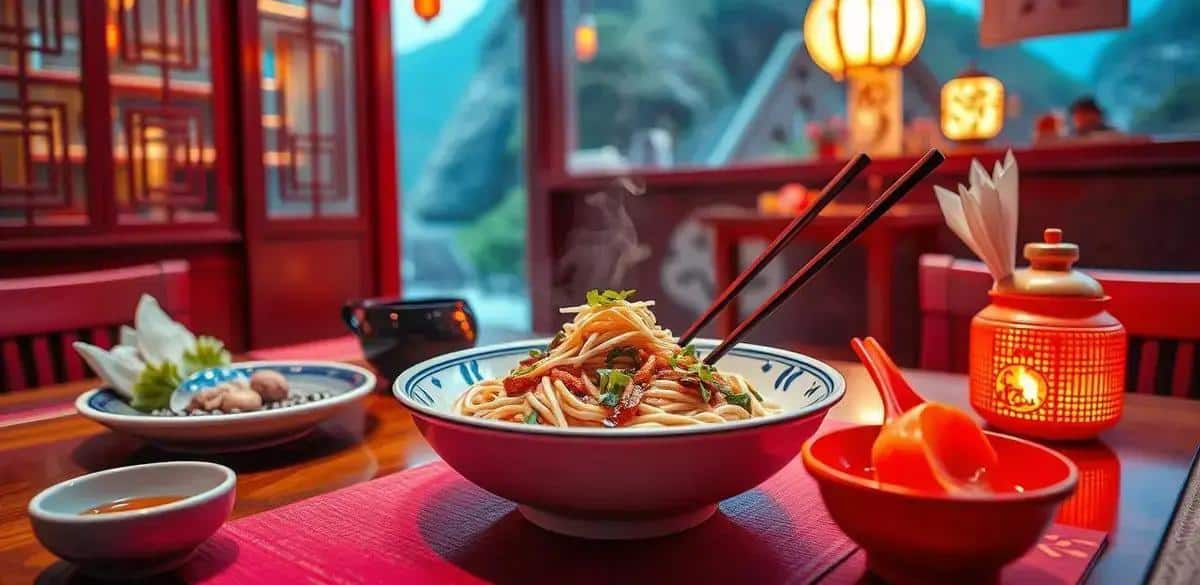
How you serve jajangmyeon is an important part of enjoying it in the Korean tradition. Here are a few tips:
- Choose ceramic dishes: Jajangmyeon is most often served in ceramic or earthenware dishes, which help keep the noodles warm for longer.
- Offer side dishes: Serve the jajangmyeon with pickled turnip to bring out the flavours of the dish. Kimchi also goes well with it.
- Garnish with spring onions: Scatter thin rings of spring onion over the noodles for colour and a mild, fresh flavour.
- Set out chopsticks: Eating jajangmyeon with chopsticks is common in Korea and is part of the traditional experience. Always place a clean pair beside the dish.
- Share at the table: Jajangmyeon is often served family-style. Put the serving dish on the table and let everyone help themselves.
- Take your time: Jajangmyeon is best enjoyed on a leisurely day or at a special meal to celebrate an occasion such as Jajangmyeon Day. Take time to savour each mouthful.
These serving suggestions will help you enjoy the full flavour of jajangmyeon and bring Korean dining traditions to your table.
Thank you for exploring jajangmyeon with us!
We hope you’ve enjoyed learning about this delicious Korean dish and feel ready to try it in your own kitchen. With our tips and recipes, you’re sure to impress family and friends!
Don’t forget to follow the Mestre das Receitas cookery website for more delicious recipes, cooking tips and much more! Join our community of cooks and share your love of cooking. You’ll find us on social media, where you’re always welcome!
Thanks for visiting, and see you next time!
Frequently asked questions about jajangmyeon
What is jajangmyeon?
Traditional jajangmyeon is a Chinese-Korean noodle dish served with a dark chunjang sauce, meat and vegetables. In this version, doenjang gives the sauce a brown colour and a different flavour.
What are the essential ingredients for jajangmyeon?
This recipe uses wheat noodles, pork, onion, courgette, potato and doenjang, a brown fermented soya bean paste.
How can I adapt my jajangmyeon recipe?
You can use chicken or tofu in place of the pork, or add your favourite vegetables to the dish.
Is jajangmyeon difficult to make?
No, jajangmyeon is fairly straightforward to make. With a little practice, you can make a delicious version at home.
How is jajangmyeon traditionally served?
Serve jajangmyeon in a ceramic dish with sides such as pickled turnip and kimchi. Eat it with chopsticks for the traditional experience.
Where does jajangmyeon come from?
Chinese immigrants brought jajangmyeon to Korea in the 19th century. Over the years it became a popular dish in Korean cuisine.