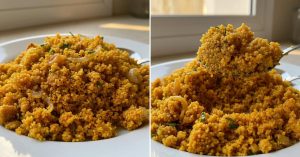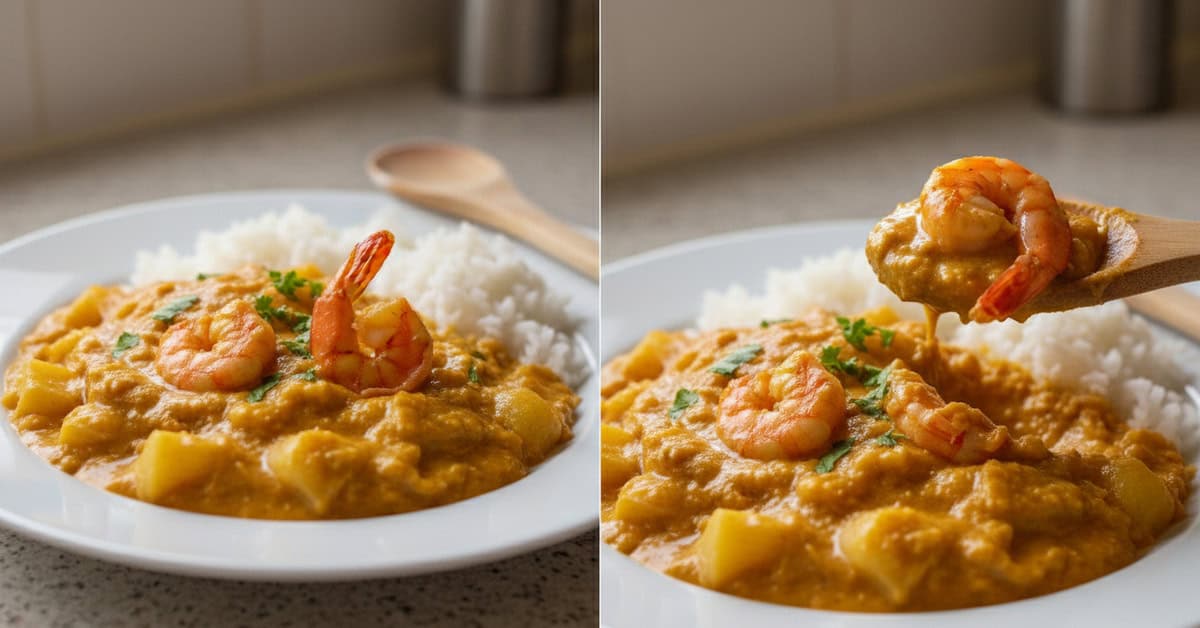

Bobó de camarão is a traditional Brazilian stew made with prawns, cassava purée and coconut milk. It is especially popular in Bahia and is known for its blend of Afro-Brazilian flavours. Typical accompaniments include rice, farofa (toasted cassava flour) and pirão (stock thickened with cassava flour).
Bobó de camarão is a traditional Brazilian dish loved for its bold flavour and irresistibly creamy texture. Fresh prawns and creamy cassava purée are a combination that makes the dish a firm favourite in Brazil. We’ll look at the ingredients, show you how to make the stew and share a few interesting facts about this part of Brazil’s culinary heritage.
Ingredients for bobó de camarão
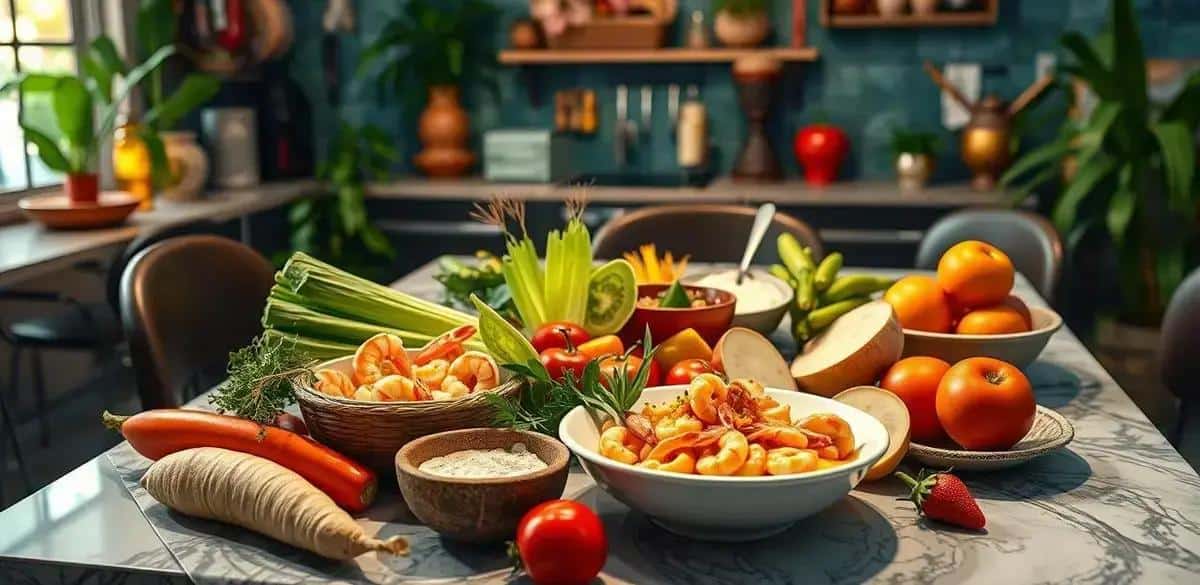
Start with fresh, flavourful ingredients. Here’s what you’ll need to make bobó de camarão.
- 500 g peeled and deveined prawns – choose fresh prawns for the best flavour.
- 500 g cassava – cook and mash it to make a creamy purée.
- 1 medium onion, chopped – adds depth of flavour.
- 2 garlic cloves, chopped – to flavour the stew.
- 1 red pepper, chopped – adds colour and flavour.
- 400 ml coconut milk – gives the stew its creamy texture.
- 2 tablespoons red palm oil (dendê oil) – gives the stew its distinctive flavour.
- Salt and pepper to taste – to season.
- Coriander and spring onions to taste – for a fresh finish.
Make sure all your ingredients are fresh and ready to use. It makes all the difference to the flavour of your bobó de camarão.
How to make bobó de camarão
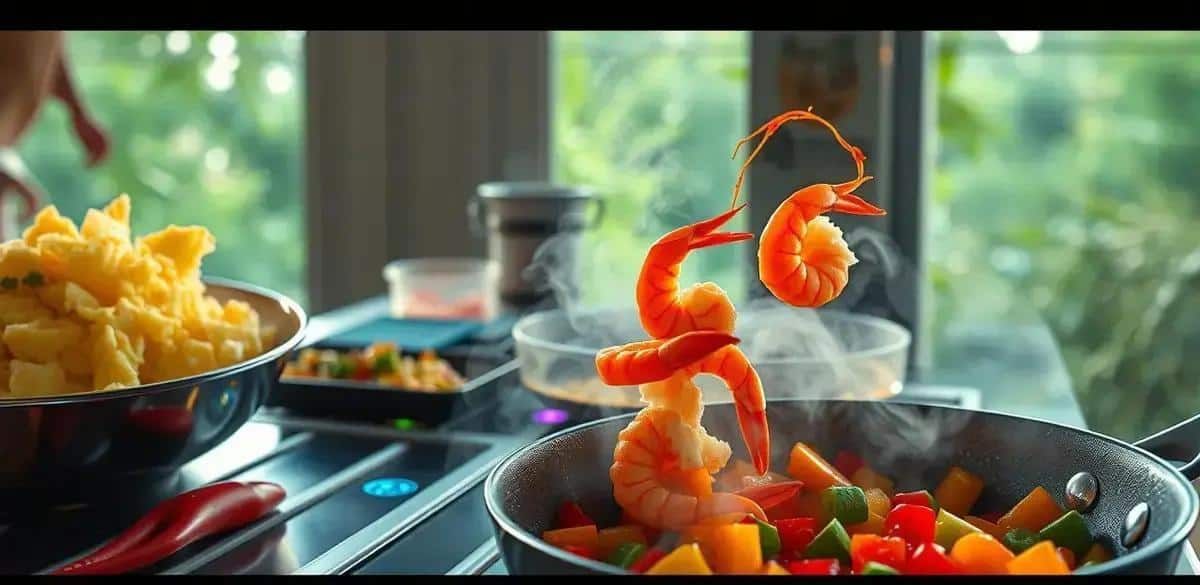
Follow these steps to make bobó de camarão.
1. Cook the cassava
Peel the cassava and cut it into pieces. Place in a saucepan of water and boil for about 20 minutes or until very tender. Drain, then mash to a smooth purée.
2. Cook the prawns
Heat a little red palm oil in a large frying pan and add the prawns. Cook for about 3 to 4 minutes, until the flesh is firm, pearly and opaque in the centre. Remove from the pan and set aside.
3. Sauté the vegetables
Add a little more red palm oil to the same pan if needed. Sauté the onion and garlic until golden, then add the red pepper and stir well.
4. Bring the stew together
Return the prawns to the pan and add the cassava purée, followed by the coconut milk. Stir gently to bring the flavours together. Season to taste with salt and pepper.
5. Finish the stew
Cook over a low heat for about 10 minutes, stirring occasionally to prevent sticking. Finish with chopped coriander and spring onions for freshness.
6. Serve the bobó de camarão
Serve the stew hot with white rice and, if you like, pirão made with stock from the prawns.
Tips for a perfect bobó de camarão

For the best flavour and texture, keep these tips in mind.
1. Choose fresh prawns
Fresh prawns are essential for the flavour and texture of the stew. Buy them from a fishmonger you trust.
2. Cook the cassava until tender
Cook the cassava until very tender. This makes it easy to mash into a smooth, creamy purée.
3. Choose good-quality coconut milk
The quality of the coconut milk makes all the difference to the stew’s creamy texture. Use fresh coconut milk or choose a good-quality brand. Avoid heavily processed varieties.
4. Season gradually
Add salt and pepper a little at a time, tasting after each addition so the stew doesn’t become too salty or peppery.
5. Red palm oil is essential
Red palm oil gives bobó de camarão one of its signature flavours. Don’t substitute another oil.
6. Finish with fresh herbs
Always finish with fresh coriander and spring onions for extra flavour, freshness and colour.
Facts about bobó de camarão

Bobó de camarão has both a distinctive flavour and a rich cultural history. Here are a few facts about the dish.
1. Afro-Brazilian origins
Bobó de camarão has its roots in Afro-Brazilian cooking and is especially popular in Bahia. It brings together African and Indigenous culinary traditions.
2. Where the name comes from
According to the Brazilian dictionary Michaelis, the word bobó is of Jeje origin. In bobó de camarão, mashed cassava forms the creamy base of the dish.
3. A variety of ingredients
Alongside the prawns, traditional recipes can include fish and other seafood, giving rise to a range of regional variations.
4. A blend of flavours
Coconut milk and red palm oil give the stew its distinctive flavour and creamy texture.
5. A dish for celebrations
Often served at parties and celebrations, bobó de camarão has become a symbol of Bahian cooking and Brazilian hospitality.
6. What goes well with the stew
The stew is usually served with white rice or farofa. Both complement its flavours, and farofa adds crunch.
What to serve with bobó de camarão
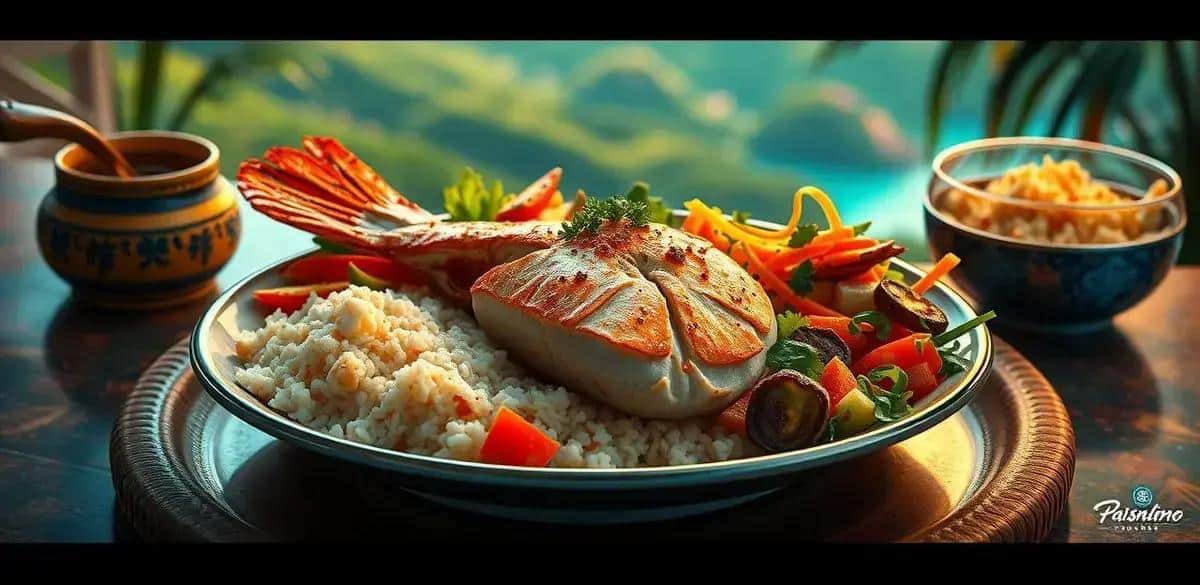
The right accompaniments can bring out even more of the stew’s flavour. Here are a few suggestions.
1. White rice
White rice is a classic partner for bobó de camarão. Its light texture balances the creaminess of the stew.
2. Farofa with red palm oil
Farofa made with red palm oil adds crunch and a distinctive flavour that complements the prawn stew. Try adding grated carrot and onion for extra flavour.
3. Tropical salad
A tropical salad of green leaves, pineapple and mango makes a fresh accompaniment with a lovely contrast of flavours.
4. Pirão
To make pirão, thicken some of the broth from the stew with cassava flour. Its velvety texture complements the stew beautifully.
5. Chilli sauce
Serve homemade chilli sauce on the side so everyone can add as much heat as they like.
6. Boiled sweet potato
Boiled sweet potato is another healthy option. Its gentle sweetness goes well with the flavours of the stew.
The history of bobó de camarão

Bobó de camarão is one of Brazil’s signature dishes, particularly in the north-east. Its origins reflect the mix of cultures that shaped the country.
1. African influences
In Bahia’s Afro-Brazilian cooking, African culinary traditions met Indigenous ways of preparing cassava, a plant native to South America. The oil palm has African roots. In this dish, red palm oil and coconut milk flavour and enrich the cassava purée.
2. How the dish evolved
Over time, different versions of the dish developed across Brazil’s states. In Bahia, where it is best known, bobó de camarão is often prepared for parties and celebrations.
3. The cassava purée
Cassava, also known in Brazil as aipim, is cooked and mashed before being stirred into the sauce. That creamy base is a hallmark of bobó de camarão and reflects the meeting of culinary traditions in Bahia.
4. Popularity
Today, Brazilians enjoy bobó de camarão at parties and events and as an everyday meal. It is a symbol of hospitality and a celebration of the culture of north-eastern Brazil.
5. A part of Brazil’s cultural heritage
In many regions, bobó de camarão is seen as part of the local cultural heritage. It reflects Brazil’s rich culinary history and the traditions of the peoples who shaped its cooking.
Let’s finish on a flavourful note!
Bobó de camarão is a recipe that celebrates Brazil’s rich culture. We hope you feel inspired to make it and to discover more of what Brazilian cooking has to offer!
Thank you for joining us to explore bobó de camarão. Remember to share how yours turned out on social media and keep up with the latest from our Mestre das Receitas food blog! We love hearing from you!
Follow us and join our community of keen cooks. Together we’ll keep exploring the secrets and flavours of Brazilian cooking!
Frequently asked questions about bobó de camarão
What is bobó de camarão?
Bobó de camarão is a traditional Brazilian dish, particularly associated with Bahia, made with prawns, cassava purée and coconut milk.
What are the main ingredients in bobó de camarão?
The main ingredients are prawns, cassava, coconut milk, onion, garlic, red pepper and red palm oil.
How can I give my bobó de camarão more flavour?
Use fresh prawns and good-quality coconut milk, season with salt and pepper, and finish with coriander and spring onions.
Where does bobó de camarão come from?
Bobó de camarão has Afro-Brazilian roots and reflects the rich mix of cultures that shaped Brazilian cooking.
Can I freeze bobó de camarão?
Yes, you can freeze bobó de camarão. For the best flavour and texture, eat it within 2 months.
Which side dishes go well with bobó de camarão?
White rice, farofa and pirão all go well with the stew, while a tropical salad brings freshness to the meal.