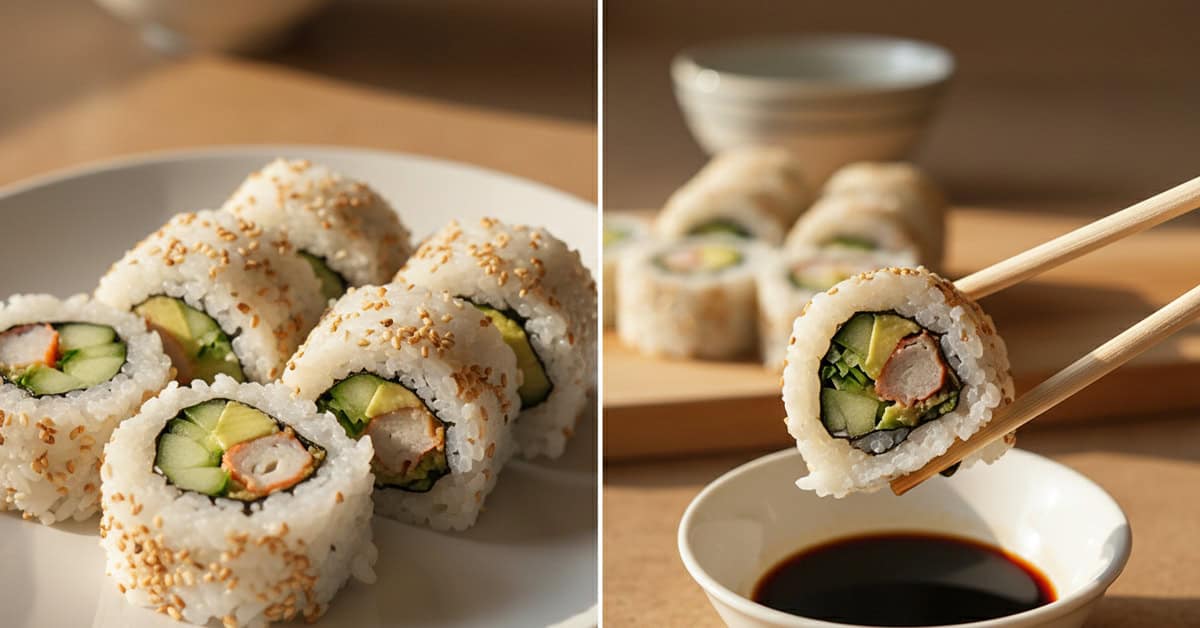

The California roll is a West Coast sushi roll made uramaki-style, with seasoned rice on the outside and nori wrapped around a filling of kani (crab sticks) or crab meat, avocado and cucumber. It’s versatile and easy to make at home, with spicy, tempura and vegetarian variations.
The California roll is a creamy, approachable style of sushi that has won fans around the world. Want to learn how to roll this crab and avocado classic, explore the variations and avoid common mistakes? I’ll guide you through each step and share the chef’s tricks and practical tips for making restaurant-quality rolls at home.
California roll ingredients
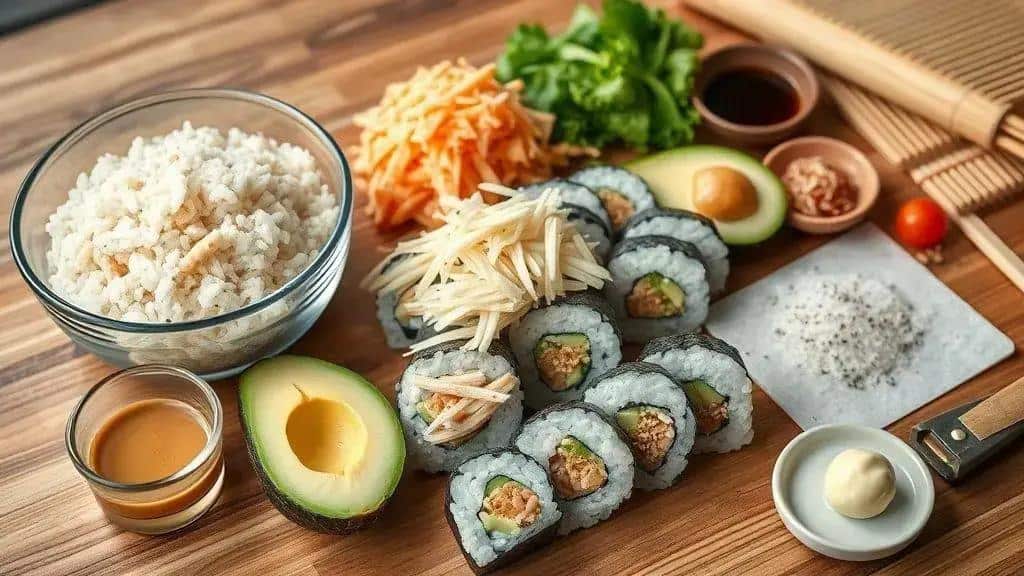
Before you start, measure out the ingredients for your California rolls. Each one is listed separately so you can check what you have and see what you can use instead.
- 240 g sushi rice (1 cup). Cook the rice and season it with vinegar. Japanese short-grain rice also works.
- 60 ml rice vinegar (4 tablespoons), mixed with 1 tablespoon of sugar and 1/2 teaspoon of salt to season the rice.
- 200 g kani (surimi crab sticks) or flaked crab meat. Cooked crab meat gives a more authentic flavour, while kani is a more affordable option.
- 1 ripe avocado, thinly sliced. If you can only find unripe avocados, choose a firm one and let it ripen before slicing.
- 1/2 Japanese cucumber, deseeded and cut into thin strips. A peeled standard cucumber works too.
- 4 sheets of toasted nori to wrap the sushi. Use less nori for smaller rolls.
- 2 tablespoons of Japanese mayonnaise (Kewpie), optional. Mix it into the kani for a creamy filling. You can also use regular mayonnaise or low-fat Greek yoghurt.
- 1 tablespoon of toasted sesame seeds, to scatter over the rice or add to the filling. Use black sesame seeds for a contrasting colour.
- Soy sauce, to taste, for serving.
- Pickled ginger and wasabi, to serve alongside. The ginger cleanses the palate and the wasabi adds heat.
- A bamboo rolling mat (makisu) to shape the sushi. You can cover it with cling film to stop the rice sticking.
Practical ingredient swaps
For a vegetarian version, swap the kani for batons of smoked tofu or strips of roasted pepper. For fewer calories, use light mayonnaise or leave it out and add a little plain yoghurt. If you have no rice vinegar, mix white wine vinegar with an extra pinch of sugar.
Keep your hands damp whenever you handle the rice. This stops it sticking to your fingers and makes it easier to shape a neat roll.
How to make California rolls
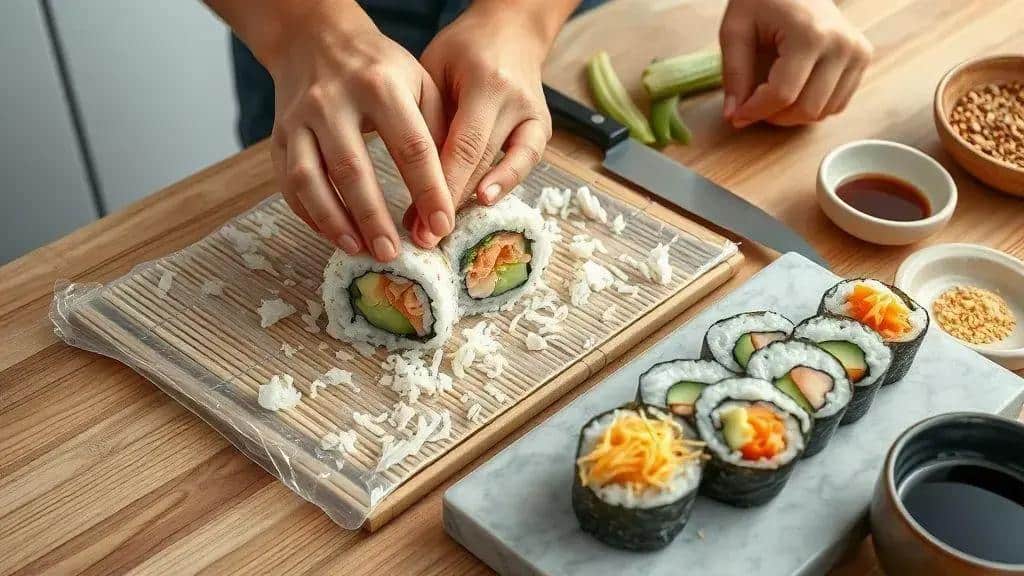
Before you start, have the cooled, seasoned rice, nori, kani (or cooked crab), sliced avocado and cucumber strips ready. Cover a bamboo mat with cling film to make rolling easier.
How to assemble a California roll step by step
- Rinse 240 g of sushi rice until the water runs clear. Cook with 300 ml of water in a saucepan or rice cooker for 12–15 minutes, then leave to rest for 10 minutes.
- Mix 60 ml of rice vinegar with 1 tablespoon of sugar and 1/2 teaspoon of salt. Fold the seasoning into the rice while it’s still hot, using a cutting motion and fanning the rice to cool it.
- Flake 200 g of kani or cooked crab. Thinly slice 1 ripe avocado and cut 1/2 Japanese cucumber into fine strips. If you like, mix the kani with 2 tablespoons of Japanese mayonnaise.
- To make uramaki, with the rice on the outside, lay a sheet of nori shiny side down on the mat. Wet your hands and take about 60 g of rice. Spread it evenly over the nori, leaving a 1 cm strip bare along the top edge.
- Cover the rice with cling film and carefully turn the whole sheet over so the rice rests on the film. Gently ease the film away from the rice, keeping the nori facing upwards.
- Arrange the seasoned kani in a line 2 cm from the edge nearest you. Lay the cucumber strips and avocado slices on top, taking care not to overfill the roll.
- Lift the edge of the mat and roll firmly, applying even pressure to form a compact cylinder. Squeeze the mat gently as you go to help the roll hold its shape.
- Sprinkle 1 tablespoon of toasted sesame seeds over the rice, or coat the outside with a little fish roe if you like. Wrap in cling film and chill for 10 minutes to firm up.
- Use a very sharp knife to cut the roll into 6–8 slices, wetting the blade between cuts. Use a gentle sawing motion so you don’t squash the roll.
- Arrange the slices on a plate with pickled ginger, wasabi and soy sauce on the side. For the best texture, enjoy the rolls lukewarm or slightly cool.
Keep your hands damp when handling the rice, avoid runny fillings and choose just-ripe avocados for neat slices. For a vegetarian version, replace the kani with strips of marinated tofu or roasted pepper.
California roll variations
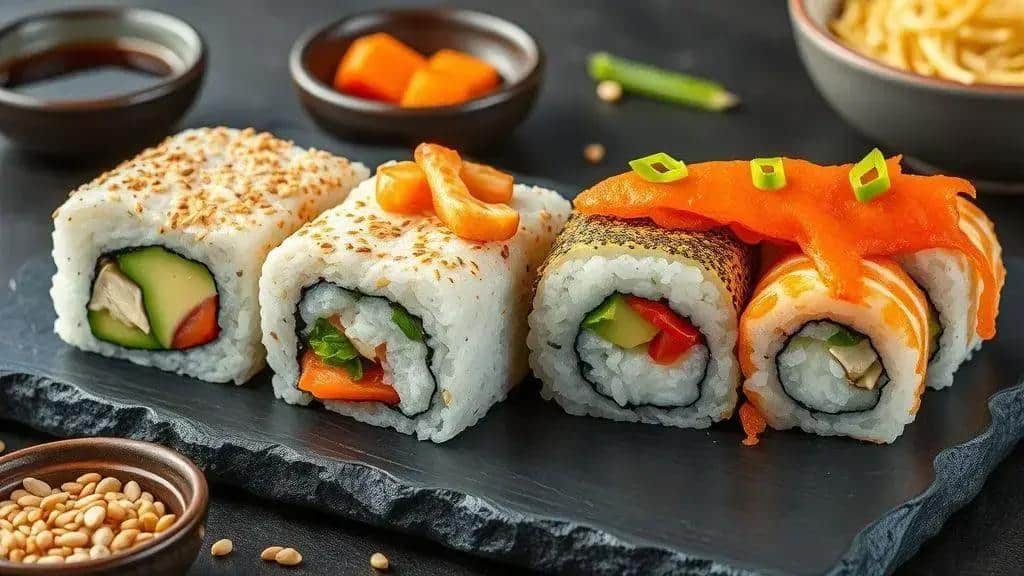
Try a different take on the California roll while keeping the essentials in place. Start with seasoned rice and nori, then choose fillings that balance one another.
- Classic kani and avocado – mix flaked kani with Japanese mayonnaise, then add avocado slices and cucumber strips. For a more authentic flavour, use cooked crab meat in place of kani.
- Prawn tempura – fill the roll with crisp, battered and fried prawns, avocado and spicy mayonnaise. Drain the prawns well so the oil doesn’t soften the rice.
- Spicy California roll – mix kani or crab with sriracha mayonnaise and top with chopped spring onion and fish roe. Adjust the heat to taste.
- Vegetarian roll – fill with strips of smoked tofu or vegetable tempura, avocado and cucumber. Try tahini or Greek yoghurt in place of mayonnaise for a lighter finish.
- Vegan brown rice roll – replace the white rice with brown rice or finely chopped cauliflower and fill with strips of roasted pepper and avocado. Use a little extra vinegar to balance the flavour of the brown rice.
- Crab and herb roll – lemon zest and chopped fresh coriander give fresh crab meat a bright citrus and herbal aroma. Serve with ponzu to bring out the flavour of the crab.
- Crunchy roll – scatter crisp tempura flakes or fried panko crumbs over the rice for a crunchy contrast to the filling.
How to adapt the fillings and sauces
Keep an eye on the moisture in your filling. If it’s too wet, the roll can lose its shape. Serve sauces on the side so everyone can choose how much to use. With real crab meat, try Japanese mayonnaise with a squeeze of lemon, or soy sauce with grated ginger.
When trying a new variation, start with smaller rolls. This makes it easier to adjust the proportions and slice the rolls without them falling apart.
Tips for choosing crab and avocado
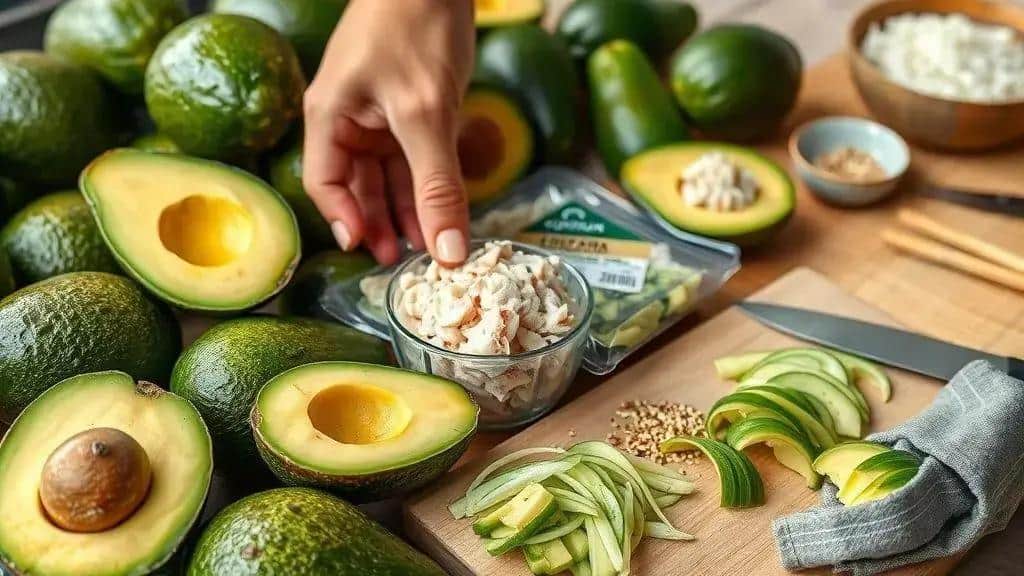
The right crab and avocado give a California roll better flavour and texture and make it easier to assemble.
Choosing between kani and real crab meat
- When buying kani (surimi), choose sealed packs with no noticeable odour. Check the use-by date and look for varieties low in preservatives.
- Cooked crab meat should be glossy and white with hints of pink. It should have a faint scent of the sea and should never smell strong or sour.
- When buying frozen crab, avoid packs with excessive ice or large ice crystals, which can indicate that the crab has thawed and been refrozen.
- Crab meat should be firm and come apart in strands. Kani tends to be springier and more uniform in texture.
- Choose suppliers who explain how their crab is sourced. Look for certification or a label indicating responsible fishing practices.
- Defrost slowly in the fridge for 8–12 hours and pat dry thoroughly before use so the rice doesn’t become soggy.
How to choose an avocado
- Hass avocados are ideal for their creamy texture and rich flavour.
- Press gently with your thumb. A ripe avocado should give a little without feeling soft. If it feels very firm, give it more time to ripen.
- Darker, slightly wrinkled skin can indicate that an avocado is nearly ripe, though the colour varies with the variety.
- Remove the small stalk and look underneath. Green indicates a ripe avocado, while brown can mean it’s overripe.
- To speed up ripening, put the avocado in a paper bag with an apple or banana for 1–2 days.
- Ripe avocados will keep in the fridge for 2–3 days. Leave firm avocados at room temperature until they reach the ripeness you want.
- Brush the slices with lemon juice and keep them in an airtight container. Leaving the stone in an avocado half helps limit browning where it covers the flesh.
- For neat slices, cut the avocado lengthways, twist the halves apart and carefully remove the stone. Use the edge of a spoon to slice the flesh, or slice it while it’s still in the skin and then scoop it out.
For neat rolls, use just-ripe avocados that are still slightly firm, and pat the crab filling dry to remove excess moisture.
Fun facts about the California roll
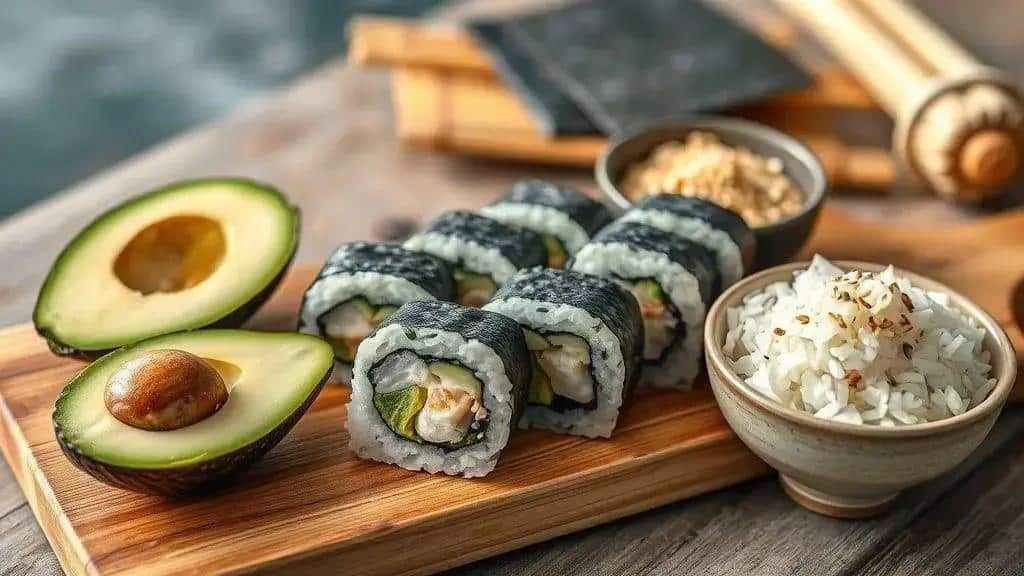
- The California roll originated on the West Coast of the United States in the 1960s or 1970s. It was created to appeal to Western tastes.
- The name ‘California’ reflects the roll’s popularity in the state and its use of fresh local ingredients, particularly avocado.
- Avocado replaced raw ingredients in some versions. Its creamy texture helped introduce the roll to a wider audience.
- Most restaurants use kani (surimi) because it costs less and keeps well. Real crab meat has a more delicate yet distinctive flavour.
- The California roll helped popularise uramaki, a style of sushi with the rice on the outside. It was designed to appeal to diners who preferred the nori out of sight.
- It was one of the earliest examples of sushi being adapted outside Japan and inspired local variations around the world.
- Tempura, spicy mayonnaise, fish roe and vegetarian fillings all feature in variations on the original roll.
- A California roll may look light, but the mayonnaise, rice and crunchy toppings can add to its calorie count.
California roll facts and practical tips
- The roll caught on with people who were new to traditional sushi, giving them an introduction to Japanese cooking.
- Hass is the variety most often used for California rolls because of its creamy texture. Choose avocados that are still slightly firm so they’re easy to slice.
Try variations in small portions to find your favourite combination without wasting ingredients.
Serving suggestions and sauces

Choose sauces and serve the rolls in a way that brings out their flavour and texture. Aim for a balance of creaminess, saltiness and acidity.
Sauces to serve with California rolls
- For citrus ponzu, mix 2 tablespoons of soy sauce, 1 tablespoon of lemon or yuzu juice and 1 teaspoon of mirin. Serve chilled. For an alternative, add a splash of rice vinegar to soy sauce.
- For spicy mayonnaise, mix 3 tablespoons of Japanese mayonnaise (Kewpie), 1 teaspoon of sriracha and 1/2 teaspoon of lemon juice. Adjust the heat to taste. Regular mayonnaise works too.
- For a quick teriyaki or unagi-style sauce, heat 2 tablespoons of soy sauce, 1 tablespoon of mirin and 1 tablespoon of sugar until reduced and slightly thickened. You can also use ready-made teriyaki sauce.
- For a fragrant sesame dressing, mix 1 teaspoon of toasted sesame oil with 1 tablespoon of soy sauce. Brush it over the rolls or serve it on the side.
- Serve wasabi and pickled ginger separately so everyone can add as much heat as they like and cleanse their palate between bites.
Presentation tips
- Allow 6 to 8 slices per person for a light meal. Adjust the portion depending on whether you’re serving the rolls as a starter or a main course.
- Cut the roll into even slices with a sharp knife, wetting the blade between cuts for a clean finish.
- Serve on dark stone or rustic pottery to bring out the colours of the rice and avocado.
- Scatter toasted sesame seeds, fish roe or chopped spring onion over the rolls. Add microgreens or lemon zest for a fresh finish.
- Give each person a small dipping bowl for each sauce so they can choose how much to use.
- Serve the rolls slightly chilled or at room temperature. If the rice is too hot, the texture suffers.
What to drink with California rolls
Pair the rolls with a light sake, an aromatic white wine such as Sauvignon Blanc, or a pale beer. For an alcohol-free option, try iced green tea or sparkling water with lemon.
When serving a crowd, make smaller rolls just before serving to keep the fillings crisp and the slices looking neat.
Common mistakes to avoid
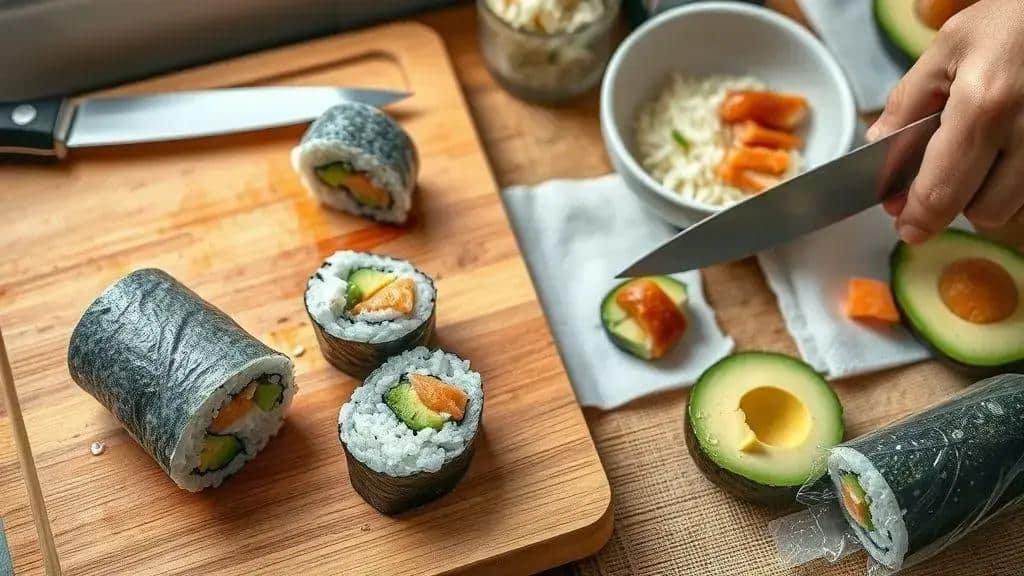
- If the rice is too hot when you assemble the roll, the nori softens and the roll falls apart. Let the rice cool until lukewarm before using it.
- An overfilled roll can split when you cut it. Use a moderate amount of filling and arrange it in a line.
- Wet kani, crab or tempura can make the rice soggy. Pat the fillings dry with kitchen paper before assembling the rolls.
- Rice sticks to dry hands, but too much water makes the grains lose their texture. Keep your hands slightly damp as you handle the rice.
- A blunt knife squashes the slices, and rice sticks to a dry blade. Use a very sharp knife and wet the blade before each cut.
- Overripe avocado falls apart, while a very firm avocado is hard to slice neatly. Choose avocados that are still slightly firm and slice them carefully.
- Take care when positioning the nori. Damp nori loses its crispness and tears easily. Work on a dry surface and assemble the rolls promptly after toasting the nori, if it needs toasting.
- Slicing a roll straight away can make it lose its shape. Roll it firmly, wrap it in cling film and chill for 5–10 minutes before cutting.
How to avoid these mistakes
- Season the rice and leave it to cool until lukewarm. Fan it to speed up cooling.
- Start with small amounts of filling and try them in smaller rolls until you find the right proportions.
- Pat kani or crab dry with kitchen paper and drain tempura well before using it.
- Keep a bowl of water mixed with vinegar nearby so you can lightly dampen your hands before picking up the rice.
- Use a long, sharp knife. Wet and wipe the blade between cuts for neat slices.
- Check the avocado’s firmness with your thumb and let it ripen in a paper bag if necessary.
- Cover the sushi mat with cling film to make the uramaki (inside-out roll) easier to handle and stop the rice sticking to the mat.
- Chill the roll briefly before cutting. Once firm, it will hold its shape as you slice it.
Make a small test roll before preparing the rolls for your guests. That way, it’s easier to adjust the proportions and refine your technique.
Now that you know how to make a California roll, try the variations and adjust the proportions to suit your taste. Your rolls will get better with practice.
Refer back to the tips on choosing crab and avocado, keep the moisture in the fillings under control and use a sharp knife for neat slices. These steps will help you avoid the common pitfalls.
Thank you for reading! Follow us on social media for more easy recipes and quick kitchen tips, and keep an eye on the Mestre das Receitas blog for updates and exclusive content.
Enjoy your sushi, and see you for the next recipe!
Frequently asked questions about California rolls
Can I use kani instead of real crab meat?
Yes. Kani (surimi) is more affordable, holds its shape well and has a mild flavour. For a more authentic version, use cooked crab meat when you can.
How do I choose the right avocado for a California roll?
Choose a Hass avocado that feels slightly firm and gives a little under gentle pressure without feeling soft. If it’s very firm, leave it in a paper bag to ripen for 1–2 days.
How do I stop the roll falling apart when I cut it?
Roll it firmly, wrap it in cling film and chill for 5–10 minutes before slicing. Use a very sharp knife and wet the blade between cuts.
Can I make a vegetarian or vegan version?
Yes. Replace the kani with strips of smoked tofu, roasted pepper or vegetable tempura, and use vegan mayonnaise or tahini for a creamy filling.
How should I store the finished rolls to keep them fresh for longer?
Keep them in an airtight container in the fridge for up to 24 hours. Avoid stacking them and serve chilled or at room temperature for the best texture.