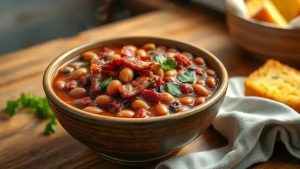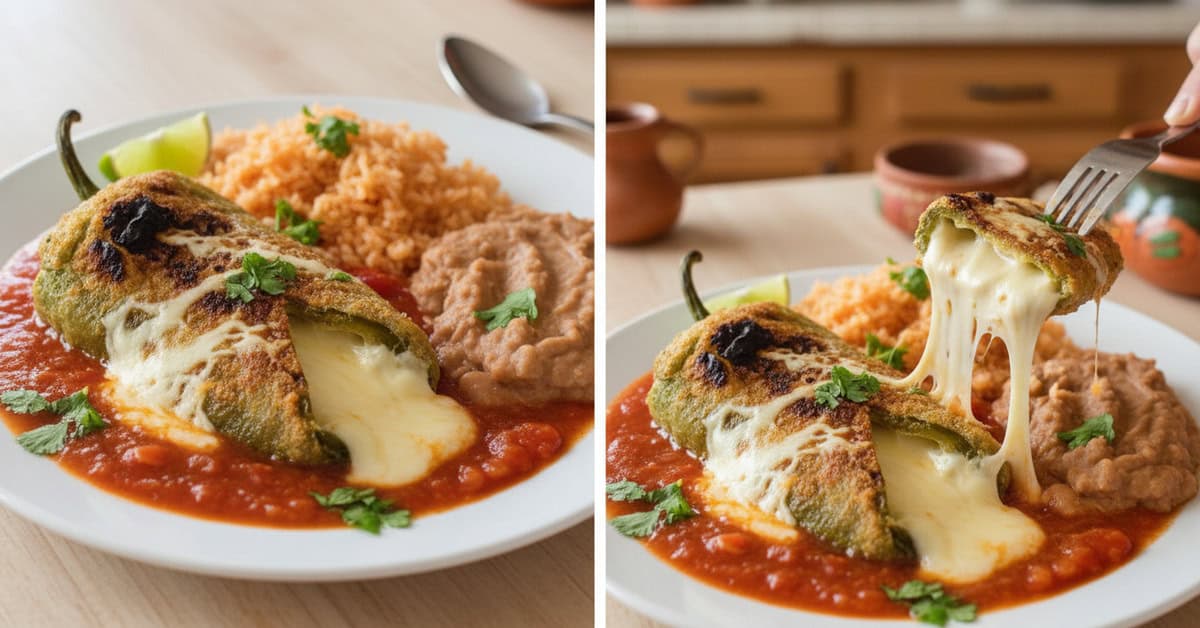

Chile relleno is a traditional Mexican dish made with peppers, usually poblanos, stuffed with cheese, meat or a vegetarian filling, then breaded and fried or baked. The peppers have a crisp coating and a creamy centre. Versions from Texas and the American Southwest feature hearty fillings and spicy sauces.
Chiles rellenos are full of flavour and texture, with a crisp coating around each stuffed pepper. Fancy making the version from Texas and the American Southwest at home, with a juicy filling and a few tips from the chef?
Ingredients for chiles rellenos
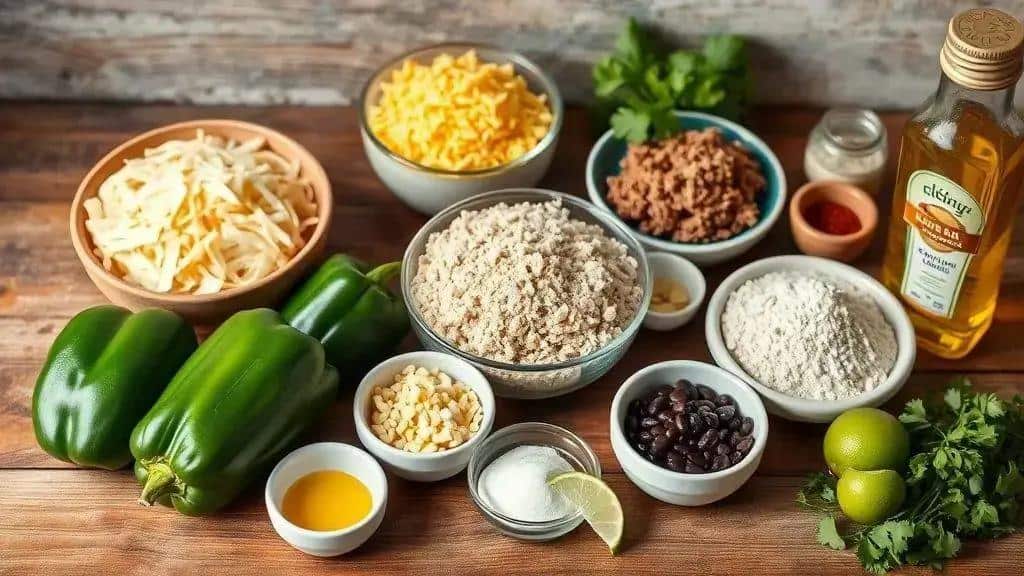
To make chiles rellenos, you’ll need the following ingredients.
- 4 large poblano peppers, washed and left whole for stuffing. Large green peppers or Anaheim chillies also work.
- 300 g Monterey Jack or Oaxaca cheese, grated or cut into strips. Both melt well. You can also use mozzarella.
- For the optional meat filling, use 250 g of cooked, seasoned beef mince. If you’re starting with raw mince, the method below calls for 300 g. For a vegetarian filling, use 1 tin of black beans, drained. Shredded chicken is another filling option.
- 1/2 a medium onion, finely chopped.
- 2 garlic cloves, chopped or crushed.
- 1 teaspoon ground cumin to bring out the flavour of the filling.
- 1 teaspoon chilli powder, or to taste.
- 1/2 cup sweetcorn, fresh, frozen or tinned (optional, for texture).
- Salt and pepper to taste. Start with 1 teaspoon of salt and 1/2 teaspoon of pepper.
- 1 cup of plain flour for dusting the peppers, plus 1/2 cup for the egg batter.
- 1 cup breadcrumbs or panko for coating. Panko gives a crisper finish.
- 4 large eggs, separated. The whisked whites form the base of the classic batter. For egg-free frying, use a tempura or beer batter made without eggs.
- 1/2 teaspoon baking powder (optional, for a lighter batter).
- 500 ml to 1 litre of vegetable oil for frying, depending on the size of your pan.
- Salsa roja or spicy tomato sauce, to serve.
- Lime slices and fresh coriander, to finish.
Tips and substitutions
Poblanos are ideal for stuffing thanks to their size and flavour. Choose large green peppers if you prefer less heat.
For a tasty vegetarian filling, mix black beans, sweetcorn and cheese.
For an egg-free coating, make a light batter with flour and lager or sparkling water, then coat the peppers in panko for crunch.
To reduce the fat content, bake the peppers instead of frying them and use a lower-fat cheese.
Store cooked chiles rellenos in a sealed container in the fridge for up to 2 days. Reheat in the oven to keep the coating crisp.
How to make breaded stuffed peppers in the style of Texas and the American Southwest
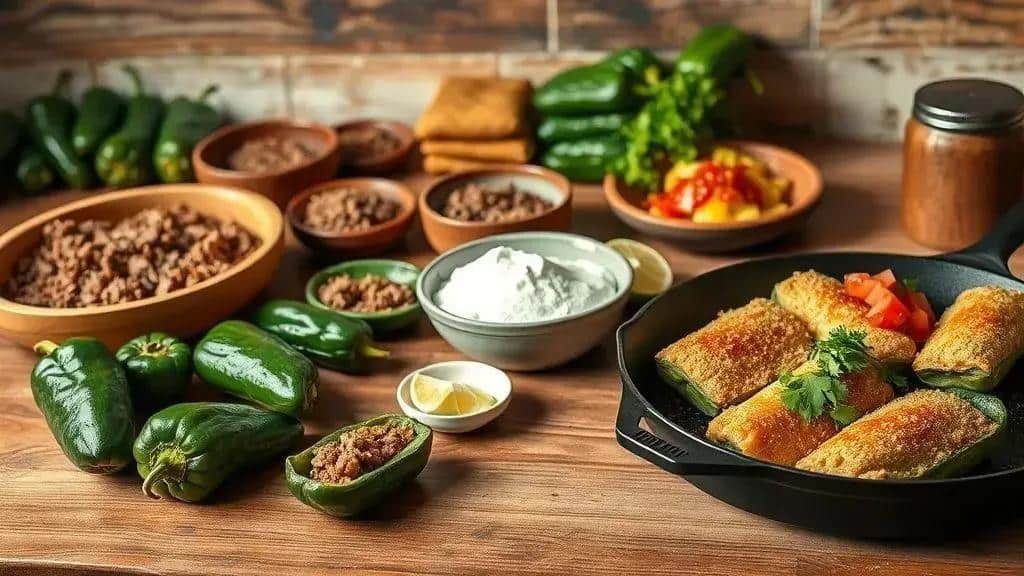
- Char and peel the peppers. Place 4 poblanos directly over a gas flame or under the grill for about 8–10 minutes, turning until the skins are well charred all over. Put them in a heatproof plastic food bag for 10 minutes to loosen the skins. Peel each pepper, make a lengthways slit down one side, then carefully remove the seeds.
- To make the filling from scratch, heat 1 tablespoon of oil. Gently fry 1/2 a chopped onion and 2 garlic cloves. If starting with raw mince, add 300 g of beef mince and fry until cooked through. If using cooked, seasoned mince, add the 250 g from the ingredients list to the onion and garlic and heat through. For the vegetarian version, use 1 tin of drained black beans instead. Stir in 1/2 cup of sweetcorn, 1 teaspoon of cumin and 1 teaspoon of chilli powder. Cook until the liquid has reduced, then adjust the salt and pepper to taste. Turn off the heat and stir in 300 g of grated cheese.
- Spoon the still-warm filling into each pepper, pressing it down gently. Carefully bring the edges of the slit together so the pepper keeps its shape.
- Make the batter. Separate 4 eggs. Whisk the whites with a pinch of salt until they hold stiff peaks. In another bowl, mix the yolks with 1/2 cup plain flour and 1/2 teaspoon baking powder until smooth. Gently fold the yolk mixture into the whisked whites, keeping as much air in the batter as possible.
- Spread 1 cup of plain flour on a plate. Roll each pepper lightly in the flour, shake off the excess and dip it in the egg batter. Finally, press it into 1 cup of breadcrumbs or panko to give it an even coating.
- To fry the peppers safely, heat the vegetable oil in a deep pan to 180 °C (350 °F), or until a small drop of batter sizzles when it hits the oil. Fry each pepper for 2–4 minutes, turning it carefully until golden all over. Lift it out with a slotted spoon and drain on kitchen paper.
- Serve the chiles rellenos hot with salsa roja or spicy tomato sauce spooned over the top. Garnish with coriander leaves and lime slices. To keep the coating crisp when reheating, put the peppers in the oven at 180 °C for 8–10 minutes.
Practical tips
If the filling is too wet, cook it a little longer to reduce the liquid. A dry filling helps the coating stay on during frying.
Use mozzarella in place of Monterey Jack. Swap the beef for shredded chicken, or use a mixture of beans and quinoa for a vegetarian filling.
For a lighter option, brush the peppers with oil and bake at 200 °C for 12–15 minutes, turning halfway through, until golden.
Never overfill the pan. Use long tongs, stand back and keep water away from the hot oil.
How to coat and fry the peppers for a crisp finish
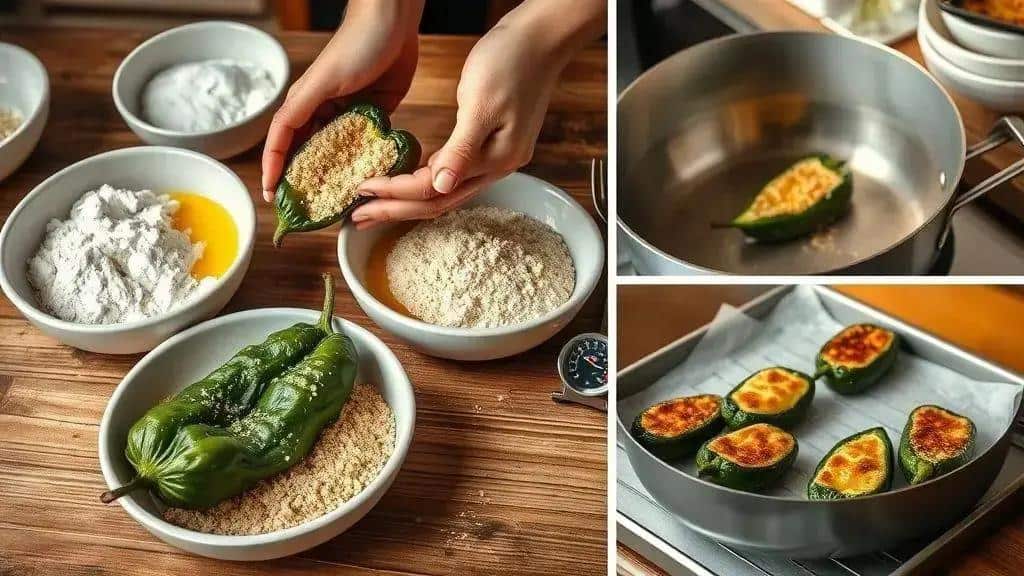
To get a crisp coating that stays on during frying, have everything ready before you start and keep excess moisture in check.
Getting everything ready
Set out separate bowls of plain flour, beaten eggs and breadcrumbs or panko. Have kitchen paper and a wire rack ready for draining the fried peppers.
- Before coating the peppers, blot as much moisture as possible from the filling with kitchen paper, or cook it until the liquid reduces. A dry filling helps prevent the coating from splitting.
- Dust each pepper lightly with flour first. This gives the egg a dry surface to cling to.
- Beat the eggs until smooth. For a lighter batter, separate the eggs first, whisk the whites to soft peaks, then fold them into the yolks.
- Choose panko for a light, crisp coating. Ordinary breadcrumbs also work and give a denser crust.
- For an extra-crisp double coating, dip each pepper in the egg again, then press it into the panko a second time before frying.
- Keep the oil between 170 and 185 °C. Check it with a kitchen thermometer. If the oil is too cool, the coating turns greasy. If it is too hot, the crust burns before the centre cooks.
- Use enough oil for the peppers to float partially submerged, about 2–4 cm in a deep frying pan. Alternatively, deep-fry them in enough oil to cover them.
- Fry just a few peppers at a time so the oil stays hot and the coating browns evenly.
- Turn the peppers gently with tongs or a slotted spoon. Keep the edges clear of loose batter so the coating doesn’t tear.
- Drain the peppers on a wire rack set over a baking tray. This keeps the coating crisp for longer than draining them on kitchen paper alone.
- Reheat in the oven at 180 °C for 8–10 minutes to crisp up the coating. A brief second fry in hot oil also works, though you’ll need to take care with the filling.
Quick tips and troubleshooting
If the coating comes off, check whether the filling was too wet. If so, dry it a little more and dust the pepper with flour again before dipping it in the egg. If the oil is too hot, turn down the heat to keep the crust from burning.
For an egg-free coating, make a batter with flour and lager or sparkling water. Press the battered peppers firmly into the panko so the crumbs stick.
Keep a lid handy to smother small flames. Never add water to the oil. Keep pans steady and children away from the hob.
Filling ideas and substitutions
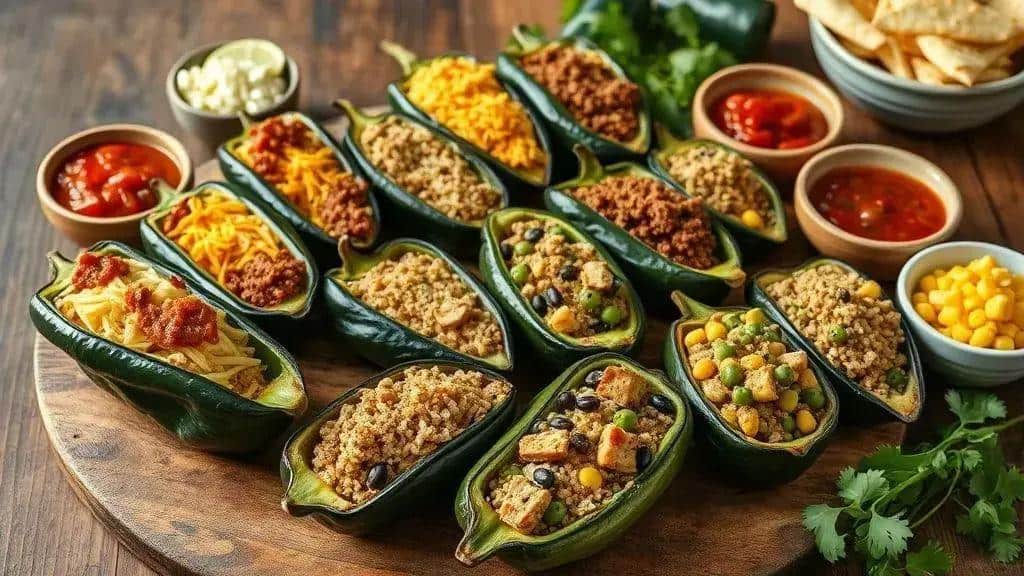
You can vary the filling in a chile relleno to suit your tastes and dietary needs while keeping it full of flavour.
Filling ideas
- Classic cheese – 300 g grated Monterey Jack or Oaxaca cheese. Both melt well for a creamy centre.
- Spiced beef – 300 g minced beef fried with 1/2 an onion, 2 garlic cloves, 1 teaspoon ground cumin and 1 teaspoon chilli powder.
- Shredded chicken with chilli – mix 300 g cooked, shredded chicken with 1/4 cup hot sauce and 1/4 cup sweetcorn.
- Black beans and sweetcorn (vegetarian) – 1 tin (400 g) of black beans, drained, 1/2 cup sweetcorn and 100 g grated cheese or vegan cheese.
- Quinoa, sweetcorn and peas (vegan) – 1 cup cooked quinoa, 1/2 cup sweetcorn, 1/2 cup peas and seasoning to taste.
- Chorizo and potato – mix 200 g cooked, broken-up chorizo with 1 cup diced cooked potato for a chunky filling.
- Fresh cheese with lime and coriander – mix 300 g of fresh cheese with the zest of 1 lime and 2 tablespoons of chopped coriander for a lighter filling with a bright, citrusy aroma.
Easy substitutions
- If you can’t find Monterey Jack, use mozzarella or queijo prato, a mild Brazilian melting cheese. For a vegan filling, use plant-based cheese or silken tofu.
- For a lower-fat filling, replace the minced beef with turkey mince or textured vegetable protein.
- Try brown rice, barley or couscous in place of quinoa to vary the texture.
- For less heat, remove the seeds and white membranes from the poblanos, or use a mix of poblanos and sweet peppers.
- To cook the peppers without frying, give them a light coating of breadcrumbs and bake at 200 °C for 12–15 minutes, turning halfway through.
How to help the filling hold together
Keep the filling from getting too wet. Drain tinned ingredients and cook grains or vegetables thoroughly before adding them.
Combine salty, tangy and fresh flavours for contrast, as in cheese with lime and coriander.
Taste a little of the filling before stuffing all the peppers, then adjust the salt, pepper and spices.
Sauces and side dishes for chiles rellenos
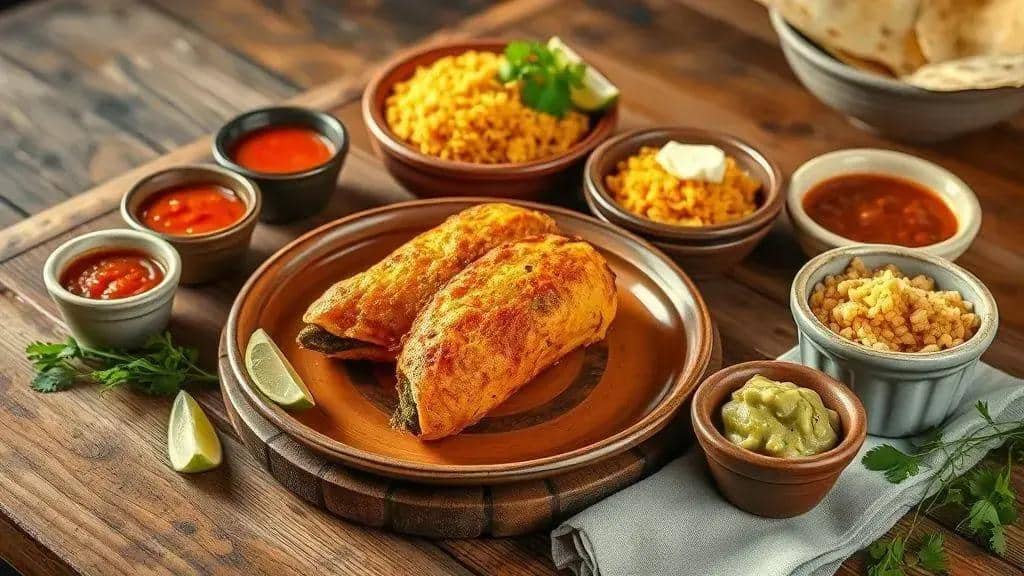
Choose sauces and sides that bring out the flavour of the peppers and balance their heat. Fresh salsas and creamy accompaniments work particularly well with the crisp coating.
Quick salsa roja
- 4 medium ripe tomatoes, left whole.
- 1/4 of an onion, chopped.
- 1 garlic clove, crushed.
- 1 teaspoon oil for browning the vegetables.
- Salt and pepper to taste.
- Heat a frying pan and cook the tomatoes, onion and garlic until lightly browned.
- Pulse the vegetables in a blender with salt, leaving the salsa slightly chunky.
- Taste and adjust the salt and pepper. Warm the salsa gently before serving if you like.
Classic salsa verde
- 8 tomatillos, husks removed and fruit rinsed.
- 1/2 an onion, chopped.
- 1 jalapeño chilli, deseeded if you prefer less heat.
- Fresh coriander to taste, to finish.
- Boil or roast the tomatillos until soft.
- Blend with the onion, chilli and coriander, then season with salt.
- Serve the salsa verde chilled or at room temperature for the best flavour.
Mexican lime crema
- 1/2 cup (120 g) soured cream or plain yoghurt
- 1 tablespoon lime juice
- Salt to taste
- Stir all the ingredients together until smooth.
- Chill for 10 minutes before serving to bring out the flavours.
Creamy cheese dip and tortilla chips
Gently warmed queso blanco makes a lovely dip. Serve it in a small pan and keep the heat low to prevent it from curdling.
Side dishes that work well
- Mexican rice – light and well seasoned, it balances the richness of the peppers.
- Refried beans – their creamy texture goes well with the crisp coating.
- Esquites (Mexican sweetcorn salad) – sweetcorn, light mayonnaise, cotija cheese and lime.
- Simple guacamole – avocado, lime, salt and coriander make a cooling accompaniment.
- Warm tortillas – serve corn or flour tortillas alongside to mop up the sauce.
- Pickled onion – thin slices marinated in vinegar add a sharp tang.
Serving and storage tips
Pair a fresh salsa verde with a creamy sauce such as crema for contrast in every bite. Serve the side dishes warm or at room temperature, as indicated.
Sauces keep in sealed jars in the fridge for 2–4 days. Reheat queso blanco over a pan of hot water to keep it smooth.
How to serve, store and use up chiles rellenos
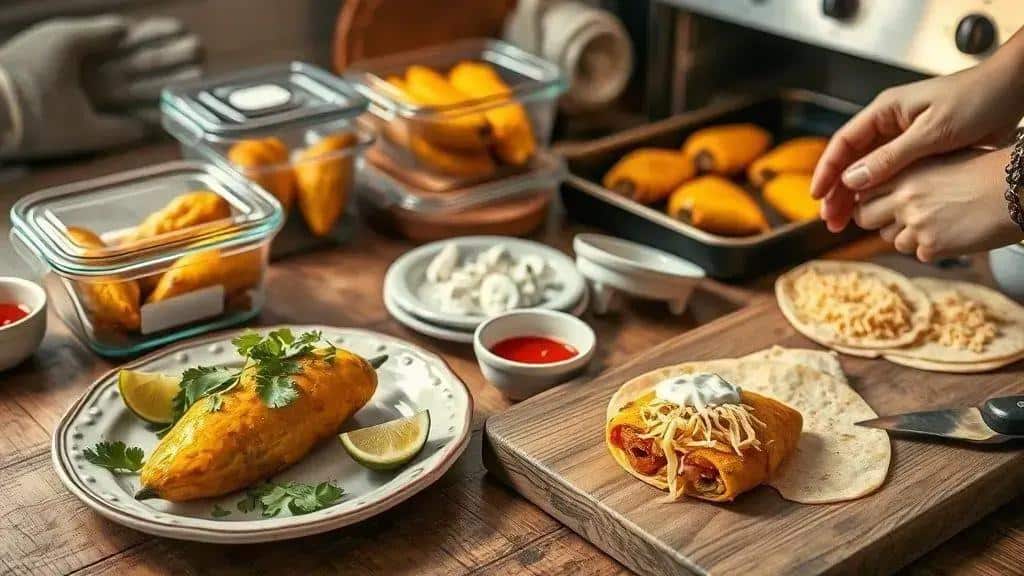
These tips cover how to serve and store the peppers so they stay crisp, and how to turn leftovers into another meal so nothing goes to waste.
Plating the peppers
- For a main course, serve 1 chile relleno per person on a little Mexican rice or a bed of salad leaves for contrast.
- For contrasting colours, serve salsa roja and salsa verde in small bowls alongside the peppers or drizzle both over the plate.
- Finish with lime slices, coriander leaves and a drizzle of Mexican crema for flavour and colour.
- For height and texture, lean the pepper against a shaped mound of rice or a few slices of avocado.
- For a starter, halve the peppers and arrange them on a board with sauces and warm tortillas.
Safe storage
- Keep the peppers in an airtight container in the fridge for up to 48 hours. Store the sauces separately to keep the coating crisp.
- Freeze without sauce for up to 2 months. Wrap each pepper in cling film, then place in a freezer bag.
- Label the container with the date so you can see how long the peppers have been stored and use them in time.
- Line the bottom of the container with kitchen paper to absorb excess moisture in the fridge.
- Transfer the peppers to the fridge for 12–24 hours before reheating so they thaw evenly.
How best to reheat chiles rellenos
- For the crispest finish, preheat the oven to 180 °C and bake for 8–12 minutes until hot through and golden again.
- In an air fryer, reheat at 180 °C for 6–8 minutes, checking that the coating doesn’t burn.
- In a frying pan, heat a little oil over a medium-low heat. Cook the peppers for 2–3 minutes on each side with the lid slightly ajar.
- Use the microwave as a last resort. Heat on medium power for 30–45 seconds, then finish in the oven or a frying pan to crisp up the coating.
- Check that the filling is hot through. Overheating can dry out the cheese or meat.
Ideas for leftovers
- For a quesadilla, shred the stuffed pepper and sandwich it between two tortillas with cheese. Cook on a griddle until golden.
- For quick tacos, cut the peppers into strips and serve in tortillas with onion, coriander and a little crema.
- For enchiladas, roll the leftover filling in tortillas, cover with sauce and cheese, and bake.
- For a warm salad, toss pieces of stuffed pepper with salad leaves, grilled sweetcorn and a citrus vinaigrette.
- For a hearty breakfast, fold pieces of stuffed pepper into beaten egg to make an omelette or frittata.
- For a rustic soup, chop the peppers and add them to a tomato broth with beans. The result is hearty and full of flavour.
Transporting and serving chiles rellenos at events
- Pack the components separately and assemble them at the venue to keep the coating crisp. Take a small electric fryer or reheat the peppers in the oven.
- Pack each sauce in its own airtight container to prevent leaks and keep the peppers from going soggy.
- For a buffet, arrange the peppers on wire racks or raised platters, with bowls of garnishes within easy reach.
- Keep hot food above 60 °C and cold food below 5 °C to limit bacterial growth.
When using leftovers to cook for a crowd, always taste a small portion before serving so you can adjust the salt and heat.
Chile relleno facts and history
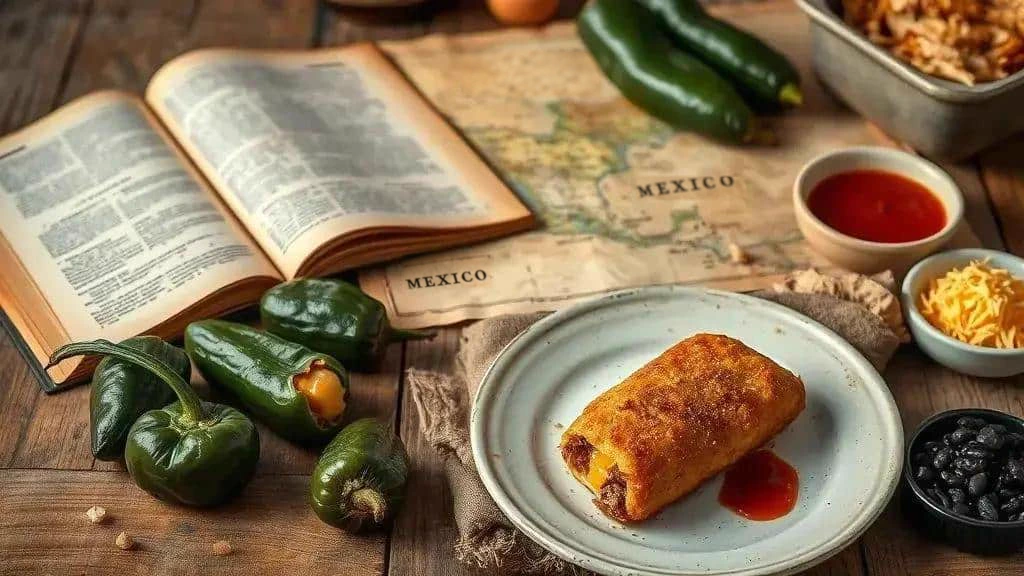
The chile relleno has a rich and fascinating history. Over time, this traditional Mexican dish has developed regional variations as well as Tex-Mex versions.
Origins and evolution
Accounts of Mexican cookery often name Puebla as one of the birthplaces of the chile relleno. There, stuffed poblanos were served at celebrations. Some accounts trace the dish’s popularity to the XIXth century, while others attribute later adaptations to cultural exchange with the United States.
Facts about chiles rellenos
- The Spanish name ‘chile relleno’ literally means ‘stuffed chilli pepper’.
- The poblano is the fresh chilli most often used for this dish. Once dried, it is called an ancho and has a distinctive flavour.
- Cheese and picadillo are traditional fillings. Today you’ll also find versions with chicken, seafood or beans, as well as vegan options.
- The breaded, fried version is particularly popular in Texas and the American Southwest, where it combines Mexican and American cooking techniques.
- Chiles rellenos appear on festive menus and at food fairs, and are a favourite at family celebrations.
The influence of Texas and the American Southwest
As the dish crossed the border, cooks adapted it with local ingredients and techniques, including whipped egg-white batter, deep-frying and richer, higher-calorie fillings such as processed cheese and chorizo. These versions keep the character of the original, with more emphasis on a crisp coating and full-flavoured sauces.
Culinary traditions and local adaptations
- Mexican and Tex-Mex restaurants around the world serve chiles rellenos, often with local variations.
- Serve chiles rellenos as a starter or main course, or use them as the basis for dishes such as tacos and enchiladas.
- Many families have their own recipes, passed down from one generation to the next.
Nutrition at a glance
Poblanos provide vitamin C and antioxidants, while the filling and coating add calories and fat. For a lighter meal, choose lower-fat cheese, bake the peppers instead of frying them or serve them with salad and a light sauce.
Try the different styles for yourself
Try a traditional chile relleno alongside the version popular in Texas and the American Southwest, and compare their textures and flavours. Tasting both gives you a sense of how regional cooking has shaped the dish and helps you adapt it to your taste.
Final thoughts
Chiles rellenos are versatile and full of flavour. Try the crispier version popular in Texas and the American Southwest, or adapt the recipe to make lighter or vegetarian versions. With clear instructions and a few kitchen tips, anyone can make delicious chiles rellenos at home.
Thanks for reading! Give the recipe a try, adjust the seasoning to your taste and let us know how it turns out. Follow us on social media for quick tips, variations and step-by-step videos.
For more recipes and inspiration, visit the Mestre das Receitas blog — we hope to see you there. Enjoy your meal and see you next time!
Frequently asked questions about chiles rellenos
Which peppers are best for chiles rellenos?
Poblanos are ideal. They have a mild flavour, and their size and texture make them well suited to stuffing. Large green peppers or Anaheim chillies also work.
How can I make chiles rellenos less spicy?
Remove the seeds and white ribs from the poblanos. For a milder flavour, choose sweet peppers. Cooking the peppers also mellows their heat.
Can I bake the peppers instead of frying them for a lighter dish?
Yes. Brush the peppers with oil and bake at 200 °C for 12–15 minutes, turning them halfway through. They’ll be less greasy, though a little less crisp.
How can I store and reheat leftovers so the coating stays crisp?
Keep the peppers in an airtight container in the fridge for up to 48 hours. To crisp up the coating again, reheat them in the oven at 180 °C for 8–12 minutes or in an air fryer for 6–8 minutes.
What are some good vegetarian fillings?
Try black beans with sweetcorn and cheese, quinoa with peas and sweetcorn, or mixed roasted vegetables with vegan cheese.
How do I stop the coating from coming off during frying?
Dry the filling thoroughly, coat the stuffed peppers in flour before dipping them in the egg, keep the oil at 170–185 °C and don’t overcrowd the pan.