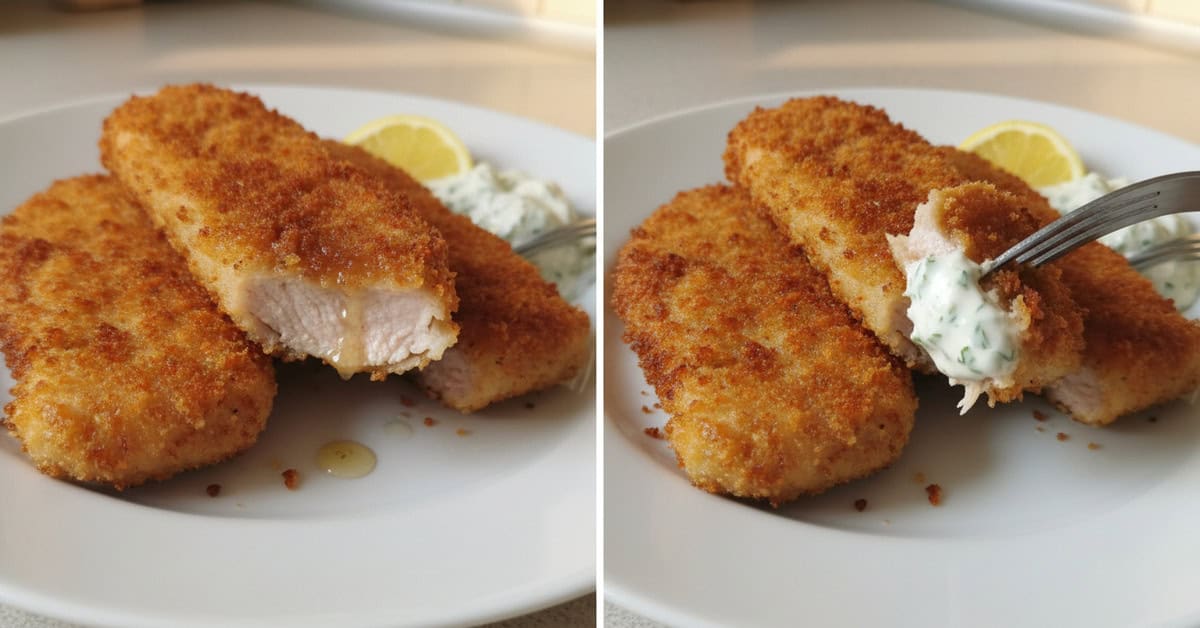

The pork tenderloin sandwich is a Midwestern classic: thinly pounded pork loin steaks, breaded and fried until crisp, served in a large soft bun. Pickles and tangy sauces cut through the richness, giving each bite a contrast of crunchy coating and juicy meat.
The classic Midwestern pork tenderloin sandwich starts with a piece of pork loin, pounded thin and breaded. Want to make it crisp on the outside and juicy inside, and try a few variations?
Ingredients for breaded pork loin sandwiches
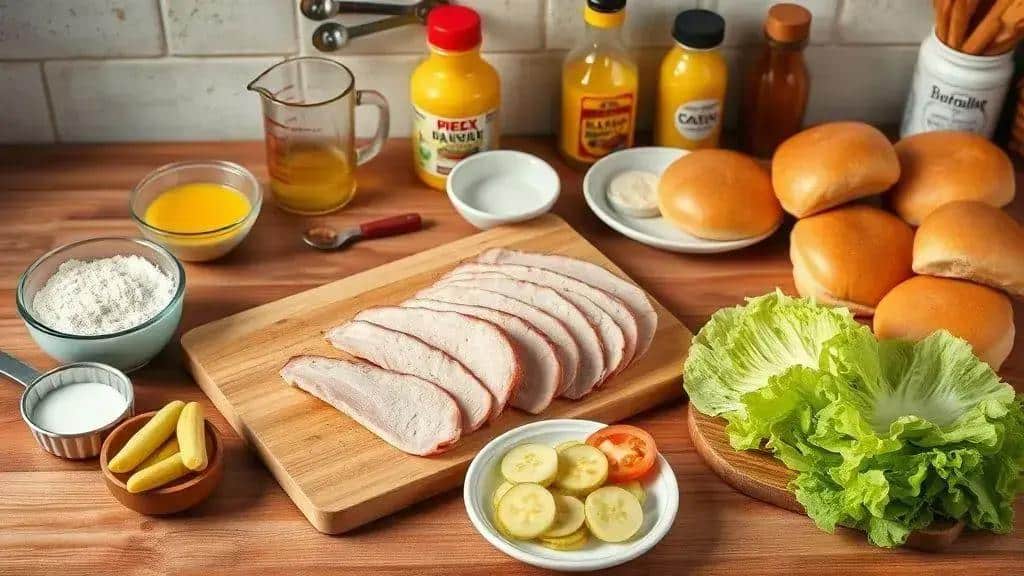
For four Midwestern-style breaded pork sandwiches, set out the following ingredients.
- 600 g boneless pork loin, cut into about 4 large, thin steaks.
- 1 cup (120 g) plain flour for the first coating.
- 2 large eggs, beaten, for breading.
- 1 cup (100–120 g) breadcrumbs or panko. Use panko for extra crunch, or try fine cornmeal for a different coating.
- 1 teaspoon salt, or to taste.
- ½ teaspoon ground black pepper.
- 1 teaspoon garlic powder for flavour, optional.
- 1 teaspoon paprika for colour, optional. Use smoked paprika for a lightly smoky taste.
- 1 cup (240 ml) vegetable oil for frying, such as rapeseed, sunflower or groundnut oil.
- 4 large, soft burger buns, lightly toasted before filling.
- 8–12 thin slices of pickled cucumber. Alternatively, use pickles cut into fine strips or fresh cucumber.
- American yellow mustard or Dijon mustard to taste, for spreading.
- Mayonnaise to taste. Try seasoning it with lemon and pepper.
- Lettuce leaves, washed and dried.
- 1 medium tomato, sliced, optional.
- ½ cup (120 ml) buttermilk or milk mixed with 1 tablespoon vinegar, optional, for marinating the pork.
Notes and quick swaps
For less fat, bake the breaded steaks in a hot oven for 12–15 minutes until golden and cooked through. For a pork-free version, try thin chicken breast cutlets or breaded seitan or vegetable steaks. Panko gives a crunchier crust, while ordinary breadcrumbs produce a closer coating.
How to make a breaded pork loin sandwich step by step
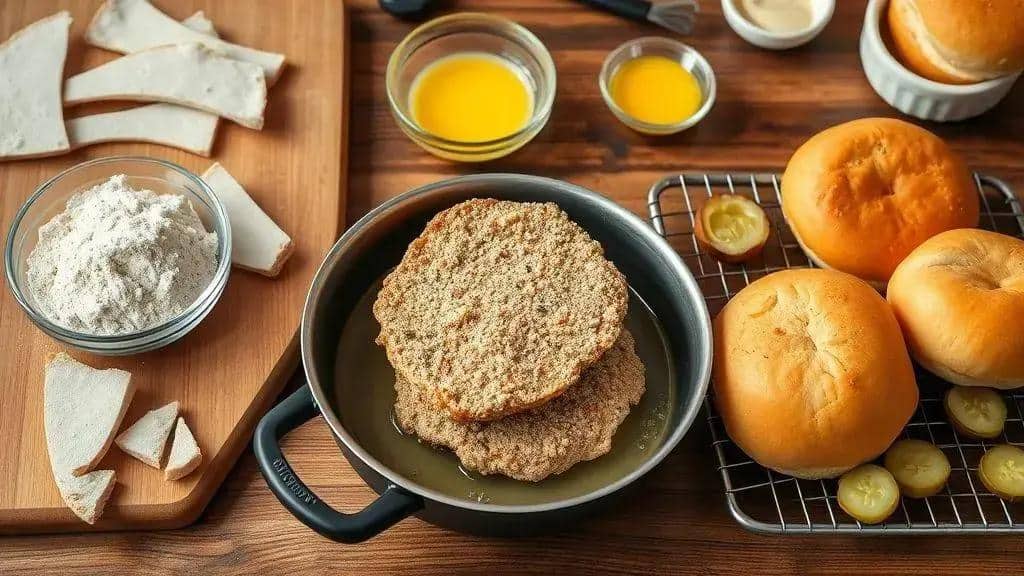
- Cut 600 g pork loin into 4 large steaks. Pound with a meat mallet or the base of a saucepan until evenly thin, about 5 mm. Season with 1 teaspoon salt and ½ teaspoon pepper. If you like, marinate in 120 ml buttermilk for 30 minutes in the fridge.
- Set up three shallow dishes: 1 cup (120 g) plain flour seasoned with ½ teaspoon salt, 2 eggs beaten with 1 tablespoon water, and 1 cup (100–120 g) panko or breadcrumbs. Have tongs ready and set a wire rack over a tray lined with kitchen paper.
- Coat each steak all over with flour and shake off the excess. Dip in the beaten egg, then press into the panko for an even coating. Shake off loose crumbs.
- Heat 1 cup (240 ml) vegetable oil in a deep frying pan to about 175°C. Without a thermometer, a breadcrumb should turn golden in about 30–40 seconds. This checks the oil, not the doneness of the meat.
- Carefully lower the breaded steaks into the hot oil in batches, leaving space between them. Fry for 3–4 minutes per side until golden and 70°C in the centre. Adjust the heat to keep the oil between 160°C and 180°C.
- Turn each steak once, gently, to keep its coating attached. If it browns too quickly, reduce the heat. Drain on the wire rack to preserve the crunch.
- For a lighter oven version, preheat to 220°C. Brush the breaded pork with a little oil and bake for 12–15 minutes, turning halfway, until golden and cooked evenly through.
- Split 4 burger buns and toast the cut sides lightly in a pan or oven for 1–2 minutes to help them hold up to the sauce.
- Spread mayonnaise on each bun base and mustard on the lid. Layer with lettuce, a large breaded pork steak extending past the bun in Midwestern fashion, optional tomato slices and 2–3 pickle slices. Press gently and serve immediately.
- Serve with chips or salad. Store any leftover pork separately from the bread in an airtight container in the fridge for up to 2 days. Reheat in the oven to crisp the coating.
Tips for frying
How to make the coating stick and fry evenly
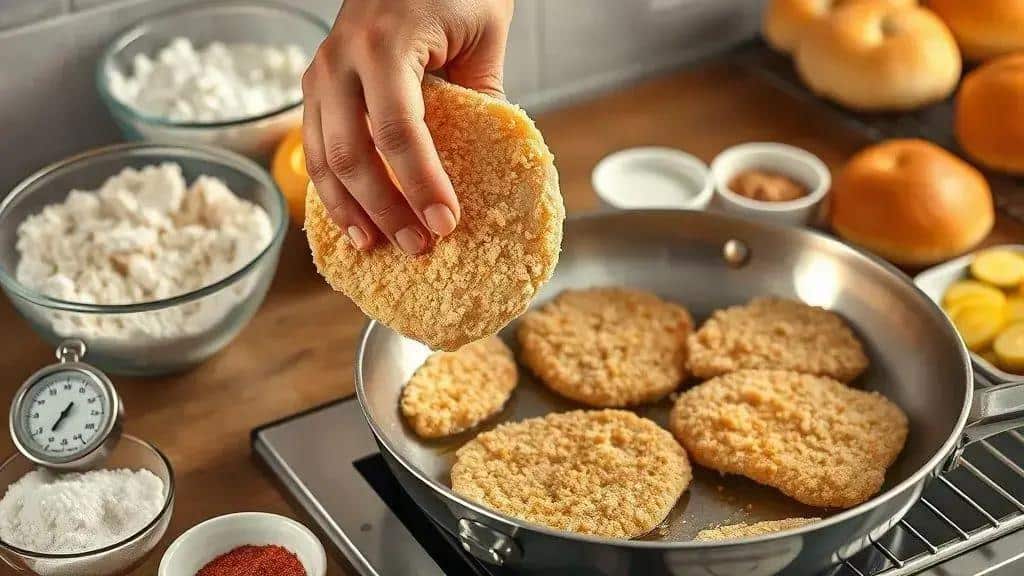
A crisp coating starts with thin meat and a dry surface. Pound the steaks to an even 4–6 mm, and if you like, marinate for 30 minutes in buttermilk in the fridge.
Breading technique
- Pat the steaks dry with kitchen paper to remove surface moisture.
- Fill three dishes with seasoned flour, beaten eggs and panko or breadcrumbs, in that order.
- Season each layer. Add salt and pepper to the flour and, if you like, garlic powder or paprika to the crumbs.
- Dip in flour, then egg, then press firmly into the panko so the crumbs stick.
- Let the breaded steaks rest for 8–10 minutes before frying to set the coating.
Frying tips
- Keep the oil between 160°C and 180°C. Use a thermometer, or check that a breadcrumb turns golden in about 30–40 seconds.
- Use enough oil to fry the coating evenly. A depth of about 1–1.5 cm in a large frying pan can be sufficient for shallow frying.
- Fry in batches. Crowding the pan cools the oil and leaves the crumbs greasy.
- Turn only once, after the first side has browned, to stop the coating coming away.
- Drain on a wire rack set over kitchen paper. Season with salt immediately after frying.
- For a lighter alternative, brush with oil and bake at 220°C for 12–15 minutes, turning halfway through.
- For a rough oil check without a thermometer, drop in a small breadcrumb. It should brown in about 30–40 seconds.
- For this recipe, use a thermometer to check the pork has reached 70°C in the centre. Handle hot oil carefully.
Use panko for extra crunch or regular breadcrumbs for a closer coating. For a gluten-free version, choose rice flour and gluten-free panko. Reheat in the oven to crisp up leftovers.
Sauces, pickles and sides
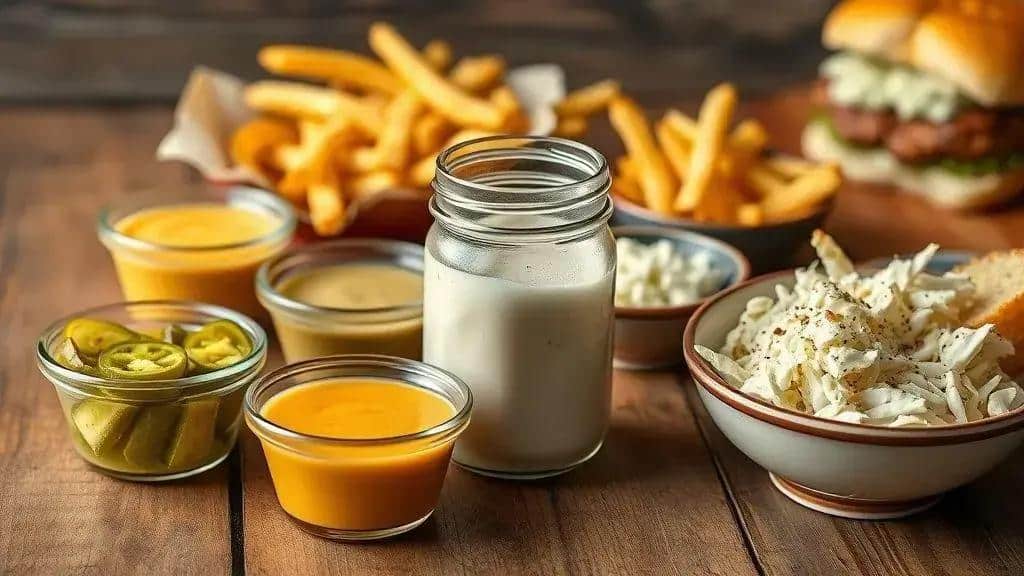
Pair the crisp coating and juicy pork with a tangy sauce, crunchy pickles and a simple side. Here are some quick combinations.
Quick sauces
Mustard mayonnaise is creamy and tangy, balancing the rich, crisp coating.
- 4 tablespoons mayonnaise, reduced-fat if preferred.
- 1 tablespoon American yellow mustard, or Dijon for a stronger flavour.
- 1 teaspoon lemon juice to adjust the acidity.
- Salt and pepper to taste.
- Stir the ingredients together in a small bowl until smooth.
- Taste and adjust with salt or lemon juice before using.
Spicy mayo pairs well with crisp panko.
- 4 tablespoons mayonnaise.
- 1–2 teaspoons sriracha or another hot sauce, to taste.
- 1 teaspoon Worcestershire sauce for depth, optional.
- Stir the ingredients together until smooth.
- Chill for 10 minutes to let the flavours blend.
Southern-style remoulade is spicy and aromatic, ideal for a bolder sandwich.
- 3 tablespoons mayonnaise.
- 1 tablespoon pickle relish, or use finely chopped pickles.
- 1 teaspoon Dijon mustard.
- 1 teaspoon paprika.
- 1 teaspoon lemon juice.
- Mix everything together until smooth.
- Add more lemon juice if it needs acidity.
Pickles for the sandwich
Quick refrigerator pickles add crunch and acidity to balance the fried pork.
- 1 cup cider vinegar for the brine.
- 1 cup water.
- 2 tablespoons sugar.
- 1 tablespoon salt.
- 1 cucumber, thinly sliced into rounds or strips.
- Bring the vinegar, water, sugar and salt to the boil, stirring until dissolved.
- Place the sliced cucumber in a heatproof jar, pour over the brine and let it cool briefly.
- Refrigerate for at least 1 hour. The flavour is better after 24 hours.
Other options include pickled red onion, pickled jalapeños for heat or crisp fresh cucumber.
Sides to try
- Classic chips – salty and crisp, a natural partner for the sandwich.
- Creamy coleslaw – shredded cabbage and carrot with a tangy dressing to balance the rich pork.
- Oven-roasted potato wedges – a lighter, rustic alternative.
- Green salad with vinaigrette – a refreshing side.
- Crisp onion rings – for those who like an extra crunchy accompaniment.
Make sauces ahead and adjust the chilli to suit your guests. Serve pickles cold and hot sides freshly cooked for contrast.
Regional and modern pork tenderloin sandwich variations

Adapt the filling to your taste, from the Midwestern original to spicy, vegetarian and modern versions.
Midwestern classic
The classic is simple and substantial: thin, breaded, fried pork loin on a large bun with pickles and mustard.
- Pork loin – thin steaks, evenly pounded.
- Breading – flour, egg and panko or ordinary breadcrumbs.
- Bread – a large, soft burger bun.
- Extras – pickles, mustard and mayonnaise.
Nashville hot
An oil-based hot sauce with paprika makes this a bold choice for anyone who likes heat.
- Sauce – melted butter, oil, paprika and cayenne.
- Pickles – to balance the heat.
- For a milder version, cut back on the cayenne.
Barbecue style
A juicy variation with sweet, smoky barbecue sauce, sometimes paired with Cheddar.
- Brush barbecue sauce onto the pork after frying.
- Cheese – Cheddar or provolone.
- Serve with coleslaw to balance the sweetness.
Italian-inspired
Melted cheese, grilled peppers and a little vinaigrette bring Mediterranean flavours to the sandwich.
- Cheese – provolone or mozzarella.
- Vegetables – grilled peppers and caramelised onions.
- Bread – ciabatta or a crusty roll for texture.
Vegetarian or vegan variation
Breaded seitan, a large mushroom steak or sliced aubergine make satisfying meat-free fillings. For a vegan sandwich, use a plant-based dip in place of egg and vegan mayonnaise.
- Breaded seitan gives a pleasantly chewy texture.
- Slice aubergine thinly, bread and bake for a lighter version.
- For a gluten-free coating use rice flour and gluten-free panko. Choose aubergine or mushrooms rather than wheat-based seitan and serve on a gluten-free bun.
Sliders and gourmet variations
Smaller sliders work well at parties. For a special version, try chimichurri, homemade relish or grilled apple.
- Sliders – small portions that are easy to assemble.
- Gourmet toppings – chimichurri, grilled apple or Brie.
Tips for adapting any version
- Use panko for crunch or standard breadcrumbs for a finer, denser coating.
- Keep the oil between 160°C and 180°C to brown the coating without burning it.
- Choose a bun that supports the large steak without going soggy.
- Balance the fried coating with something fresh or acidic, such as pickles, vinaigrette or lemon.
Mix and match: pair barbecue pork with quick pickles or Nashville hot pork with coleslaw. Small changes to the sauces and sides give the sandwich a different character.
The pork tenderloin sandwich and its history
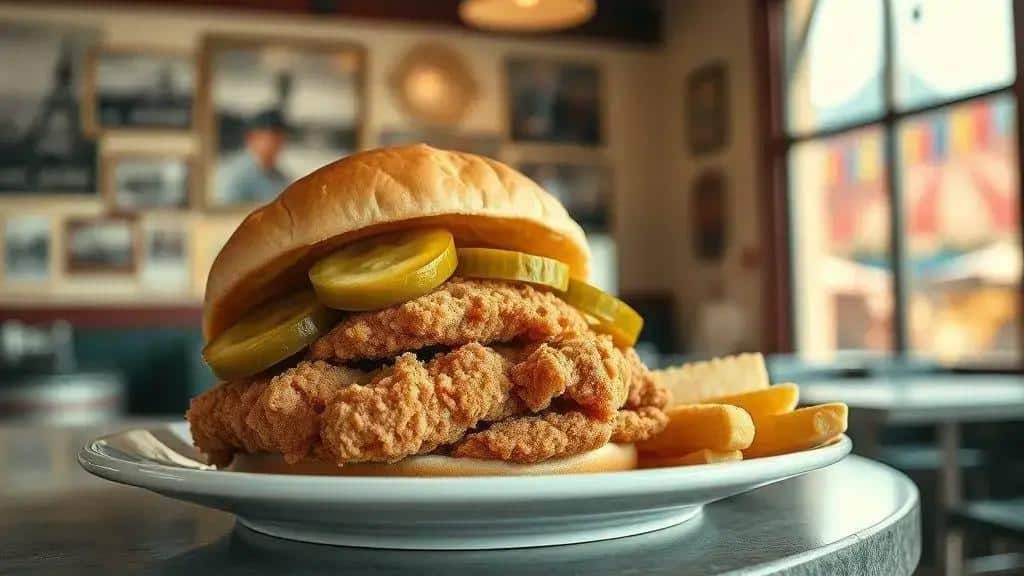
The pork tenderloin sandwich is associated with the rural American Midwest, where thin pork steaks were pounded, breaded and fried for a simple, inexpensive meal. It went on to become a fixture of local diners and state fairs.
Origins and competing accounts
Several Midwestern towns lay claim to the sandwich, and no single origin is universally agreed. Pounding and breading a thin pork cutlet recalls the cooking traditions European immigrants adapted to local ingredients.
Did you know?
- The outsized cutlet often extends well beyond the edge of the bun. That’s part of the sandwich’s distinctive appearance and appeal.
- Despite the name tenderloin, many versions use broader, more economical cuts of pork loin.
- Generously sized sandwiches are a classic sight at fair and festival food stalls.
- Alongside the basic version, modern restaurants offer spicy, barbecue and vegetarian variations.
In local food culture
In small towns, the sandwich appears on traditional diner menus and inspires food contests and festivals. For many people it’s comfort food with fond childhood associations.
Contemporary adaptations
Modern kitchens use panko for extra crunch, buttermilk marinades for tenderness and toppings such as selected cheeses and homemade relishes. The sandwich keeps its generous, rustic character.
Trying the sandwich at different diners and fairs is a good way to see how a simple idea changes with local tastes.
The breaded pork loin sandwich combines a straightforward technique with bold flavour. Pay attention to the coating and the oil temperature for crisp, juicy results at home.
Try different sauces and pickles to find your favourite combination. Small changes, such as using panko instead of breadcrumbs or adding a little paprika, make a real difference.
Thanks for cooking along! Follow us on social media for quick tips and practical recipes. Visit the Mestre das Receitas blog to keep up with our latest recipes and news.
Frequently asked questions about breaded pork loin sandwiches
Which cut of pork should I use?
Boneless pork loin is widely used because it is tender and easy to pound thin. Boneless loin chops or a lean piece of loin cut into thin steaks also work.
How can I keep the coating crisp after frying?
Drain on a wire rack, season with salt immediately and serve straight away. To reheat, use the oven or an air fryer to restore the crunch.
Can I bake the pork instead of frying it?
Yes. Preheat the oven to 220°C, brush the breaded steaks with oil and bake for 12–15 minutes, turning halfway, until golden and cooked through.
How can I make quick pickles for the sandwich?
Boil 1 cup cider vinegar, 1 cup water, 2 tablespoons sugar and 1 tablespoon salt. Pour over sliced cucumber in a heatproof jar, cool briefly and refrigerate for at least 1 hour.
Are there vegetarian or gluten-free options?
For vegetarians, bread aubergine, mushrooms or seitan. For a gluten-free version, use rice flour, gluten-free panko and a gluten-free bun, and choose pork, aubergine or mushrooms instead of seitan.