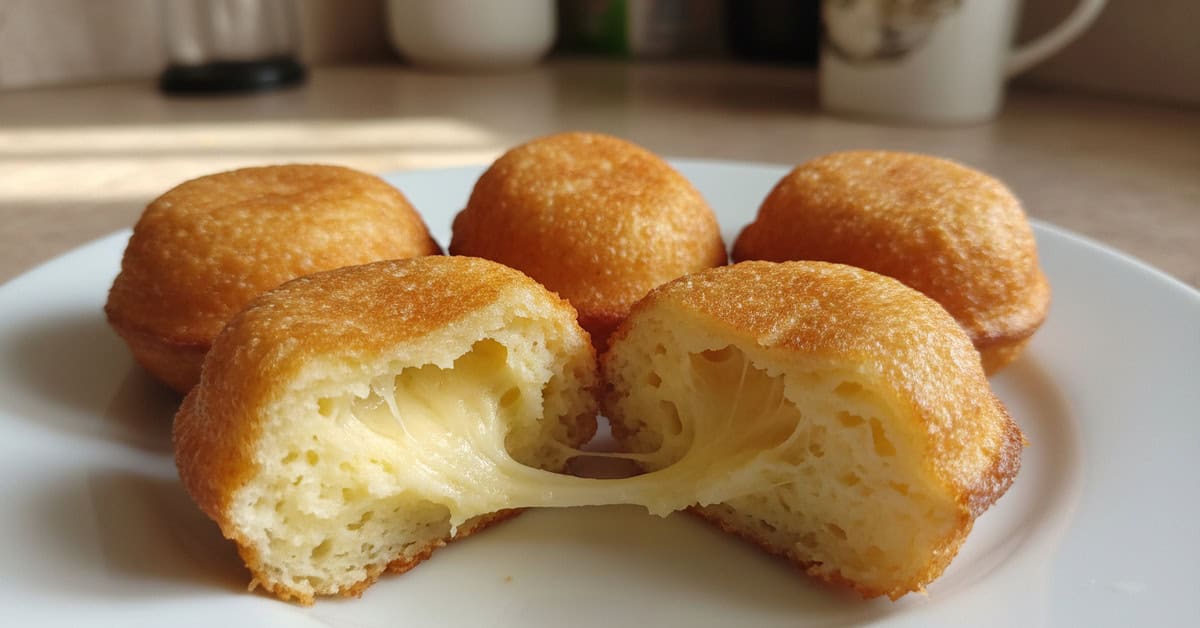

Traditional chibé combines Brazilian cassava meal with fresh water. In this warm version, the meal is cooked in salted water and served with carne de sol (Brazilian salt-cured beef), fried fish or grilled vegetables.
Chibé is a simple Brazilian dish made with cassava meal and water. It goes with all sorts of regional dishes. Here you’ll find the ingredients and method for our warm version, along with a little of the history behind chibé.
Ingredients for chibé
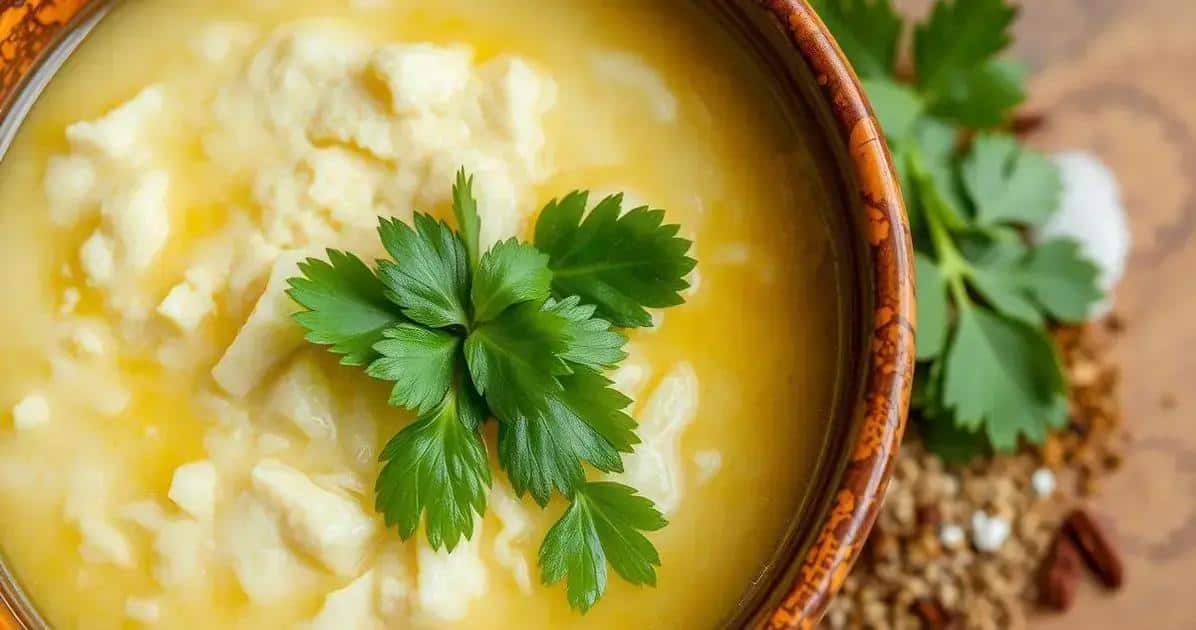
To make chibé, you’ll need the following ingredients.
- 1 cup Brazilian cassava meal (farinha de mandioca). It gives the dish its texture.
- 2 cups water to hydrate the cassava meal.
- Salt to taste, to bring out the flavour.
- Optional seasonings or herbs. Try fresh coriander or spring onions.
With these simple ingredients you can make a side dish for meat or vegetables, or enjoy it on its own as a snack.
How to make warm chibé
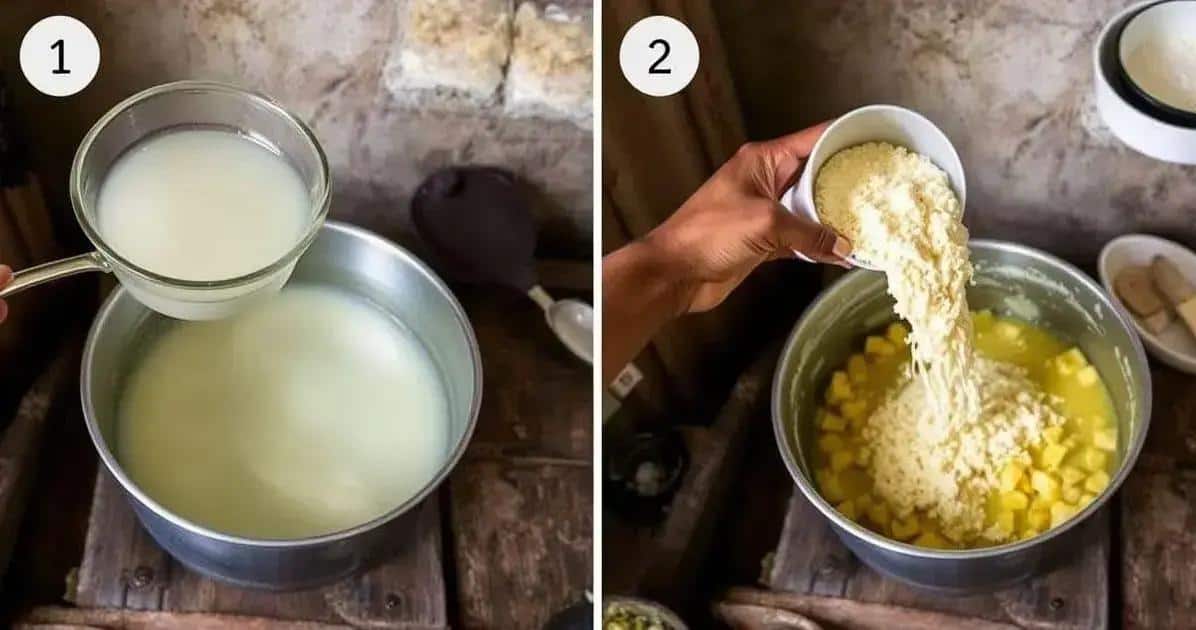
Follow these steps to prepare chibé in a saucepan.
- Pour the 2 cups of water into a saucepan and bring to the boil over a medium heat.
- Stir the salt into the boiling water.
- Once the water boils, turn down the heat. Gradually add the cup of cassava meal, stirring constantly to prevent lumps.
- Keep stirring for about 5 to 10 minutes, until the mixture is smooth and begins to pull away from the sides of the pan.
- Take the pan off the heat and let the mixture cool a little before serving.
Serve this version warm in a bowl, or shape it into small balls.
A little about chibé
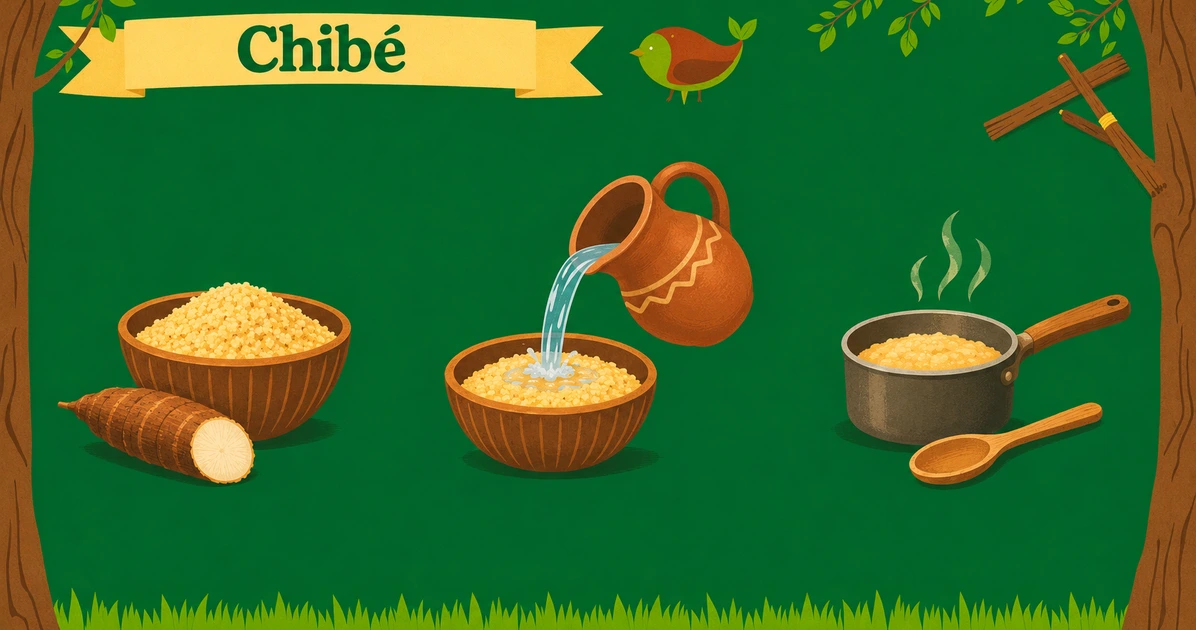
Chibé has a long history in Brazil. Here are a few things to know about it.
- Indigenous roots. Chibé has its origins in Indigenous Brazilian cooking, where cassava meal is a staple.
- Simple ingredients. Part of the appeal of chibé is how quickly and easily it can be prepared to accompany a meal.
- Regional variations. The method varies from place to place. Some versions include seasonings or even cheese.
- Serving this warm version. Try it with coconut milk or butter to bring out the flavour.
- Comfort food. For many Brazilians who grew up eating chibé, it brings back memories of childhood meals.
Ways to serve chibé
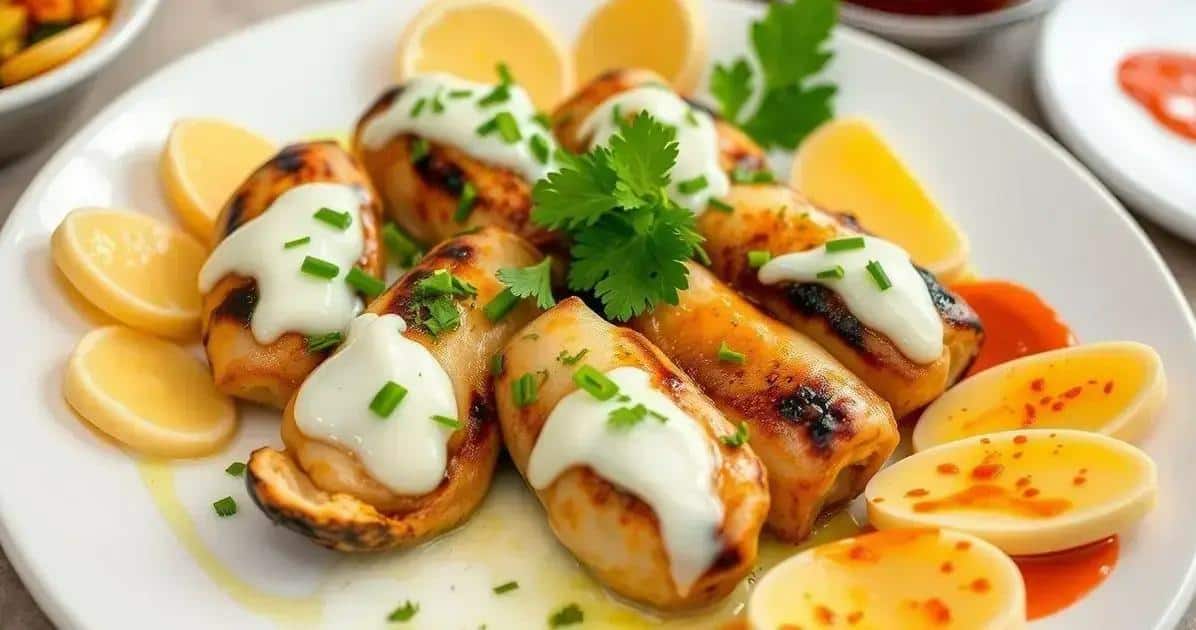
Here are a few additions you can use to flavour the warm mixture.
- Coconut milk adds creaminess and a delicate coconut flavour.
- Butter or margarine. A generous spoonful of melted butter over the top adds richness.
- Mature cheese. Stir it into the chibé or add it on top. The melted cheese complements the texture of the cassava.
- Fresh herbs. Finish with chopped coriander or spring onions for a fresh, aromatic note.
- Chilli sauce. Add a dash if you like a little heat.
What to eat with chibé
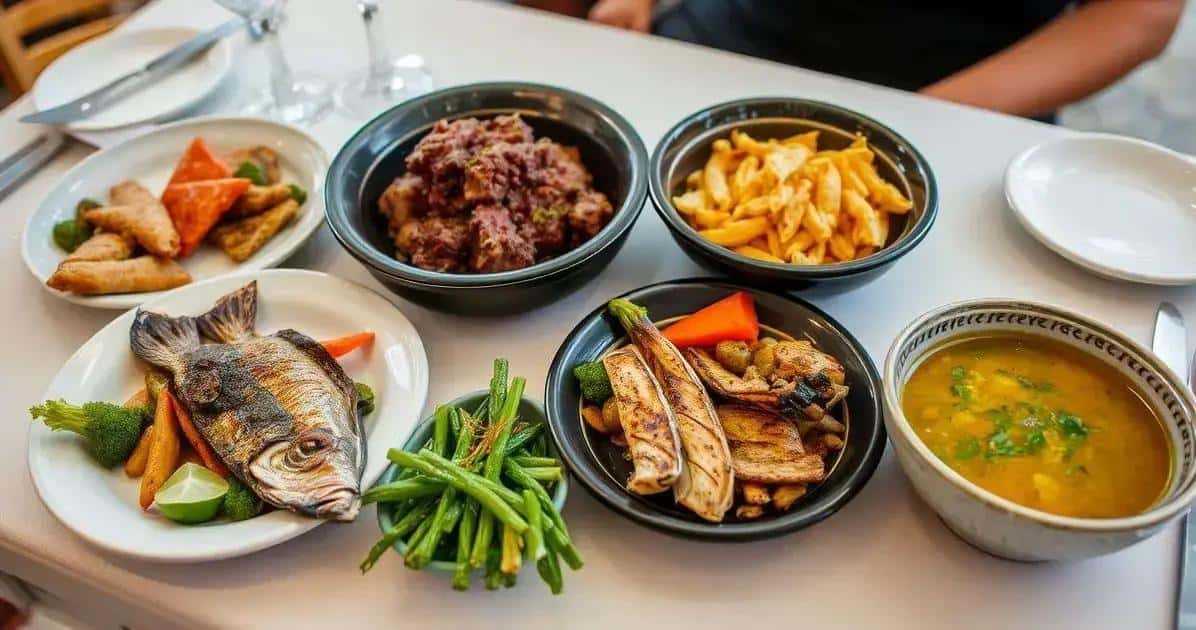
These dishes go especially well with it.
- Carne de sol. This traditional Brazilian salt-cured beef adds a savoury, juicy contrast.
- Fried fish. A crisp piece of fish balances the soft cassava mixture.
- Grilled vegetables. Courgettes and aubergines add colour and make a light accompaniment.
- Shredded chicken. Lightly seasoned chicken adds protein and a home-cooked flavour.
- Vegetable soup. A bowl of hot vegetable soup turns this into a particularly comforting meal.
Thank you for cooking chibé with us
Now that you know how to make chibé and what to serve alongside it, there are plenty more recipes to explore.
Thanks for visiting. Follow our cooking adventures on social media and join our community for the latest recipes.
Visit the Mestre das Receitas cooking site for more recipes and tips. We’d love to hear what you think and how your dish turned out.
Frequently asked questions about chibé
What is chibé?
Traditional Brazilian chibé is a mixture of cassava meal and fresh water. In this recipe, we cook it and serve it as a side dish.
What ingredients do I need for chibé?
You need cassava meal, water and salt. Add other seasonings to taste if you like.
How do I prepare this version of chibé?
Bring salted water to the boil, gradually add the cassava meal and stir until the mixture reaches the consistency you want.
What can I serve with chibé?
Chibé goes well with carne de sol, fried fish, grilled vegetables, soup or shredded chicken.
What is the history of chibé?
It has Indigenous roots and is a comfort food in many parts of Brazil. For many people, its flavour brings back memories of childhood.
How should I serve it?
Serve the mixture warm with coconut milk or butter on top, or shape it into small balls that are easy to eat.