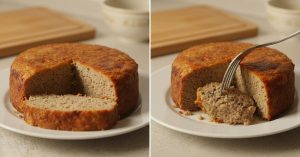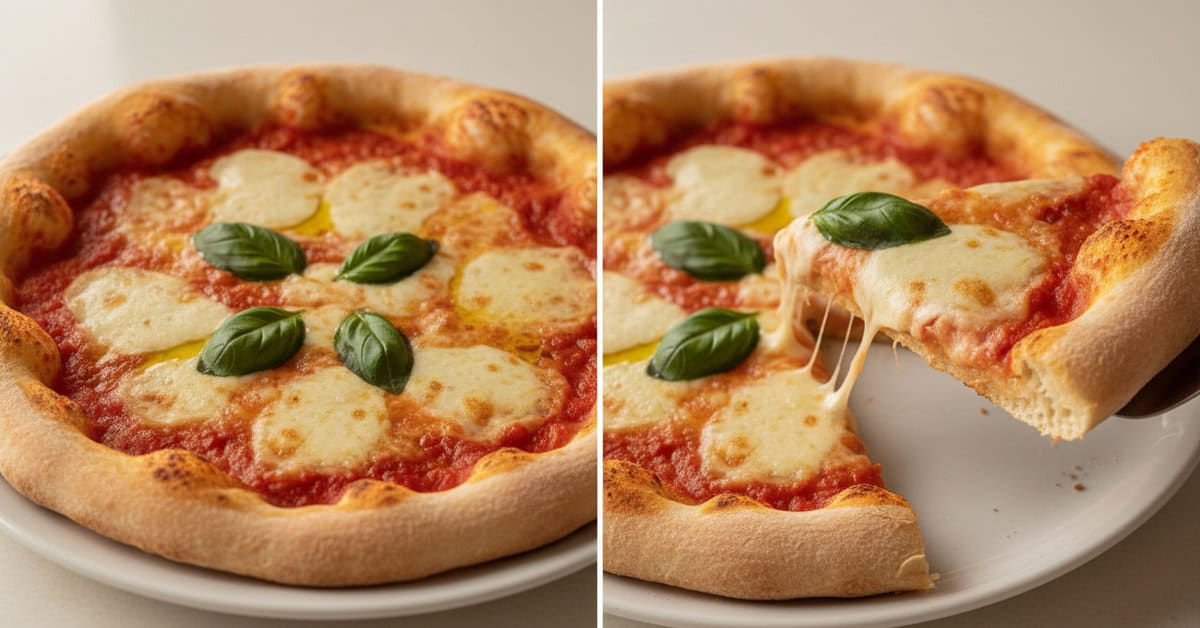

Chicago deep-dish pizza has a buttery, high-sided crust lined with mozzarella, precooked toppings and thick tomato sauce on top. A heavy deep pan gives it a golden base and a rich, melting centre.
Chicago deep-dish pizza is generous by design: a tall crust, plenty of cheese and a substantial tomato sauce. Here’s how to make it at home, from choosing the pan to slicing the finished pizza.
The history of Chicago deep-dish pizza

Deep-dish pizza emerged in Chicago in the 1940s as a more substantial pizza to share. Its deep layers and bold flavours set it apart.
Early makers
Pizzeria Uno, which opened in 1943, is often cited as the starting point. Ike Sewell is one of the names linked with its origins, and the city’s bakers and pizzeria owners helped shape the dough, toppings and baking method.
Original characteristics
Early versions used deep, often metal pans and a rich, buttery crust. Cheese went straight onto the dough, followed by the filling and finally a thick tomato sauce. This order sheltered the cheese from the oven’s direct heat.
Influences and context
The dough draws on Italian traditions, but deep dish developed as a distinctly American pizza for a family table. Immigrant cooks, local ingredients and Midwestern tastes all played a part.
Evolution and legacy
Toppings, crust thickness and more elaborate interpretations have changed over the decades. The generous, layered pie baked in a deep pan remains the defining idea.
Ingredients for Chicago deep-dish pizza
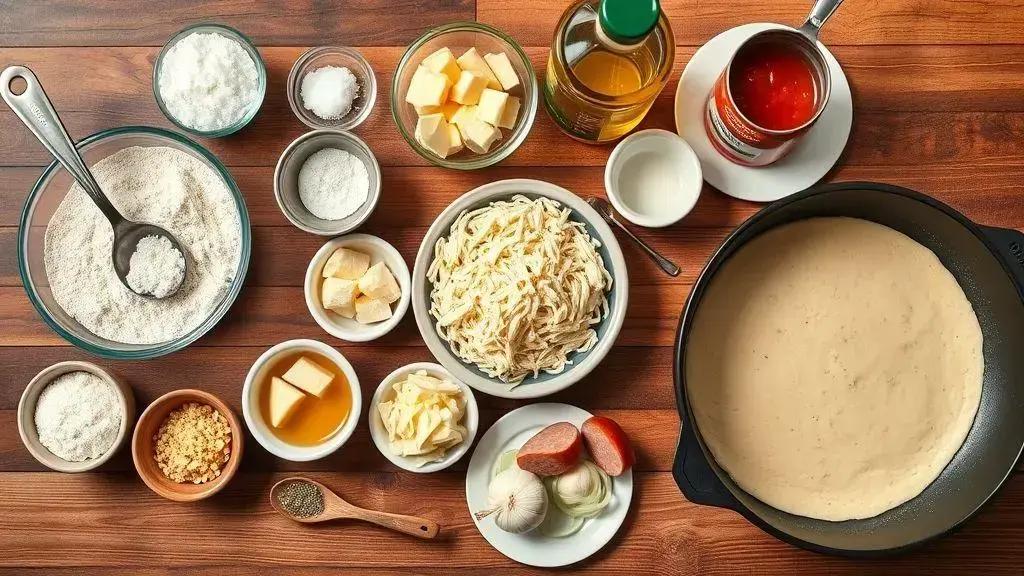
For this classic-style Chicago deep-dish pizza, gather the following ingredients.
- 500 g plain or type 00 wheat flour, or 450 g wholemeal flour for a more rustic crust.
- 2 tbsp fine cornmeal, optional, for a little crunch.
- 10 g dry baker’s yeast (one 10 g sachet) or 30 g fresh yeast.
- 1 tbsp sugar to help activate the yeast. Reduce to ½ tbsp for a less sweet dough.
- 1 tsp salt, or to taste.
- 240 ml lukewarm water at 35–40°C, or warm milk for a richer dough.
- 60 ml olive oil or 60 g melted butter for a more buttery crust.
- 150 g cold butter, diced, optional, for a richer, flakier dough.
- 400–500 g grated mozzarella. Choose a good melting cheese, or vary with provolone or a blend.
- 200 g grated Parmesan, or pecorino for a stronger flavour.
- 800 g canned peeled tomatoes or thick tomato sauce. Canned San Marzano tomatoes or homemade sauce work well. Adjust salt and sugar to taste.
- 2 garlic cloves, finely chopped, or 1 tsp garlic powder.
- 1 tbsp dried oregano or 1 tbsp chopped fresh basil.
- 200–300 g Italian sausage or pepperoni, optional. For a vegetarian pizza, use grilled aubergine or mushrooms.
- About 1 tbsp butter or oil to grease the pan and help brown the base.
Quick substitutions and tips
With wholemeal flour, hold back 1–2 tbsp water initially and add it if the dough needs it. For a more buttery crust, replace some of the oil with cold diced butter. Drain and crush peeled tomatoes by hand for a thick sauce. Put the cheese against the dough and the sauce on top.
How to make Chicago deep-dish pizza

- Mix 10 g dry yeast and 1 tbsp sugar with 240 ml lukewarm water (35–40°C). Leave for 5–10 minutes until foamy.
- Combine 500 g flour, 2 tbsp cornmeal if using and 1 tsp salt in a large bowl. Add the yeast mixture and 60 ml olive oil and mix to form a dough.
- Knead on a lightly floured surface for 8–10 minutes until smooth and elastic. If sticky, dust with small amounts of flour. If dry, add water 1 tbsp at a time.
- For a flakier crust, work 150 g cold diced butter into the dough in stages, pressing it in to distribute it.
- Shape into a ball, brush lightly with oil and cover. Let rise in a warm place for 60–90 minutes, until doubled.
- Grease a 25–28 cm deep pizza pan or cast-iron frying pan with butter or oil. Dust the base with 1 tbsp cornmeal for extra crunch.
- Gently press the air out of the dough. Stretch by hand and press over the base and up the sides of the pan to form a high rim. Let it rest for 10 minutes, then even out the thickness.
- Spread 400–500 g grated mozzarella directly over the dough in an even layer. Add the precooked toppings, such as cooked sausage or sautéed vegetables.
- Spoon 800 g thick tomato sauce or crushed peeled tomatoes over the toppings. Season with salt and, if the tomatoes taste sharp, up to 1 tsp sugar.
- Scatter 150–200 g grated Parmesan over the sauce to add flavour and encourage browning.
- Bake in a preheated oven at 220–230°C for about 25–35 minutes, until the crust is golden and the sauce bubbles. If using a cast-iron pan, bake in it directly. Adjust the time to suit your oven.
- Let the pizza rest for 10–15 minutes before cutting so the filling settles and the tall slices hold their shape.
- Precook watery toppings, such as mushrooms and aubergine. For a crisper base, blind-bake the crust for 5–7 minutes before filling. To freeze unbaked dough, shape it in a greased pan and wrap tightly.
Dough techniques for a crisp outside and tender middle

The balance of water, fat, fermentation time and oven heat determines how the crust browns and how soft the inside stays.
Adjusting the water
Use water equal to 48–60% of the flour’s weight, adjusting gradually. More water generally gives a softer, more open crumb, especially with flour that absorbs plenty of liquid.
Adding fat
About 45–60 g olive oil or butter per 500 g flour adds flavour and helps the crust brown. Carefully working in cold butter creates flakier layers.
Fermentation and time
A slow rise in the fridge for 12–24 hours develops flavour and improves the dough’s structure. A short, warm rise gives the flavour less time to develop and may produce a denser crumb.
Kneading and resting
Knead by hand for about 8–10 minutes until elastic. Let the shaped dough rest for 10 minutes so it relaxes before filling.
Lining the pan and protecting the filling
Press the dough across the base and up the sides. Layer the cheese below the toppings and sauce to shelter it from direct heat and keep it creamy.
When to blind-bake
Bake the unfilled crust for 5–7 minutes in a hot oven if you want a firmer, crisper base. Add the toppings promptly and return to the oven.
Temperature and pan
Bake at 220–240°C in a preheated oven, using a cast-iron or other heavy deep pan. A substantial pan distributes heat and helps brown the base while the filling cooks.
The dough method at a glance
- Use 240–300 ml warm water per 500 g flour, adding it gradually until the dough feels slightly tacky.
- Work in 45–60 g olive oil or butter.
- Knead for 8–10 minutes until smooth and elastic.
- Let rise for 60–90 minutes at room temperature or 12–24 hours in the fridge for more flavour.
- Grease the deep pan, press the dough over the base and up the sides and rest for 10 minutes.
- Layer in this order: cheese, precooked toppings, thick sauce and Parmesan.
- Bake at 220–240°C for 25–35 minutes, checking for a golden crust and bubbling sauce.
Precook moist toppings, dust the pan with cornmeal for extra crunch and let the pizza rest for 10 minutes before cutting.
Sauces and cheeses for deep-dish pizza

A concentrated sauce and the right melting cheeses give the filling richness without soaking the crust.
Choosing a sauce
Use a thick sauce with little free liquid. Chunky tomato sauce or roasted tomato sauce gives both texture and concentrated flavour.
- Traditional thick tomato sauce: rich and seasoned with garlic and basil.
- Roasted tomato sauce: roasting concentrates the tomatoes’ sweetness and savoury flavour.
- A light cream sauce can work in a four-cheese variation. Use it sparingly to avoid excess moisture.
Recipe for thick tomato sauce
Ingredients
- 800 g canned peeled tomatoes, or 1.2 kg ripe fresh tomatoes, peeled.
- 2 tbsp olive oil for sautéing.
- 2 garlic cloves, finely chopped.
- 1 tsp sugar, optional, to balance the acidity.
- 1 tbsp dried oregano or 1 tbsp chopped fresh basil.
- Salt and ground black pepper to taste, adjusted at the end.
Method
- Heat 2 tbsp olive oil over medium heat. Sauté the garlic for 30–60 seconds until fragrant, without browning.
- Add the tomatoes, crushed by hand or chopped, and stir to combine.
- Simmer gently for 20–30 minutes, stirring occasionally, until thick and reduced.
- Add the oregano, salt and pepper, with up to 1 tsp sugar if needed. Cook for another 5 minutes.
- Allow the sauce to cool slightly before assembly. A thick, slightly cooled sauce is easier to spread without wetting the dough.
Recommended cheeses
Combine cheeses that melt well with others that bring more pronounced flavour. Use enough to make the middle creamy while leaving room for the other layers.
- Low-moisture mozzarella: 400–500 g for a medium pan. It melts evenly and releases little water.
- Provolone: 100–150 g for a stronger flavour and good stretch, especially mixed with mozzarella.
- Fontina or Gouda: 100–150 g for a smooth, creamy layer.
- Grated Parmesan or pecorino: 100–150 g for the finishing layer and a savoury crust.
- Seasoned ricotta, optional: 100 g for a milder variation. Use in moderation to limit moisture.
Useful substitutions
If low-moisture mozzarella is unavailable, pat fresh mozzarella dry with kitchen paper and let it drain in the fridge for 30 minutes. For a vegetarian filling, swap sausage for sautéed mushrooms or grilled aubergine.
Layering the pizza
Put cheese directly on the dough, then add the toppings and sauce. This protects the cheese from direct heat and keeps the middle creamy.
- Layer 1: grated mozzarella against the dough.
- Layer 2: precooked toppings, such as sausage, mushrooms or peppers.
- Layer 3: a layer of thick tomato sauce over the toppings.
- Layer 4: grated Parmesan for the browned finish.
Storage and advance preparation
Prepare the tomato sauce ahead. Refrigerate promptly in a sealed container for up to 5 days at 4°C or colder, or freeze for up to 3 months. Grate and drain moist cheeses before assembly. If assembling ahead, keep the pizza chilled until baking.
Regional and vegetarian variations
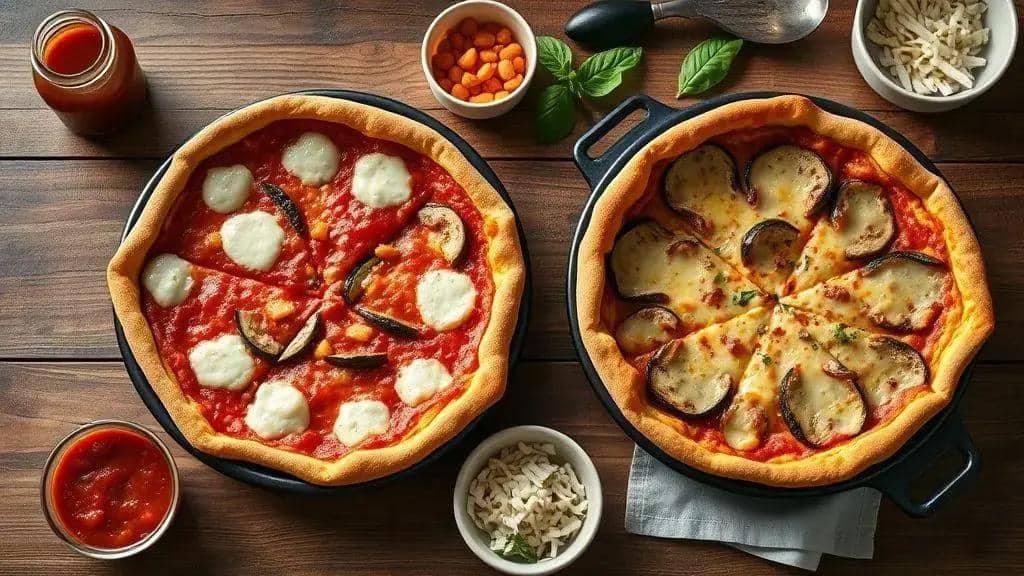
Deep-dish pizza can accommodate regional flavours and vegetarian ingredients while keeping its hallmark high-sided crust and rich filling.
Common regional variations
Some pizzerias keep to the classic method while others adapt it to local tastes.
- Stuffed pizza has a second layer of dough over the filling, making a deeper, richer pie.
- Traditional Chicago deep dish uses a buttery crust with cheese against the dough and thick sauce on top.
- A hybrid combines deep-dish techniques with the crisp edge associated with Chicago tavern-style pizza.
Vegetarian adaptations and substitutions
Control moisture when replacing the meat with vegetables. These ingredients make a substantial vegetarian pizza.
- 500 g prepared deep-dish pizza dough from the basic recipe.
- 800 g thick tomato sauce, well reduced to avoid soaking the dough.
- 400 g grated mozzarella, or 350 g vegan mozzarella as an alternative.
- 200 g portobello mushrooms, sliced and sautéed to cook off excess water.
- 150 g aubergine, diced and grilled, for a substantial bite.
- 100 g courgette, sautéed and drained.
- 150–200 g plant-based sausage, optional, for a meatier texture.
- 100–150 g grated vegetarian Parmesan-style cheese, or 3 tbsp nutritional yeast for a vegan version.
- 2 tbsp olive oil for sautéing the vegetables.
- Basil leaves and oregano to taste, to finish.
Assembling the vegetarian pizza
- Grill or sauté the mushrooms, aubergine and courgette until their excess water evaporates. Season with salt and pepper.
- For a crisper base, line the pan with dough first and blind-bake for 5 minutes in a hot oven.
- Grease the deep pan and press the dough across the base and up the sides to form a high rim. Do this before blind-baking if using that option.
- Spread the mozzarella or its alternative evenly over the dough to protect it from the sauce’s moisture.
- Distribute the precooked vegetables and plant-based sausage over the cheese.
- Cover with thick tomato sauce, keeping the layer even so it doesn’t pool in the centre.
- Scatter over the grated cheese or nutritional yeast.
- Bake at 220–230°C for 25–35 minutes, until golden and bubbling. Rest for 10 minutes before slicing.
Avoiding excess moisture
- Always precook watery vegetables such as mushrooms and aubergine, then drain off any liquid.
- Use thick sauce and reduce it further if necessary.
- Layer the cheese against the dough to keep the sauce from seeping into the crust.
- Pat fresh cheeses dry with kitchen paper before using.
Suggested combinations
- Classic vegetarian: mozzarella, mushrooms, aubergine and basil.
- Spicy: mozzarella, roasted peppers, spicy plant-based sausage and oregano.
- Vegan cheese variation: vegan mozzarella, vegan provolone, nutritional yeast and an optional drizzle of truffle oil.
Kitchen tips for deep-dish pizza

These small changes to mixing, layering and baking help give deep-dish pizza its golden crust and creamy centre.
Deep-dish details
- The classic cheese-first order shelters the cheese below the sauce so it does not scorch.
- A dusting of cornmeal or semolina on the pan adds crunch and makes the pizza easier to lift out.
- Cast iron retains heat and helps the crust brown evenly.
- Stuffed pizza differs from standard deep dish because it has a second dough layer over the filling.
Essential kitchen tips
- Weigh flour, water and cheese for consistent results from one batch to the next.
- A slightly tacky dough gives a softer crumb. Adjust the water gradually.
- Working in cold diced butter adds flavour and can create flaky layers.
- Spread the mozzarella over the dough before adding the fillings and sauce to retain a soft, melting interior.
- Reduce the sauce thoroughly. Canned peeled tomatoes can be drained and cooked down until thick.
- For a crisper base, you can preheat the pan in the oven for a few minutes. Shape the dough on baking parchment first and lower it into the hot pan using the parchment and oven gloves, keeping your hands clear of the metal.
- Bake at 220–240°C for a well-browned crust without drying the centre. Adjust the time to suit your oven.
- Rest the pizza for 10–15 minutes after baking so the filling firms enough to cut neat slices.
Common mistakes to avoid
- Thin sauce releases water and soaks the dough.
- Raw, watery toppings can leave excess moisture in the filling.
- A thin pan may distribute heat unevenly.
- Slicing immediately after baking lets the filling run out.
Finishing touches
Add fresh basil leaves or a drizzle of olive oil after baking for more aroma. Cut even slices and lift them with a broad spatula.
Thanks for reading! We hope this recipe and the tips for Chicago deep-dish pizza inspire you to make it at home.
Follow us on social media for more recipes, quick tips and videos. Share your photos and tag our page so we can see how yours turned out.
Visit the Mestre das Receitas blog for more tested recipes and easy ideas. Enjoy your pizza!
Frequently asked questions about Chicago deep-dish pizza
What ingredients are essential for Chicago deep-dish pizza?
Flour, yeast, water, olive oil or butter, low-moisture mozzarella, Parmesan and a thick tomato sauce form the basis of this recipe.
How do I stop the crust from getting soggy?
Use a thick sauce, precook moist toppings such as mushrooms and aubergine, put the cheese on the dough first and bake in a heavy deep pan.
What oven temperature and baking time work best?
Preheat the oven to 220–240°C and bake for 25–35 minutes, until the crust is golden and the sauce bubbles. Adjust for your oven.
Which cheeses work best?
Low-moisture mozzarella melts evenly. Provolone or fontina adds flavour, and grated Parmesan gives a savoury finish on top.
How can I make the pizza vegetarian?
Replace the meat with sautéed mushrooms, grilled aubergine and courgette. Precook and drain the vegetables and choose cheeses suitable for vegetarians.