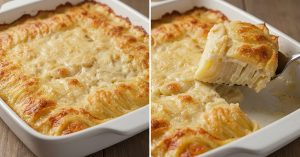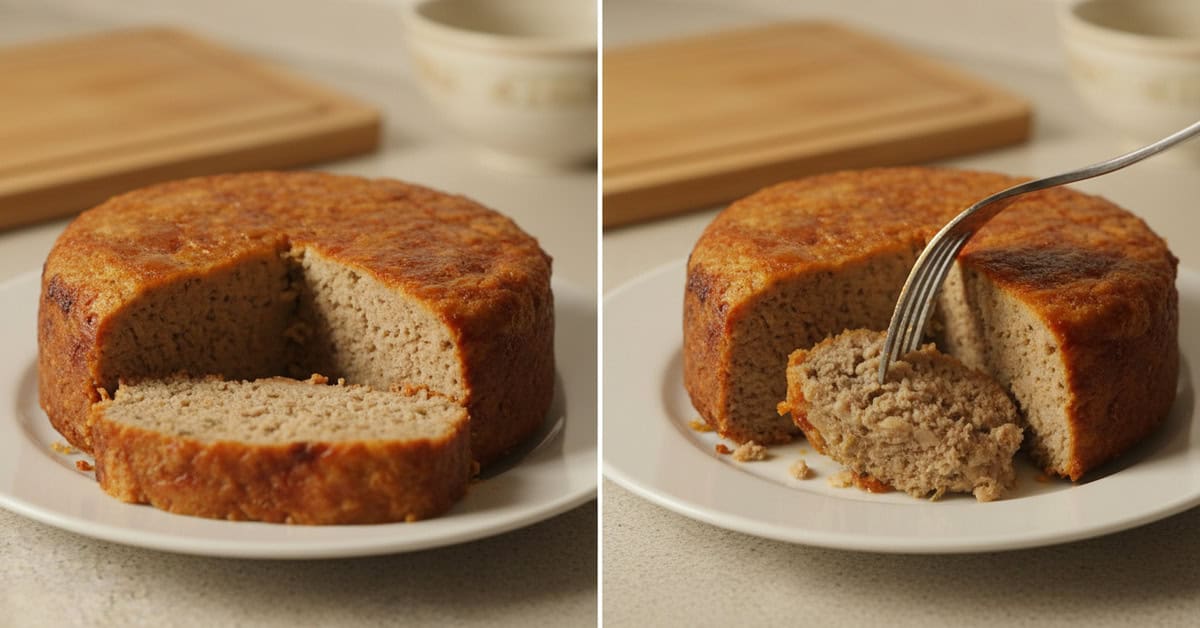

Midwestern meatloaf combines ground beef and pork, milk-soaked breadcrumbs and eggs under a ketchup and brown sugar glaze. Mix gently and bake until a thermometer reads at least 160°F (71°C) in the center. Rest for 10–15 minutes for juicy, easy-to-cut slices.
Midwestern meatloaf is home cooking at its best: simple, juicy and full of flavor. Ready to make the classic version, with a few chef’s tips for a tender crumb and a glaze worth saving for the last bite? Let’s cook.
Ingredients for Midwestern meatloaf
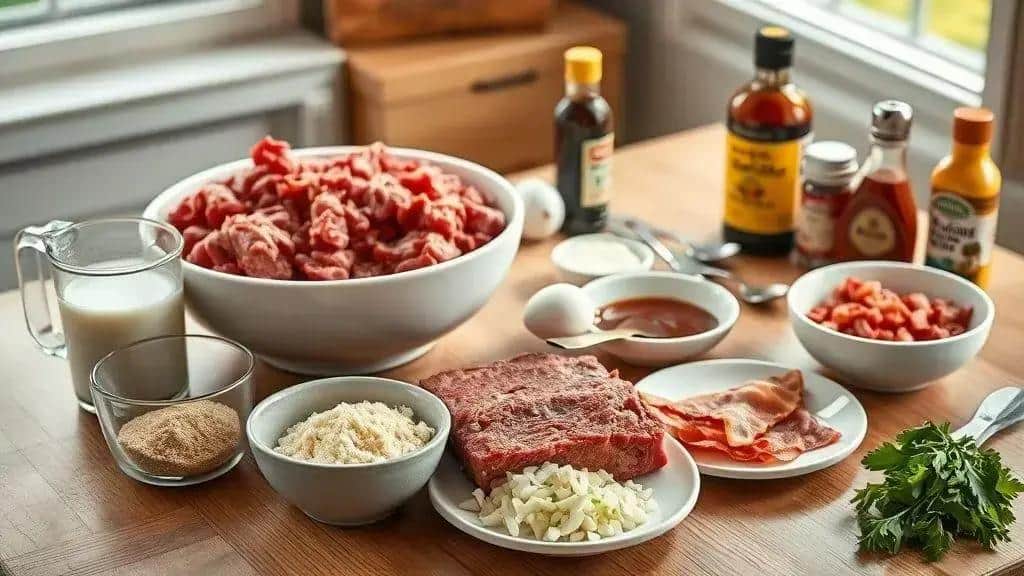
Gather the following ingredients for the meatloaf:
- 900 g ground meat, at least 80% lean. For a particularly juicy loaf, use 450 g ground beef and 450 g ground pork.
- 1 cup (120 g) breadcrumbs to bind the loaf. Substitute quick oats or gluten-free breadcrumbs for a gluten-free version, choosing certified gluten-free oats if needed.
- 2 large eggs to hold everything together. For a plant-based binder, let 2 tablespoons ground flaxseed soak in 6 tablespoons water.
- 120 ml milk. Plant-based milk also works, or use beef broth for a deeper flavor.
- 1 medium onion, finely chopped (about 1 cup). Sauté it briefly so there are no raw pieces in the loaf, or substitute onion powder.
- 2 cloves garlic, minced, or ½ teaspoon garlic powder.
- 2 tablespoons Worcestershire sauce for a savory edge. Soy sauce is an alternative if its ingredients suit your dietary needs.
- 1 tablespoon Dijon mustard (optional) to bring out the flavor.
- Salt and black pepper: start with about 1 teaspoon salt and ½ teaspoon pepper, adjusting to taste.
- ¼ cup chopped fresh parsley or 1 tablespoon dried parsley.
- For the glaze, stir together ½ cup ketchup, 2 tablespoons brown sugar and 1 tablespoon apple cider vinegar. Spread over the loaf before baking.
- Optional extras: 4 slices of bacon on top, ½ teaspoon crushed red pepper for heat, or ½ cup shredded cheese inside the loaf.
Quick swaps and variations
Meat: try ground pork leg, ground chicken or a blend with plant-based protein for a lighter loaf.
Allergy-friendly swaps: try certified gluten-free oat flour for the crumbs and gluten-free soy sauce in place of Worcestershire. Check the labels for the allergens you need to avoid.
Alternative glaze: replace the ketchup and sugar with prepared barbecue sauce for a smokier flavor.
How to make meatloaf, step by step
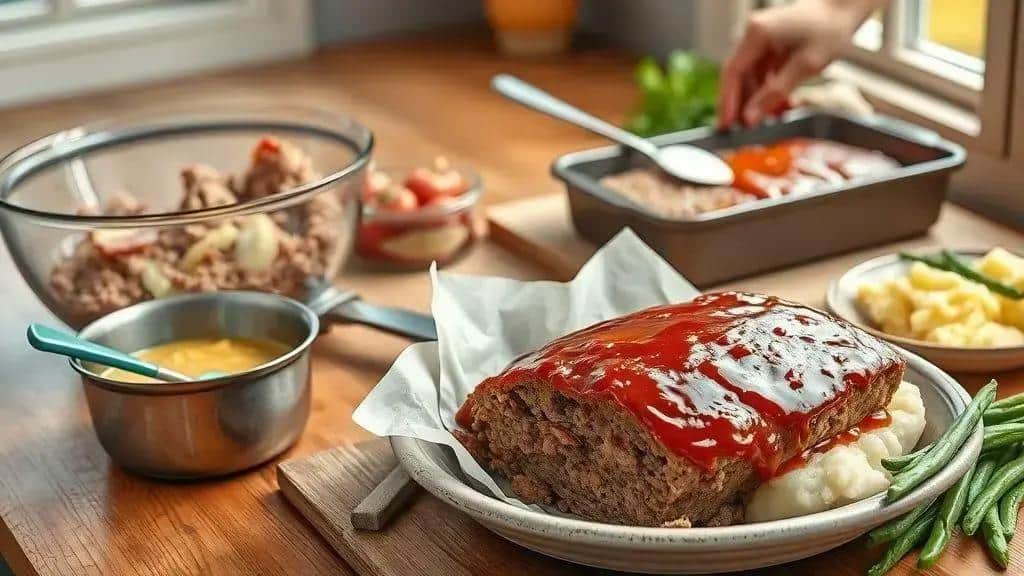
- Preheat the oven to 350°F (180°C). Grease a 9 × 5-inch (23 × 13 cm) loaf pan or line it with parchment.
- Chop 1 medium onion and crush 2 garlic cloves. Set aside.
- Heat 1 tablespoon oil in a skillet. Sauté the onion and garlic for 3–4 minutes until the onion turns translucent. Let cool.
- In a large bowl, combine 900 g ground meat, 1 cup (120 g) breadcrumbs, 2 eggs, 120 ml milk, 2 tablespoons Worcestershire sauce and the sautéed onion and garlic.
- Add 1 teaspoon salt, ½ teaspoon black pepper and ¼ cup chopped parsley. Fold together with your hands or a spatula just until combined.
- Avoid overmixing. The more you work the meat, the denser the loaf will be.
- Transfer the mixture to the pan and press it in gently, shaping a slightly rounded top so it bakes evenly.
- For the glaze, mix ½ cup ketchup, 2 tablespoons brown sugar and 1 tablespoon apple cider vinegar. Spread over the loaf before baking.
- If you like, lay 4 slices of raw bacon over the glaze for extra flavor and a crisp finish.
- Bake for about 45–60 minutes. Check the center of the beef and pork loaf with a food thermometer. It must reach at least 160°F (71°C).
- Insert the probe into the center of the thickest part without touching the pan. The color of the juices cannot tell you whether the meat is safely cooked.
- Take the loaf out of the oven, tent loosely with foil and rest for 10–15 minutes so it stays juicy and slices neatly.
- Cut with a sharp knife. Serve with mashed potatoes, roasted vegetables or your favorite sauce.
Quick tips for beginners
- For a juicier blend, use 450 g ground beef and 450 g ground pork.
- For a gluten-free loaf, replace the breadcrumbs with an equal measure of certified gluten-free quick oats or gluten-free breadcrumbs.
- If the mixture feels dry, add 1–2 tablespoons more milk.
- To reheat, slice the loaf, cover with foil and place in a 165°C oven (about 330°F). Start checking after 10–12 minutes. The center of each portion must reach 165°F (74°C).
What makes a tender, juicy meatloaf?
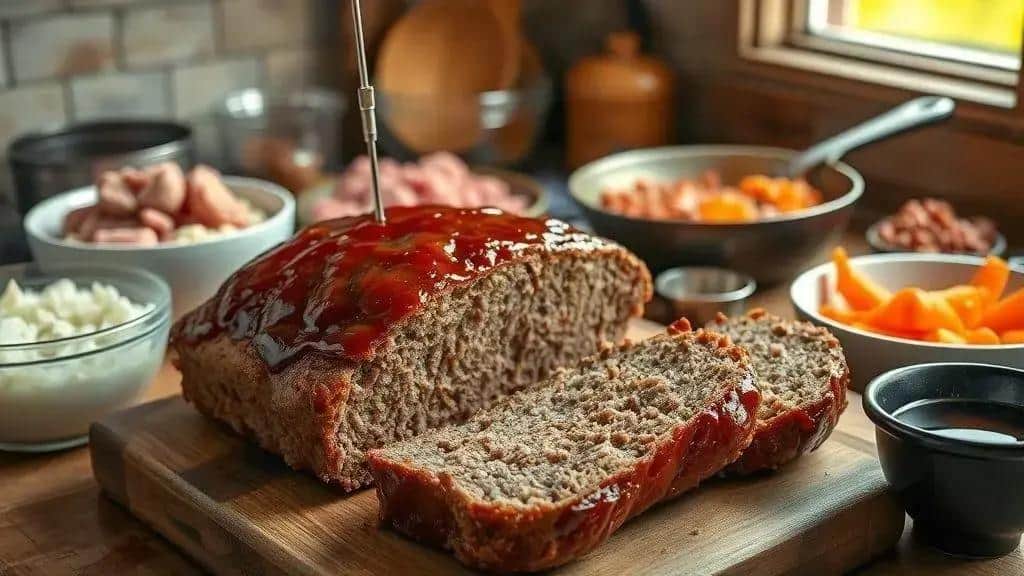
A juicy loaf comes down to the fat in the meat, how well you soak the crumbs and how lightly you mix.
Choosing your meat
- For a juicy result, use equal parts lean ground beef and ground pork, such as 450 g of each.
- Aim for roughly 15–20% fat overall. Very lean meat tends to dry out.
Binders and moisture
- Combine 1 cup (120 g) breadcrumbs with 120 ml milk and let the crumbs absorb it for 5 minutes before mixing.
- Two large eggs bind the loaf without making it tough.
- For moisture and a little natural sweetness, add ½ cup grated carrot or grated zucchini squeezed dry.
How to mix
- Start with the wet mixture. Combine the milk and breadcrumbs with the eggs, Worcestershire sauce and seasonings.
- Add that mixture to the meat, folding with your hands or a spatula just until evenly combined.
- Stop as soon as everything comes together. Overworking the meat makes a dense loaf.
Baking and checking the temperature
- Round the top slightly for even baking.
- Bake a beef and pork loaf to an internal temperature of at least 160°F (71°C), measured at the center.
- To keep the glaze from burning, apply it during the last 15–20 minutes. Tent with foil if the top gets too dark.
Resting and slicing
Rest the loaf outside the oven, loosely covered, for 10–15 minutes. The juices settle and the slices hold together.
Glazing and finishing
- Classic glaze: mix ½ cup ketchup, 2 tablespoons brown sugar and 1 tablespoon apple cider vinegar. Spread it on before baking and brush on another coat toward the end.
- Bacon adds richness and flavor. For a crisp finish, lay the strips on top for the last 20–25 minutes of cooking.
Quick tips
- Check the center with a food thermometer before serving. The juices can run clear before the meat reaches a safe temperature.
- If the mixture seems dry, work in another 1–2 tablespoons milk.
- For a quick sauce, save the pan juices and reduce them on the stovetop.
Regional variations and ingredient swaps
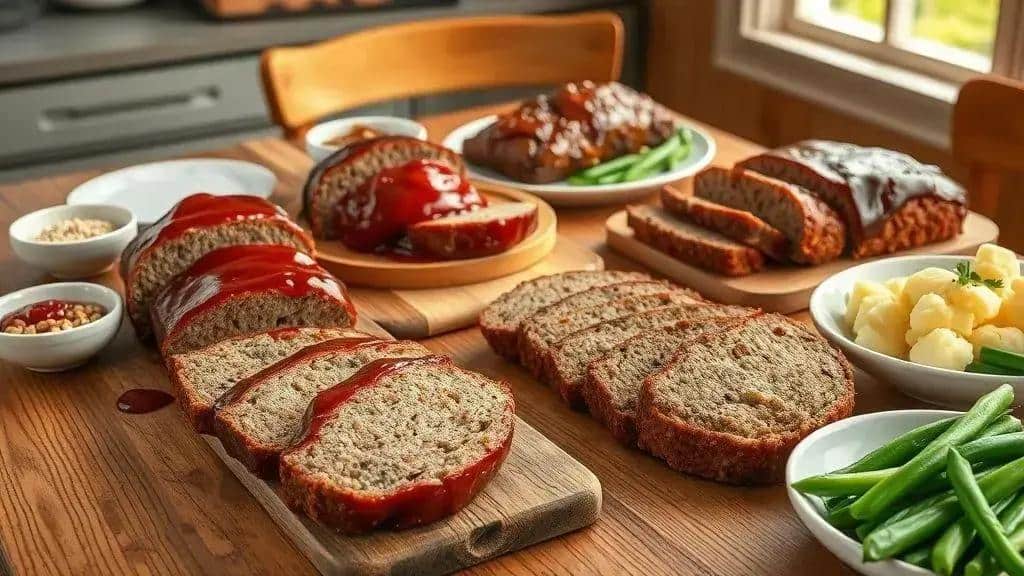
These variations let you change the flavor of the loaf with ingredients you may already have.
Popular regional styles
- Midwestern classic: equal parts beef and pork, finished with a ketchup and brown sugar glaze for a juicy, familiar family dinner.
- Southern barbecue style: use barbecue sauce in place of ketchup and add ½ teaspoon liquid smoke or smoked paprika.
- Italian-style: add ½ cup grated Parmesan and 1 teaspoon dried oregano. Top with ½ cup marinara sauce.
- For a lighter loaf, replace up to all of the meat with ground turkey and add 1 tablespoon olive oil to keep it moist. A loaf containing ground poultry must reach 165°F (74°C) in the center.
- For a vegetarian or vegan loaf, use a base of 2 cups cooked lentils and 1 cup finely chopped walnuts. Bind with 2 tablespoons soaked ground flaxseed and glaze with vegan ketchup.
Ingredient swaps
- Replace 1 cup (120 g) breadcrumbs with 1 cup quick oats or an equal measure of gluten-free breadcrumbs.
- Replace 120 ml milk with almond or oat milk, or use beef broth for a deeper flavor.
- For a plant-based substitute for 2 eggs, soak 2 tablespoons ground flaxseed in 6 tablespoons water for 5 minutes.
- In place of 2 tablespoons Worcestershire sauce, use 2 tablespoons soy sauce mixed with 1 tablespoon apple cider vinegar.
- For a different glaze, swap 2 tablespoons brown sugar for 1 tablespoon honey or maple syrup.
Adapting the loaf to dietary needs
- Gluten-free: replace the breadcrumbs with the same amount of certified gluten-free oats or rice flour.
- Lactose-free: use plant-based milk and omit the cheese or use a dairy-free alternative.
- Lower fat: use equal parts ground turkey and chicken, with ¼ cup pumpkin purée or applesauce to keep the loaf moist.
Tips for trying a variation
- To check the seasoning, cook a small portion separately. Before tasting, check its center with a thermometer: at least 160°F (71°C) for beef or pork, or 165°F (74°C) if it contains ground poultry. Then adjust the rest of the mixture.
- Measure the center of the thickest part. Ground beef and pork must reach at least 160°F (71°C). If the mixture includes ground chicken or turkey, bake to at least 165°F (74°C).
- Soak breadcrumbs or oats in liquid for 5 minutes before adding them so they do not draw moisture out of the loaf.
Classic Midwestern sides
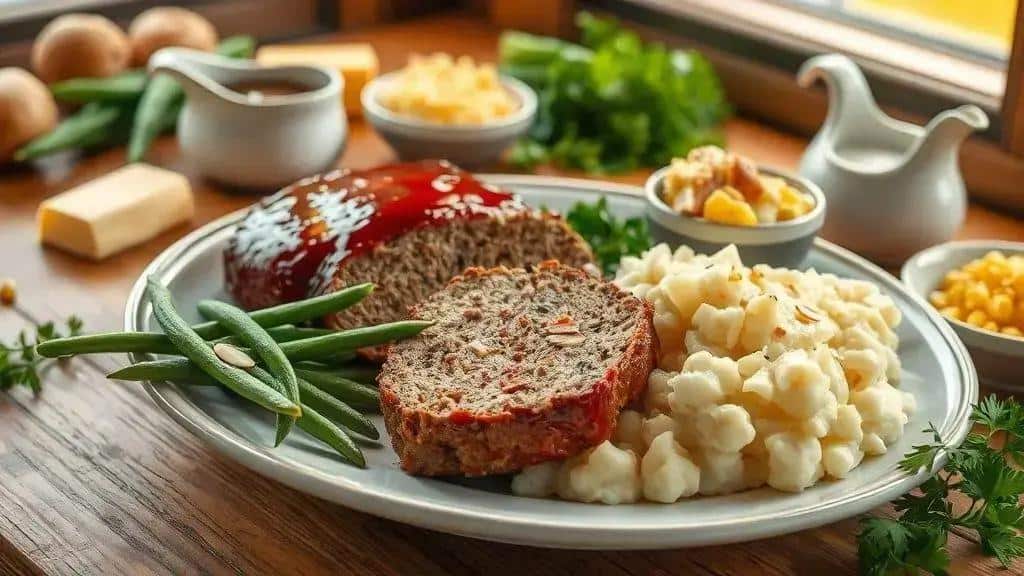
- Creamy mashed potatoes: allow about 200 g per person. Use 500 g potatoes, 50 g butter, 120 ml milk and salt to taste. For a lighter version, use plant-based milk and margarine.
- Green beans with almonds: allow 100 g per person. Sauté the beans in 1 tablespoon butter or olive oil, then add 2 tablespoons sliced almonds.
- Creamy mac and cheese: allow 150 g per serving. Use 200 g short pasta, 200 g cheddar, 200 ml milk and 1 teaspoon Dijon mustard. Bake briefly to brown the top.
- Roasted or creamed corn: allow 1 ear or 150 g creamed corn per person. Finish with 1 tablespoon butter and black pepper.
- Roasted vegetables: cube carrots and sweet potatoes, allowing 200 g per person. Toss with olive oil, salt, pepper and rosemary. Roast at 200°C (400°F) for 25–30 minutes.
- Classic coleslaw: allow 100 g per person. Combine 2 cups shredded cabbage, 1 grated carrot, 3 tablespoons mayonnaise, 1 tablespoon apple cider vinegar, and salt and pepper to taste.
- Rolls or corn muffins: allow 1 per person, about 50 g. Whole-grain or corn rolls are good for mopping up the sauce.
Putting the sides together
Choose one starch, such as mash or mac and cheese, and one vegetable, such as green beans or roasted roots. A serving of cool coleslaw adds crunch.
Portions and make-ahead tips
- Mash the potatoes a day ahead, refrigerate and reheat on the stovetop with a splash of milk.
- Prepare the mac and cheese ahead and refrigerate promptly. Bake to heat it through and brown the top before serving.
- Make coleslaw a few hours ahead so the flavors can mingle. Keep it refrigerated.
- For a quick gravy, reduce the meatloaf drippings in a saucepan and strain.
Serving ideas
- Warm the plates before serving to keep dinner hot for longer.
- Serve sliced meatloaf with a ladleful of gravy on the side and a generous scoop of mash.
- Finish with chopped fresh parsley or chives for color and freshness.
Storing and reheating meatloaf
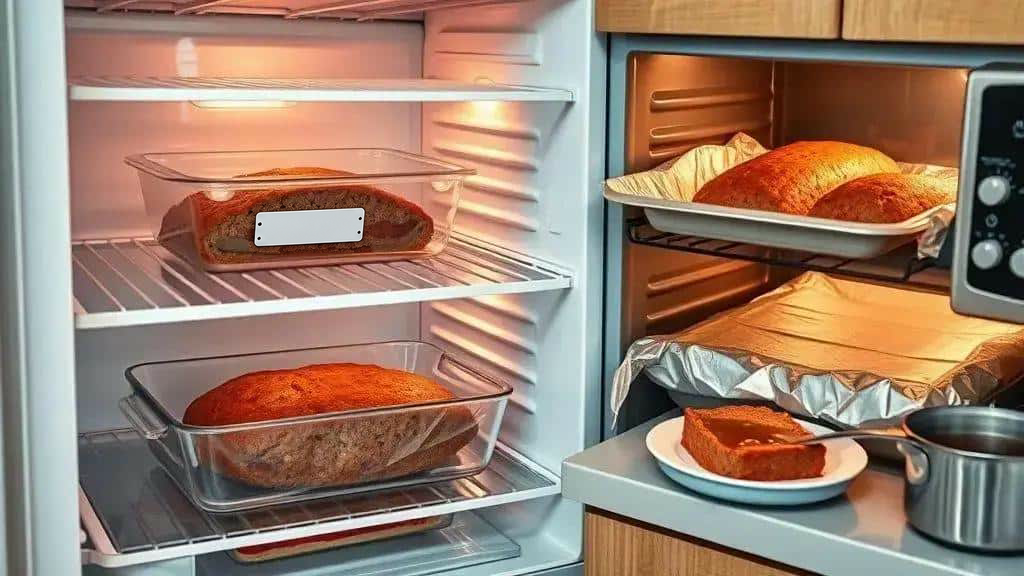
Cool and refrigerate the meatloaf promptly, wrap it well and reheat just what you need to keep the slices moist and flavorful.
Refrigerating and freezing
- Store in an airtight container or wrap tightly in plastic wrap and refrigerate. Eat within 3–4 days.
- For the freezer, wrap twice in plastic wrap and foil, or slip the wrapped loaf into a freezer bag to prevent freezer burn. It keeps its quality for up to 3 months.
- Keep the refrigerator at 40°F (4°C) or colder and the freezer at 0°F (−18°C) or colder.
How to wrap meatloaf
- Freeze in individual portions so you can thaw just what you need.
- Press the wrap close to the meat or squeeze excess air from a resealable freezer bag.
- Write the date on the bag or container to keep track of how long the meatloaf has been stored.
Thawing safely
- Transfer the frozen portions to the refrigerator to thaw overnight.
- If you do not reheat them right away, keep the thawed portions refrigerated and use within 24 hours.
Reheating juicy slices
Choose a method that heats the slices evenly and keeps moisture in:
- Oven: preheat to 165°C (about 330°F). Place the slices in a baking dish, add 1–2 tablespoons broth or water per portion and cover with foil. Heat for about 15–25 minutes, checking with a thermometer until the center of the slices reaches at least 165°F (74°C).
- Microwave: arrange slices on a microwave-safe plate. Cover with a vented lid or damp paper towel to hold in steam. Heat on medium in 30-second intervals, turning between intervals until evenly heated to 165°F (74°C).
- Oven water bath: place a pan of hot water on a lower rack and the foil-covered meatloaf above it. The steam helps keep the slices moist as they heat to 165°F (74°C).
- Vacuum-packed portions: remove the slices from the bag and reheat to at least 165°F (74°C) in the center. Sear briefly in a skillet at the end if you want a browned surface.
- Skillet: heat slices in a nonstick skillet with a little butter or oil over low heat. Cover for a few minutes to trap steam and check that the center reaches 165°F (74°C).
Practical tips
- Add a little broth, sauce or a spoonful of melted butter before heating to keep the slices moist.
- Take the slices off the heat as soon as the center reaches the 165°F (74°C) needed for reheating leftovers.
- Insert a food thermometer into the center of the thickest portion. Reheated leftovers must reach at least 165°F (74°C).
- Slice off and reheat only what you plan to eat to avoid repeated reheating.
Meatloaf facts and a closer look at ground meat
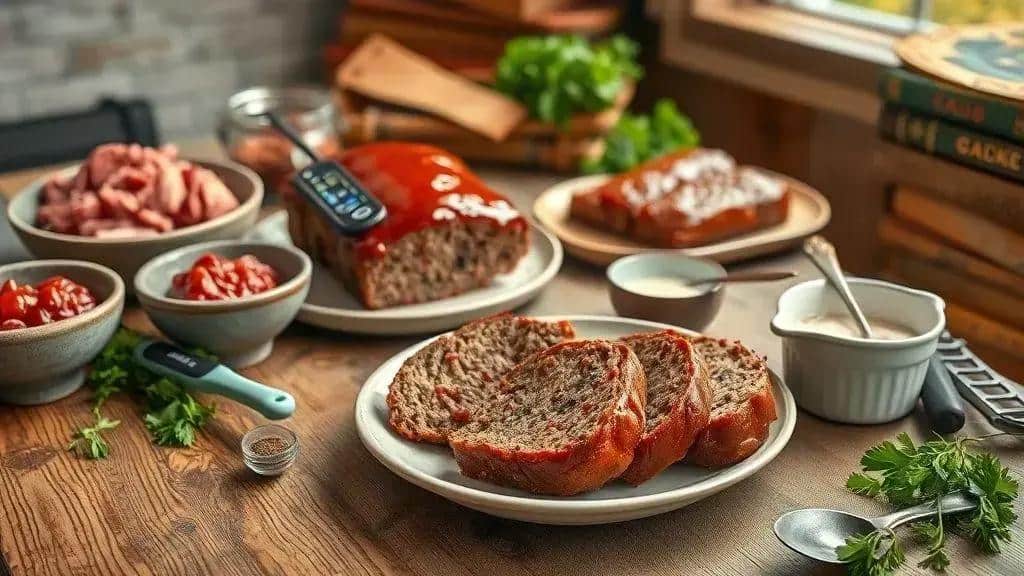
A few kitchen details and a long history help explain how meatloaf became such a favorite comfort food.
A little history
Dishes resembling meatloaf date back to ancient Rome. The modern loaf found a place on American tables during the 19th and 20th centuries as an economical, versatile meal, especially in the Midwest.
The main ingredient: ground meat
- Around 15–20% fat helps keep a loaf juicy. Very lean meat tends to dry out.
- Blending beef and pork brings together different flavors and textures.
- A coarse grind gives a rustic texture, while a finer grind produces more uniform slices.
Meatloaf in the kitchen
- A ketchup and brown sugar glaze forms a caramelized crust and helps keep moisture in the loaf.
- Soaking breadcrumbs or oats first keeps them from absorbing too much of the meat’s juices as it bakes.
- Mix only until the meat and seasonings are evenly combined. Overworking the mixture makes it dense.
Meatloaf in American culture
Family meatloaf recipes often appear at local fairs and events across the United States. Some hold contests for the best family recipe, the most creative glaze or the best sides.
A quick nutrition note
- Meatloaf provides plenty of protein. Its fat and sodium content depends on the meat and seasonings.
- For a lighter loaf, try ground turkey or leaner blends with vegetable purée for moisture.
Tips to remember
- Check the center with a thermometer. A beef and pork loaf must reach at least 160°F (71°C).
- Rest the loaf for 10–15 minutes after baking so the juices settle and it slices neatly.
- Meatloaf is a thrifty way to put meat trimmings to use and reduce waste.
Family and regional traditions
Every family has its own seasoning and glaze. In the Midwest, the sweet-savory combination of ketchup and brown sugar is a regional favorite.
Conclusion
A good meatloaf starts with the right meat, well-soaked crumbs and a light touch. Cook it to a safe internal temperature, then rest it for 10–15 minutes before slicing to keep the juices in.
Try a new seasoning or serve it with mash or roasted vegetables for a balanced plate. If the first loaf comes out dry or dense, a little extra liquid or fat, or a gentler hand when mixing, can make the difference.
Thanks for reading! Follow us on social media for easy recipes and practical tips, and visit the Mestre das Receitas blog for new ideas, variations and ways to make home cooking easier.
Frequently asked questions about Midwestern meatloaf
What is the best blend for a juicy meatloaf?
Use equal parts beef and pork, such as 450 g of each. The balance of flavor and fat helps keep the loaf moist.
Yes. An equal measure of certified gluten-free quick oats or rice flour helps bind the loaf and maintain its texture.
How do I reheat meatloaf without drying it out?
Add 1–2 tablespoons broth per portion, cover with foil and reheat in a 165°C oven (about 330°F) until the center reaches at least 165°F (74°C).
How long and at what temperature should I bake it?
Bake at 350°F (180°C) for about 45–60 minutes. A beef and pork loaf must reach at least 160°F (71°C) in the center.
How do I make a glaze that is not too sweet?
Mix ½ cup ketchup, 2 tablespoons brown sugar and 1 tablespoon apple cider vinegar. Brush it on during the last 15–20 minutes so it caramelizes without burning.