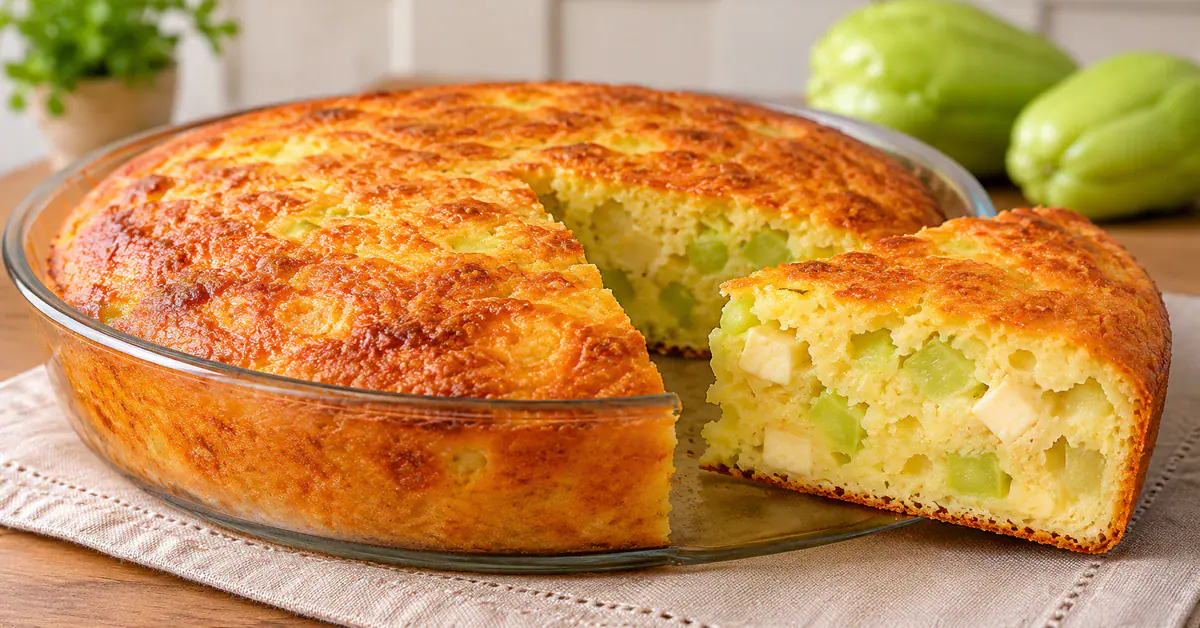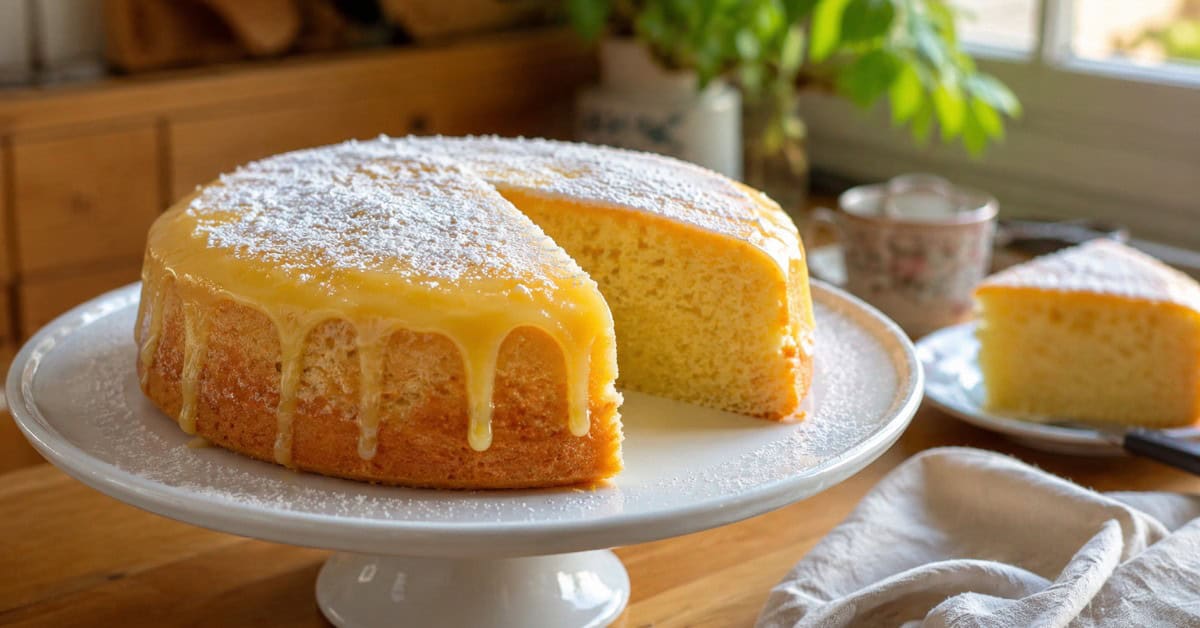

If there’s one cake that never loses its charm from one generation to the next, it’s cornflour cake. Light and fluffy, with a delicate crumb that melts in the mouth, it’s a favourite for afternoon coffee, simple birthday celebrations and those afternoons when you fancy baking something lovely without much fuss. Here you’ll find everything you need to make it from scratch, including ideas for variations, tips for getting the texture just right and much more.
1. Cornflour cake ingredients
You only need a few inexpensive ingredients, and you probably have most of them in your cupboard already. Each has a part to play, so it’s worth choosing them with care for the light, fragrant cake everyone loves.
1.1 Cornflour cake batter
These quantities are for a medium tin (22 cm in diameter) and make about 10 generous slices.
- 3 fresh free-range eggs – deep yellow yolks give the cake a richer colour and flavour
- 1 heaped cup of caster sugar – for a slightly more rustic texture, you can use granulated sugar
- 1/2 cup of unsalted butter at room temperature – it blends in easily and gives the cake a wonderfully tender crumb
- 2 cups of sifted cornflour – sifting makes all the difference to the lightness of the finished cake
- 1/2 cup of lukewarm whole milk – the warmth helps activate the ingredients and gives the batter a smoother consistency
- 1 tablespoon of baking powder – always fold it in by hand at the very end
- Finely grated zest of 1 lemon or orange – optional, though a little citrus completely changes the flavour of the cake
Use pure cornflour with no wheat flour mixed in, especially if you’re making the gluten-free version. Check the label, as some brands use shared processing facilities.
1.2 Simple syrup (optional but recommended)
If you like a moist cake with a lovely sheen on top, this syrup is well worth the little effort it takes.
- 1/2 cup of freshly squeezed orange juice – fresh juice makes all the difference to the flavour
- 3 tablespoons of caster sugar
- 1 pinch of ground cinnamon – its warm aroma goes beautifully with the delicate cornflour cake
1.3 Glacé icing (optional)
- 1 cup of thoroughly sifted icing sugar
- 2 to 3 tablespoons of lemon juice – add a little at a time until the icing reaches the right consistency
- 1 pinch of salt – to balance the sweetness and bring out the citrus flavour
The icing is optional, but it gives the cake a professional finish with very little effort. If you prefer something simpler, a dusting of icing sugar works beautifully too.
2. How to make cornflour cake step by step
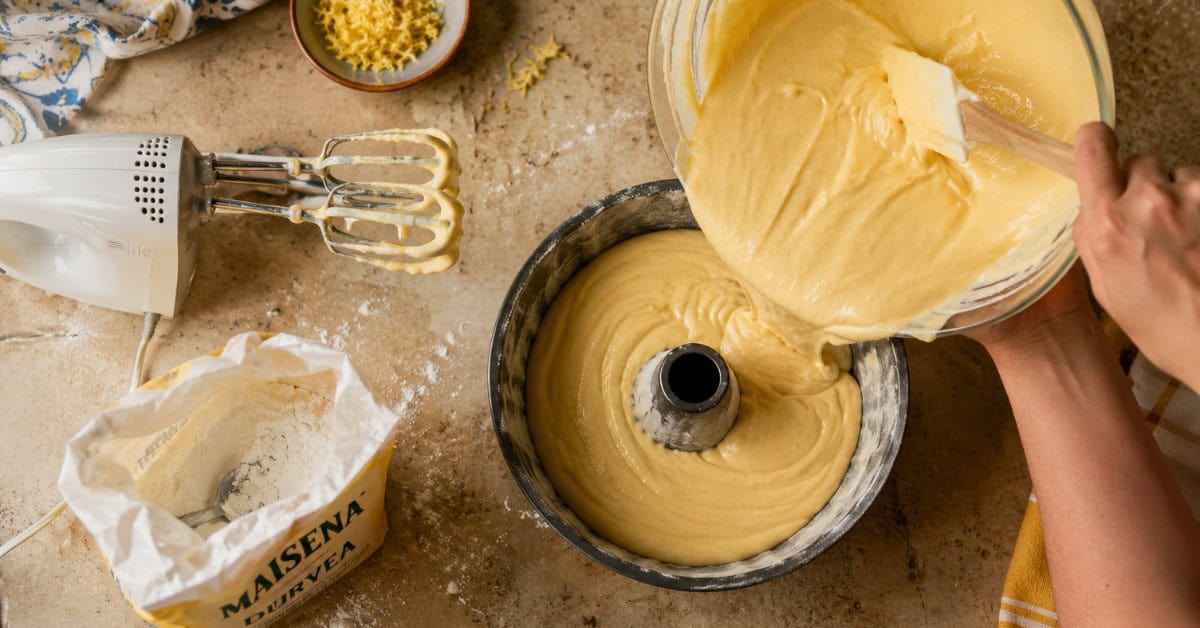
Cornflour cake is straightforward to make, but a few details can turn an ordinary cake into one any baker would be proud of. Follow each step carefully and you’ll be glad you did.
2.1 Prepare the tin and preheat the oven
First, preheat the oven to 180°C so the cake rises evenly from the start. While the oven heats up, butter a 22 cm ring tin or round cake tin and dust it with cornflour. Avoid wheat flour here. Cornflour gives the cake a smooth surface without the slightly gritty crust wheat flour can sometimes leave.
2.2 Cream the butter and sugar
Using an electric mixer on medium-high speed, beat the butter and sugar for about 4 to 5 minutes until very pale and fluffy. Take your time with this step. Beating air into the mixture is what gives cornflour cake its characteristic lightness. Add the eggs one at a time, beating until each is fully incorporated before adding the next.
2.3 Mix in the dry ingredients and milk
With the mixer on low, add the sifted cornflour in three batches, alternating with the lukewarm milk in two batches. Start and finish with the cornflour. Alternating the two keeps the batter light. If you’re using lemon zest, add it with the cornflour. Finally, fold in the baking powder with a spatula, gently lifting the batter from the bottom of the bowl. Avoid beating at this stage so you keep the air you’ve worked into the mixture.
2.4 Give the cake time to bake
Pour the batter into the prepared tin, gently level the top and bake in the preheated oven for 35 to 45 minutes. Ovens vary, so keep an eye on the cake from 30 minutes onwards. It’s ready when the top is golden and a skewer inserted into the centre comes out completely clean. Avoid opening the oven during the first 25 minutes, as a change in temperature can make the centre sink.
2.5 Make the syrup, if using
While the cake bakes, combine the orange juice, sugar and pinch of cinnamon in a pan. Heat gently for 2 to 3 minutes, just until the sugar dissolves. As soon as the cake comes out of the oven, prick it all over with a skewer or fork and pour the hot syrup over it while it’s still in the tin. Let it soak in for 10 minutes before turning it out. The syrup keeps the crumb moist and gives it a lovely orange fragrance.
3. Cornflour cake variations and substitutions
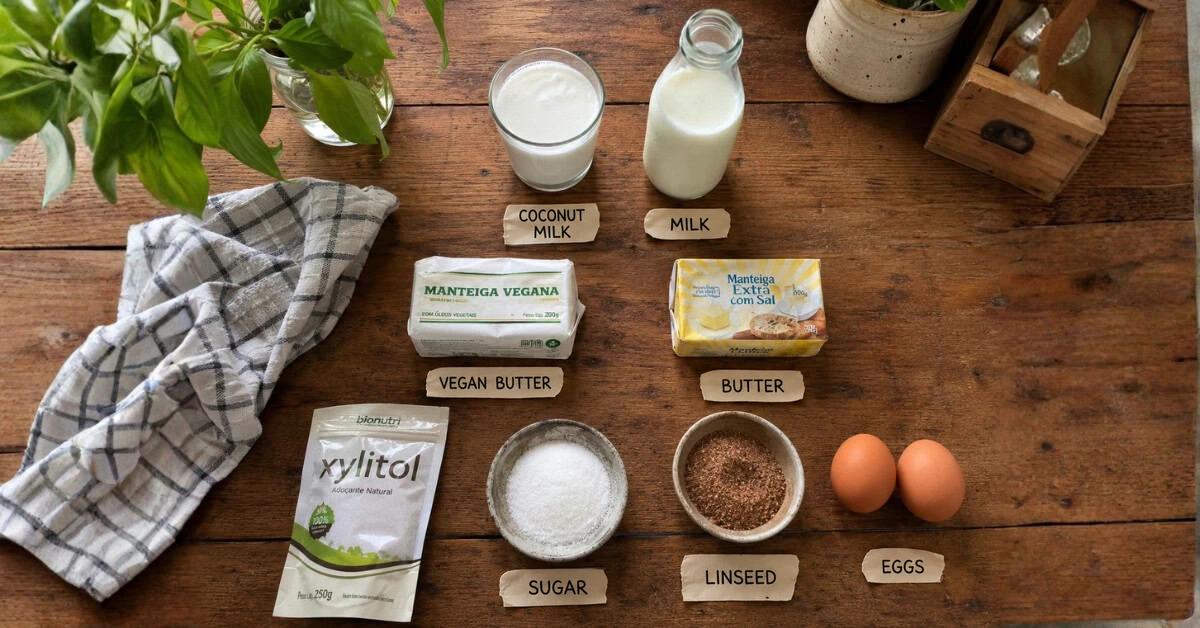
One of the best things about cornflour cake is its versatility. The basic recipe is a blank canvas. You can easily adapt it to suit different dietary needs or tastes, or simply give the cake a different character each time you bake it.
3.1 Gluten-free version
Cornflour is naturally gluten-free. If you are baking for someone who needs to avoid gluten, use certified gluten-free cornflour and check the labels on the baking powder and other ingredients too. Use clean utensils and work surfaces to prevent cross-contact with gluten.
3.2 Lactose-free version
Replace the butter with a good-quality plant-based margarine or use 1/3 cup of mild olive oil. Swap the whole milk for coconut milk, almond milk or another plant-based drink of your choice. Coconut milk in particular adds a creaminess that works very well with cornflour.
3.3 Vegan version
To replace the 3 eggs, mix 3 tablespoons of ground golden linseed with 9 tablespoons of water and leave to stand for 10 minutes before using. Use plant-based butter and a plant-based drink. The cake will be a little denser but still delicious, particularly if you add a spoonful of vanilla extract to round out the flavour in the absence of eggs.
3.4 Flavour variations to make the cake your own
- For a coconut cake, add 1/2 cup of desiccated coconut to the batter. It complements the delicate flavour and gives the crumb a little chew.
- For a vanilla cake, add 1 teaspoon of pure vanilla extract. It gives the whole cake the warm, sweet scent of vanilla.
- For a spiced cake, add 1 teaspoon of ground cinnamon and a pinch of nutmeg. Their warming fragrance makes this a lovely cake for a cold day and a hot cup of tea.
- For a chocolate chip cake, scatter the chips over the batter before baking. They’ll sink slightly, creating little pockets of chocolate just below the surface.
- For a dulce de leche cake, prick holes in the cake after baking and pour gently warmed dulce de leche over the top. It’s an irresistible classic.
3.5 Reduced-sugar version
You can reduce the sugar to 3/4 cup without affecting the structure of the cake too much. If you prefer a different sweetener, xylitol or erythritol can replace the sugar in a 1:1 ratio. The amount you need for powdered stevia sweeteners varies, so check the conversion chart on the packet.
4. Tips for texture, assembly and presentation
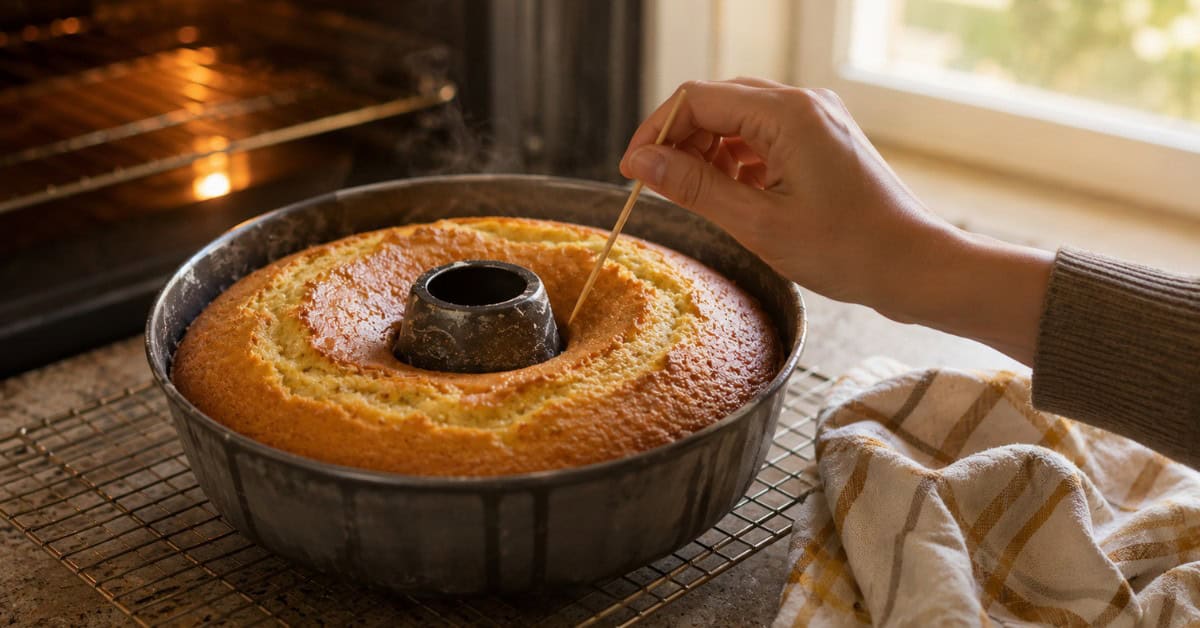
Want a cake you’ll be proud to photograph and bring to the table? Small details in the way you bake and present it make a big difference, and you won’t need any special equipment.
4.1 How to get the perfect cornflour cake texture
Two things give cornflour cake its velvety crumb. Always sift the cornflour, and take care not to overbeat the batter once you’ve added the baking powder. Unsifted cornflour can leave lumps that spoil the light texture. Beating in the baking powder can introduce uneven pockets of air, leaving the cake with an irregular crumb that collapses after baking.
It’s also important to bring your ingredients to room temperature. Cold eggs and butter are harder to blend and can cause the mixture to curdle, making the cake denser. Take them out of the fridge at least 30 minutes before you start.
4.2 Assembling and decorating the cake
For a more elaborate finish with little extra effort, slice the cake in half horizontally and fill it with lightly sweetened whipped cream, lemon cream or berry jam. Put the top half back on, drizzle with the syrup and finish with glacé icing or a dusting of icing sugar. A ring tin also gives the cake an elegant shape and helps it bake evenly.
- Use a serrated knife to cut neat slices without crumbling the cake
- Decorate with lemon zest, small mint leaves or slices of fresh fruit
- For a special occasion, serve each slice with a small scoop of vanilla ice cream
- Dust the icing with cocoa powder for an elegant contrast
4.3 Storage
A plain cornflour cake with no perishable filling or topping will keep for up to 2 days if covered and kept at room temperature, or for up to 5 days in a sealed container in the fridge. Take out as much as you need 15 minutes before serving. If you use whipped cream or a perishable lemon cream, put the cake in the fridge within 2 hours of preparation and keep it refrigerated. To freeze for up to 3 months, wrap each slice individually and place the slices in a resealable freezer bag. Plain cake takes about 1 hour to defrost at room temperature. If it has a perishable filling, defrost it in the fridge.
5. Cornflour cake facts and history
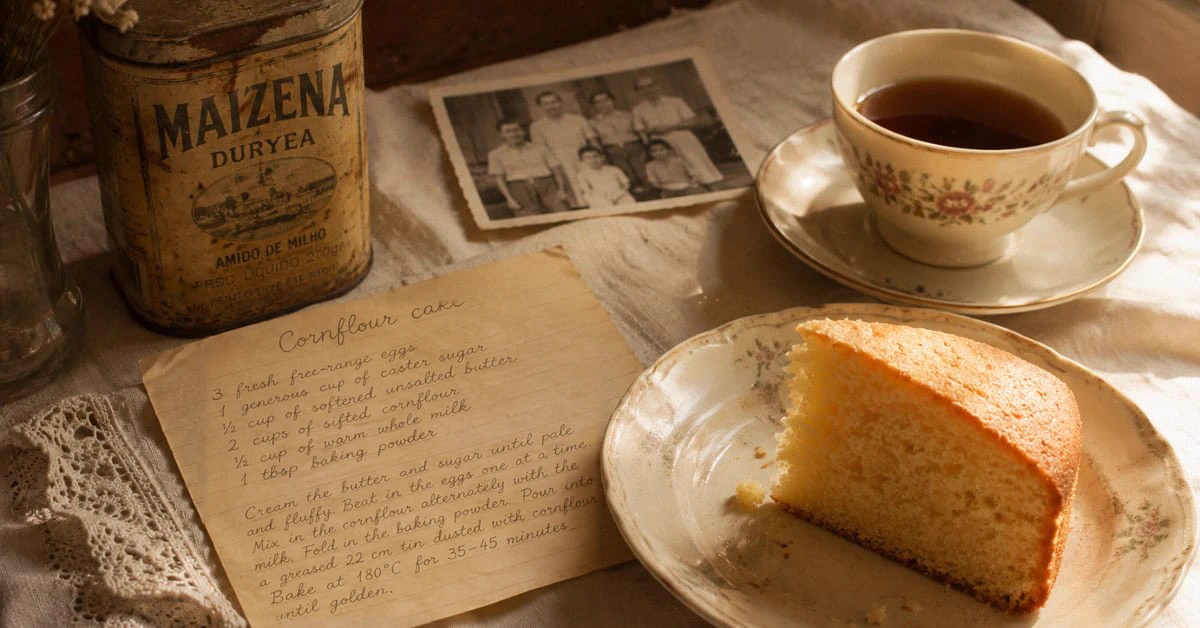
Behind this simple recipe lies a curious history of brand disputes, cultural adaptations and the affection people have for this familiar cake.
5.1 How cornflour found its way into Brazilian cooking
Cornflour reached Brazil towards the end of the XIXth century, as food production became industrialised. The Brazilian word ‘maisena’ is in fact a registered trade mark of the American company Maizena. The company made cornflour so popular in Brazil that the brand name became the everyday word for the ingredient. The same thing happened with ‘Bombril’ and ‘Durex’ in Brazil, where people came to use each brand name for the product itself.
5.2 A cake rooted in family kitchens
Unlike recipes with a well-documented history, cornflour cake seems to have begun in home kitchens, where grandmothers measured by eye and passed the recipe down through the generations, with small variations from region to region. Coconut versions are common in the north and north-east of Brazil. In the south, you’ll find cakes made with apple or cinnamon, while lemon icing is particularly popular in the south-east.
5.3 Cornflour in children’s food
Cornflour also features in traditional recipes for children. Replacing some of the wheat flour with cornflour gives bakes a lighter texture. Many families remember cornflour biscuits and cakes from school snack times and lunchboxes.
5.4 Similar cakes around the world
Many cultures make cakes with cornflour. Argentina’s budín de maicena has a very similar crumb. In Italy, torta di maizena is especially common in the north. Cakes made with rice starch in Asian countries follow similar principles. What they all share is a distinctive lightness that’s harder to achieve with wheat flour.
6. A final word on the perfect cornflour cake
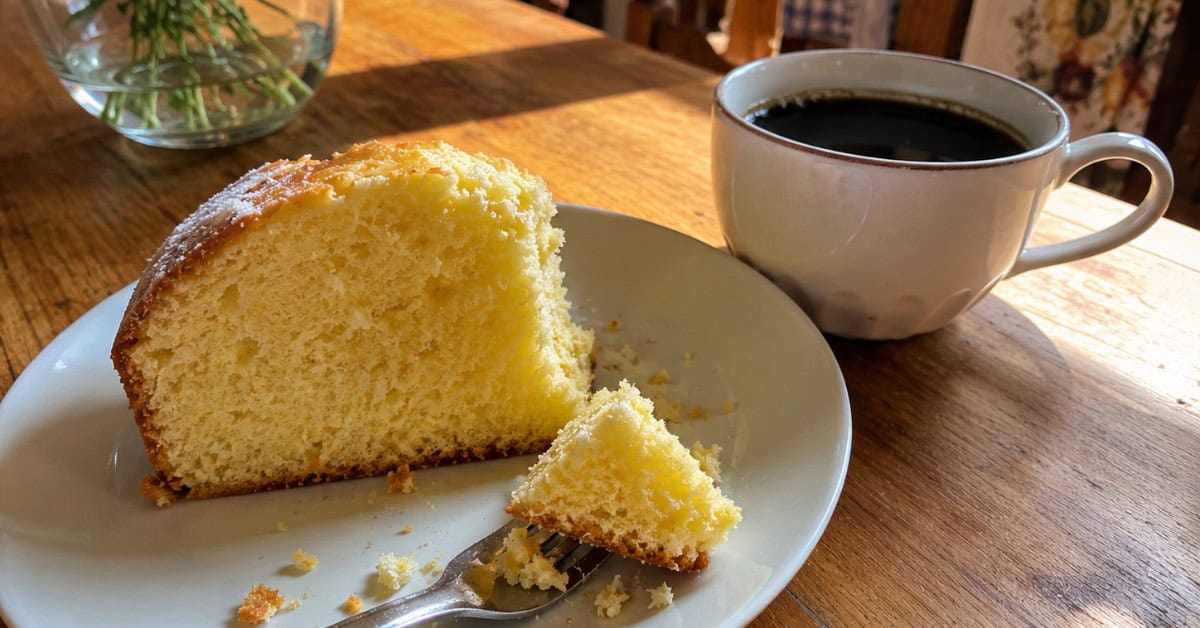
Cornflour cake is as comforting to bake as it is to eat. It calls for neither advanced skills nor unusual ingredients, yet it deserves a place on any table, from an everyday tea to a special celebration. Whether you make the classic cake with lemon icing, try the vegan version or add a filling for the weekend, it never fails to surprise you with its lightness and delicate flavour.
If you try the recipe, let us know how your cake turned out in the comments here at Mestre das Receitas. We’d love to hear your questions and any adaptations or variations you’ve discovered along the way. Happy baking!
7. Frequently asked questions about cornflour cake
7.1 Can I replace the cornflour with wheat flour?
You can’t swap them directly, as the proportions and results are quite different. Wheat flour absorbs more liquid and develops gluten, giving the cake a denser texture. To make a cake with both, use 1 cup of wheat flour to 1 cup of cornflour and adjust the milk as needed. For a traditional cornflour cake, though, the cornflour is essential.
7.2 Why did my cornflour cake sink in the middle?
There are three common reasons. You may have opened the oven door too soon (before 25 minutes had passed), used out-of-date baking powder or beaten the batter too much after adding the baking powder. Also make sure the oven is at the right temperature from the start, as putting a cake into a cold oven can make it rise unevenly.
7.3 Why did my cornflour cake turn out so dry?
It was probably in the oven too long. Once it’s been baking for 35 minutes, test it with a skewer every 5 minutes. Using milk straight from the fridge is another common cause, as it affects how well the dry ingredients absorb the liquid. If the cake has already turned out dry, drizzle it with the orange syrup suggested in the recipe. It works wonders.
7.4 Can I bake cornflour cake in an air fryer?
Yes. Choose a tin that fits your air fryer, preheat the air fryer to 160°C for 3 minutes, then bake for 25 to 30 minutes. The heat is more concentrated in a smaller appliance, so keep an eye on the cake and test it with a skewer. The top tends to brown faster, so cover the tin with foil for the first 15 minutes if necessary.
7.5 Can I freeze cornflour cake?
Yes, it freezes very well. Wrap the slices individually in cling film, put them in a resealable freezer bag and freeze. To thaw a slice, leave it at room temperature for about 1 hour or microwave it for 30 seconds on medium power. If you’re planning to ice the cake, it’s best to freeze it uniced and add the icing after thawing.
7.6 How long does cornflour cake keep?
A plain cake with no perishable filling or topping will keep for up to 2 days if covered and kept at room temperature, or for up to 5 days in a sealed container in the fridge. If frozen properly, it will retain its quality for up to 3 months. Take as much as you need out of the fridge 15 minutes before serving. If the cake has whipped cream or a perishable lemon cream, keep it refrigerated and, if frozen, defrost it in the fridge.