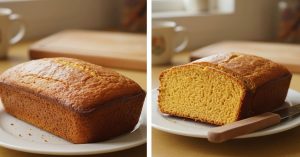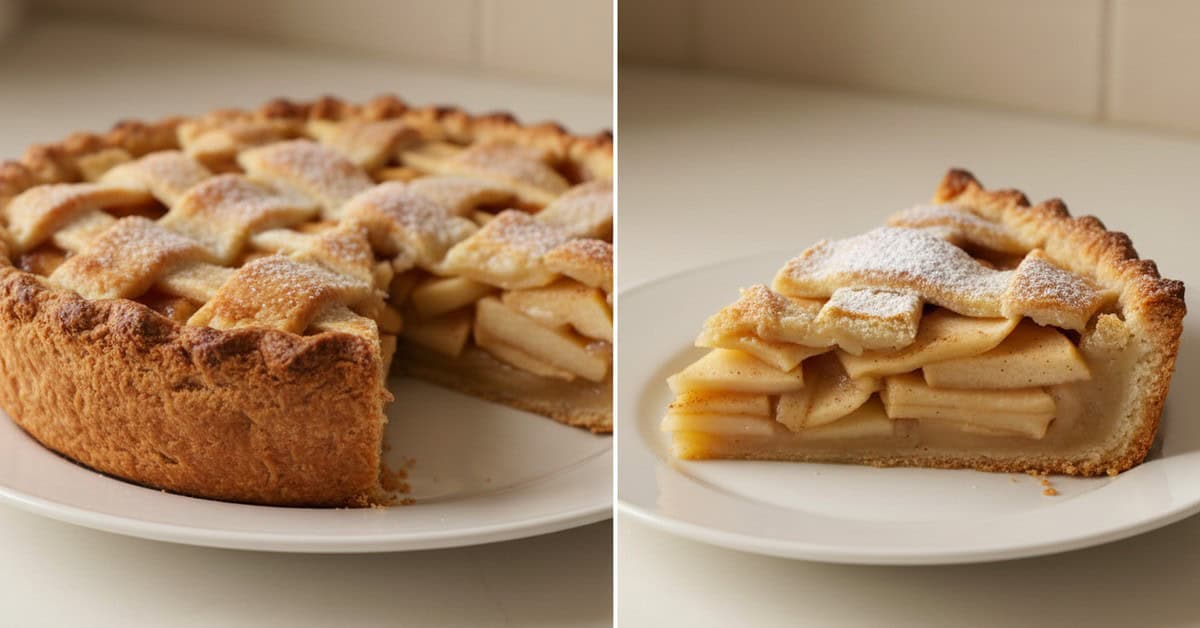

New England apple pie has a golden, flaky crust and a juicy filling of apples, cinnamon, and nutmeg. Mix apple varieties for a balance of flavor and texture, and use a little starch to thicken their juices.
New England apple pie is a tradition you can bring into your own kitchen. These steps, tips from the chef, and variations will help you make a good pie on your very first try.
Ingredients for New England apple pie
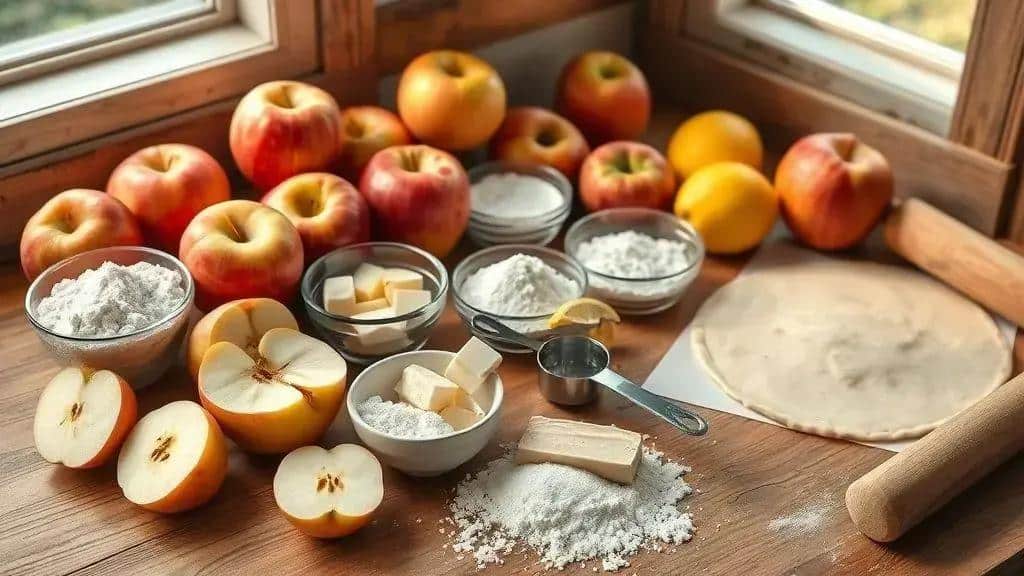
Gather the ingredients for the filling and the pastry.
- 6–7 medium apples (about 900 g). Mix Granny Smith, McIntosh, and Honeycrisp for tartness, sweetness, and texture.
- ¾ cup (150 g) granulated sugar, adjusted to the sweetness of the apples.
- ¼ cup (50 g) brown sugar for a caramel note. Omit for a milder flavor.
- 2 tablespoons (16 g) all-purpose flour or cornstarch to thicken the filling. Cornstarch gives clearer juices.
- 1 teaspoon ground cinnamon, or more to taste.
- ¼ teaspoon grated nutmeg. Use sparingly, or substitute ½ teaspoon apple pie spice.
- A pinch of salt to bring out the flavors.
- 1 tablespoon lemon juice to slow browning and add tartness. A little apple cider vinegar is an alternative.
- 2 tablespoons (28 g) unsalted butter, cut into small pieces to dot the filling. Vegan butter also works.
- 1 egg plus 1 tablespoon water for a golden egg wash. Use milk or plant milk for an egg-free wash.
- For the pastry, 250 g all-purpose flour.
- 170 g cold butter for the pastry, cut into cubes. For a vegan crust, use well-chilled solid vegetable fat.
- 1 tablespoon sugar for the pastry, optional, for a hint of sweetness.
- ½ teaspoon salt for the pastry.
- 4–6 tablespoons ice water, just enough to bring the dough together without warming the fat.
- Coarse sugar for sprinkling, optional, for a crunchy finish.
- Vanilla ice cream for serving, optional, a classic with warm pie.
Substitutions and notes
- Combine apples that hold their shape with softer varieties to avoid a filling that breaks down completely.
- Reduce the sugar for sweeter apples, or use 2–3 tablespoons honey or maple syrup as an alternative.
- If using flour instead of cornstarch, use a little more and make sure the filling cooks through to remove the raw flour taste.
- Keep the butter cold for a crisp, flaky crust.
How to make homemade apple pie
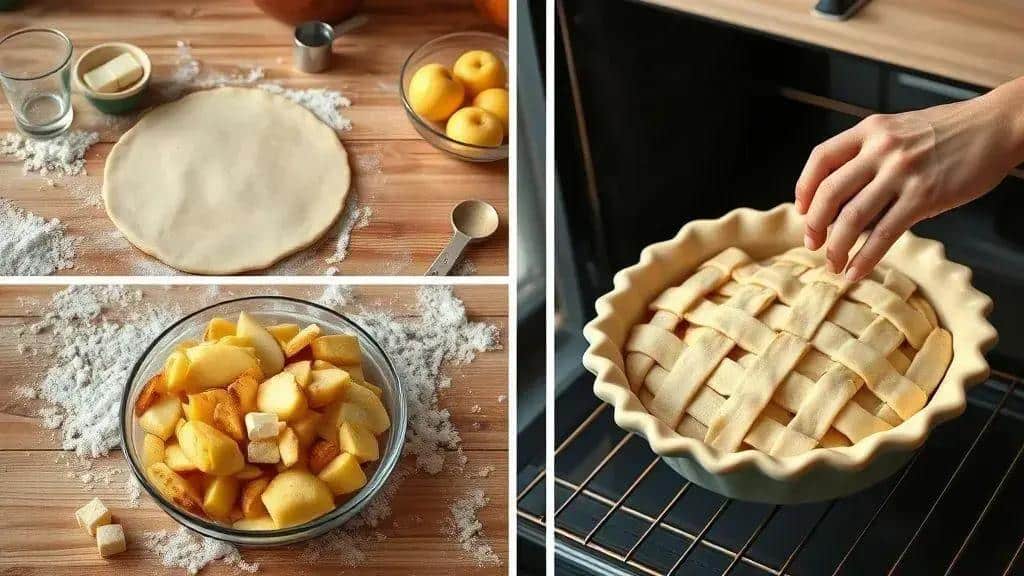
These steps take you through mixing the dough, filling the pie, and baking it, even if you’re new to pie making.
Making the pastry
- Mix 250 g flour, 1 tablespoon sugar, and ½ teaspoon salt in a large bowl.
- Add 170 g cold cubed butter. Cut it into the flour with a pastry blender or two knives until the pieces are about the size of peas.
- Add 4–6 tablespoons ice water gradually, stirring gently until the dough just begins to hold together. Avoid kneading and warming the fat.
- Quickly press the dough into two balls, flatten into disks, wrap, and refrigerate for 30 minutes.
- On a lightly floured surface, roll one disk into a circle about 30 cm (12 inches) across for the bottom crust. Keep the second disk covered in the refrigerator.
- Ease the dough into a 22–24 cm (roughly 9 inch) pie plate, leaving a little overhang for sealing.
Making the filling and assembling
- Peel and core 6–7 medium apples (about 900 g). Cut into evenly thin slices.
- Toss with ¾ cup (150 g) granulated sugar, ¼ cup (50 g) brown sugar, 2 tablespoons (16 g) flour or cornstarch, 1 teaspoon cinnamon, ¼ teaspoon nutmeg, a pinch of salt, and 1 tablespoon lemon juice.
- Let stand for 10 minutes. The sugar will draw out some juice and help the apples cook evenly.
- Preheat the oven to 220°C (425°F) while assembling the pie.
- Spoon the filling into the lined pie plate, spread evenly, and dot with 2 tablespoons (28 g) butter.
- Roll out the second disk, lay it over the filling, and seal and crimp the edges with your fingers or a fork. For a lattice, cut the dough into strips and weave them over the filling.
- For a solid top crust, cut 4–6 slits to let steam escape.
- Beat 1 egg with 1 tablespoon water and brush over the crust. Sprinkle with coarse sugar for extra crunch if desired.
- Bake at 220°C (425°F) for 15 minutes to start browning the crust.
- Reduce the heat to 175°C (350°F) and bake for another 35–45 minutes, until the filling bubbles and the crust is golden.
- Let the pie cool for at least 1½–2 hours so the filling can set before slicing.
- Cut into wedges and serve slightly warm, ideally with vanilla ice cream.
Practical tips
- Work quickly with cold ingredients for flaky pastry.
- Cornstarch thickens the juices while keeping them clear. Flour makes a thicker-looking, more opaque filling.
- Watch for juices bubbling through the vents or around the edges as a sign that the filling has heated through. Check that the apples are tender.
Tips for a crisp crust and juicy filling
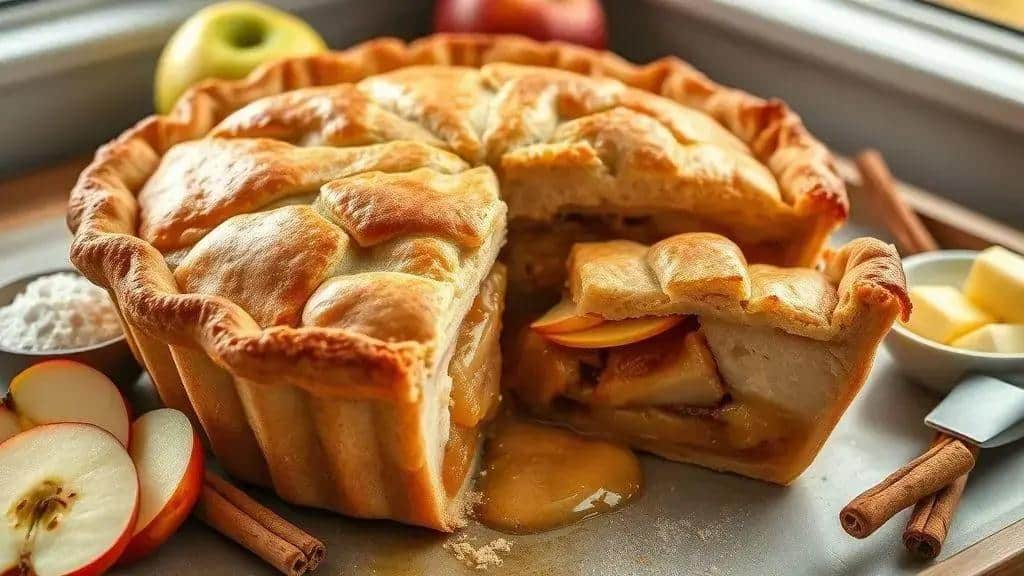
Keep the ingredients cold and work carefully for a crisp bottom crust and a juicy filling that stays in the pie.
Essential pastry techniques
- Use well-chilled cubes of butter or solid vegetable fat. Cut them in quickly, leaving pea-size pieces.
- Add 4–6 tablespoons ice water a little at a time, just until the dough holds together. Avoid kneading.
- Chill for at least 30 minutes before rolling to reduce shrinking and help the crust bake in flakes.
- Use only a light dusting of flour on the counter and roll evenly to about 3–4 mm thick.
How to prevent a soggy bottom
- Sprinkle 1–2 tablespoons breadcrumbs, fine cornmeal, or ground oats over the bottom crust to absorb excess juice before filling.
- For about 900 g apples, use 2 tablespoons cornstarch or 3–4 tablespoons flour if using flour as the thickener. Cornstarch gives a clearer, firmer filling.
- Toss the apples and sugar and let stand for 10 minutes. If very juicy, drain some liquid and reserve it to add back as needed when assembling.
Baking a crisp crust and tender filling
- Start at 220°C (425°F) for 15 minutes to set and brown the pastry, then reduce to 175°C (350°F) for 35–45 minutes.
- Place the pie plate on a baking sheet to catch drips and help distribute the heat.
- Cut 4–6 vents or use a lattice top so steam can escape without cracking the crust.
- The filling should bubble through the openings, showing the juices have heated enough for the starch to thicken them.
Finishing touches
- Brush with beaten egg or milk and sprinkle with coarse sugar for shine and crunch.
- Dot the apples with 1–2 tablespoons butter before covering for flavor and gloss.
- Cool for 1½–2 hours before slicing. This gives the filling time to set.
Quick ingredient tips
- Pair a tart Granny Smith with a sweet Honeycrisp or Fuji for balanced flavor.
- For 900 g apples, start with 1 teaspoon cinnamon and ¼ teaspoon nutmeg, then adjust to taste.
- For gluten-free or vegan pastry, use a gluten-free flour blend or cold, solid vegan butter as appropriate.
Vegan, gluten-free, and other apple pie variations
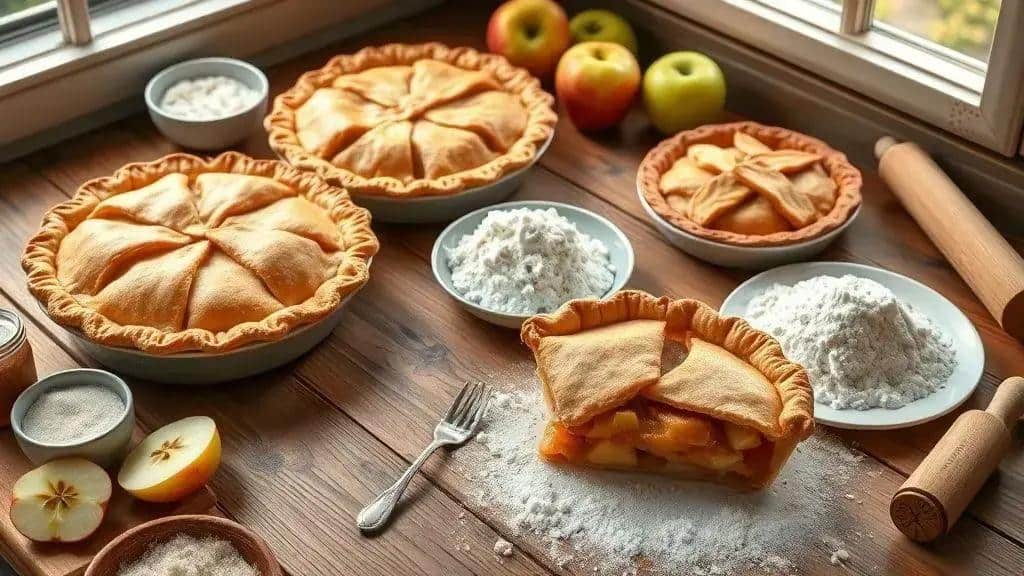
Adapt the classic pie for vegan, gluten-free, or lower-sugar preferences while keeping the flavor and texture.
Vegan version
- Pastry: 250 g all-purpose flour (or 250 g gluten-free all-purpose blend), 170 g cold cubed vegan butter, 1 tablespoon sugar, ½ teaspoon salt, and 4–6 tablespoons ice water.
- Filling: 6–7 medium apples (about 900 g), ¾ cup (150 g) sugar or 3 tablespoons maple syrup, ¼ cup (50 g) brown sugar, 2 tablespoons cornstarch, 1 teaspoon cinnamon, ¼ teaspoon nutmeg, and 1 tablespoon lemon juice.
- To finish, use plant milk for brushing and coarse sugar for sprinkling.
- Mix the dry pastry ingredients, cut in the cold vegan butter, and add ice water a little at a time until the dough holds. Chill for 30 minutes.
- Slice the apples and toss with sugar or maple syrup, brown sugar, cornstarch, cinnamon, nutmeg, and lemon juice. Let stand for 10 minutes.
- Line the pie plate, add the filling, and cover with the top crust or lattice. Brush with plant milk. Bake at 220°C (425°F) for 15 minutes, then at 175°C (350°F) for 35–45 minutes until bubbling.
Gluten-free version
- Pastry: 250 g gluten-free flour blend containing rice flour and tapioca, 1 teaspoon xanthan gum if the blend has none, 170 g cold butter, 1 tablespoon sugar, ½ teaspoon salt, and 4–6 tablespoons ice water.
- Use the same amounts for the filling as in the traditional recipe. Use 2 tablespoons cornstarch in place of wheat flour to thicken.
- Handle the dough gently and bring it together quickly. Gluten-free dough benefits from chilling for 30–60 minutes before rolling.
- For very juicy apples, use a little more cornstarch and drain some juice before assembling if needed.
- Gluten-free crusts can brown quickly. Shield the edges with foil as they color and watch for the filling to bubble.
Lower-sugar version
- Reduce the sugar to ⅓ cup (65 g) and use 2–3 tablespoons maple syrup or honey for flavor, adjusting to the sweetness of the apples.
- Use 2 tablespoons cornstarch to help the lower-sugar filling set.
- Taste a slice of raw apple with the sweetener before adding flour or starch, and adjust the sweetness.
- If using liquid sweeteners, add another tablespoon of lemon juice for a brighter flavor.
Tips for all versions
- Keep the fat very cold for a flaky crust.
- Cornstarch gives the filling a clearer look. Flour makes the juices more opaque and substantial.
- Wait for the filling to bubble through the vents before taking the pie out of the oven.
- Cool for 1½–2 hours before slicing, especially for gluten-free or reduced-sugar pies.
Choosing and preparing apples
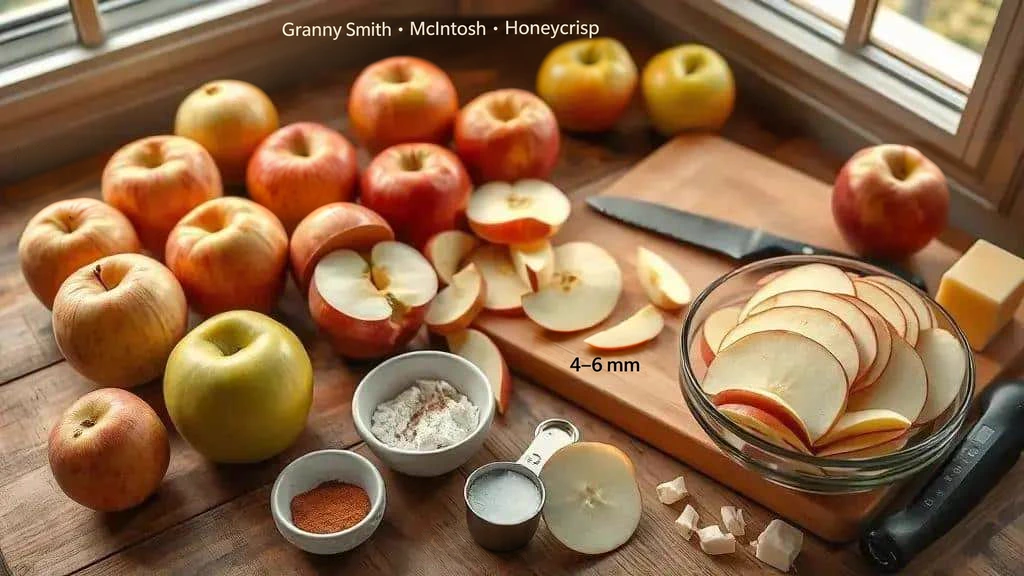
The apples you choose and the way you slice them make a difference to the flavor and texture of New England apple pie.
Choosing the best apples
- Granny Smith is firm and tart, Honeycrisp sweet and crisp, and McIntosh softer and good for blending.
- Combine a tart apple with a sweeter one to balance flavor, texture, and juiciness.
- Choose firm fruit without soft spots or bruises. Press gently when checking.
- Avoid large dark patches on the skin. Small blemishes usually don’t affect the flavor.
- Ripe apples have a fresh, sweet aroma. Avoid fruit with a fermented smell or little aroma.
Preparing apples for the pie
- Rinse under running water to remove dirt and debris, using a soft produce brush if desired.
- Peeling is optional. Thin skins add texture, while peeled fruit makes a softer filling.
- Halve each apple and remove the seeds and fibrous core with a corer or knife.
- Use a sharp blade to cut even slices about 4–6 mm thick so they cook at the same rate.
- For the recipe, aim for about 900 g prepared apple slices, roughly 6–7 medium apples.
- Toss slices in a bowl with 1 tablespoon lemon juice and 2 tablespoons water to slow browning while you work.
- Gently coat the slices with granulated and brown sugar, cornstarch or flour, cinnamon, and nutmeg.
- Let stand for 10 minutes so the sugar can draw out some juice. Drain excess liquid if needed and reserve a little to adjust the filling.
- Taste a slice with sweetener before adding any flour or starch. Adjust sugar or lemon juice as needed.
- Cut 1–2 tablespoons butter into small pieces to scatter on the filling before closing the pie.
Quick tips and storage
- Even slices cook evenly and look neat when the pie is served.
- If preparing ahead, keep the slices in lemon water in the refrigerator for up to 12 hours.
- Cornstarch helps bind excess juice while keeping the filling glossy.
- For especially juicy fruit, bake the pie on a baking sheet to catch any overflow.
Common apple pie problems and fixes
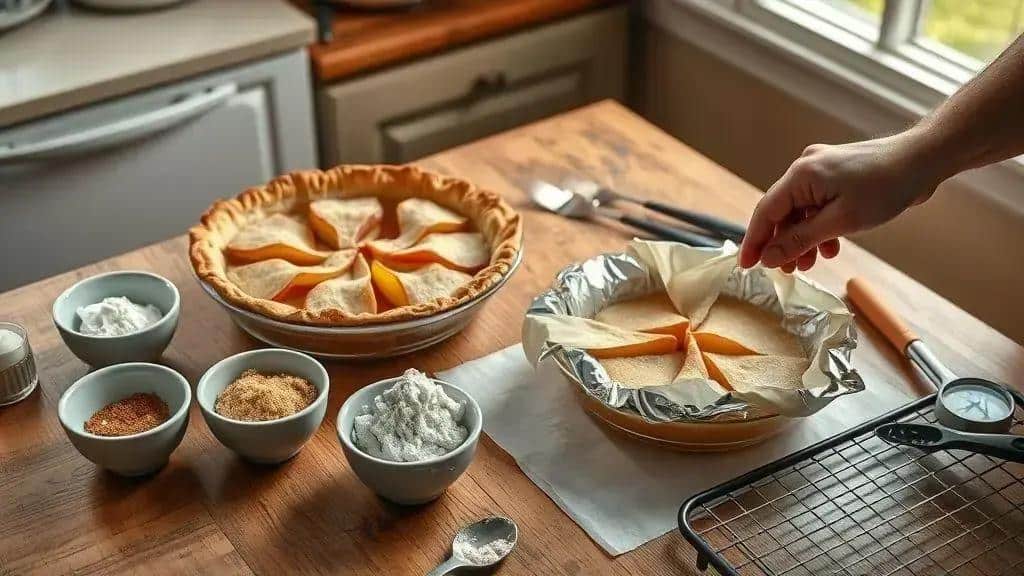
A soggy bottom can occur when the fruit releases more juice than the crust can absorb or the bottom doesn’t bake through.
- Possible cause: very juicy apples or too little thickener.
- Sprinkle 1–2 tablespoons breadcrumbs, fine cornmeal, or ground oats on the bottom before filling. For a particularly wet batch, the troubleshooting ratio is 2 tablespoons cornstarch per 450 g apples.
- Bake on a sheet to catch any drips before they reach the oven floor.
Runny filling that won’t set
- Possible cause: too little thickener or excess apple juice.
- For an unusually runny filling, try 2–3 tablespoons cornstarch per 450 g apples. Let the fruit stand for 10 minutes before assembly. Drain some excess juice, reserving a little to adjust the consistency.
- Wait for the filling to bubble in the oven so the starch can thicken the juices.
Shrunken crust
- Possible cause: overworked dough or insufficient resting time.
- Gently ease the pastry into the plate and let it rest for 15–30 minutes before baking. Next time, chill for at least 30 minutes before rolling out.
- Avoid stretching the edges to fit the plate. Use the overhang to cover and seal.
Dark edges and a pale center
- Possible cause: excessive heat at the rim or an uneven oven.
- Shield the edges with strips of foil after 20–30 minutes of baking to prevent scorching. Remember to turn the oven down to 175°C (350°F) after the first 15 minutes at 220°C (425°F).
- Place a baking sheet underneath to distribute the heat and protect the base.
Overly soft apples
- Possible cause: very soft varieties or slices cut too thin.
- Mix firm Granny Smiths with a softer variety such as McIntosh. Honeycrisp adds sweetness and crunch. Cut 4–6 mm slices and check sooner if they are thinner.
- If your apples soften quickly, take the pie out a little earlier once the filling bubbles and allow it to set as it cools.
Heavy crust without flaky layers
- Possible cause: the butter melted or the dough warmed up during handling.
- Chill the dough and tools between steps, keep the butter cold, and roll with a light touch.
- Work quickly and use ice water to keep the fat from melting.
Filling leaking through lattice or vents
- Possible cause: loose filling or overly large openings.
- Use firm strips of dough and press their joins together. Make smaller vents and add a little more starch for a very wet filling.
- Brush the edges with egg wash to help them seal.
Last-minute checks and fixes
- If the filling isn’t bubbling through the vents, give it another 10–15 minutes at 175°C (350°F), checking as it bakes.
- For a damp bottom, keep the pie in its pie plate on an oven rack. Increase the heat to 200°C (400°F) for 5–10 minutes to drive off extra moisture.
- If the edges are getting too dark, cover them with foil immediately and finish baking the center.
Apple pie and its New England roots
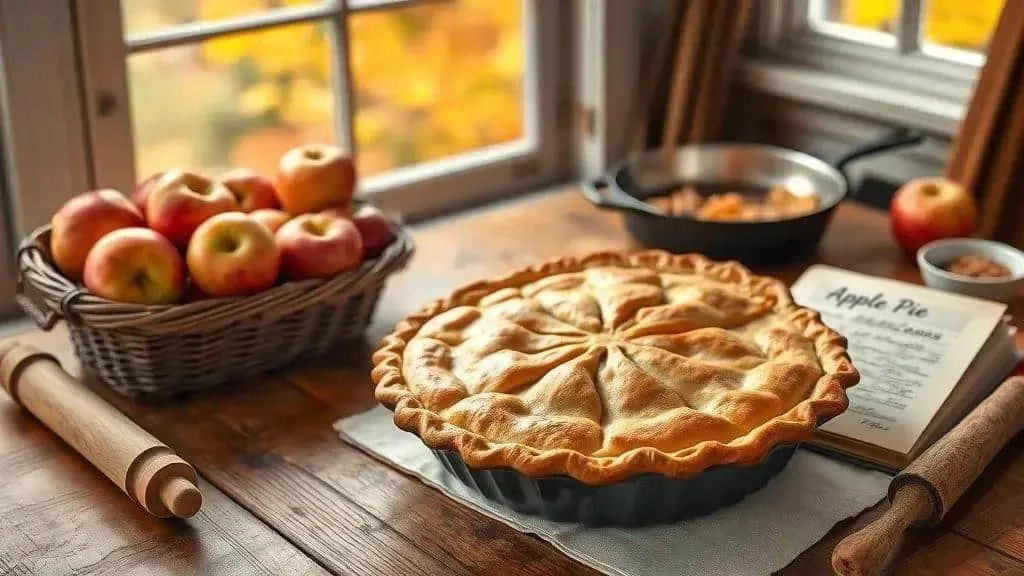
Apple pie is a cultural symbol in the United States. European recipes traveled across the Atlantic and took on a regional identity in New England.
Historical origins
- Europe has a long tradition of apple pies. Medieval English recipes and later Dutch and Scandinavian versions differ in pastry and spices.
- Settlers in New England adapted the pies using apples grown locally and straightforward techniques.
- Eighteenth-century cookbooks already included pies made with apples, sugar, and spices much like those used today.
Quick facts
- The expression “as American as apple pie” became popular in the 20th century, long after the pie itself was common.
- Bakers have long combined firm and sweeter varieties to balance texture and flavor.
- Apple pies are a feature of New England harvest celebrations and fall festivals.
- Each family has its own touch, from extra nutmeg or a splash of cider to a crust scattered with coarse sugar.
New England baking traditions
The pie is often served warm with vanilla ice cream. Local apples are traditional, and some bakers partially bake the bottom crust to help it stay crisp.
Cultural associations
- Apple pie is associated with home, family, Thanksgiving, and fall gatherings.
- Many recipes are passed down through generations with small changes that preserve their characteristic flavors.
- Apple pie has inspired cakes, hand pies, and even apple pie–flavored drinks.
A tip for a classic pie
Combine tart Granny Smith and sweet Honeycrisp, use a light hand with cinnamon, and let the filling set before slicing.
Cold pastry, a mix of apples, and a suitable thickener give New England apple pie a crisp crust and a juicy filling.
Try the recipe, take a photo, and share your pie on social media. We’d love to see your version and answer questions. Thanks for baking along.
For more recipes and tips, follow us and visit the Mestre das Receitas blog. See you at the next bake!
Frequently asked questions about New England apple pie
Which apples are best for apple pie?
Combine a tart apple such as Granny Smith with a sweet one such as Honeycrisp or Fuji to balance flavor and texture.
How do I make the crust crisp and flaky?
Keep the butter and water very cold, work quickly, and chill the pastry for at least 30 minutes before rolling.
How do I prevent a soggy bottom?
Sprinkle 1–2 tablespoons breadcrumbs or fine cornmeal on the bottom. For a very juicy filling, use 2 tablespoons cornstarch per 450 g apples to thicken the liquid.
Can the pie be vegan or gluten-free and still taste good?
Yes. Use vegan butter or a gluten-free flour blend as appropriate. Add a little extra cornstarch to a very juicy filling to help it set.
How should I store and reheat the pie?
Keep the standard sweetened fruit pie at room temperature for up to 2 days or in the refrigerator for up to 4 days. Refrigerate reduced-sugar versions. Reheat at 160–170°C (320–340°F) for 10–15 minutes to restore the crisp crust.
Can I freeze a whole pie or individual slices?
Yes. Wrap the baked pie or slices well and freeze for up to 2 months. Thaw in the refrigerator for 8–12 hours and warm in the oven before serving.