
This easy blender dough for Brazilian fried pastries, known as pastéis, uses flour, milk, egg, oil and baking powder. The dough is light and tender, works well with a variety of fillings and fries quickly.
Have you tried making pastel dough in a blender? The dough takes just minutes to prepare, uses only a few ingredients and can turn an everyday snack into something special. Shall we make a batch?
Ingredients for blender pastel dough
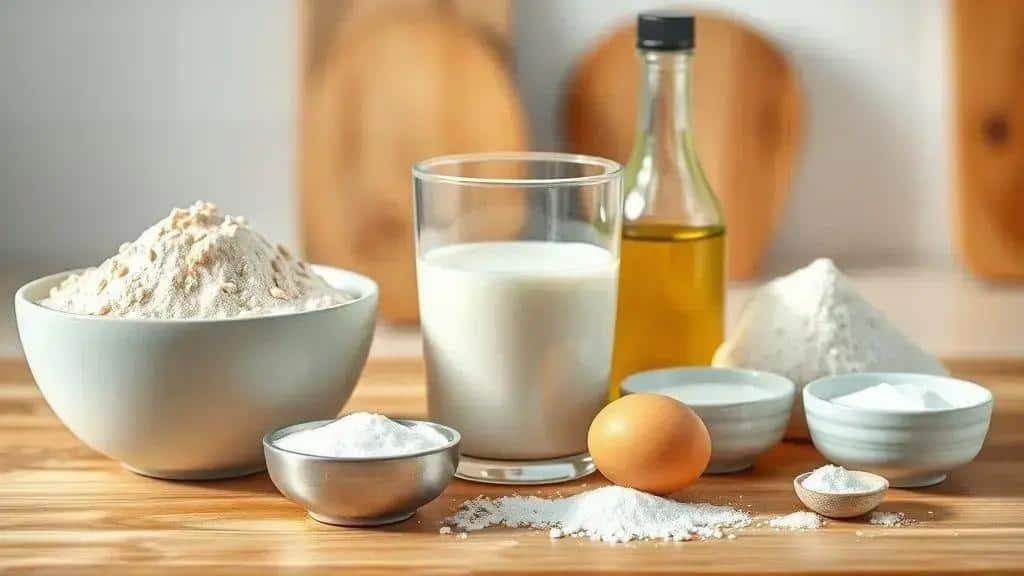
To make pastel dough in a blender, you’ll need a few basic ingredients.
- 2 cups of plain flour – the base of the dough, giving it the right texture.
- 1 glass (200 ml) of milk – whole or skimmed milk will help bring the dough together.
- 1 egg – helps give the dough stretch and structure.
- 3 tablespoons of oil – for a lighter, more tender dough.
- 1 teaspoon of salt – brings out the flavour of the dough.
- 1 teaspoon of baking powder – helps the dough rise and gives it a lighter texture.
Possible substitutions include water in place of milk for a lighter dough, or olive oil in place of the oil for a milder flavour. If you prefer a crisper pastry, you can leave out the baking powder.
How to make pastel dough in a blender

- Gather your ingredients. You’ll need 2 cups of plain flour, 1 glass of milk, 1 egg, 3 tablespoons of oil, 1 teaspoon of salt and 1 teaspoon of baking powder.
- Put the milk, egg, oil and salt into the blender first to make blending easier.
- Blend for about 2 minutes, until the mixture is smooth and even.
- Gradually add the flour and baking powder to prevent lumps. Keep blending until everything is fully combined.
- Transfer the dough to a bowl and stir with a spoon until it is smooth and free of lumps.
- Leave the dough to rest for 10 to 15 minutes so the ingredients can come together and the baking powder can start to work.
- On a floured surface, use a rolling pin to roll the dough to your preferred thickness. For pastéis, it is usually rolled thin.
- Cut the dough into your preferred shapes, add your chosen filling and press the edges together with a fork to seal.
- Fry the pastéis in hot oil until golden. Drain on kitchen paper and serve hot.
Tips for making a variety of delicious fillings

The right filling can make a pastel especially delicious. Here are a few fillings that work well with this blender dough.
- For a minced beef filling, sauté the mince with onion, garlic, tomato and seasonings of your choice, such as parsley, spring onion and pepper.
- For a classic ham and cheese filling that everyone will enjoy, use mozzarella and sliced ham.
- For a creamy, succulent filling, mix seasoned, shredded chicken with Catupiry, a creamy Brazilian cheese spread.
- For a vegetarian filling, season cooked vegetables such as courgette, carrot and sweetcorn with fines herbes.
- For a sweet filling with a difference, try dulce de leche, chocolate or fruit such as banana sprinkled with cinnamon.
Go easy on the filling so the pastéis stay sealed as they fry. Always drain particularly wet ingredients to keep the pastry from turning soggy. Try different combinations to create distinctive flavours to suit every taste.
Variations on blender pastel dough
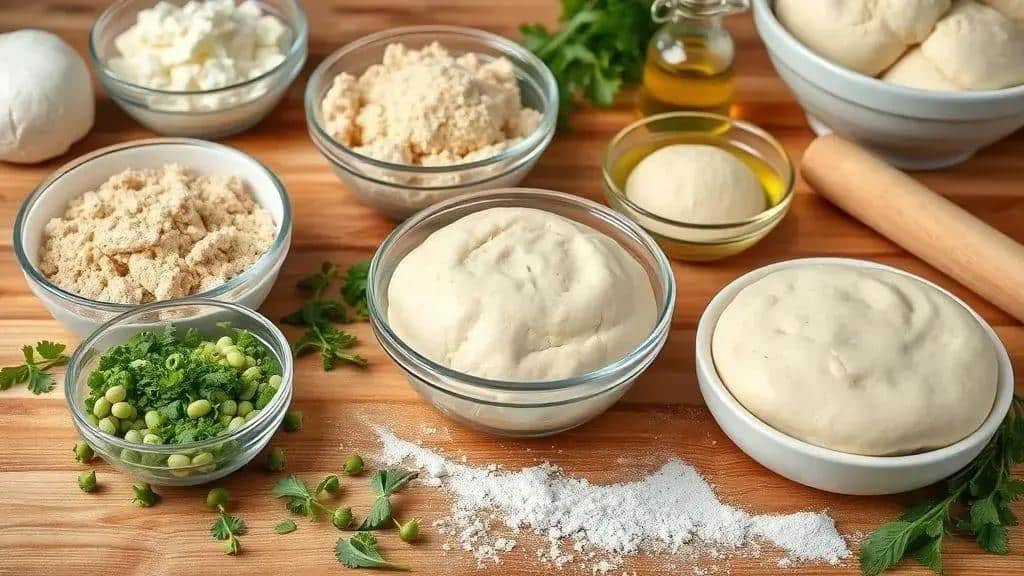
Try these variations on the blender dough to make your pastéis even tastier and give them your own personal touch.
- For a healthier wholemeal version with more fibre, replace half the plain flour with wholemeal flour.
- Give the dough a fresh herbal aroma by mixing in chopped fresh herbs such as parsley, spring onion or oregano.
- For a crisper pastry after frying, increase the amount of oil in the dough.
- For a gluten-free version, use a gluten-free flour suitable for pastry so the dough has the right texture.
- For extra flavour in the pastry itself, work grated cheese or seasonings directly into the dough.
When trying a variation, make a small batch and note the proportions and results so you can adjust them to your taste. Always use fresh, good-quality ingredients for delicious pastéis.
Interesting facts about pastel dough and how it’s made
In Brazil, Chinese and Japanese immigrants and their descendants helped popularise shops and stalls selling pastéis. At Brazilian markets, vendors began offering pastéis with a wider range of fillings.
Traditional pastel dough is made without a raising agent, which gives the pastry its thin, crisp texture. Blender versions can include baking powder for a lighter finish.
Did you know that oil plays a part before the pastéis even reach the frying pan? Adding it to the dough makes the pastry more tender and easier to roll out and fill.
Preparation methods also vary by region. Some cooks prefer to knead the dough by hand, while others use a blender to make the job quicker and easier.
Pastel dough is versatile. You can fry it, bake it or even freeze it for later. With the right preparation, it keeps its flavour and texture.
Make the most of your blender pastel dough!
With these tips and variations, it’s easy to make a batch of delicious pastéis.
Try different fillings and textures to surprise your family and friends with something distinctive each time.
Did you enjoy these ideas? Thank you for visiting. Follow us on social media for more easy, delicious recipes.
Be sure to also visit Mestre das Receitas, your favourite cookery website!
Frequently asked questions about blender pastel dough
What is blender pastel dough?
It’s a dough for Brazilian pastéis made by blending simple ingredients such as flour, milk, egg and oil, which makes preparation easy.
Can I substitute any of the ingredients in the dough?
Yes. You can replace the milk with water and use olive oil in place of the oil, depending on the flavour you prefer and how light you want the dough to be.
How do I stop the pastry from becoming too hard after frying?
Use the right amount of oil in the dough and avoid letting the frying oil get too hot. This helps keep the pastry tender with a crisp finish.
What are the most common variations on blender pastel dough?
Popular variations include wholemeal, herb, extra-crisp and gluten-free doughs. You can also work seasonings directly into the dough.
How should I store blender pastel dough?
Wrap the dough in cling film and freeze it. Use it within a month while it’s still at its best.
Which fillings work well with this dough?
Popular fillings include minced beef, chicken with Catupiry, ham and cheese, vegetables, and sweet options such as banana with cinnamon.