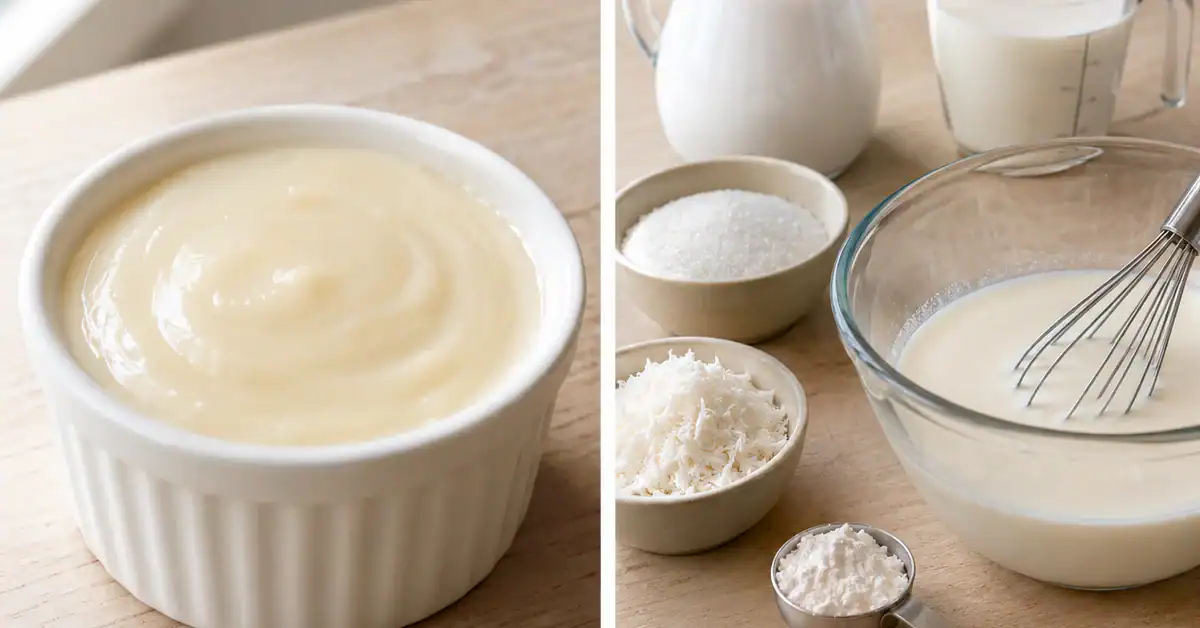

This practical guide to creamy coconut blancmange shows you how to make a silky dessert. Thicken the milk with cornflour over a low heat, stirring until the mixture coats the back of a spoon. Chill for 2 to 4 hours until set. The recipe makes about 6 servings.
Light and elegant, creamy coconut blancmange makes a lovely end to a meal. This practical guide shows you how to achieve a silky texture using simple techniques and everyday ingredients. You’ll find clear steps, tips on judging the consistency and a simple way to present the finished dessert.
Ingredients and yield
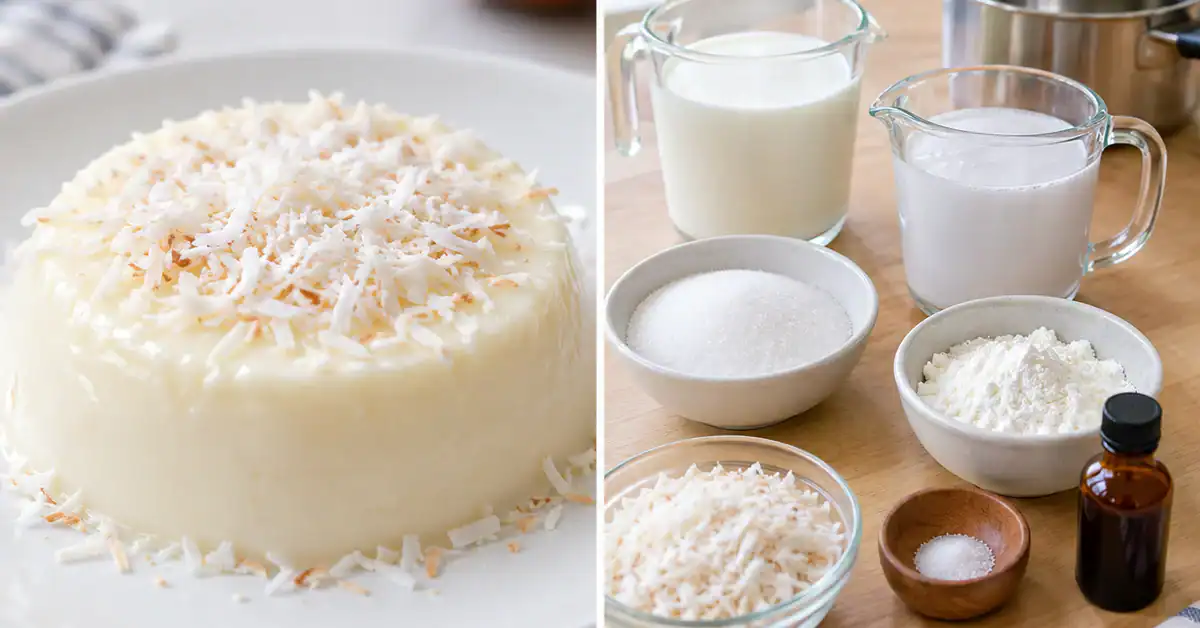
What you’ll need
- 500 ml whole milk
- 200 ml coconut milk
- 100 g sugar
- 40 g cornflour
- 1 pinch of salt
- 1 teaspoon vanilla essence
- 50 g desiccated coconut (optional)
How many it serves
- About 6 servings
How to make coconut blancmange
Method
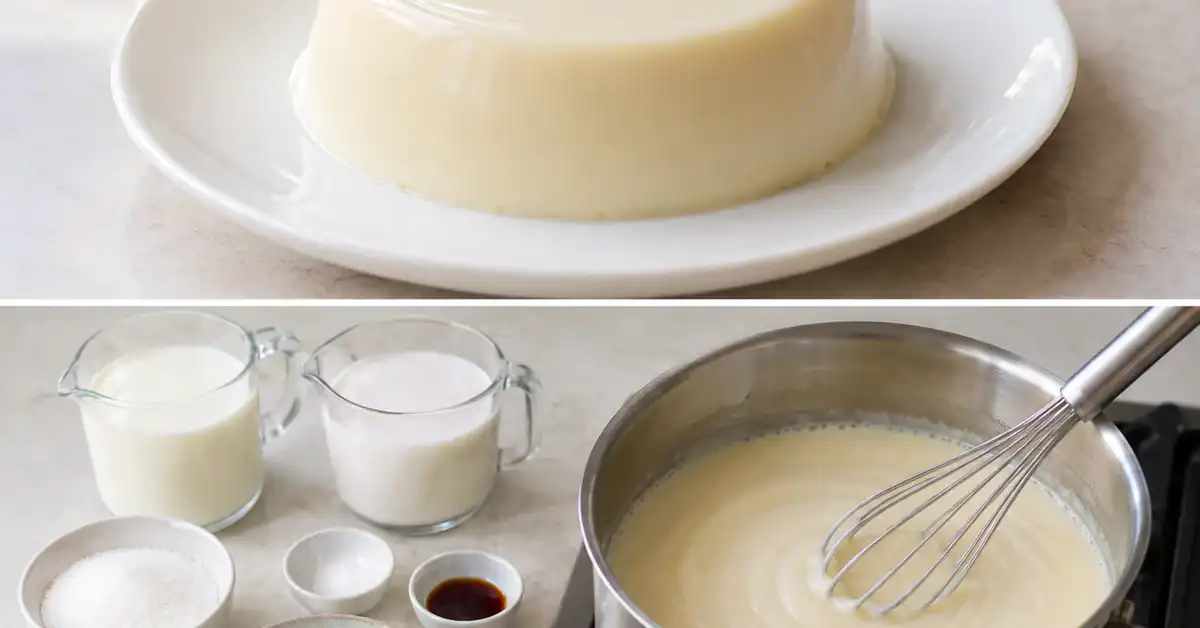
- Mix 500 ml of whole milk and 200 ml of coconut milk in a medium saucepan. Before heating, set aside 2 to 3 tablespoons of the cold mixture in a bowl to blend with the cornflour. Add 100 g of sugar, a pinch of salt and 1 teaspoon of vanilla essence to the pan. Warm over a low heat, stirring occasionally, until the sugar dissolves. Do not let the mixture boil.
- Blend 40 g of cornflour with the 2 to 3 tablespoons of cold milk mixture you set aside. Stir until smooth and free of lumps.
- Once the mixture in the pan is hot, gradually pour in the cornflour mixture, stirring constantly with a whisk or wooden spoon. Keep the heat low and stir until the mixture thickens enough to coat the back of a spoon.
- If you like, stir in 50 g desiccated coconut until evenly distributed.
- Pour the mixture into greased moulds or heatproof bowls, smooth the tops and leave to cool. Then chill for about 2 to 4 hours, or until set.
How to tell when the blancmange is ready
What consistency to look for
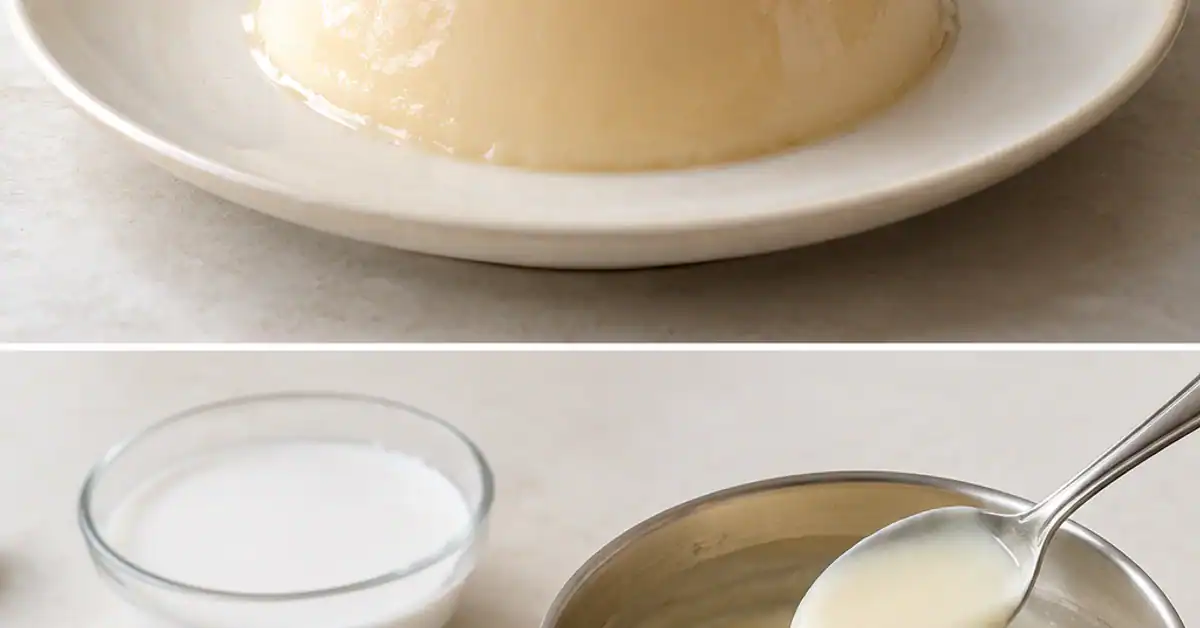
- As the mixture cooks, stir constantly with a whisk or wooden spoon and watch it thicken. It’s thick enough when it coats the back of a spoon without running off. Keep it below boiling point.
- The surface should be smooth and free of lumps. If large bubbles appear, take the pan off the heat and stir for a few seconds until they subside.
Checking the set after chilling
- To check whether the blancmange is ready to turn out, gently tilt the mould after chilling for about 2 to 4 hours. The blancmange should hold its shape with a slight wobble in the centre.
- To check whether it’s firm enough to slice, touch the blancmange with a knife or cut a portion. It should hold its shape right through to the centre without running.
Knowing what consistency to look for will help with the next steps. The next section covers common mistakes that can affect the set and how to spot each one.
Common mistakes and how to avoid them
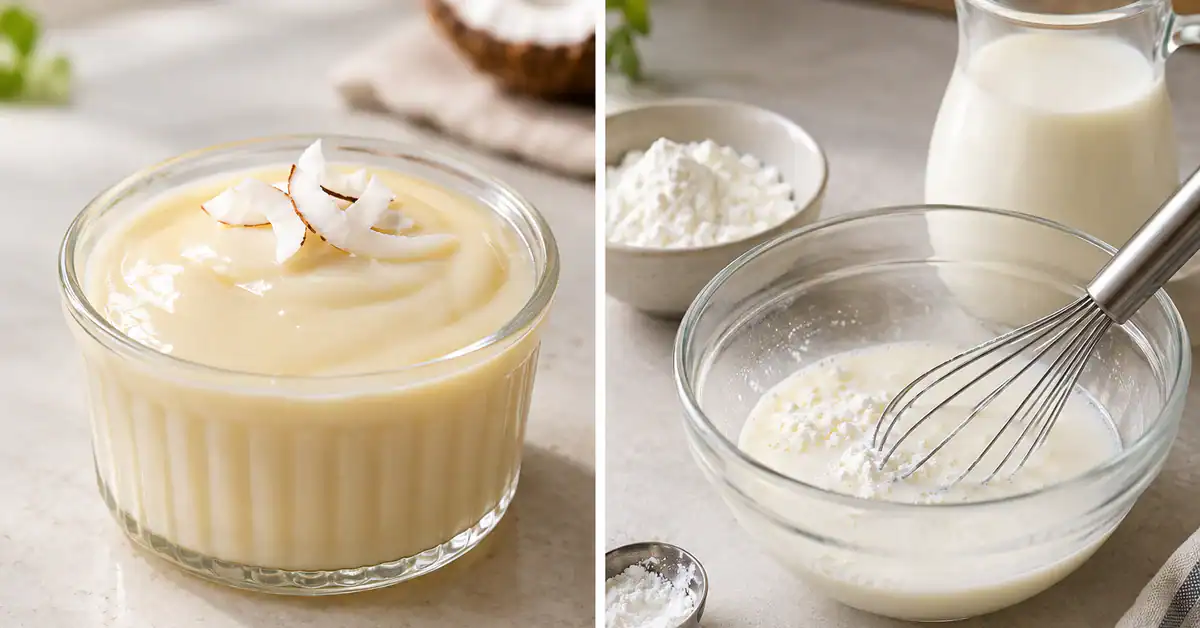
Here’s how to recognise and correct the most common problems with coconut blancmange. For a smooth texture, give the cornflour time to thicken over a low heat and allow enough time for chilling. Look for a mixture that coats the back of a spoon without running off and has a smooth surface once it has rested.
Common texture problems
- Adding cornflour straight to the hot mixture makes it clump. For a smooth result, mix 40 g cornflour with 2 to 3 tablespoons of cold milk before adding it to the pan.
- Boiling the mixture after adding the cornflour can weaken the set and leave the blancmange grainy and bubbly. Keep the heat low and stir constantly.
- Too high a heat makes the mixture thicken quickly and unevenly. Use a low heat and stir from the edges of the pan towards the centre until the mixture thickens.
- If you stir too little, the cornflour can settle and form lumps. Stir constantly with a whisk or wooden spoon until the mixture thickens and coats the back of a spoon.
- The blancmange may stay soft if it hasn’t had enough time to chill. For 6 servings, 2 to 4 hours in the fridge is usually enough, depending on the room temperature.
- Large bubbles on the surface indicate that the mixture is still boiling. Turn off the heat, take the pan off the hob for a few seconds and skim off the bubbles with a spatula. If needed, lay cling film directly on the surface to prevent a skin from forming.
What to do if the blancmange is too runny or too firm
- If the mixture is too runny, cook it a little longer over a low heat, stirring constantly until it thickens. You can also mix 1 to 2 teaspoons of cornflour with 2 to 3 tablespoons of cold milk. Add this a little at a time, stirring briskly until you reach the desired consistency.
- If the blancmange is too firm, gently warm some milk or coconut milk and stir it in a little at a time to loosen the mixture. Return the pan to a low heat just long enough to bring the mixture together, without letting it boil.
- To keep lumps from forming again, mix the cornflour thoroughly with cold liquid before adding it. If lumps appear after the mixture thickens, pass it through a fine sieve.
Substitutions and adaptations
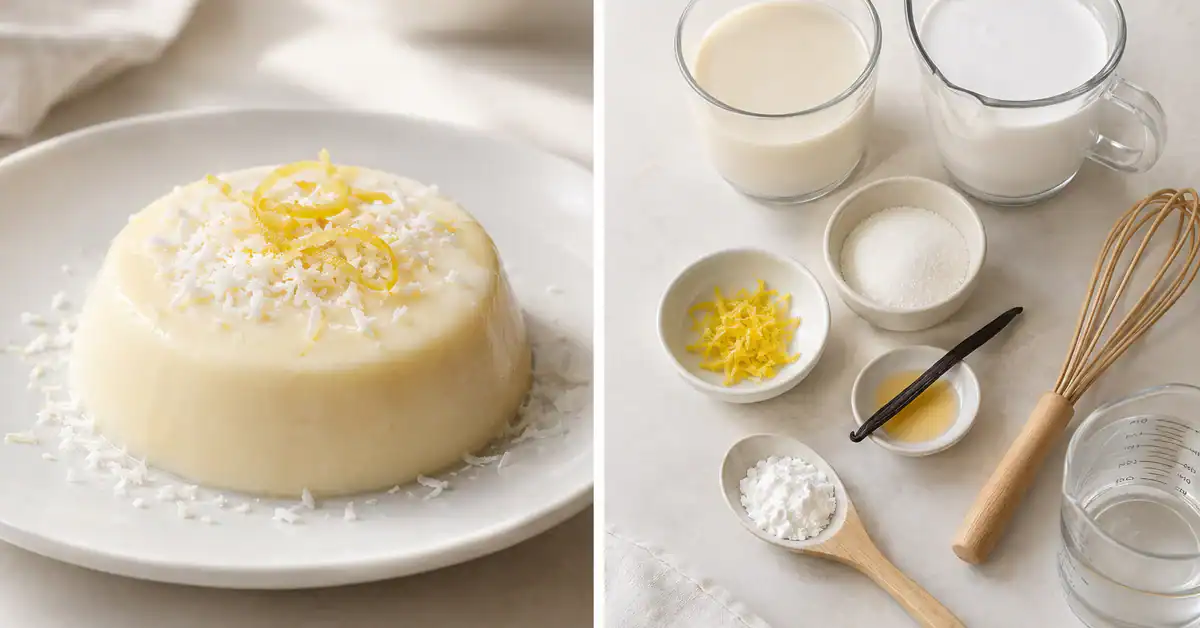
Here are some simple substitutions I suggest for making creamy coconut blancmange with the ingredients you have at home while keeping the basic recipe intact.
Alternatives to whole milk and coconut milk
- In place of 500 ml whole milk, use 500 ml unflavoured oat, soya or rice milk. The result may taste less rich. If you’d like a fuller texture, add a little more cornflour.
- You can replace 200 ml of coconut milk with 200 ml of neutral-tasting plant milk. Any remaining coconut aroma will come from the optional desiccated coconut. When flavouring the blancmange, add 1 teaspoon of vanilla essence or some grated lemon zest, depending on which aroma you prefer.
Notes on sweeteners and flavourings
- To replace the sugar, choose a sweetener suitable for cooking and check the manufacturer’s instructions for the amount equivalent to 100 g sugar. Start with half that amount. Taste the mixture while it’s still warm and adjust the sweetness at the end so it doesn’t become too sweet.
- If you don’t have vanilla essence, use natural vanilla extract or finely grated lemon zest. For a different flavour, you can also add 1 pinch of cinnamon without noticeably changing the texture.
Flavour and serving variations
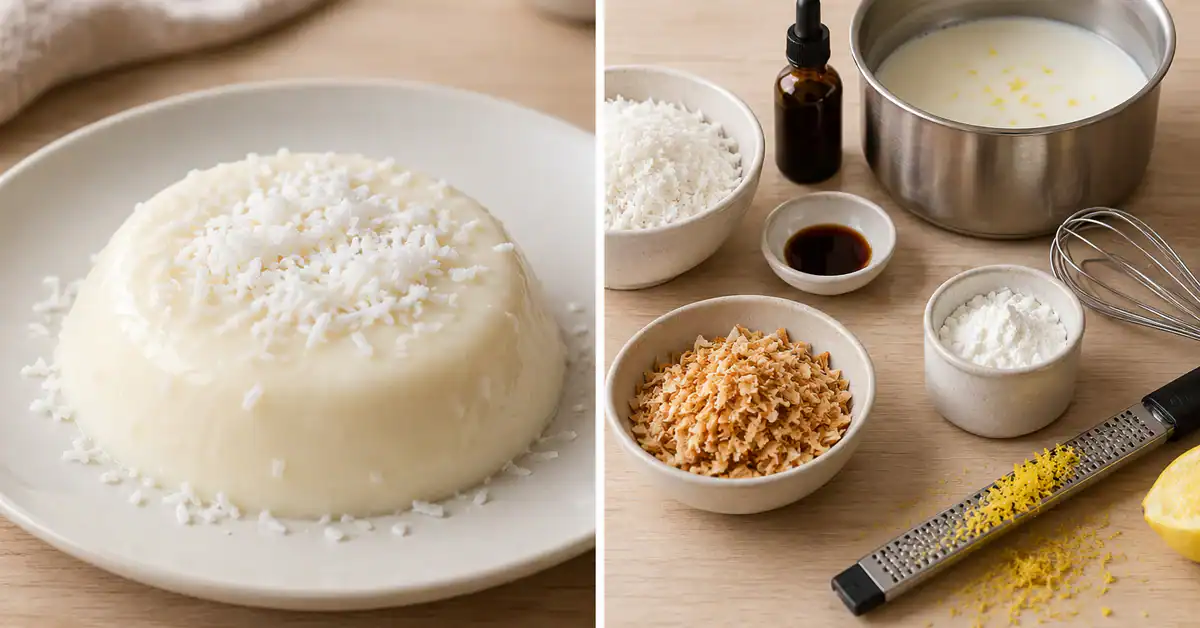
Here are a few ways to vary the flavour and presentation of creamy coconut blancmange. Each brings out a different aroma or texture while keeping the same basic recipe.
Vanilla and lemon zest variations
- For a vanilla flavour, add 1 teaspoon vanilla essence as the mixture warms and stir it through. Let the aroma develop without bringing the mixture to the boil.
- For a citrus note, add the finely grated zest of 1/2 a lemon either at the start or at the end of heating so the flavour infuses without turning bitter. If you prefer the blancmange without bits of zest, remove the zest before blending the cornflour with the reserved cold milk mixture. If you leave it in, stir well to distribute it evenly.
Vanilla enhances the sweet aroma, while lemon zest adds a fresh citrus note that balances the sweetness. Try the flavouring in a small portion first and adjust it to your taste.
Toasted coconut and other toppings
- Toast 50 g of desiccated coconut in a dry frying pan over a medium heat, stirring until lightly golden. Stir it into the blancmange while the mixture is still warm, or sprinkle it over the top just before serving for a crunchy finish.
- For another topping, sprinkle extra coconut over the blancmange just before serving, or combine it with lemon zest for a contrast in flavour.
Serving, storage and final tips
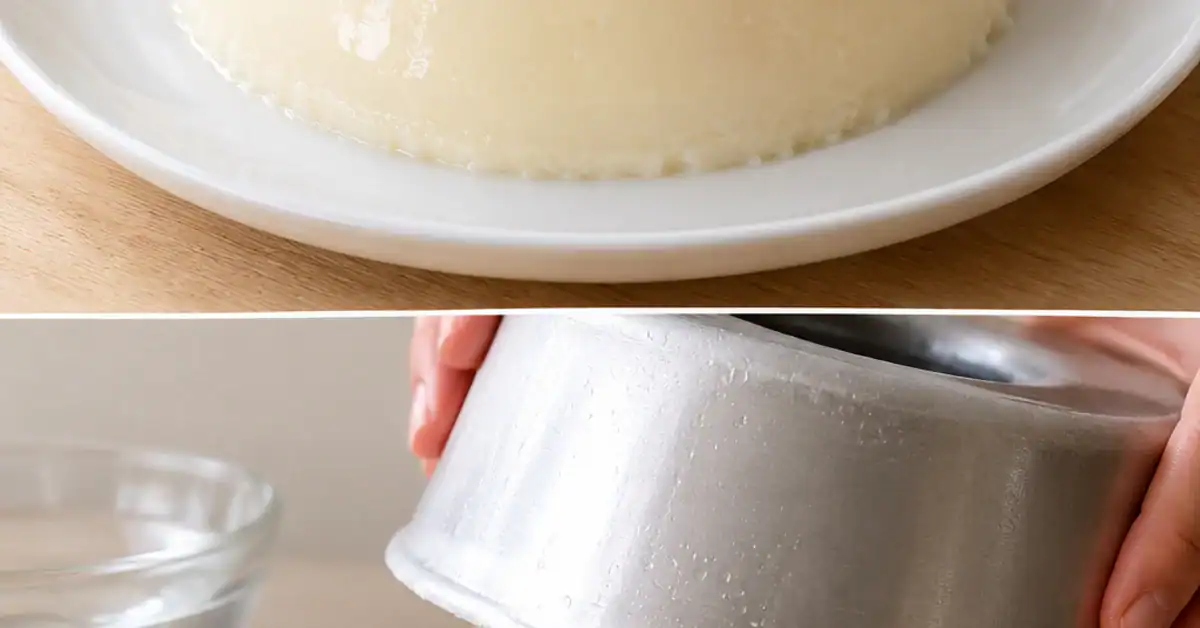
Once the creamy coconut blancmange has set, it’s ready to serve. Here’s how to present it elegantly and store it so it keeps its texture.
How to serve creamy coconut blancmange
- To turn the blancmange out onto a plate, dip the mould briefly in warm water for 5 to 10 seconds to loosen the edges. Gently turn it upside down onto the plate so the blancmange comes out in one piece.
- If you have toasted coconut or lemon zest, scatter it over the blancmange just before serving. Toasted coconut adds a delicate crunch and lemon zest gives a fresh citrus aroma.
- The blancmange should be smooth, with no large bubbles, and offer a little resistance when you cut into it with a fork.
Fridge storage and shelf life
- Keep the blancmange in a covered container in the fridge to preserve its flavour and texture. Avoid leaving it uncovered or at room temperature for long.
- Discard the blancmange if you notice any change in its colour, smell or appearance.
Finishing and serving
Keep the heat low and stir until the mixture is thick enough to coat the back of a spoon, without letting it boil. This helps the blancmange set to a smooth, firm texture as it chills.
For a simple next step, choose one of the variations described above. Add vanilla as the mixture warms or use lemon zest for a citrus note. Pick whichever suits the occasion.
Frequently asked questions about creamy coconut blancmange
How can I tell when the mixture has thickened enough without boiling it?
It’s thick enough when it coats the back of a spoon without running off. Keep the heat low and avoid bringing it to the boil. Stir constantly with a whisk or wooden spoon so it thickens evenly.
What should I do if large bubbles appear on the surface during cooking?
Large bubbles indicate that the mixture is still boiling. Turn off the heat and take the pan off the hob for a few seconds. Skim off the bubbles with a spatula and, if needed, lay cling film directly on the surface to prevent a skin from forming.
What can I use in place of the milk, coconut milk or flavouring without changing the texture too much?
You can replace 500 ml of whole milk with 500 ml of unflavoured plant milk, such as oat, soya or rice milk. The pudding may taste less rich. If you’d like a fuller texture, use a little more cornflour. You can also replace 200 ml of coconut milk with 200 ml of neutral-tasting plant milk. When flavouring the pudding, add 1 teaspoon of vanilla essence for a vanilla aroma or some grated lemon zest for a lemon aroma.
How do I turn out and serve the blancmange without breaking it?
Dip the mould in warm water for 5 to 10 seconds to loosen the blancmange around the edges, then gently turn it out so it stays in one piece. Just before serving, scatter toasted coconut over the top for a delicate crunch or add lemon zest for a fresh citrus aroma. The blancmange should stay smooth and offer a little resistance when you cut into it with a fork.
How many servings does this make, and how long does the blancmange need to chill?
It makes about 6 servings. Chill for about 2 to 4 hours, depending on the room temperature.