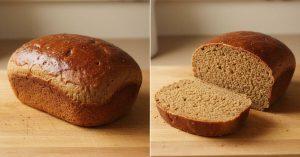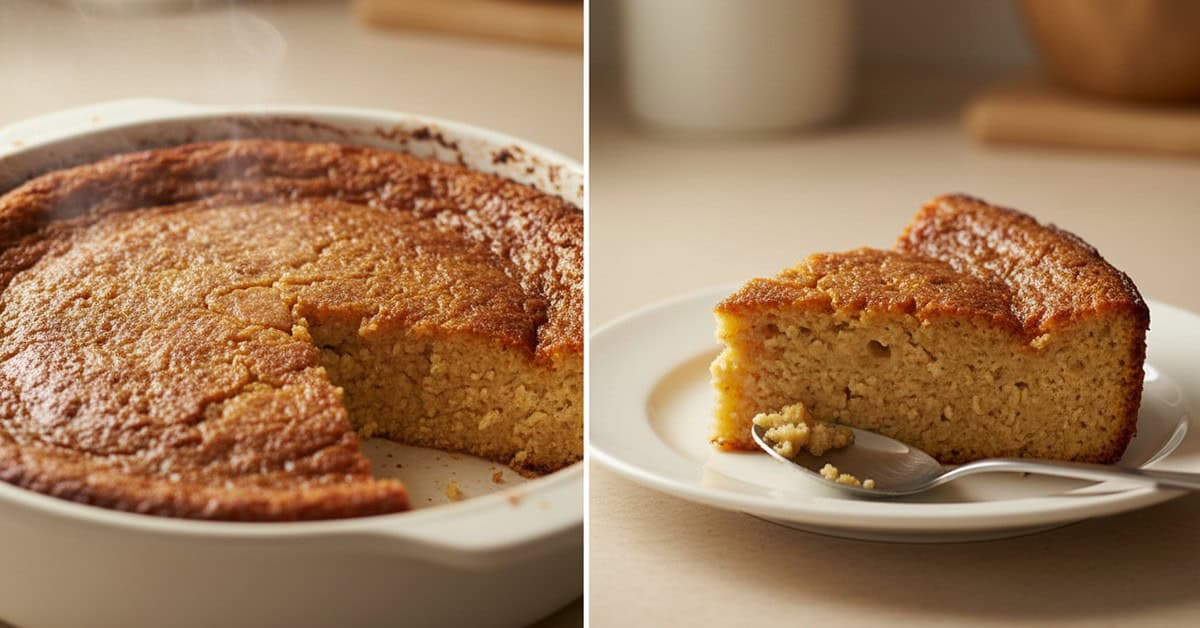

Indian pudding is a traditional New England dessert made by slowly cooking cornmeal, milk, molasses, and spices until creamy. Serve it warm with ice cream or cream. Vegan versions and different milks or sweeteners let you adjust the sweetness and texture.
Indian pudding is a warming cornmeal and molasses pudding, creamy and fragrant, with a long history. Here’s how to make the New England version, with practical techniques and variations from the chef.
Ingredients for Indian pudding

Gather these traditional ingredients for the pudding. The alternatives below let you adapt it to your pantry.
- 200 g (about 1 cup as measured for this recipe) fine yellow cornmeal. Medium-grind cornmeal will work, but avoid a very coarse grind.
- 1 liter whole milk. For a richer pudding, replace 250 ml with evaporated milk.
- 200 g (about 1/2 cup) molasses. Blackstrap gives a deep flavor. Use 150 g brown sugar instead for a milder taste.
- 100 g (1/2 cup) brown sugar. Adjust to taste according to the molasses.
- 60 g (4 tablespoons) unsalted butter. For a vegan version use the same amount of plant-based butter or coconut oil.
- 2 large eggs for structure. For an egg-free version, replace each egg with 1 tablespoon ground flaxseed and 3 tablespoons water, soaked for 5 minutes.
- 1 teaspoon salt to bring out the flavors.
- 1 teaspoon ground cinnamon or 1 cinnamon stick to infuse the milk.
- 1/4 teaspoon grated nutmeg, optional, for depth.
- 1 teaspoon vanilla extract for aroma.
- 120 ml (1/2 cup) hot water or strong coffee to dissolve the molasses. Black tea makes a lighter variation.
Ingredient notes and substitutions
Fine cornmeal gives the smoothest pudding. Molasses defines the flavor, so use less if you prefer less bitterness. Almond or oat milk gives a less creamy result; add a little plant-based butter for body. Cut back the sugar if your molasses is very sweet. Cinnamon and nutmeg are traditional, but a pinch of cloves is another option. Use a medium 20–22 cm (8–8½ inch) baking dish and check the mixture before baking. It should be thick but pourable.
How to make Indian pudding
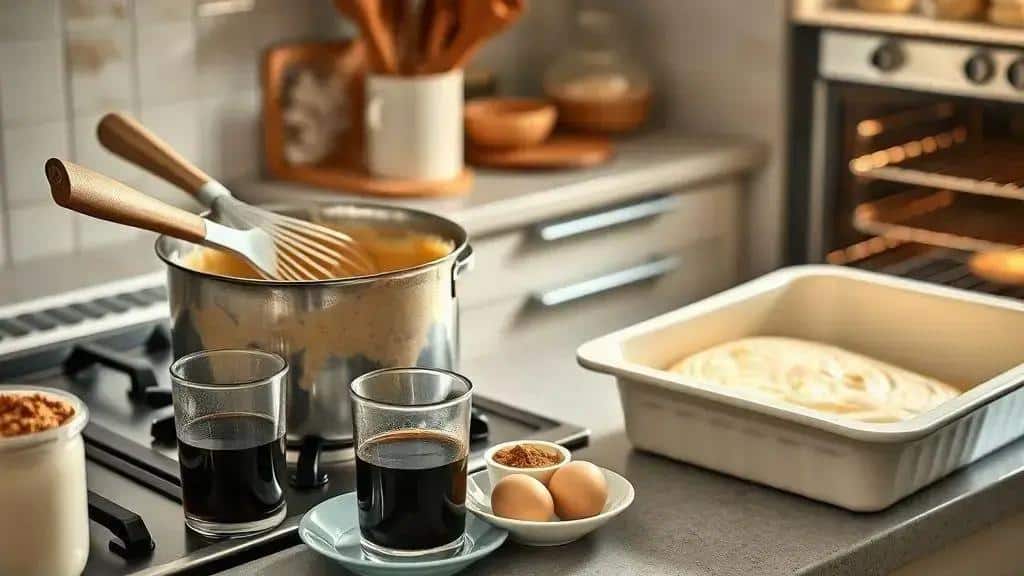
Take each step in turn, paying particular attention to the thickness of the cornmeal and the baking time.
- Preheat the oven to 160°C (320°F). Butter a medium 20–22 cm baking dish and have a larger roasting pan ready for a water bath.
- Whisk 200 g fine cornmeal with 250 ml cold milk in a bowl until smooth. Starting cold helps prevent lumps.
- Set the cornmeal mixture over low heat, add the remaining 750 ml milk, and cook for 8–12 minutes, stirring constantly. It should thicken into a smooth porridge.
- Mix 200 g molasses, 100 g brown sugar, and 120 ml hot water in a small bowl until smooth. Stir into the cornmeal porridge and cook for 2 more minutes.
- Stir in 60 g butter, 1 teaspoon cinnamon, 1/4 teaspoon nutmeg, 1 teaspoon vanilla, and the salt. Stir until the butter melts and the spices are evenly distributed.
- Beat the 2 eggs in a bowl. Gradually whisk a ladleful of hot porridge into the eggs to warm them without scrambling, then quickly stir the egg mixture back into the porridge.
- Pour into the buttered dish. Set it in the larger roasting pan and add hot water to come halfway up the sides of the pudding dish.
- Bake for 1 to 1½ hours, until the center is set but still jiggles slightly. The surface should brown and may develop small cracks.
- Carefully lift the dish from the oven and let it stand for 30 minutes at room temperature to set. Serve warm or at room temperature with cream or ice cream.
- Cover and refrigerate for up to 4 days. To serve leftovers hot, cover and reheat in an oven preheated to 165°C (325°F) or in a water bath until the center reaches 74°C (165°F).
Cooking tips
- For a smooth pudding, start by mixing the cornmeal with cold milk and stir constantly as it cooks.
- The porridge should be thick before baking. If thin, cook it on the stove for another 2–3 minutes.
- A water bath protects the edges from scorching and helps the pudding cook evenly.
- Taste the cooked cornmeal porridge and adjust the sweetness before adding the eggs. Start with less brown sugar if the molasses is very sweet.
- For a vegan pudding, use oat milk and coconut oil. For each egg, mix 1 tablespoon ground flaxseed with 3 tablespoons water.
Variations on molasses, milk, and spices
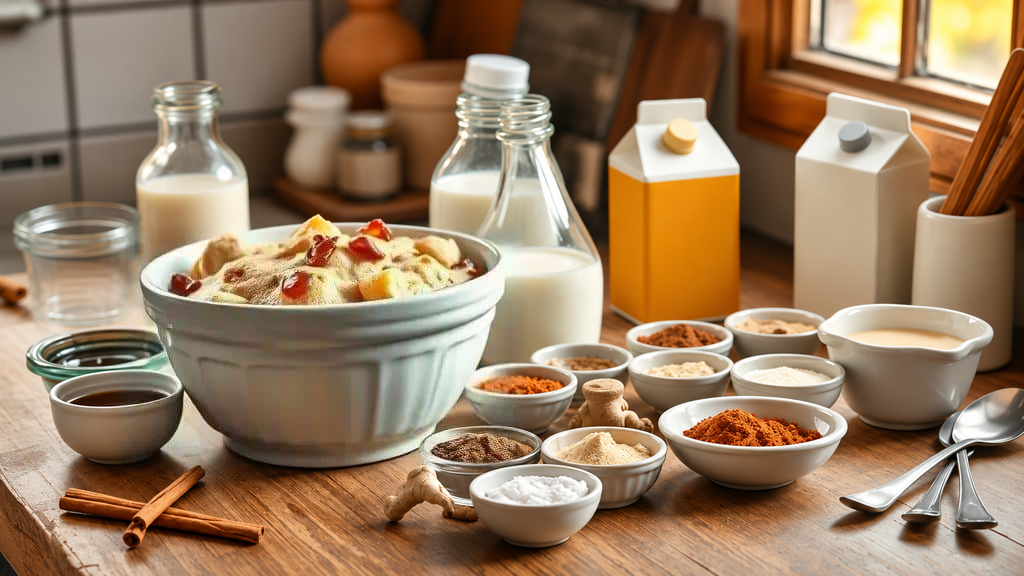
Try these substitutions to change the flavor while retaining the pudding’s texture.
Molasses
Molasses contributes sweetness, color, and a characteristic bitterness. Choose an alternative to suit your taste and pantry.
- 200 g molasses gives a strong, slightly bitter flavor. Reduce to 150 g for a milder pudding.
- 150 g brown sugar can replace the molasses. For a deeper flavor, add 1 tablespoon cane molasses.
- 140–160 g maple syrup gives a floral aroma and less bitterness. Reduce the other liquid by 1–2 tablespoons.
- 140 g light molasses tastes milder than blackstrap while keeping the color and aroma.
Milk
Milk hydrates the cornmeal and makes it creamy. Change the milk to vary the richness.
- 1 liter whole milk for the classic creamy texture.
- 250 ml evaporated milk plus 750 ml regular milk for a richer, silkier result.
- 1 liter oat or almond milk for a plant-based version. Add 2 tablespoons coconut oil or plant-based butter for more body.
- Skim milk makes a leaner, slightly less creamy pudding. Check it a little earlier in the oven to avoid drying it out.
Spices
Spices balance the molasses and give the pudding warmth. Start with a small amount and taste the cooked porridge before adding the eggs.
- 1 teaspoon ground cinnamon gives the traditional base note.
- 1/4 teaspoon grated nutmeg adds depth. A little goes a long way.
- A pinch (1/8 teaspoon) of ground cloves gives a strong flavor. Use only if desired.
- 1 teaspoon vanilla extract rounds off the stronger flavors.
- 1/4 teaspoon ground ginger gives a fresh, mildly spicy note.
Practical tips
- If replacing molasses with maple syrup or sugar, start with less sugar and taste the cooked cornmeal mixture before adding the eggs.
- For a vegan version, use oat milk, plant-based butter, and 1 tablespoon ground flaxseed mixed with 3 tablespoons water per egg.
- Lower-fat milk may shorten the baking time. Check the pudding early. Evaporated milk helps retain creaminess.
- If using blackstrap, reduce the quantity or add vanilla to soften its bitterness.
- When making substitutions, keep the total amount of liquid roughly the same, adjusting as needed for a thick, pourable porridge.
The New England origins of Indian pudding

Indian pudding developed in colonial New England when British pudding-making traditions met a local staple, corn. The dessert reflects the interaction of different food traditions in the region.
Origins and influences
In the 17th century, English colonists adapted slow-cooked puddings to ingredients available in North America. The dish combines a European cooking technique with Indigenous food knowledge.
Corn and Indigenous food traditions
Corn was already a staple for Indigenous peoples. They taught colonists how to process the grain. Cornmeal became central to the pudding’s distinctive texture and flavor.
Molasses and colonial trade
Molasses entered the recipe through the Atlantic sugar and molasses trade. The dark syrup carried on merchant ships gave the pudding its color and flavor and linked it to the colonial economy.
Thanksgiving traditions
Over time the pudding became associated with fall celebrations and Thanksgiving in New England. The corn, molasses, and warm spices suit the harvest season.
A few facts
- The historical name refers to cornmeal, once called “Indian meal” by English-speaking colonists. The pudding itself is a colonial dish with mixed origins.
- The dessert is traditionally denser and creamier than cake, often with a lightly cracked surface.
- Blackstrap molasses, used in older versions, gives the pudding a bitter, mineral note that some cooks enjoy.
- Slow baking in a water bath helps produce an even texture.
Variations and legacy
Modern versions may use maple syrup, plant milk, or different spices, but they keep the basic idea of cooking cornmeal, liquid, and a dark sweetener slowly. The dessert remains linked to New England and the traditions that shaped American cooking.
Texture and cooking tips
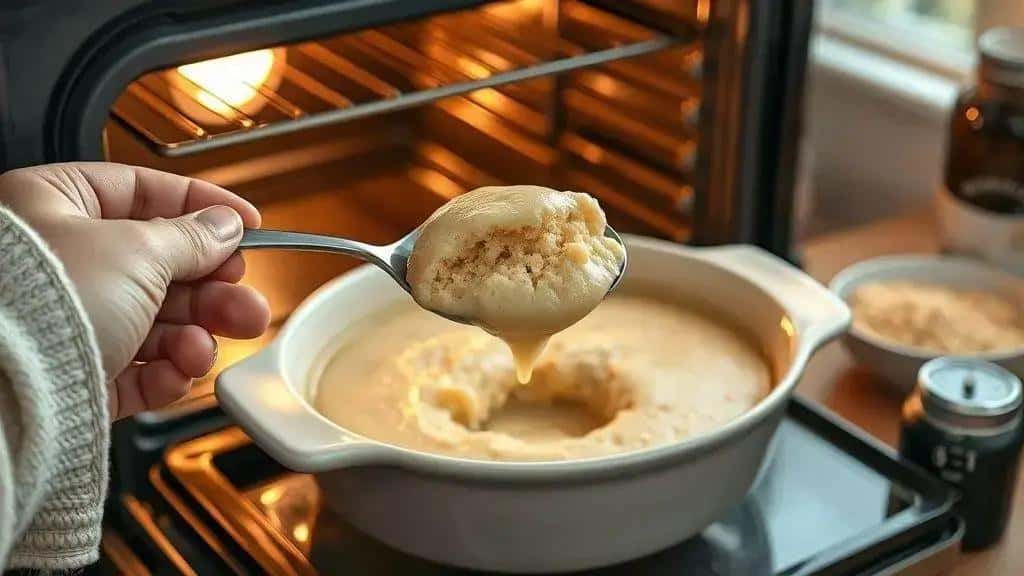
Check the porridge before putting it in the oven. It should be thick, yet still loose enough to spread in the dish.
The ideal texture
- Cook the cornmeal until the porridge coats the back of a spoon.
- Once baked, the center should still wobble slightly. The edges set more quickly.
- A little graininess is normal. Fine cornmeal makes the texture smoother.
Baking and the water bath
- Bake slowly at 150–160°C (300–320°F) to cook the pudding evenly and keep it moist.
- Add hot water to the outer pan until it reaches halfway up the pudding dish to protect the edges.
- Avoid opening the oven early. Check during the final 15 minutes to minimize heat loss.
Checking for doneness
- Gently jiggle the dish. The center should wobble slightly, without loose liquid.
- Insert a clean skewer in the center. It should come out with moist crumbs rather than liquid batter.
- For a firm pudding, a thermometer should read about 80–85°C (176–185°F) in the center. Going much higher may dry it out.
Common problems and solutions
- If the pudding is too runny, cook the cornmeal porridge longer on the stove before baking to reduce the liquid.
- If the top scorches, lower the oven temperature or shorten the final baking time and check the water bath.
- If you get lumps, mix the cornmeal into cold milk and strain the mixture before heating. Stir constantly as it cooks.
- If the molasses tastes too bitter, use less or add a teaspoon of vanilla to soften it.
Reheating and storage
- Cover with foil and reheat in an oven preheated to 165°C (325°F) or in a water bath until the center reaches 74°C (165°F). Let cool to a pleasant serving temperature.
- Refrigerate covered for up to 4 days. For serving without reheating, take out just the portion you want 20–30 minutes in advance to bring out its aroma.
- Freezing is possible, though the texture may change. Thaw slowly in the refrigerator and reheat gently.
Quick tips
- Adding butter near the end gives the porridge sheen and a smooth finish.
- Taste the cooked cornmeal porridge and adjust the sweetness and spices before adding the eggs.
- Note what works for your dish and oven, especially when changing the cornmeal or molasses.
Serving, pairing, and storing the pudding

Serve warm or at room temperature to enjoy the creamy texture and molasses aroma.
Serving ideas
- Top a warm slice with a spoonful of fresh cream or lightly whipped cream.
- A scoop of vanilla ice cream gives a cool contrast to the rich, sweet pudding.
- Apple compote or warm pears add acidity and freshness.
- Bake in ramekins for individual portions with a rustic presentation.
- Dust with cinnamon or freshly grated nutmeg just before serving.
Pairings
- Strong coffee or black tea balances the sweetness and brings out the spices.
- Apple cider, a young port, or a mellow bourbon complements the molasses and cornmeal.
- A lightly salted soft cheese or seasoned cream cheese gives a savory contrast.
- Citrus fruit or fruit compote balances the sweetness and freshens the dessert.
- An extra pinch of cinnamon or a little candied ginger brings out the layers of spice.
Storage
- Let the pudding cool for 30–60 minutes at room temperature before covering and refrigerating.
- Cover with a lid or plastic wrap and refrigerate at 4°C (40°F) or colder for up to 4 days.
- To reheat leftovers, cover with foil and place in an oven preheated to 165°C (325°F), or use a water bath. Heat the center to 74°C (165°F).
- Large portions can turn gummy in a microwave. Heat small portions in short intervals, checking that they are hot throughout.
- Freeze in an airtight container for up to 2 months. The texture may change. Thaw in the refrigerator and reheat gently.
- Refrigerate within 2 hours of cooking, or within 1 hour if the room is hotter than 32°C (90°F).
Quick serving tips
- Serve the warm pudding with cold ice cream for contrast.
- Thin slices highlight the creamy texture and balance the sweetness.
- Taste the finished pudding before choosing toppings to suit the sweetness and texture of the batch.
Final thoughts
Indian pudding is a simple dessert with a long history, a creamy texture, and the fragrance of molasses and spices. Cook the cornmeal until thick, bake slowly in a water bath, and serve warm.
Try evaporated milk, maple syrup, or a vegan variation. Adjust the spices to taste and note what works in your oven.
Thanks for reading! Follow us on social media and visit the Mestre das Receitas blog for more recipes and kitchen tips.
Share your photos, tag us, and tell us how your pudding turned out. We love seeing your versions.
Frequently asked questions about Indian pudding
What’s the difference between fine and coarse cornmeal for this pudding?
Fine cornmeal makes a smoother, less grainy pudding. Coarse cornmeal has a more noticeable texture. Choose fine for an evenly creamy result.
Can I replace molasses with another sweetener?
Yes. Try maple syrup or brown sugar. Start with a little and taste the cooked cornmeal porridge before adding the eggs to adjust the sweetness.
How do I know when the pudding is done?
The center should wobble slightly when you jiggle the dish. A skewer should carry moist crumbs but no liquid. Avoid overbaking so it stays creamy.
What’s the best way to store and reheat the pudding?
Cover and refrigerate for up to 4 days. To serve leftovers hot, cover and reheat in an oven preheated to 165°C (325°F) or in a water bath until the center reaches 74°C (165°F).
How do I make a vegan version?
Use oat or almond milk, plant-based butter or coconut oil, and 1 tablespoon ground flaxseed mixed with 3 tablespoons water per egg. Let the flax mixture stand for 5 minutes.
Which drinks or accompaniments go well with the pudding?
Strong coffee, black tea, apple cider, or a mellow bourbon pairs well. Vanilla ice cream or fruit compote adds contrast.