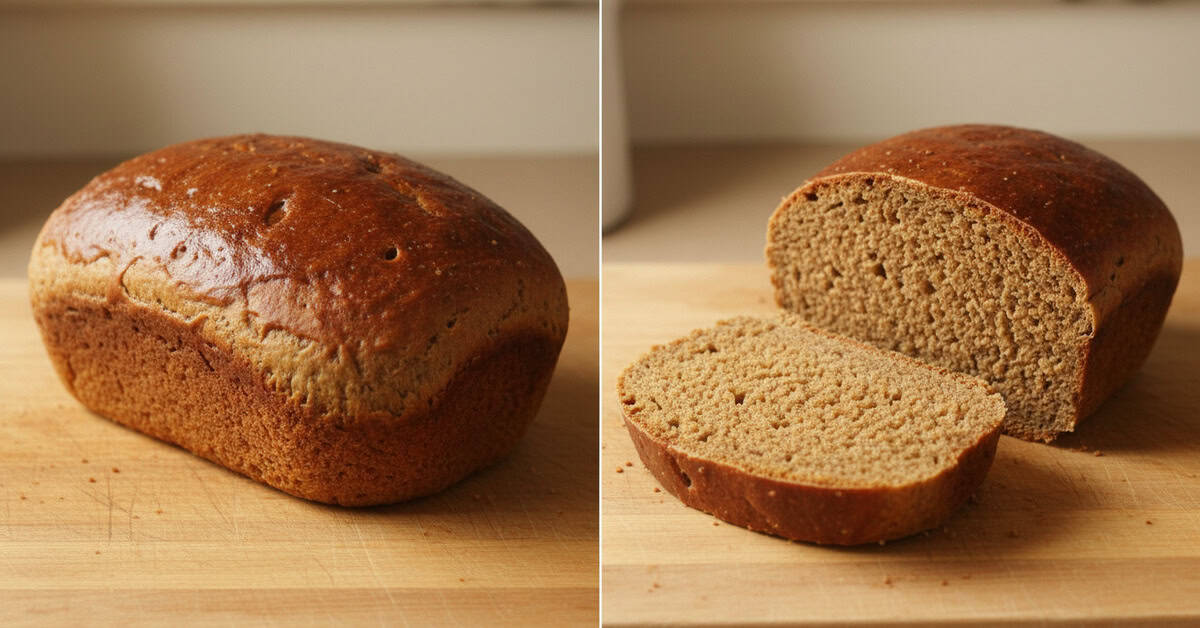

New England brown bread is steamed with whole-grain flour and cornmeal and sweetened with molasses. Its moist, slightly grainy crumb is rich in fiber. A steady supply of steam and a well-covered mold keep the loaf tender.
The smell of brown bread brings to mind old kitchens and cozy cafés. Want to make it at home? These instructions, tips, and variations will help you get that soft crumb.
Ingredients for steamed New England brown bread
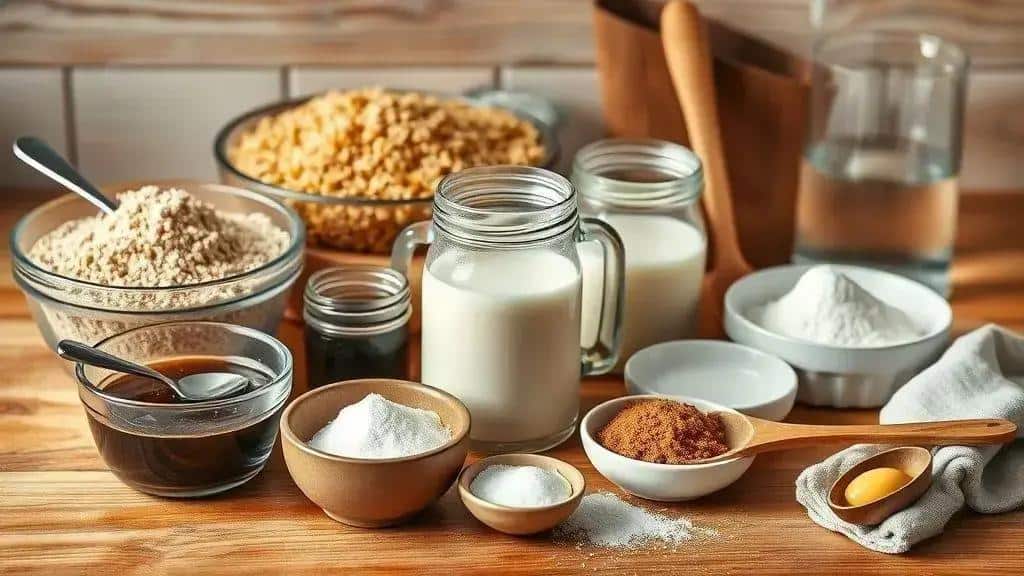
For one loaf of New England brown bread, gather the following ingredients.
- 2 cups (240 g) whole wheat flour, the base of the loaf.
- 1 cup (120 g) cornmeal for a slightly grainy texture.
- 1/2 cup (60 g) rye flour for a traditional flavor, optional.
- 1/2 cup (120 ml) molasses for sweetness and color. Maple syrup or brown sugar can be substituted.
- 1 teaspoon baking soda to react with the buttermilk and lift the batter.
- 1 teaspoon salt to bring out the flavors.
- 1 tablespoon brown sugar, optional, for a deeper molasses flavor.
- 2 tablespoons (30 g) melted butter or vegetable oil for tenderness.
- 1 cup (240 ml) buttermilk. Alternatively, use 1 cup milk plus 1 tablespoon vinegar or lemon juice.
- 1/2 cup (120 ml) lukewarm water, added as needed for the right consistency.
- 1 large egg, optional, for structure. For a vegan loaf, use a flax egg made with 1 tablespoon ground flaxseed and 3 tablespoons water.
Substitutions and variations
- For a vegan loaf, replace the buttermilk with 1 cup plant milk plus 1 tablespoon vinegar. Use oil in place of butter and a flax egg in place of the egg.
- For a gluten-free loaf, replace the wheat and rye flours with a 1-to-1 gluten-free blend and add 1 teaspoon xanthan gum. Use gluten-free cornmeal. The bread may be denser and take longer to steam.
- For a less sweet loaf, reduce the molasses to 1/3 cup and add 1 tablespoon brown sugar if desired.
- For extra aroma, add 1/2 teaspoon cinnamon or 1 teaspoon strong brewed coffee to bring out the molasses.
How to make steamed New England brown bread
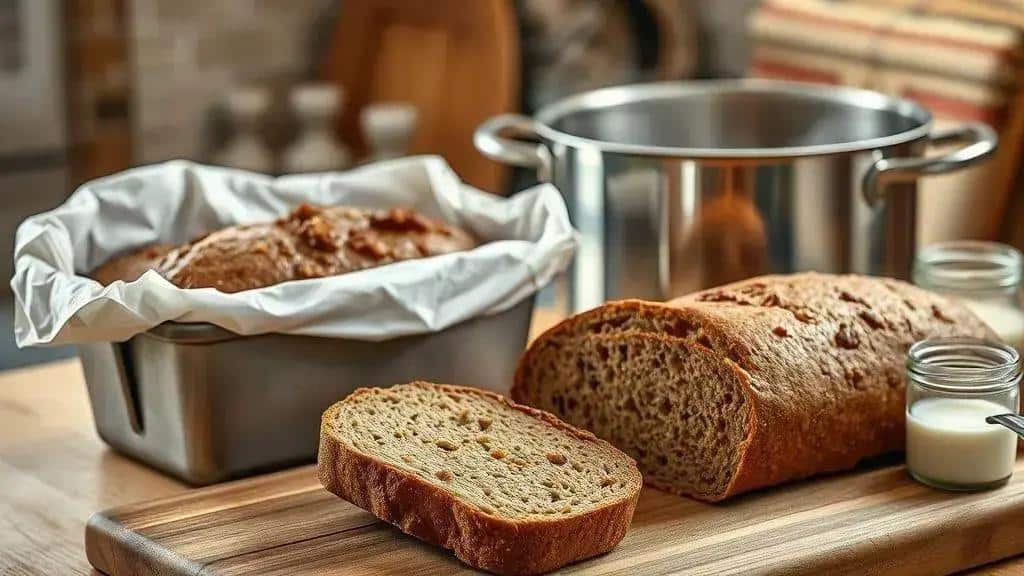
Follow these steps to mix and steam the loaf.
Practical tips
Brown bread is a quick bread leavened with baking soda. Stir just until combined. Cover the mold snugly to keep water out.
- Mix the dry ingredients. Sift or whisk together 2 cups whole wheat flour, 1 cup cornmeal, 1/2 cup rye flour, 1 teaspoon baking soda, 1 teaspoon salt, and the optional tablespoon of brown sugar.
- Mix the liquids. In another bowl, combine 1 cup buttermilk (or milk plus 1 tablespoon vinegar), 1/2 cup molasses, 2 tablespoons melted butter, and 1 beaten egg or flax egg.
- Pour the liquids into the dry ingredients and fold with a spatula, adding lukewarm water as needed for a thick, moist batter. Stop once combined so the bread stays tender.
- Grease a loaf mold or food-safe steaming tin and line it with parchment. Fill it no more than three-quarters full. Leave room for expansion in individual molds, too.
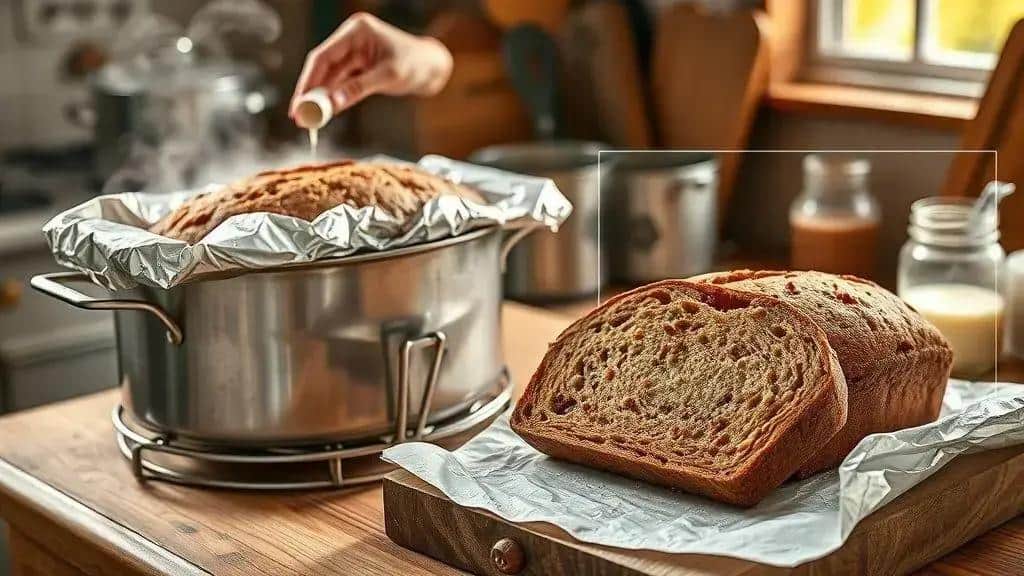
- Fit foil snugly over the mold to keep out water. You can wrap a clean dish towel around it to catch condensation, keeping the cloth inside the pot and away from the heat source.
- Set a rack in a deep pot. Add enough water to come one-third of the way up the mold when it sits on the rack. Bring the water to a boil, then reduce to a gentle simmer for steady steam.
- Place the mold on the rack, cover the pot, and steam over low heat for about 1 hour 30 minutes to 2 hours. Avoid lifting the lid often. Carefully replenish with hot water as needed.
- Lift the mold out carefully, uncover it away from your face, and insert a wooden skewer in the center. It should come out clean or with a few moist crumbs. If it carries wet batter, steam for another 10–15 minutes.
- Rest the bread in the mold for 15–20 minutes, then turn it out and cool completely on a rack so the crumb can set. Slicing it hot can make it crumble.
- Slice and serve with butter or cheese. Keep wrapped in a clean cloth or plastic wrap for up to 3 days at room temperature or up to 7 days in the refrigerator. Freeze sliced for up to 3 months.
Chef’s tips for tender steamed bread
- Stir only until the wet and dry ingredients come together. Heavy mixing develops gluten and makes the loaf tough.
- Balance the buttermilk and water so the batter is thick but moist. Add 1–2 tablespoons water if it seems dry.
- Buttermilk supplies acid to react with the baking soda. If using regular milk, add 1 tablespoon vinegar or lemon juice per cup.
- Molasses gives the loaf color and moisture. Butter or oil keeps it tender. Reducing the fat makes for a less tender loaf.
- Use lukewarm liquids. Hot liquids can cook the egg or affect how quickly the baking soda reacts.
- Fit the foil snugly. A towel around the mold can help catch condensation before it soaks the surface. Keep it well clear of the burner.
- Maintain a gentle, steady simmer. Vigorous boiling can heat the loaf unevenly and leave large holes in the crumb.
- Allow 90–120 minutes for steaming, depending on the mold size.
How to steam the loaf evenly
- Put a rack in the bottom of the pot. Add hot water to reach one-third of the way up the mold.
- Fill the mold no more than three-quarters full so the batter has room to rise.
- Stretch foil snugly over the mold. If desired, wrap the mold in a dry dish towel to catch condensation, keeping the towel inside the pot.
- Bring the water to a boil, then reduce the heat to maintain a steady supply of steam.
- Keep the lid on for the first 60 minutes when possible. Each time you lift it, the pot loses heat and cooking takes longer.
- Check the water during longer cooking and carefully add hot water as needed.
- Near the end, insert a skewer in the center. It should come out clean or with moist crumbs and no wet batter.
- Remove the mold carefully and rest for 15–20 minutes. Turn the bread onto a rack and cool it before slicing.
Finishing and storing
For a firmer surface, remove the foil for the last 10–15 minutes and let some steam escape. To keep slices soft, wrap them in a clean cloth or plastic wrap for up to 3 days at room temperature. Refrigerate or freeze sliced for longer storage.
Brown bread variations and ingredient swaps
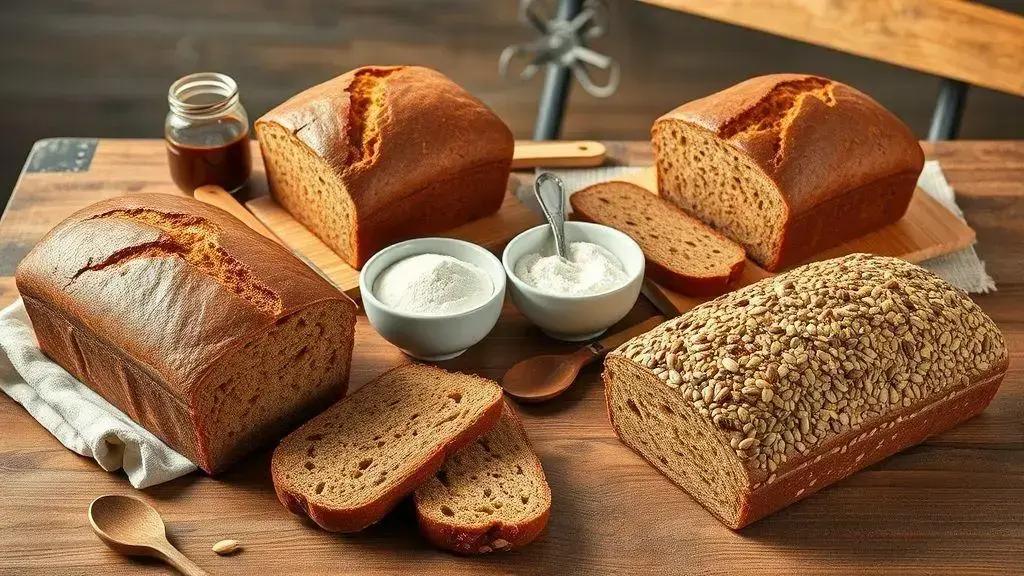
Try these variations for different preferences while keeping a moist crumb and the characteristic flavor of molasses.
Vegan version
Main ingredients for one medium mold
- 2 cups (240 g) whole wheat flour
- 1 cup (120 g) cornmeal
- 1/2 cup (120 ml) molasses, or maple syrup for a milder flavor
- 1 teaspoon baking soda
- 1 cup (240 ml) plant milk plus 1 tablespoon vinegar to replace the buttermilk
- 1 flax egg, made from 1 tablespoon ground flaxseed and 3 tablespoons water
Quick method
- Combine the dry ingredients. Mix the ground flaxseed and water separately and let stand for 5 minutes.
- Combine the plant milk, vinegar, and molasses. Fold into the dry ingredients with the flax egg.
- Steam as in the main recipe, allowing another 10–15 minutes if the batter is wetter.
Gluten-free version
Main ingredients and adjustments
- 2 cups (240 g) gluten-free flour blend designed for a 1-to-1 substitution
- 1 cup (120 g) gluten-free cornmeal
- 1 teaspoon xanthan gum for structure
- 1 cup (240 ml) buttermilk or milk soured with vinegar
- 1/2 cup (120 ml) molasses
Quick method
- Mix the xanthan gum into the dry ingredients to help prevent a crumbly loaf.
- Follow the same mixing order as the main recipe and fold gently.
- If the batter seems dry, add 1–2 tablespoons lukewarm water.
Higher-fiber, lower-sugar variation
Try these small changes.
- Replace 1/2 cup of the whole wheat flour with quick oats.
- Use 1/3 cup (80 ml) molasses and add 1 tablespoon unsweetened applesauce for moisture.
- Add 2 tablespoons flaxseed or chia seeds.
Quick method
- Soak the seeds in 2 tablespoons water for 5 minutes.
- Add the applesauce to the wet ingredients to keep the reduced-sugar batter moist.
- Steam for the usual time, checking the texture at the end.
Seed and grain variation
For a loaf with more crunch, add the following.
- 1/4 cup sunflower seeds
- 1/4 cup pumpkin seeds
- 2 tablespoons ground flaxseed
- 1/4 cup rolled oats, optional
How to add the seeds
- Toss the seeds with the dry ingredients to distribute them evenly.
- For a seeded top, sprinkle more seeds over the batter before covering the mold with foil.
- Reduce the water slightly if the batter seems too loose after adding the seeds.
Useful substitutions
- Molasses can be replaced with maple syrup, brown sugar dissolved in hot water, or honey for a nonvegan loaf.
- Use regular milk plus 1 tablespoon vinegar or lemon juice per cup in place of buttermilk.
- Replace butter with vegetable oil, applesauce, or coconut oil. The flavor may change slightly.
- For an egg-free loaf, use a flax egg or mashed banana. Banana will add sweetness.
- Omit the rye flour or replace it with more whole wheat flour for a milder loaf.
Quick tips for adapting the recipe
- Whole-grain flours absorb more liquid. Add 1–2 tablespoons water if needed.
- Loaves with extra grains may need another 10–20 minutes of steaming. Always check the center with a skewer.
- Change one ingredient at a time so you can tell how it affects the flavor and texture.
Brown bread history and nutrition
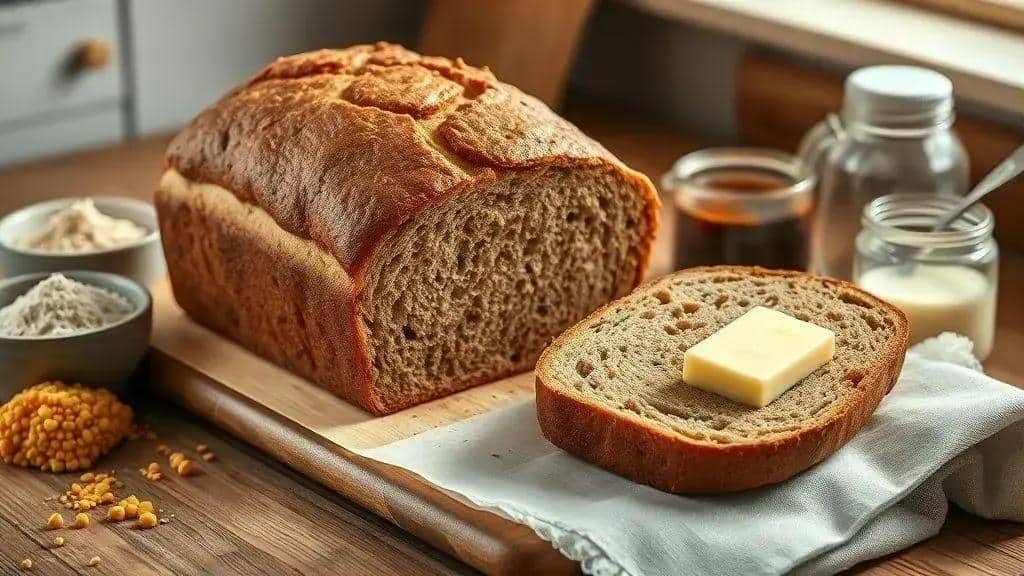
New England brown bread is steamed with cornmeal and molasses. It became a favorite for its simple preparation, moist crumb, and rich flavor.
A few facts about brown bread
- Also called Boston brown bread, the loaf was traditionally steamed in tins or molds set in large pots and served alongside baked beans.
- Molasses gives the bread its dark color. In the 19th century it was an inexpensive sweetener and was also used in preserving foods.
- Cornmeal and whole wheat flour give the loaf a dense, slightly grainy crumb that sets it apart from oven-baked breads.
Nutritional highlights
Whole-grain flour and cornmeal provide fiber and energy and can help a portion feel filling. Enjoy moderate slices as part of a varied diet.
- Fiber supports normal digestion and helps you feel full.
- Whole-grain flours contain B vitamins involved in energy metabolism.
- Molasses and the flours provide small amounts of minerals including iron, magnesium, and zinc.
What each ingredient adds
- Whole wheat flour adds fiber, B vitamins, and complex carbohydrates.
- Cornmeal adds texture, carbohydrates, and small amounts of carotenoids.
- Rye flour adds its distinctive flavor and soluble fiber, which supports digestion.
- Molasses provides color, flavor, and some iron. It also contributes sugar, so use it in moderation.
- Buttermilk provides protein and calcium. Its acidity reacts with baking soda for a more tender crumb.
- Butter or oil improves tenderness and mouthfeel. To reduce saturated fat, choose an unsaturated vegetable oil.
Portions and serving suggestions
A medium slice, about 50–60 g, provides energy and fiber. If watching your sugar intake, pair it with cheese or peanut butter and keep the overall amount of molasses in mind.
Dietary considerations
- If you have diabetes, count the sugars in molasses when planning your portion and monitor blood glucose as advised.
- If you avoid gluten, use gluten-free substitutes and expect a different texture.
- If you follow a sodium-restricted diet, check the amount of salt in the recipe.
Storage tips
Let the bread cool before slicing. Wrap or keep in an airtight container for up to 3 days. Refrigerate or freeze slices for longer storage and warm them in a toaster or oven to refresh the texture.
Final thoughts
New England brown bread gets easier with practice. Adjust the water, mix gently, and keep the steam steady for a soft crumb and a balanced molasses flavor.
Thanks for baking along! Share your photos and questions on social media. We enjoy hearing from home cooks.
Follow us on social media and find more recipes on the Mestre das Receitas blog. See you next time, and enjoy!
Frequently asked questions about steamed New England brown bread
How long does it take to steam brown bread?
It usually takes 90–120 minutes over low heat with steady steam, depending on the size of the mold. Smaller molds may take less time.
How do I know when the bread is done in the middle?
Insert a skewer into the center. A clean skewer or a few moist crumbs mean the loaf is ready. Wet batter means it needs more time.
What can I use instead of buttermilk?
Mix 1 cup regular milk with 1 tablespoon vinegar or lemon juice. Let stand for 5 minutes before using.
Can I make vegan brown bread?
Yes. Replace the egg with 1 tablespoon ground flaxseed mixed with 3 tablespoons water. Use plant milk with vinegar in place of buttermilk and oil in place of butter.
How do I keep brown bread soft?
Slice it when cool and wrap it in a clean cloth or keep in a covered container for up to 3 days. For longer storage, refrigerate or freeze the slices and warm them in the toaster or oven.
How can I reduce the sugar without drying out the loaf?
Reduce the molasses to 1/3 cup and add 1 tablespoon unsweetened applesauce to retain moisture with less sugar.