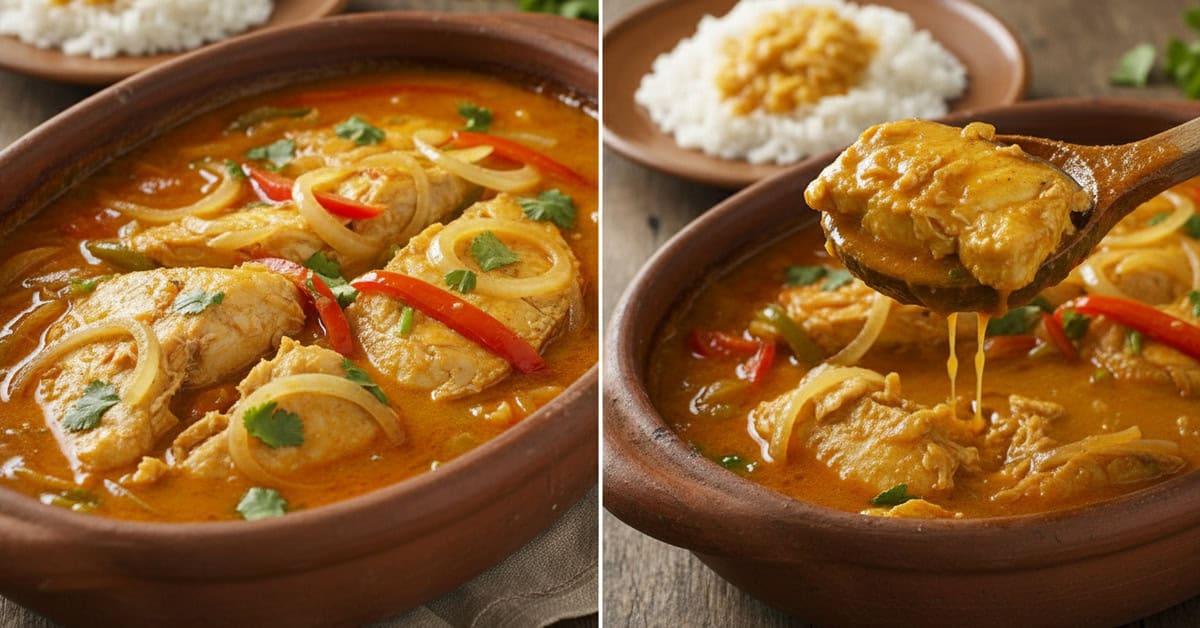

Bahian fish moqueca is a traditional Brazilian stew made by gently cooking firm fish with red palm oil, coconut milk, peppers, tomatoes, onions and coriander to bring out the characteristic flavours of Bahian cooking.
Fancy trying a Bahian fish moqueca full of flavour and steeped in tradition? This recipe combines fresh ingredients with that special touch that makes Brazilian cooking so distinctive. Shall we discover the secrets to making this memorable dish together?
Ingredients for Bahian fish moqueca
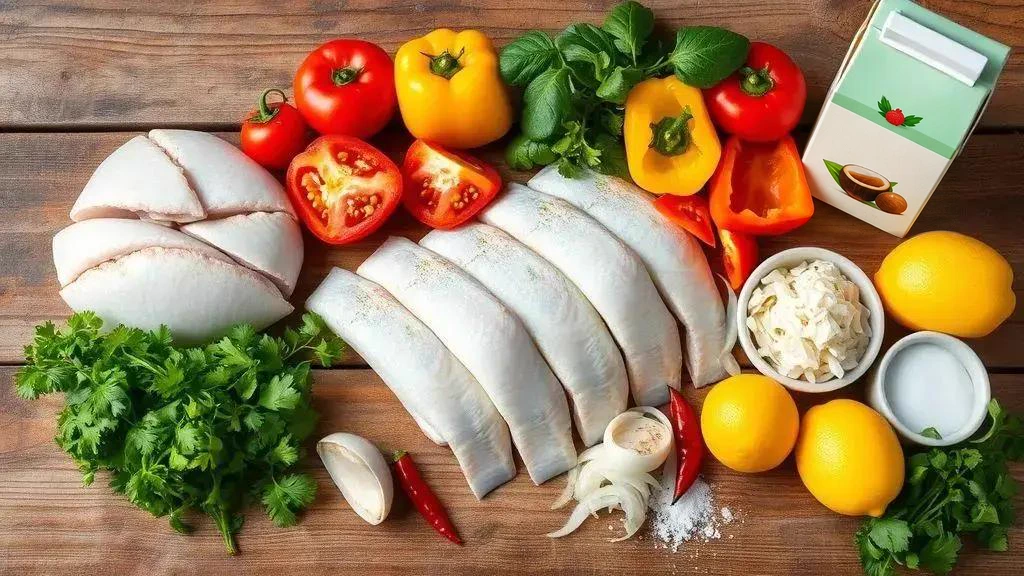
For a delicious Bahian fish moqueca, start with fresh, good-quality ingredients. Here’s everything you’ll need.
- 1 kg firm white fish, such as snook, grouper or sandperch, cleaned and cut into steaks.
- 2 ripe tomatoes, cut into rounds.
- 1 red pepper, cut into strips.
- 1 yellow pepper, cut into strips.
- 1 large onion, thinly sliced into rings.
- 200 ml coconut milk to give the stew its creamy texture.
- 4 tablespoons red palm oil, essential for the characteristic Bahian flavour.
- 2 garlic cloves, finely chopped or crushed.
- Juice of 1 lime to season the fish.
- Salt to taste, to bring out the flavours.
- Chopped dedo-de-moça chilli (optional), for a little heat.
- Fresh coriander, chopped, to finish.
You can use olive oil if you prefer, though it’s the red palm oil that gives Bahian moqueca its distinctive flavour. You can buy coconut milk or make your own. Either way, good-quality coconut milk makes for a tastier stew.
How to make fish moqueca step by step
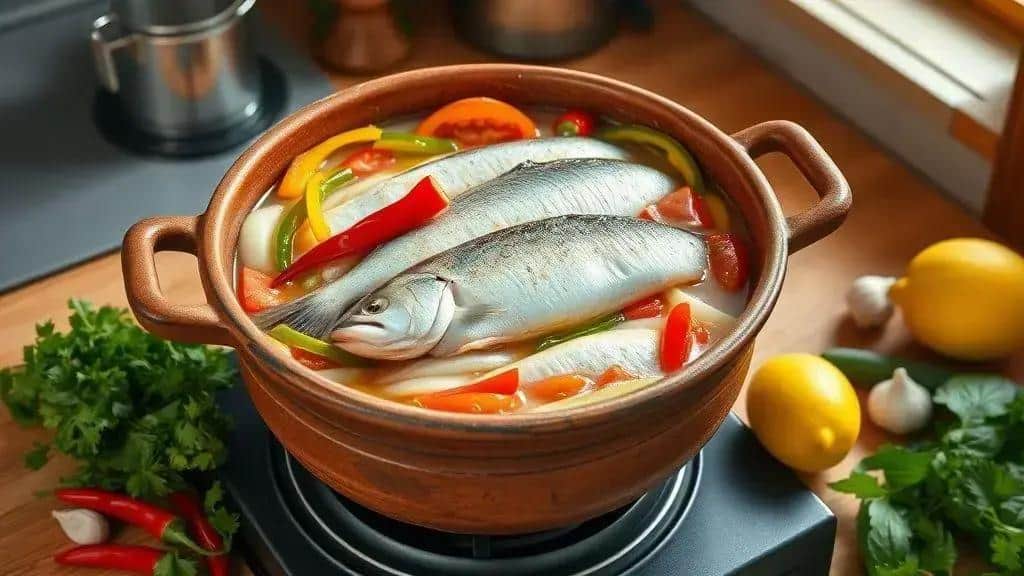
- Season the fish. Place the fish steaks in a bowl with the salt, lime juice and chopped garlic. Leave to marinate for at least 30 minutes so the fish takes on the flavours.
- Prepare the base. Heat the red palm oil in a clay pot or deep pan over a medium heat. Add the sliced onion and gently fry until translucent.
- Add the peppers and tomatoes. Gently fry the red and yellow pepper strips and tomato slices for about 5 minutes, stirring carefully to keep the vegetables intact.
- Add the fish. Arrange the steaks evenly over the vegetables and pour in the coconut milk. Cover and cook over a low heat for about 20 minutes. Avoid stirring so the fish stays in one piece.
- Finish the moqueca. Once the fish has cooked, add the chopped coriander and, if you like, the dedo-de-moça chilli. Taste and add more salt if needed, then cover and cook for a further 2 to 3 minutes.
- Serve hot. Take the pan off the heat and serve this warming, aromatic Bahian stew with white rice and farofa (toasted cassava flour).
Popular variations on fish moqueca
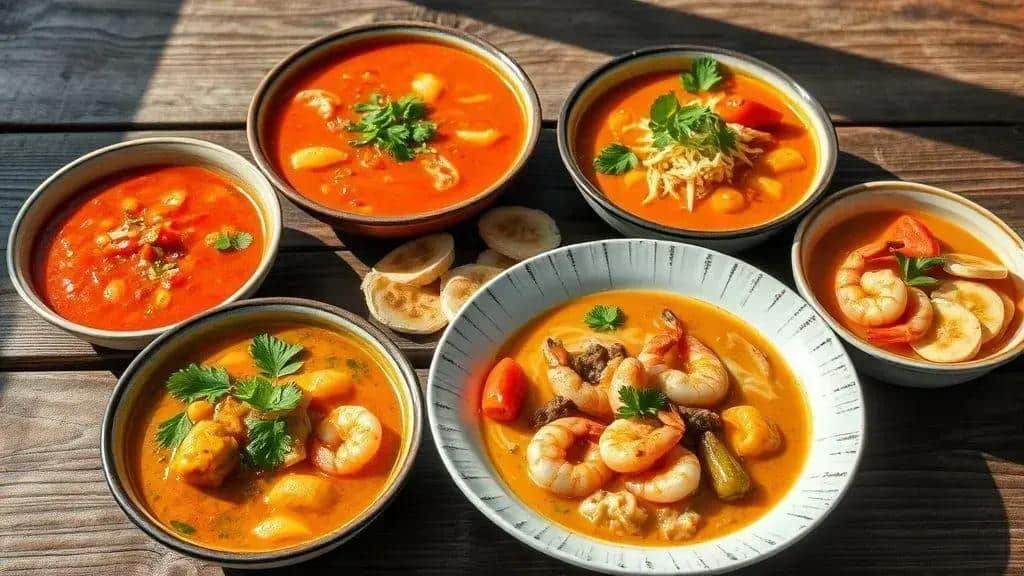
The many popular versions of fish moqueca reflect the variety of Brazilian cooking and the ways the dish has evolved from region to region. They may inspire you to try new flavours and techniques in your own kitchen.
- Bahian moqueca comes from the state of Bahia. Red palm oil and coconut milk give the stew its distinctive flavour, and the oil gives it its vibrant colour.
- Moqueca capixaba, from Espírito Santo, is a much lighter stew. It contains neither red palm oil nor coconut milk. Olive oil and fresh tomatoes give it a delicate flavour.
- Prawn moqueca is popular along the coast. Fresh prawns take the place of the fish, while red palm oil and coconut milk still form the base.
- Plantain moqueca is a vegetarian version made with ripe plantains in place of the fish. They become soft as they cook and lend the stew a gentle sweetness.
- Moqueca with light coconut milk is a lower-calorie option. Use light or diluted coconut milk in place of regular coconut milk to keep the tropical flavour.
These variations show how moqueca can suit different tastes and dietary needs while staying true to its Brazilian roots.
Interesting facts about Bahian moqueca
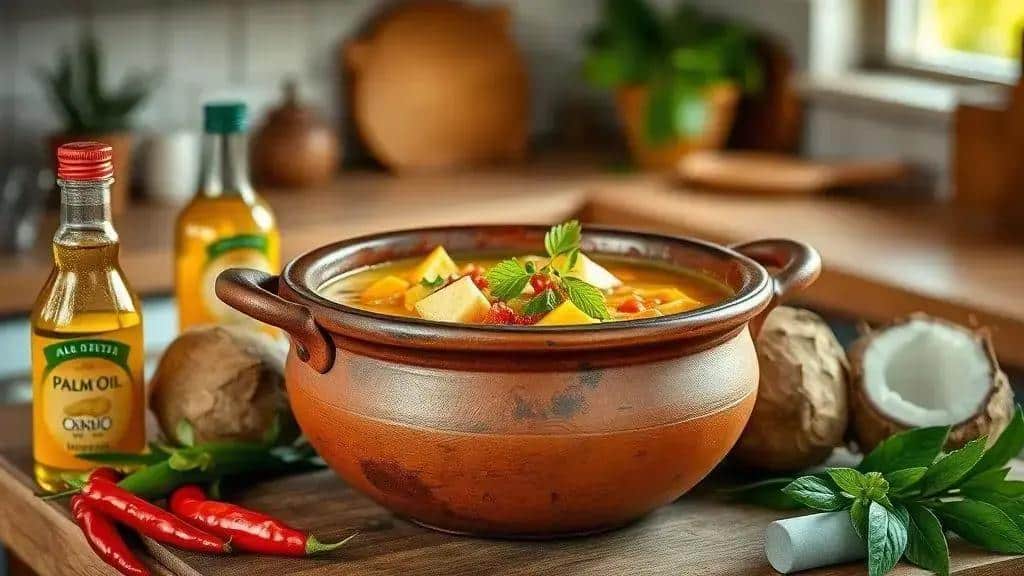
There’s more to Bahian moqueca than its flavour. The dish brings with it stories and traditions that are part of the culture of Bahia and of Brazil as a whole. Here are a few things you might like to know.
- Indigenous and African roots. Moqueca grew out of Indigenous methods of cooking fish and African culinary influences, including the use of red palm oil and coconut milk.
- Cooking in clay. A traditional clay pot distributes heat evenly and helps preserve moqueca’s characteristic flavour and aroma.
- Cultural heritage. Moqueca is part of Bahia’s culinary tradition. In 2004, the advisory council of Brazil’s National Institute of Historic and Artistic Heritage (Iphan) approved formal recognition of the craft of the baianas de acarajé, the Bahian women who make and sell acarajé.
- Annual festivals. Bahia hosts festivals dedicated to moqueca, where chefs compete with their own creative versions of the dish, drawing tourists and food lovers alike.
- An ingredient with cultural significance. The red palm oil used in moqueca has African origins and symbolises the Afro-Brazilian heritage of Bahian cooking.
These stories and traditions show how much Bahian moqueca means to people beyond its flavour.
How to choose the best fish for moqueca
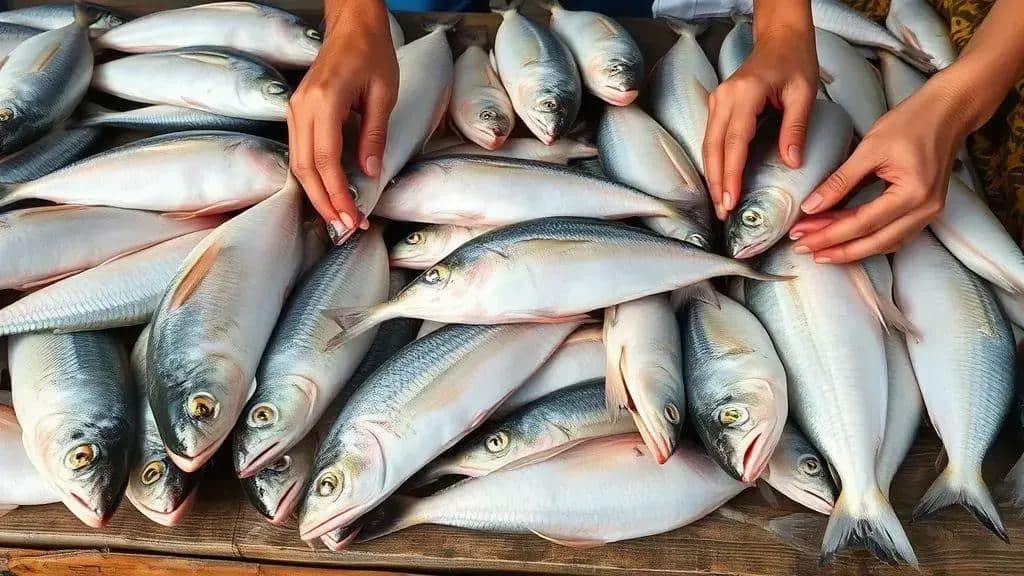
The fish you choose makes all the difference to the flavour and texture of your moqueca. Here’s what to look for.
- Choose firm-fleshed fish. Snook, grouper, sandperch and snapper are all excellent choices because they hold their shape well during cooking.
- Look for fresh fish. It should smell mildly of the sea, feel firm to the touch and have bright, clear eyes.
- Look for cleaned fish with the bones removed. If possible, buy it already cleaned and cut into steaks to make preparation easier and avoid finding bones as you eat.
- Consider local fish. As well as being fresher, locally caught fish can be a sustainable and affordable choice, depending on where you live.
- Avoid oily fish. Fish such as salmon and tuna change the characteristic flavour of the dish, so they’re less suitable for moqueca.
One more tip. If you can’t find fresh fish, you can use frozen fish. Buy it from a reliable supplier and defrost it properly to preserve its quality.
Make the most of your fish moqueca
Now you know how to make a flavourful Bahian fish moqueca, it’s time to get cooking and treat everyone to a Brazilian favourite.
Don’t forget that choosing the right ingredients and following each step makes all the difference to the finished dish.
Thanks for reading! For more delicious recipes and exclusive tips, follow us on social media and visit the Mestre das Receitas blog. We look forward to seeing you there!
Frequently asked questions about Bahian fish moqueca
What type of fish works best in moqueca?
Firm-fleshed fish such as snook, grouper and sandperch work well because they hold their shape during cooking.
Can I use another oil in place of red palm oil in moqueca?
Yes, you can use olive oil, though the flavour and colour will differ from those of a traditional Bahian moqueca.
How long does moqueca take to cook?
Moqueca takes about 20 to 25 minutes over a low heat, until the fish is tender and the flavours have come together.
Do I need a clay pot to make Bahian moqueca?
A clay pot helps deepen the flavour and holds the heat well, but it’s optional. You can use an ordinary pan, though the result may vary.
Can I make a vegetarian moqueca?
Yes. One popular variation uses plantains in place of the fish and keeps the same seasonings and coconut milk for a flavourful vegetarian stew.
How should I store moqueca?
Keep the moqueca in airtight containers in the fridge and eat it within 2 days for the best flavour and quality.