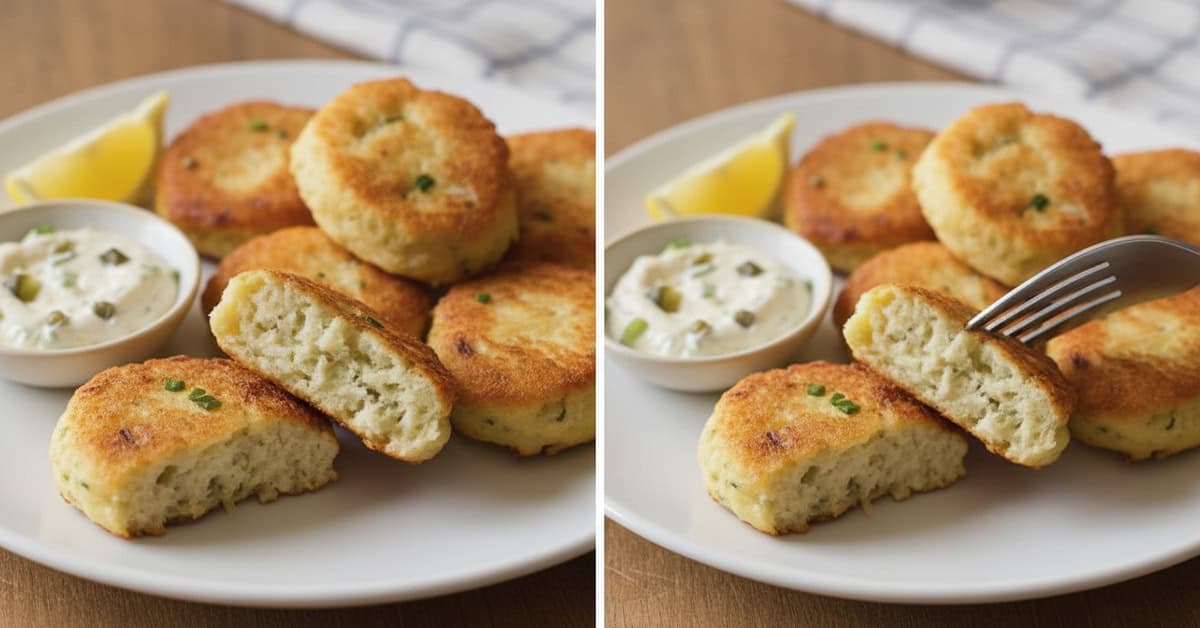

New England clam fritters are made with chopped clams, flour, cornmeal and seasonings, then fried for a crisp crust. Serve them as a snack or appetizer, or try a gluten-free version, a different shellfish or a vegetarian filling.
Crisp on the outside and juicy inside, clam fritters bring a taste of the New England coast into your kitchen. Here is a practical recipe with frying tips and easy ways to get the texture right.
Ingredients for New England clam fritters
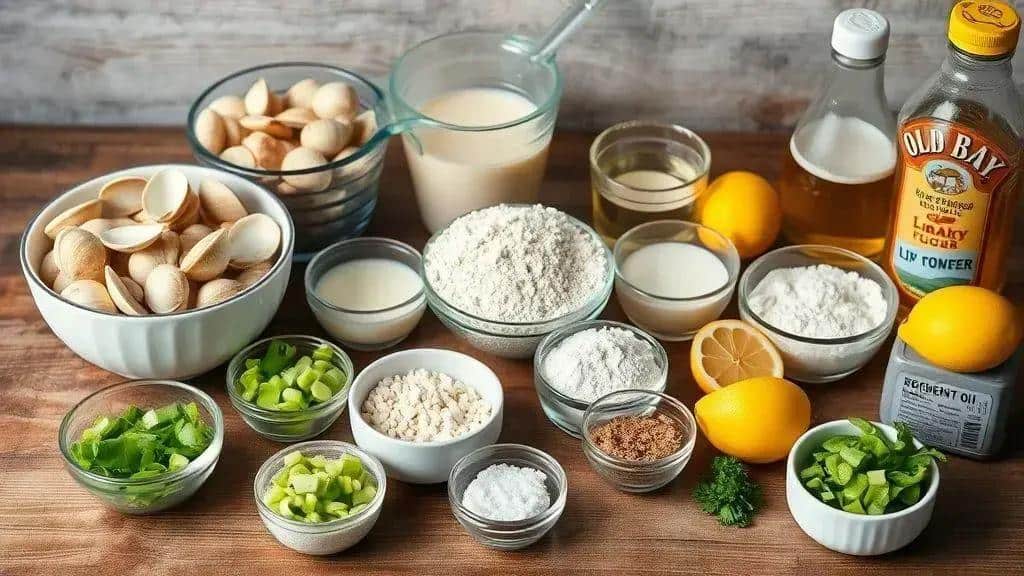
Gather these ingredients for a batch of New England-style clam fritters:
- 450 g chopped fresh clam meat, cleaned and prepared as below, or one 200–220 g can of clams, drained, for a convenient alternative.
- 1 cup (130 g) all-purpose flour, or a cup-for-cup gluten-free flour blend if needed.
- ½ cup (60 g) cornmeal for texture. Omit for a softer fritter.
- 1 tablespoon baking powder for a light batter.
- ½ teaspoon salt, adjusted to taste.
- ¼ teaspoon ground black pepper, or to taste.
- ¼ teaspoon cayenne pepper (optional) for a little heat.
- 1 large egg to bind the batter. For a plant-based binder, use a commercial egg replacer or 1 tablespoon ground flaxseed mixed with 3 tablespoons water.
- ¾ cup (180 ml) milk. Use a light beer for an airier batter or plant-based milk for a lactose-free option.
- 2 tablespoons clam juice to boost the shellfish flavor, or water.
- 3 tablespoons chopped fresh scallions for color and aroma.
- 2 tablespoons chopped parsley (optional) for freshness.
- 1 small garlic clove, finely chopped, or ½ teaspoon garlic powder.
- Finely grated zest of ½ lemon to brighten the flavor of the clams.
- 1 teaspoon Old Bay or other seafood seasoning (optional), a classic choice for New England-style fritters.
- Vegetable oil for frying, about 500 ml or enough to reach 2–3 cm (¾–1¼ inches) up the pan. Adjust for the size of your pan.
Substitutions and notes
- Use fresh clams when available. Canned clams also work well and save time.
- For a gluten-free batter, use a cup-for-cup flour blend. If it is high in starch, reduce the cornmeal slightly.
- A light lager in place of milk makes an airier batter with more bubbles.
- Choose a high-smoke-point frying oil, such as canola, sunflower or another neutral vegetable oil. Save extra virgin olive oil for another use.
- If you do not have Old Bay, combine smoked paprika, parsley and a pinch of cayenne.
How to make clam fritters, step by step
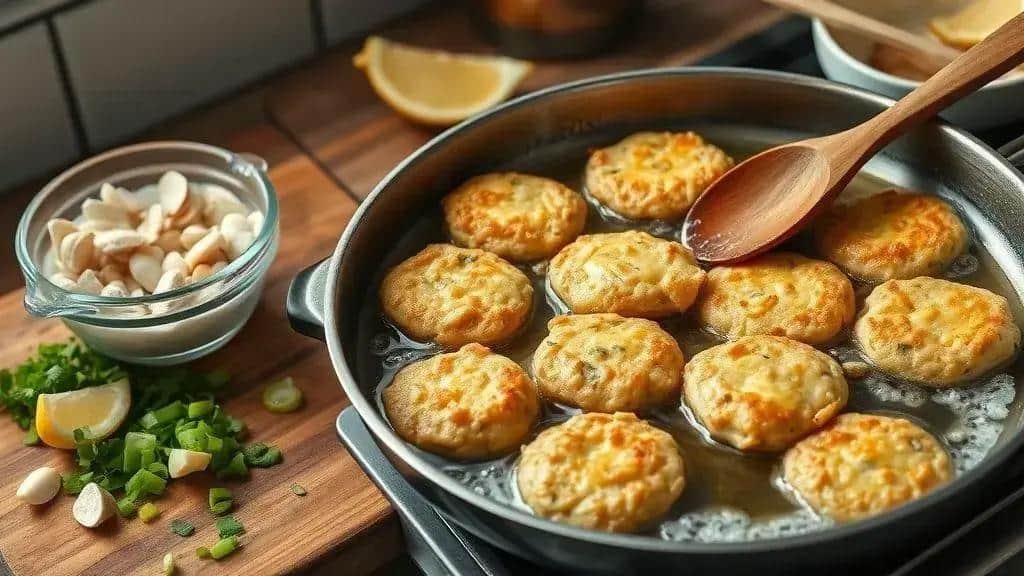
- Prepare 450 g clam meat. If starting with live clams in the shell, rinse under cold water, boil until the shells open, then boil for another 3–5 minutes. Discard any that stay shut. Remove the meat, drain and chop coarsely. Reserve 2 tablespoons strained cooking liquid. Canned cooked clams only need draining and chopping.
- Sift together 1 cup (130 g) flour, ½ cup (60 g) cornmeal, 1 tablespoon baking powder, ½ teaspoon salt and ¼ teaspoon black pepper.
- In a separate bowl, whisk 1 egg with ¾ cup (180 ml) milk and 2 tablespoons clam juice. For a lighter batter, replace about half the milk with 80 ml light beer.
- Fold the wet ingredients into the dry, then gently stir in the chopped clams, 3 tablespoons chopped scallions, 2 tablespoons chopped parsley, 1 minced garlic clove and the zest of ½ lemon.
- The batter should drop slowly from the spoon. If too thick, add 1–2 tablespoons milk. If too thin, add 1 tablespoon flour.
- Pour vegetable oil into a deep skillet to a depth of 2–3 cm and heat over medium-high to about 350°F (175°C). A drop of batter should bubble and rise to the surface.
- Fry a small test fritter all the way through before tasting and adjusting the salt or seasoning.
- Using two spoons or a scoop, form fritters 3–4 cm (1¼–1½ inches) across. Fry in small batches for roughly 2–3 minutes per side, until cooked through with a crisp golden crust.
- Lift out with a slotted spoon and drain on paper towels. Keep finished batches in a low oven at 100°C (about 210°F) while you finish frying.
- Squeeze a little lemon over the fritters and serve with tartar sauce, seasoned mayonnaise or hot sauce. Sprinkle with fresh scallions for color and aroma.
Frying techniques for a crisp crust
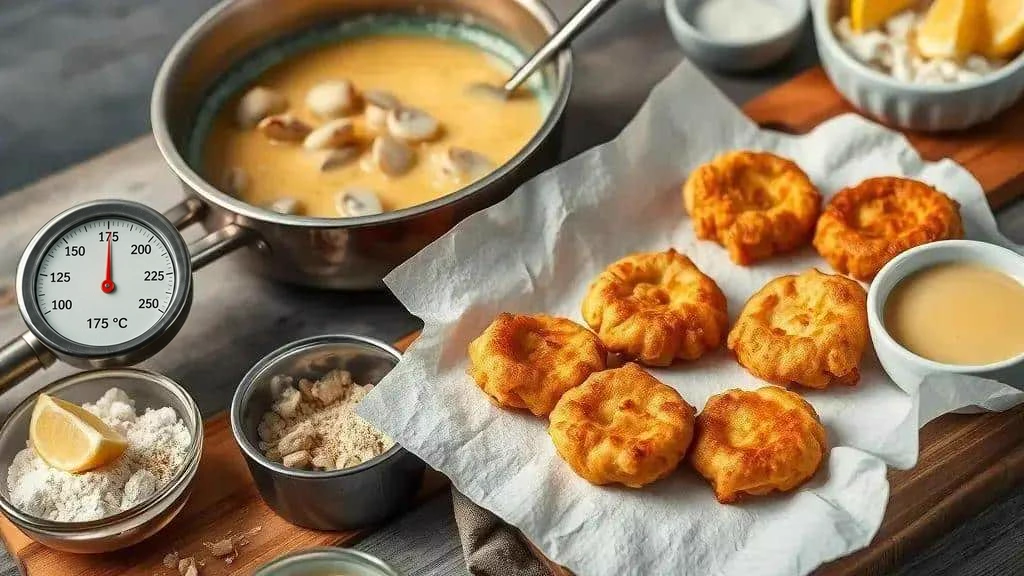
A few straightforward frying techniques will help you make crisp, evenly cooked fritters.
Oil temperature
Keep the oil between 170 and 180°C (about 340–360°F) for medium fritters. This range crisps the coating without scorching it.
- Check the oil with a frying thermometer before you start.
- Drop in a little batter. It should bubble and float slowly toward the surface.
- Raise the heat if frying is very slow. Lower it if the batter browns too quickly.
Batter consistency
The batter should be thick enough to fall from the spoon in a slow ribbon. Excess liquid can make the fritters greasy.
- If too thin, add flour 1 tablespoon at a time.
- If too thick, add milk or water 1 tablespoon at a time.
- A blend of flour and cornmeal gives the coating its crunch.
Preparing the shellfish
Pat the clam meat dry with paper towels. Extra water thins the batter and can make the fritters greasy.
- Drain canned clams well and pat dry with paper towels.
- Reserve some clam juice for flavor, adding just a little so it does not dilute the batter.
Frying in batches
Fry small batches to keep the oil temperature steady. Leave plenty of space in the pan.
- Make the fritters the same size so they cook evenly.
- For smaller fritters, allow about 2–4 minutes per batch, turning once. Check that the centers are cooked through as well as the outsides being golden.
- Remove with a slotted spoon and drain on paper towels. Keep warm in a low oven while finishing the rest.
Ways to get extra crunch
These small changes add texture without greatly changing the flavor.
- Add cornmeal for a crisper finish.
- Replace part of the flour with rice flour or cornstarch for a lighter, crisper crust.
- For a double fry, cook the fritters through on the first pass and let them rest for 2 minutes. Return to slightly hotter oil for 30–60 seconds to crisp the surface.
Last-minute frying tips
- Fold the batter gently, just until the ingredients are combined.
- Use an oil with a high smoke point, such as canola or sunflower oil.
- Taste a fully cooked test fritter and adjust the seasoning before frying the rest.
Variations: gluten-free, other shellfish and vegetarian fritters
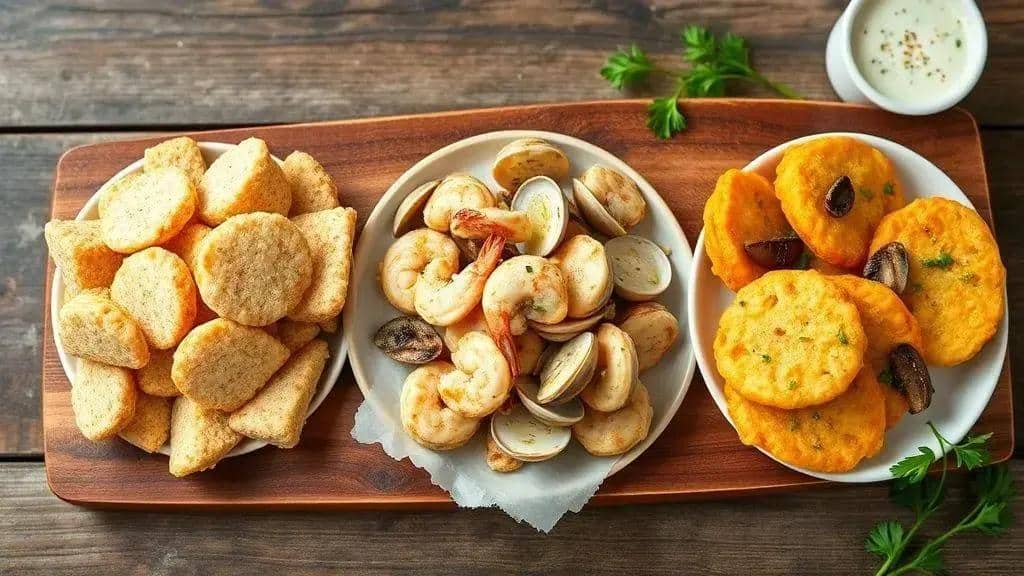
Try gluten-free fritters, switch up the seafood or make a vegetarian version while keeping the crisp coating.
Gluten-free variation
Replace the ingredients that contain gluten while keeping the flour and cornmeal texture:
- 450 g chopped clams, or one 200–220 g can of clams, well drained.
- 1 cup (130 g) cup-for-cup gluten-free flour blend in place of wheat flour.
- ½ cup (60 g) cornmeal for crunch.
- 1 tablespoon gluten-free baking powder, checking the label.
- ¾ cup (180 ml) milk or plant-based milk.
- 1 large egg for binding, or use one of the plant-based binders below.
For a lighter crust, replace a little of the gluten-free blend with 1–2 tablespoons rice flour.
Other shellfish
Substitute or combine clams with other seafood for a different flavor and texture:
- 250–300 g peeled, cleaned shrimp, cut into small pieces. If raw, cook briefly before folding in and make sure the shrimp are opaque and cooked through before serving.
- 200–250 g chopped scallops. Choose firm scallops and adjust the salt to balance their natural sweetness.
- 200–300 g cleaned mussels, cooked and chopped. Drain well.
Cut larger shellfish into small, similar pieces for even frying. Adjust the time to avoid drying them out, using about 2–3 minutes per side as a guide.
Vegetarian and vegan fritters
For fritters without shellfish, use vegetables for texture and a little seaweed for a subtle ocean flavor:
- 1 cup fresh or frozen corn kernels for sweetness and bite.
- 1 cup chopped shiitake or button mushrooms. Sauté briefly to drive off excess water.
- ½ cup chopped hearts of palm or artichoke hearts for a firm bite.
- 1 tablespoon crumbled nori (optional) for a hint of the sea.
- For an egg substitute, mix 1 tablespoon ground flaxseed with 3 tablespoons water and let gel for 5 minutes.
- 1 cup flour or gluten-free flour blend plus ½ cup cornmeal for crunch.
For a savory touch, add 1 teaspoon soy sauce or tamari and a little lemon zest. Use water instead of clam juice for the vegetarian batter.
Frying adjustments and portions
- Keep the oil at 170–180°C (about 340–360°F) for all variations. Vegetable fritters may brown more quickly.
- Shape the fritters to an even size for consistent cooking.
- Fry one test fritter through before checking the seasoning and texture and cooking the rest.
Quick substitutions and ideas
- Replace the milk with a light beer for a more aerated batter, or plant-based milk for a lactose-free option. For vegan fritters, check that the beer is suitable for vegans.
- For extra crunch, replace a quarter of the flour with rice flour.
- Replace Old Bay with smoked paprika, garlic powder and thyme.
Storage, freezing and reheating
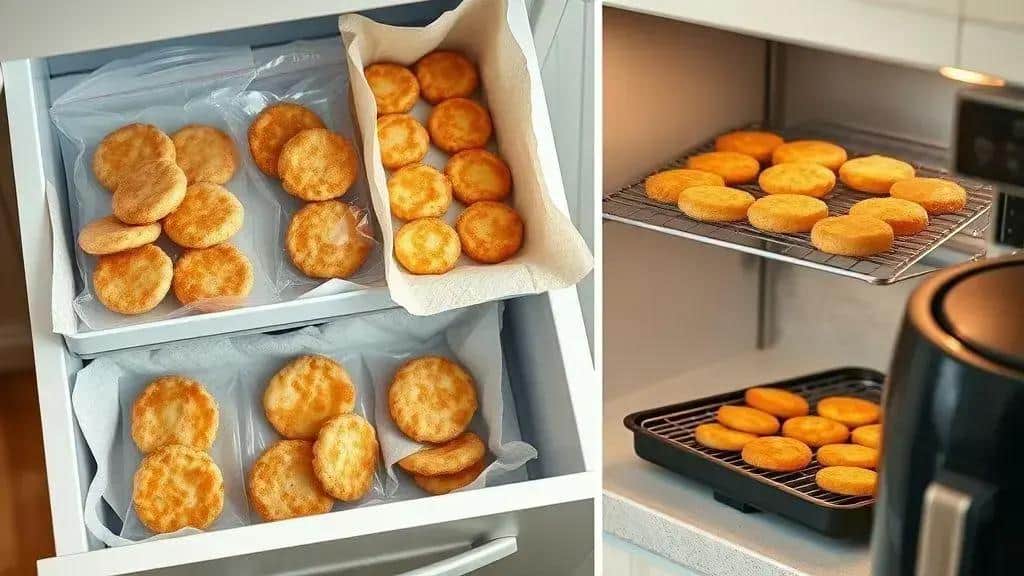
A few simple steps help preserve the flavor and texture of clam fritters when storing or reheating them.
Refrigerator storage
Refrigerate fritters within 2 hours, or within 1 hour if it is over 90°F (32°C). Store them in a covered container.
- Keep the refrigerator at 40°F (4°C) or colder.
- Eat within 2 days for the best quality.
- Separate layers with paper towels to absorb oil and moisture.
Freezing, step by step
- Arrange the cooked fritters in a single layer on a baking sheet so they freeze separately.
- Freeze on the sheet for 1–2 hours, until firm.
- Transfer to freezer bags or airtight containers, pressing out as much air as possible.
- Label and place in the coldest part of the freezer. Use within 2 months for best quality.
Thawing safely
- Put the frozen fritters in a container and thaw in the refrigerator for 8–12 hours. If vacuum-packed, open the package before thawing.
- For faster thawing, seal them in a leakproof bag and submerge in cold water. Change the water every 30 minutes and reheat immediately after thawing.
- Keep fritters off the counter when thawing to avoid prolonged time at room temperature.
Reheating for a crisp crust
Use hot air or a little hot oil to restore the crisp coating.
- Oven: preheat to 400°F (200°C). Arrange the fritters on a rack over a baking sheet and heat for about 8–12 minutes, turning halfway through, until the centers reach 165°F (74°C).
- Air fryer: heat at 180–200°C (about 350–400°F) for 4–8 minutes, checking for a golden crust and at least 165°F (74°C) in the center.
- Skillet: heat 1–2 tablespoons oil and cook for about 1–2 minutes per side to bring back the crunch. Continue until the centers reach 165°F (74°C).
- The microwave is fast but softens the coating. If you use it, finish the fritters in the oven or a skillet.
Practical storage tips
- Freeze in portions to make thawing easier and reduce waste.
- For this recipe, thaw only what you need and avoid refreezing the thawed fritters.
- Discard fritters with a sour smell, slimy surface or mold, as well as any kept beyond the recommended storage time.
- When reheating leftovers, use a food thermometer to check for at least 165°F (74°C) in the center of the thickest fritter. Steam alone is not a reliable indicator.
Clam fritters and the New England tradition
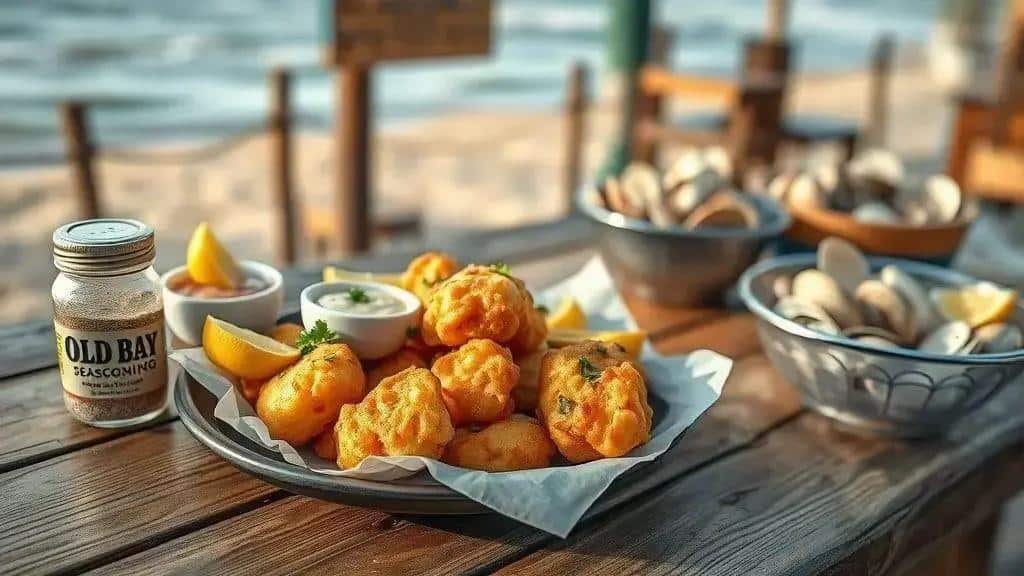
A few local customs help explain why clam fritters have such a following on the New England coast.
History and origins
Fried shellfish dishes have been around for centuries. In the United States, clam fritters offered a practical way to turn fresh clams and leftovers into a quick snack.
Clam shacks and local life
New England’s seaside clam shacks helped popularize fritters. They became a beach-menu staple for casual lunches and family outings.
Familiar ingredients
- Old Bay is a classic seasoning that brings out seafood flavors.
- Fresh clams are at the heart of the recipe. Their quality makes a difference in the finished fritters.
- Cornmeal is a popular way to give the coating its characteristic crunch.
Season and sustainability
Clam harvest seasons vary. Buying responsibly sourced clams helps protect clam populations and supports local fishing traditions.
- Buying locally supports fishers and can shorten the distance the shellfish travel.
- Check harvest-area approvals, shellfish tags and local guidance on safe harvesting seasons and waters.
Regional customs and variations
- Some towns add corn or potato to the batter to change its flavor and texture.
- New England seafood festivals often include fritter demonstrations and competitions.
- Fritters are often served on paper or in paper cones, ready to eat on a walk by the beach.
Why are they so popular?
A crisp coating, briny shellfish and a tangy dip or squeeze of lemon make a satisfying combination. Fritters are equally at home as a snack, appetizer or side dish.
Conclusion
Clam fritters are a simple way to combine the flavor of the sea with a good crunchy crust.
Control the batter consistency and the frying temperature, and you will give your first batch a good chance of success.
Thanks for reading! Follow us on social media for recipes, tips and news, and visit the Mestre das Receitas blog for more kitchen ideas.
Try the recipe, share your photos and send us your questions. We love seeing your variations and helping you fine-tune them.
Frequently asked questions about clam fritters
How do I choose and prepare fresh clams?
Buy live clams from an approved supplier. Choose intact shells that are closed or close when tapped. Rinse in cold water. A 20–30 minute soak in salted water can help remove sand. Rinse again, boil until the shells open and continue boiling for 3–5 minutes. Discard those that remain closed, then remove and chop the rest of the clam meat.
Can I use canned clams instead of fresh?
Yes. Drain canned clams thoroughly and pat dry. Reduce the added salt and reserve a little of the liquid to flavor the batter if you wish.
What is the best way to freeze and reheat fritters?
Freeze on a baking sheet for 1–2 hours, then transfer to freezer bags or vacuum-seal for frozen storage. Use within 2 months. Open vacuum packs before thawing in the refrigerator. Reheat in the oven or air fryer until crisp and at least 165°F (74°C) in the center.
How can I make gluten-free or vegetarian fritters?
For gluten-free fritters, use a cup-for-cup gluten-free flour blend and keep the cornmeal. For vegetarian fritters, replace the clams with corn, mushrooms and hearts of palm, use water instead of clam juice, add nori for a briny note and use a plant-based egg substitute if desired.
What sauces go well with clam fritters?
Try tartar sauce, lemon mayonnaise, spicy mayo or aioli. A bright citrus vinaigrette also balances the richness of the fritters.