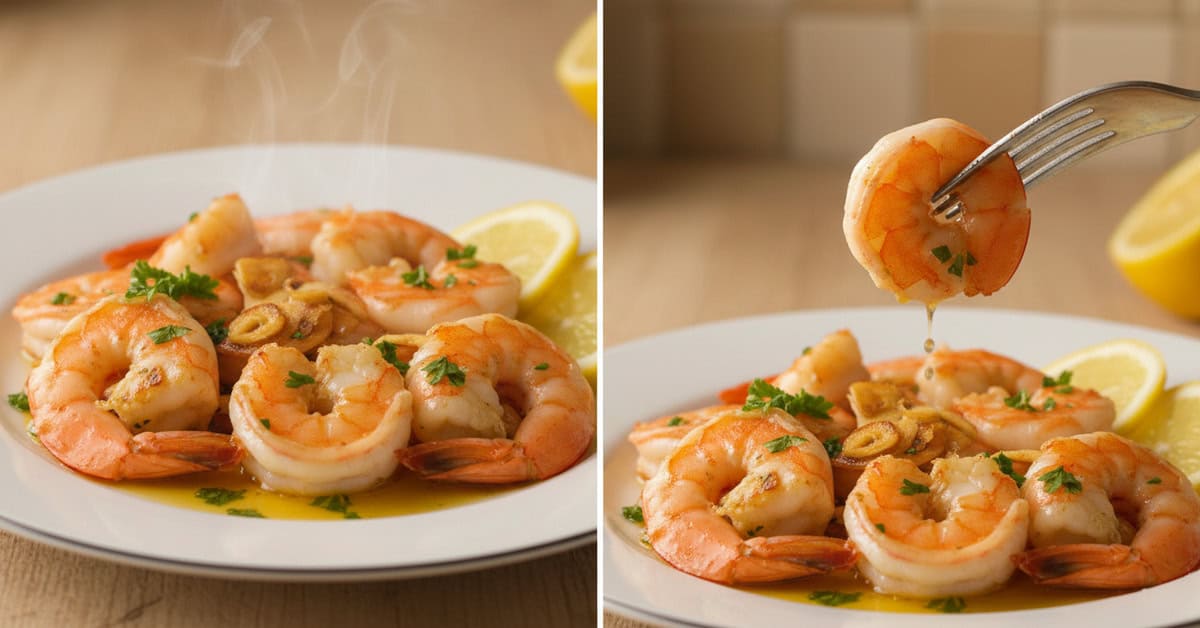

West Coast garlic and lemon prawns are quick to cook and stay juicy. Sauté them in butter and olive oil with fresh garlic, add lemon juice and zest, then finish with parsley. Serve over pasta or rice, or spoon them onto bread to soak up the sauce.
These juicy garlic and lemon prawns are ready in minutes. Looking for an easy dish that will impress at Sunday lunch or a quick supper? I’ll show you how to make it, with a few chef’s tips and variations you can try straight away.
Ingredients for garlic and lemon prawns
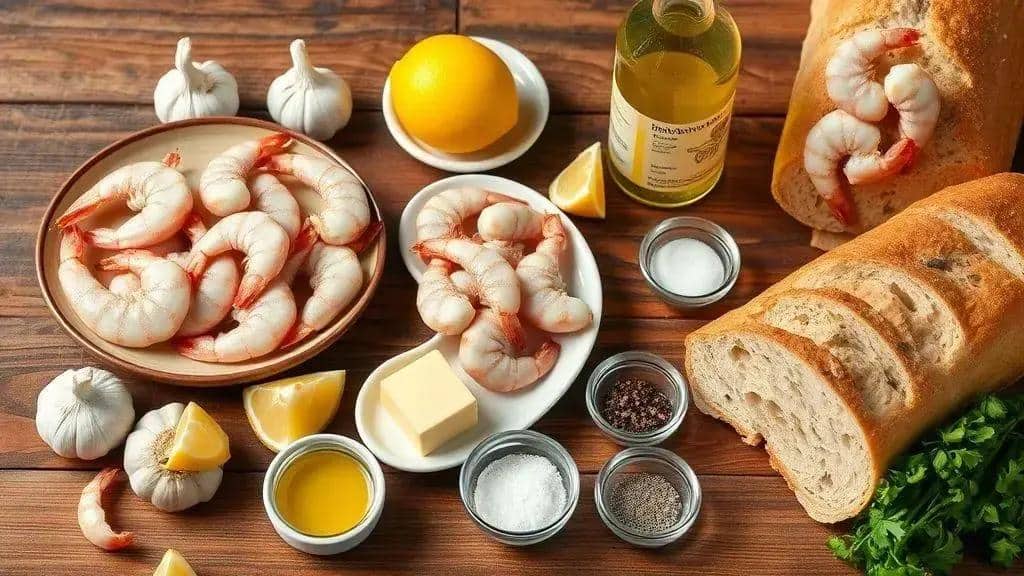
- 500 g medium prawns, peeled and deveined, fresh or defrosted. You can also use 500 g large prawns or 400 g langoustines.
- 3 tablespoons unsalted butter for a rich, glossy sauce. Alternatively, use 3 tablespoons extra virgin olive oil.
- 2 tablespoons olive oil to help the prawns brown quickly. Vegetable oil also works.
- 6 garlic cloves, finely chopped. Adjust to taste, or use 1 teaspoon garlic powder.
- Juice of 1 large lemon (about 3 tablespoons) to balance the richness of the butter. Alternatively, use 1 tablespoon white wine vinegar.
- Zest of 1 lemon (optional) for a more pronounced citrus aroma.
- 1 teaspoon sweet or smoked paprika for colour and a mild pepper flavour. For more heat, use ½ teaspoon cayenne pepper instead.
- ½ teaspoon ground black pepper, or to taste.
- Salt (about 1 teaspoon). Start with less and taste at the end.
- 2 tablespoons of chopped fresh parsley to finish. For a different flavour, use fresh coriander instead.
- 1 pinch of chilli flakes (optional) for a little heat.
- 2 tablespoons dry white wine (optional) to deglaze the pan. You can also use vegetable stock or warm water.
- Slices of crusty bread or white rice, to serve (optional). Both soak up the sauce.
Substitutions and quick tips
If using frozen prawns, defrost them completely and pat dry with kitchen paper so they brown well. Use unsalted butter so you can control the seasoning, and heat it with the olive oil, taking care not to let it burn. Adjust the garlic and lemon to taste, then check whether the dish needs more salt or lemon before serving.
How to cook garlic and lemon prawns, step by step
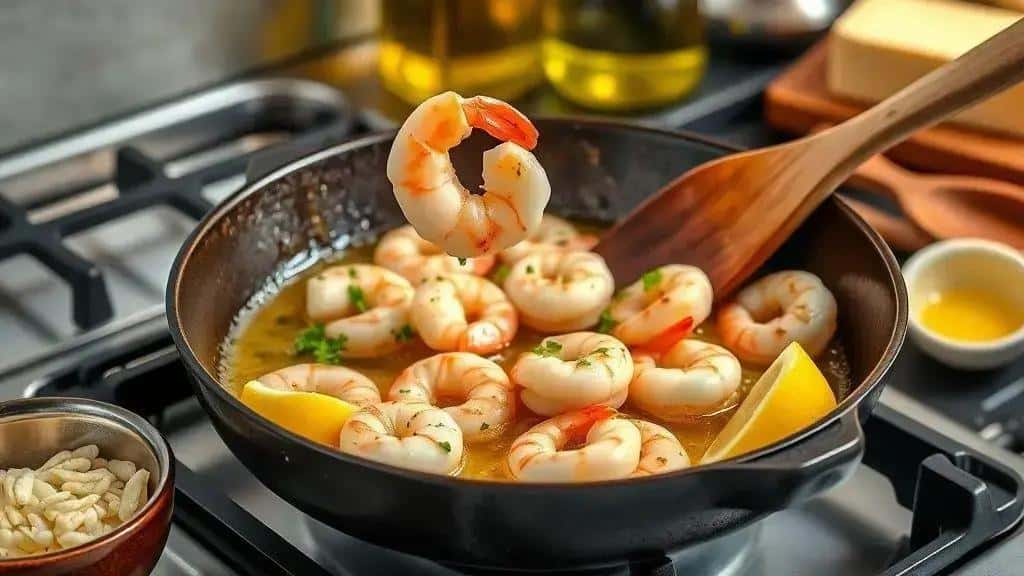
- If the prawns are frozen, defrost them in the fridge and pat them thoroughly dry with kitchen paper. Peel and devein them if necessary.
- Season lightly. Put the prawns in a bowl with ½ teaspoon salt, ¼ teaspoon black pepper and 1 teaspoon paprika. Toss to coat and leave to stand for 5 minutes.
- In a large frying pan, heat 2 tablespoons of butter and the 2 tablespoons of olive oil over medium-high heat. Reserve the last tablespoon of butter for the sauce and take care not to burn the fat.
- Add the 6 finely chopped garlic cloves and cook for 30–40 seconds, just until fragrant. Don’t let the garlic burn.
- Arrange the prawns in a single layer in the pan. Cook for 1–2 minutes on each side, until pink and opaque. Take care not to overcook them.
- Lift the prawns out of the pan, turn up the heat and add 2 tablespoons of white wine (or 1 tablespoon of water). Scrape up the browned bits from the base of the pan with a wooden spoon.
- Lower the heat. Add the juice of 1 lemon (about 3 tablespoons), the optional zest and the reserved tablespoon of butter. Stir until the sauce comes together.
- Return the prawns to the sauce, warm through for 20–30 seconds, then turn off the heat. Scatter over 2 tablespoons of chopped parsley. Add a pinch of chilli flakes if you like.
- Serve immediately on a warmed plate, with slices of crusty bread or white rice to soak up the sauce.
Quick tips
- Pat the prawns thoroughly dry so they brown rather than steam.
- Use butter and olive oil together for flavour, keeping an eye on the heat so the butter doesn’t burn.
- Taste before serving and adjust the salt and lemon to your liking.
Techniques and tips for juicy prawns
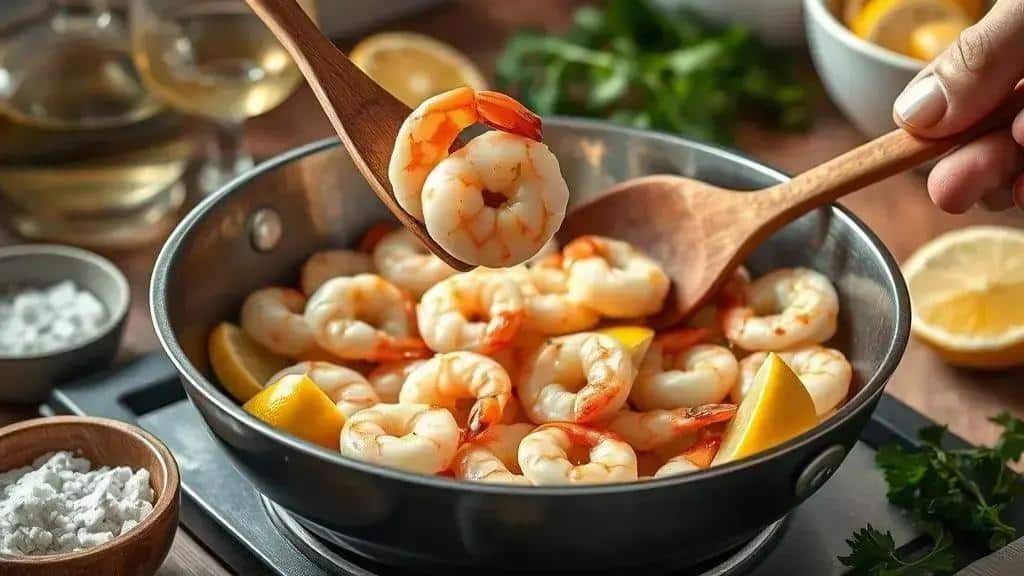
Start by preparing and drying the prawns so they brown well. Pat away all the moisture with kitchen paper and remove the vein if necessary.
Essential techniques
- For a firmer texture, give the prawns a quick brine. Dissolve 1 tablespoon of salt in 1 cup of water, soak the prawns for 15 minutes, then rinse and pat dry.
- Season lightly just before cooking. Keep the time in an acidic marinade, such as lemon juice or vinegar, to 10–20 minutes at most, as the acid can give the prawns a ‘cooked’ texture.
- Use a hot frying pan over a medium-high heat. Combine 1 part olive oil with 1 part butter for flavour, and keep the heat under control so the fat doesn’t smoke.
- Give the prawns room to brown. Cook them in a single layer, in two batches if necessary, so they colour evenly.
- Allow 1–2 minutes on each side for medium prawns. They’re ready when they’re opaque and firm, with a slight pink tinge.
- Once the prawns have browned, lift them out of the pan. Add 1–2 tablespoons of white wine or water and scrape up the browned bits. Stir in a tablespoon of cold butter to emulsify the sauce.
- Check the salt at the end. The seasoning becomes more concentrated as the sauce reduces.
Step-by-step cooking tips
- Pat the prawns dry with kitchen paper so they don’t steam.
- Season with a little salt, some pepper and, if you like, 1 teaspoon of paprika.
- Heat the pan over medium-high heat with the 2 tablespoons of olive oil and 2 of the 3 tablespoons of butter. The remaining tablespoon of butter goes into the sauce.
- Add the garlic and fry gently for 30–40 seconds, just until fragrant, taking care not to let it burn.
- Sear the prawns in a single layer for 1–2 minutes on each side, until opaque.
- Lift the prawns out and set them aside so they don’t overcook while you make the sauce.
- Turn up the heat, add 2 tablespoons of white wine or water and scrape up the browned bits from the base of the pan.
- Turn down the heat and add the juice of 1 lemon and 1 tablespoon of butter. Stir until the sauce comes together.
- Return the prawns to the sauce for 20–30 seconds, just long enough to coat them and warm them through without cooking them further.
Scatter over fresh parsley and serve immediately with bread or rice to soak up the sauce.
Garlic prawn variations and accompaniments
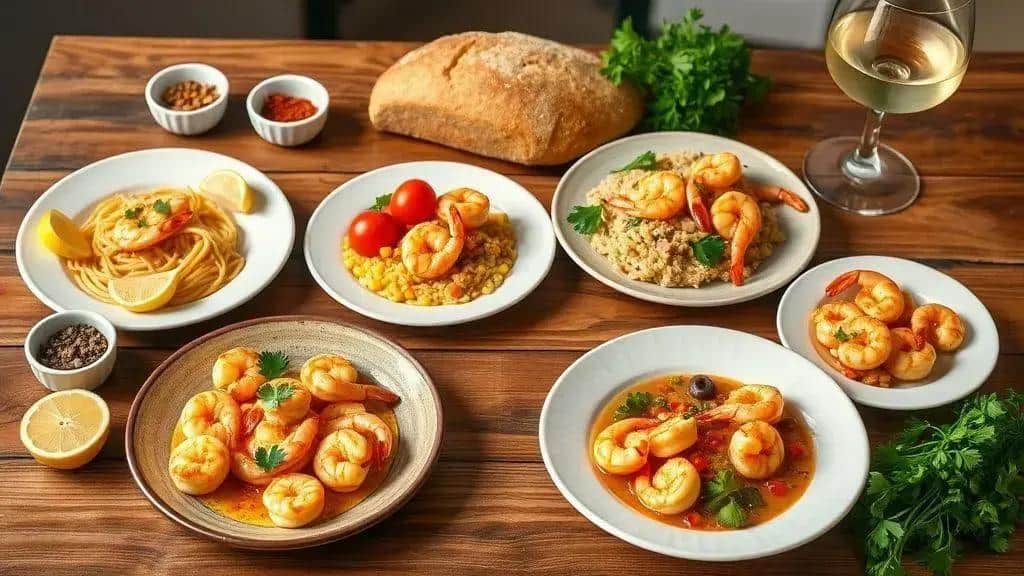
Try these easy variations and accompaniments to turn classic garlic prawns into a range of flavourful dishes.
Popular variations
- For spicy Cajun prawns, replace the paprika with 1 teaspoon of Cajun seasoning and add ¼ teaspoon of cayenne pepper. Brown the prawns in butter and olive oil for a bold, slightly smoky flavour.
- For scampi-style prawn pasta, add 150 ml of white wine and an extra 50 g of butter. Toss with 300 g of cooked long pasta, such as linguine, and finish with 2 tablespoons of chopped parsley.
- For an Asian-style version, use 1 tablespoon of lemon juice mixed with 2 tablespoons of soy sauce in place of the lemon in the original recipe. Add 1 teaspoon of grated ginger and finish with spring onions.
- For a light Mediterranean version, add 100 g of halved cherry tomatoes, 50 g of sliced olives and 1 tablespoon of capers. Finish with olive oil and lemon zest.
- For a creamy herb sauce, add 100 ml of cream once the prawns are cooked. Balance the richness with lemon juice and fresh herbs such as dill or thyme.
What to serve with garlic prawns
- Fluffy white rice is a classic choice for soaking up the sauce.
- Long pasta, such as linguine or spaghetti, goes particularly well with the scampi-style sauce.
- Crusty bread is ideal for mopping up the sauce from the pan.
- A light green salad of leaves and cucumber with a simple vinaigrette balances the richness of the dish.
- Grilled vegetables, such as asparagus or courgettes, add texture.
Portions and serving
To serve 2–3 people, use 500 g of prawns with a choice of 300 g of cooked pasta, 300 g of cooked rice or 1 large crusty loaf, sliced. Spoon the prawns over your chosen accompaniment and finish with lemon zest and parsley.
Quick ways to adapt the recipe
- Use less salt if you’re using stock or salty olives.
- For an alcohol-free version, deglaze the pan with vegetable stock or warm water in place of the white wine.
- For a vegan version, replace the prawns with mushrooms or hearts of palm and use vegan butter.
- For a crunchy finish, toast some breadcrumbs with garlic and scatter them over the dish.
Drinks pairings
Light, citrusy wines such as Sauvignon Blanc go well with the lemon versions. A pale beer or dry rosé balances the heat of spicier variations. For an alcohol-free option, try sparkling water with lemon slices or iced herbal tea.
Garlic prawns and their West Coast roots

The story of garlic prawns spans coastlines and cultures. The dish brings together Mediterranean flavours, Asian influences and the Pacific coast’s relaxed approach to seafood.
Origins and influences
Garlic, butter and lemon feature together in many cuisines. On the Pacific coast of North America, chefs and food truck cooks paired them with local prawns to make a light, quick dish. In parts of the Pacific, including Hawaii, shrimp trucks helped make the dish popular with locals and visitors alike.
Species and seasons
Cooks often use local species, including Pacific spot prawns, white prawns and other coastal varieties. Seasons vary by region. Choose fresh prawns in season for the best flavour and texture.
Cooking notes
- Stirring butter and lemon juice into the pan juices creates a quick emulsion, giving you a glossy, velvety sauce without cream.
- If you’re using an acidic marinade such as lemon juice, marinate the prawns for just 10–20 minutes to avoid ‘cooking’ them before they reach the pan.
- In more rustic versions of the dish, slices of crusty bread are essential for mopping up the sauce left in the pan.
Health and sustainability
Prawns provide lean protein and minerals such as selenium. To reduce the environmental impact, check where they come from and choose certified prawns or buy from trusted local suppliers. Avoid prawns of uncertain origin and choose sustainably caught prawns where possible.
Drinks and serving suggestions
Light, citrusy white wines such as Sauvignon Blanc work well. For an alcohol-free palate cleanser, try sparkling water with lemon or iced herbal tea. Serve the prawns straight away while they’re juicy and at their most fragrant.
Substitutions and allergies – when to adapt or avoid ingredients
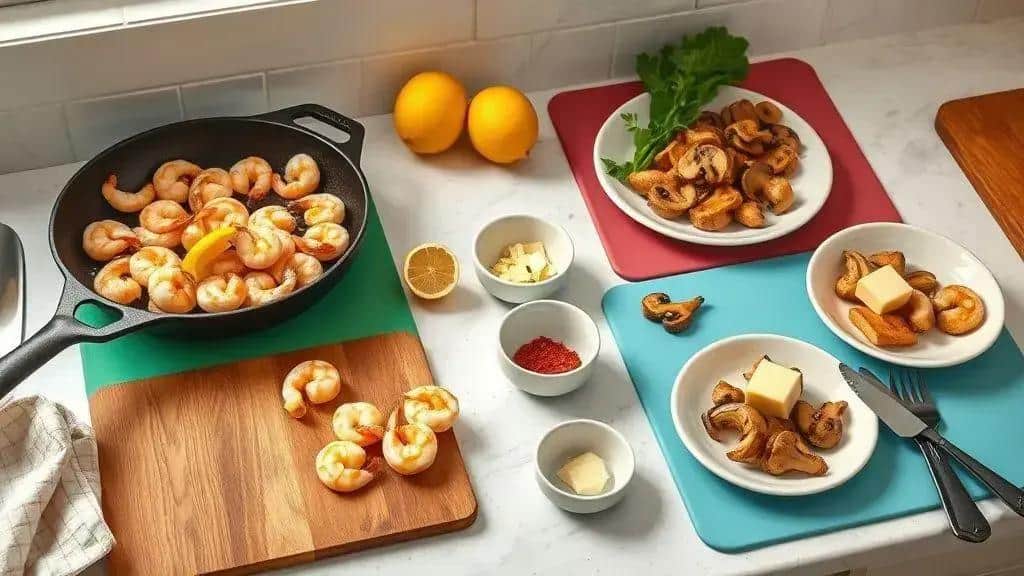
Crustacean allergy is common and can be severe. If you suspect an allergy, avoid prawns and any contact with them during preparation to prevent a reaction.
Practical substitutions
- For a vegan version, sauté 500 g of mushrooms (shiitake or portobello) or 400 g of cubed firm tofu with garlic and lemon for a similar texture and flavour.
- For a dairy-free version, replace 3 tablespoons of butter with 3 tablespoons of vegan butter or 2 tablespoons of olive oil.
- To leave out the wine, replace 2 tablespoons of white wine with 2 tablespoons of vegetable stock or warm water.
- To reduce the sodium, use less salt (start with ½ teaspoon) and rely on fresh herbs such as parsley, along with lemon zest, for flavour.
- For a gluten-free version, serve with rice, quinoa or gluten-free pasta instead of regular bread.
How to adapt the recipe, step by step
- Choose mushrooms, tofu or another vegan alternative to suit your taste.
- For the right texture, slice the mushrooms thickly or press the tofu to remove excess water before grilling.
- Keep the seasoning similar. Use chopped garlic, lemon juice and zest, paprika and pepper to taste for the same garlic and lemon flavour.
- Sear your chosen substitute in a hot frying pan with olive oil. If you like, add vegan butter at the end for a glossy finish.
- Deglaze the pan with stock or water to loosen the browned bits, then stir in a spoonful of butter or vegan butter for a velvety sauce.
How to avoid allergen cross-contact
- Use separate chopping boards and utensils for crustaceans and their substitutes.
- Clean work surfaces and wash pots and frying pans thoroughly before preparing food for someone with an allergy.
- If there’s a risk of an allergic reaction, tell your guests what’s in the dish and how you’ve prepared it.
Advice for people at higher risk
Pregnant people, young children and people with weakened immune systems should eat seafood thoroughly cooked. If someone has a crustacean allergy, prepare their crustacean-free alternative first. Wash your hands, use separate utensils and clean surfaces, and keep the portion covered and away from the shrimp.
Conclusion
Garlic prawns are quick, versatile and ideal when you want something flavourful without much fuss. Use the techniques and variations above to make the dish your own.
Try the recipe, adjust the garlic, lemon and salt to taste, and share it with friends. If you have any questions, take another look at the steps and cooking tips.
Thanks for reading! Follow us on social media and keep up with the Mestre das Receitas blog for more easy recipes, kitchen tips and inspiration.
Frequently asked questions about garlic and lemon prawns (garlic shrimp)
How long should I cook prawns to keep them juicy?
Cook medium prawns for about 1–2 minutes on each side over a medium-high heat. They’re ready when they’re opaque, firm and pink.
Can I use frozen prawns, and how should I defrost them?
Yes. Defrost them in the fridge or, if you need them sooner, in cold water. Pat them thoroughly dry with kitchen paper before cooking so they brown well.
What can I use instead of prawns if I have an allergy?
Try 500 g of mushrooms (shiitake or portobello) or 400 g of firm tofu. Season and cook them in the same way to keep the garlic and lemon flavour.
How do I stop the prawns turning rubbery or dry?
Cook the prawns in a single layer in a very hot frying pan, taking care not to overcrowd it. Take them off the heat as soon as they change colour, then toss them briefly in the sauce to finish.
What goes best with garlic prawns?
White rice, long pasta such as linguine, crusty bread to mop up the sauce, a light green salad or grilled vegetables all work well.
How should I store and reheat leftovers to keep them at their best?
Refrigerate leftovers in a closed container for up to 48 hours. Reheat in a frying pan with a little olive oil or water for about 1–2 minutes, or longer if necessary, until they reach 74 °C in the centre.