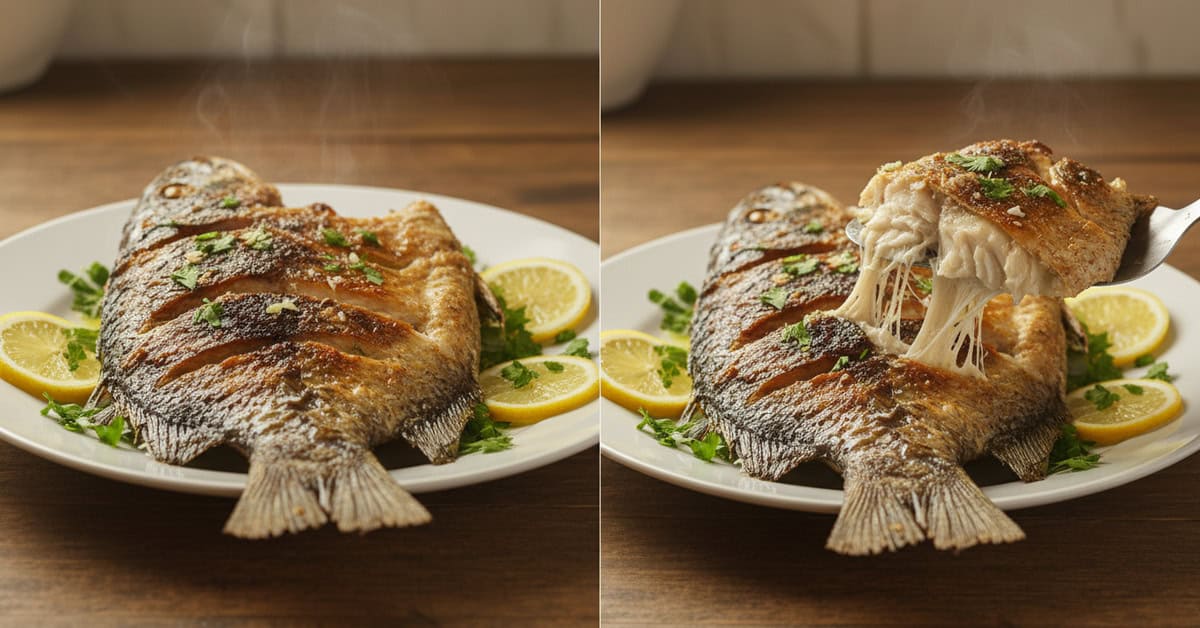

Roast tambaqui is a delicious Brazilian speciality seasoned with lime and garlic and often served with coconut rice, a fresh salad and farofa (toasted cassava flour). Its succulent flesh makes it an impressive dish for any occasion.
Roast tambaqui is a traditional Brazilian dish prized for its succulent flesh and distinctive flavour. Native to the waters of the Amazon, this fish is popular in many parts of Brazil. Here you’ll find the full recipe, with all the ingredients and step-by-step instructions for a dish to impress your guests at a special lunch or dinner.
Ingredients for roast tambaqui
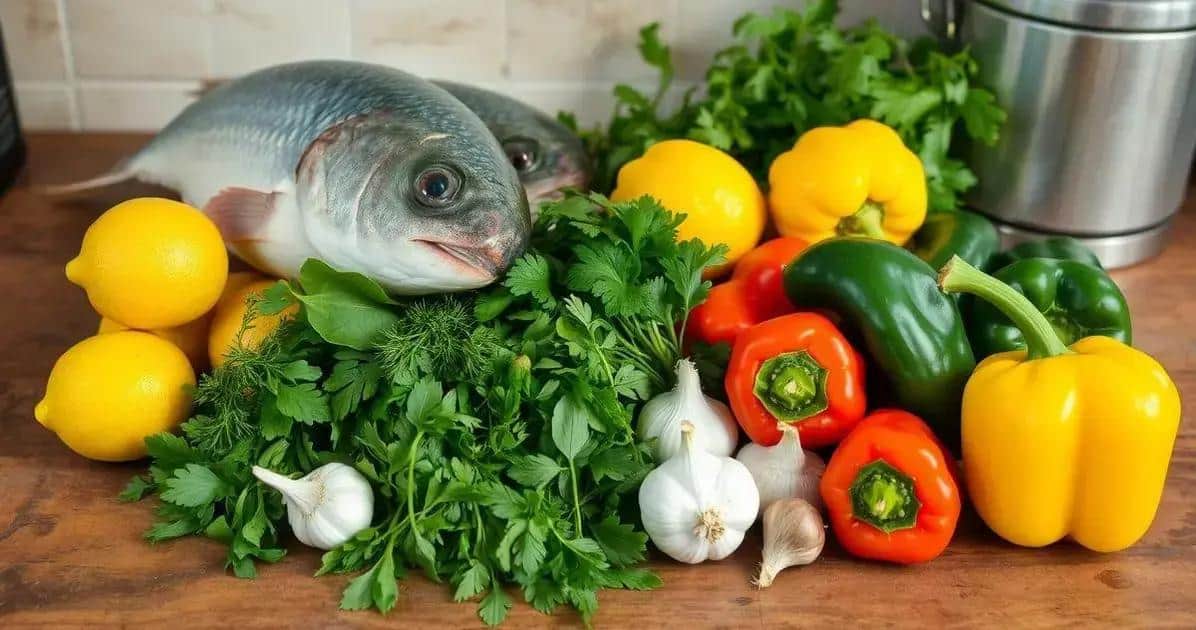
To make this delicious roast tambaqui, you’ll need the following ingredients:
- 1 whole tambaqui (about 2 kg)
- Juice of 2 limes
- 4 garlic cloves, chopped
- 1 onion, cut into rings
- 1/2 cup olive oil
- Salt and black pepper to taste
- Fresh herbs (such as coriander and parsley), to season
- 1 red pepper, cut into strips
- 2 potatoes, cut into rounds
These ingredients give the dish plenty of flavour and bring freshness and aroma to the table. The lime and herbs are essential to bringing out the flavour of the tambaqui. The potatoes and red pepper add texture and colour, making the dish even more inviting.
How to roast tambaqui
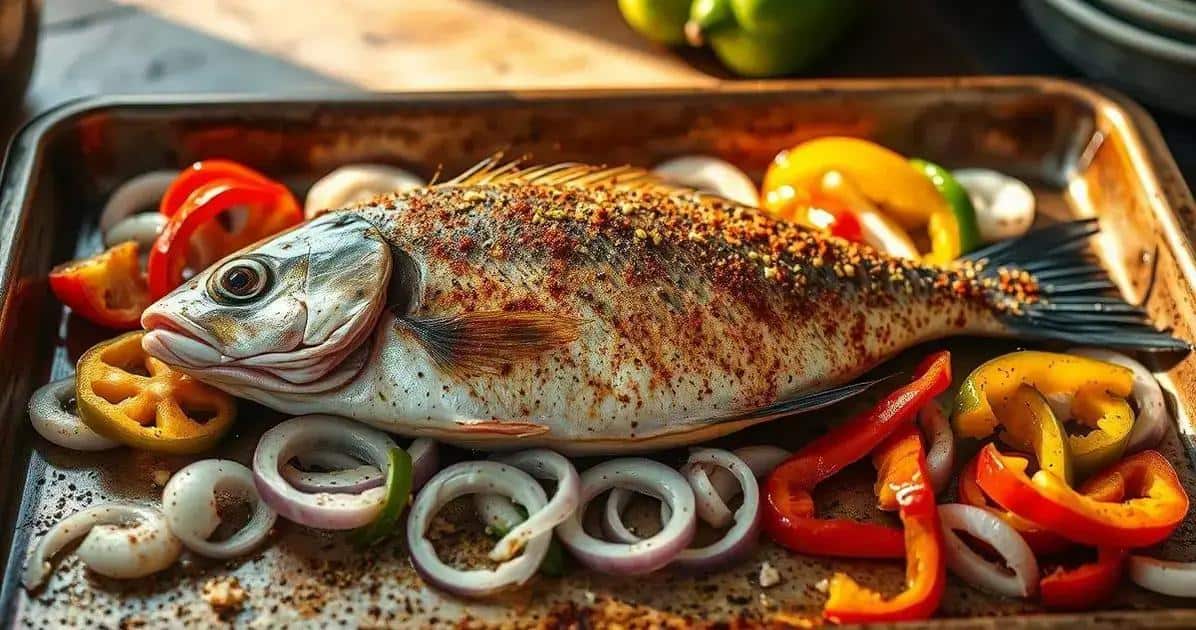
Roasting tambaqui is straightforward. Follow these steps to get it just right:
- Clean the fish. Scale the tambaqui and rinse the cavity thoroughly under running water. If needed, ask your fishmonger to do this for you.
- Preheat the oven to 180°C.
- Season the fish. Mix the lime juice, chopped garlic, salt and black pepper in a bowl. Rub the mixture all over the fish, inside and out.
- Arrange the onion rings and potato slices in a roasting tin. Lay the tambaqui on top and scatter the red pepper strips and fresh herbs over it.
- Drizzle everything with olive oil before putting the tin in the oven.
- Cover the roasting tin with foil and roast for about 40 minutes. Remove the foil and roast for a further 20 minutes to brown the skin.
- Check the fish. The tambaqui is ready when the flesh is cooked through and comes away easily from the bone.
Prepared this way, roast tambaqui is succulent and full of flavour, ideal for a special occasion.
Facts about tambaqui

Here are a few things that make tambaqui such a distinctive fish:
- Natural habitat. Tambaqui live mainly in the rivers and lakes of the Amazon basin, where they feed on fruit and seeds.
- Rapid growth. Tambaqui can grow very large, weighing up to 30 kg. Their rapid growth makes them attractive to fish farmers.
- Diet: tambaqui are omnivores. In the wild, they eat fruit and seeds during the flood season and also feed on zooplankton.
- At the Amazonian table: accounts from the Paiter Suruí people of Rondônia describe families sharing roast fish after a fishing trip and serving it with yam and maize biscuits.
- Tambaqui Festival: roast fish is one of the main attractions at this gathering in Rondônia celebrating local cooking and fish farming.
Beyond its place at the table, tambaqui has a rich cultural and ecological history that deserves recognition.
What to serve with roast tambaqui
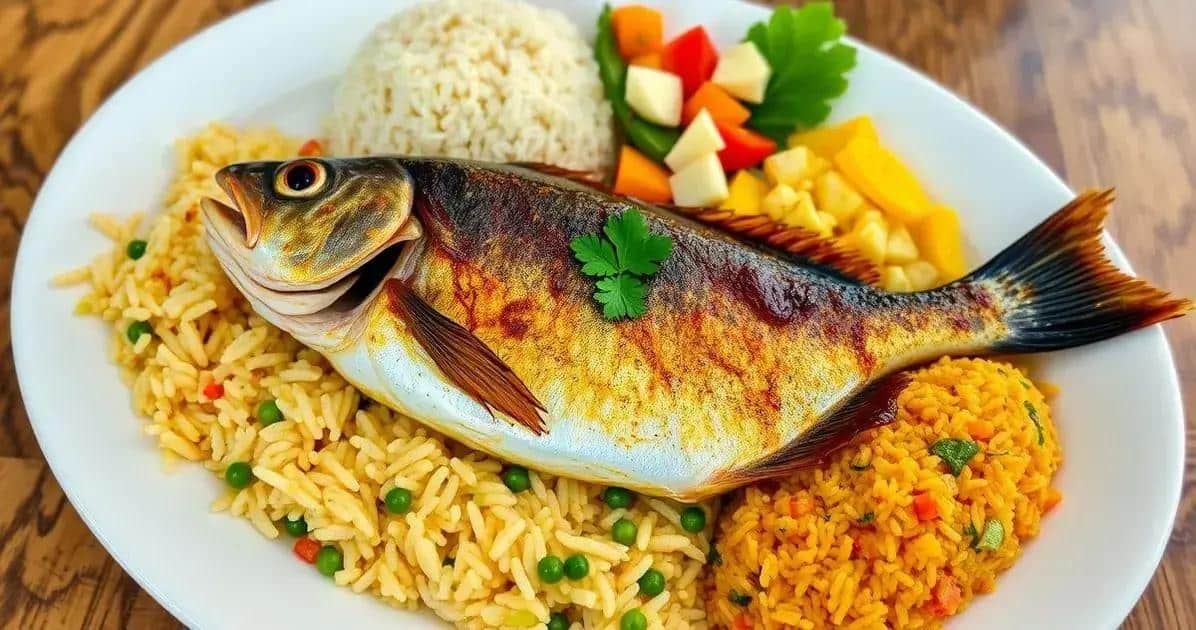
Choose side dishes that complement the flavour of the roast tambaqui and make the meal even more enjoyable. Here are a few ideas:
- Coconut rice. This light side dish goes beautifully with tambaqui. Its mild flavour highlights the succulence of the fish and adds a tropical note to the dish.
- Vegetable salad. A fresh salad of mixed leaves, grated carrot and cherry tomatoes adds crunch and freshness to balance the succulence of the fish.
- Pico de gallo. A salsa of chopped tomatoes, onion and coriander makes a lovely accompaniment. Its freshness and hint of heat go well with roast tambaqui.
- Farofa. Plantain farofa is a traditional accompaniment to many Brazilian dishes. Its crunch and gentle sweetness go beautifully with the fish.
- Tucupi sauce. A sauce made with tucupi and jambu gives the dish a distinctive Amazonian flavour. Its sweet and sour notes bring out the flavour of the tambaqui.
Try these accompaniments for a meal full of flavours that work beautifully together.
Sauce for roast tambaqui
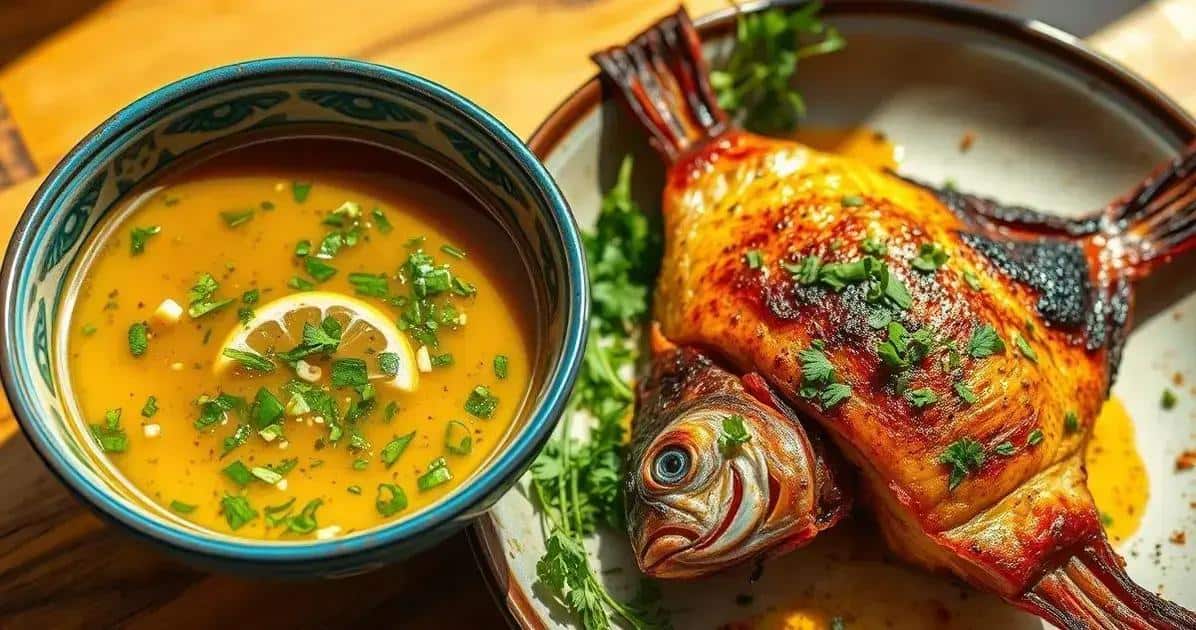
A flavourful sauce gives roast tambaqui a lovely finishing touch. This one goes particularly well with the fish:
Sauce ingredients
- 1/2 cup olive oil
- 1/4 cup lime juice
- 2 garlic cloves, chopped
- 1 tablespoon mustard
- 1 tablespoon honey
- Salt and black pepper to taste
- Fresh parsley or coriander, chopped, to taste
Method
- Mix the olive oil, lime juice, garlic, mustard and honey in a bowl.
- Season with salt and black pepper to taste.
- Add the chopped fresh herbs and mix well.
- Leave the sauce to stand for at least 15 minutes before serving to allow the flavours to develop.
Drizzle the sauce over the roast tambaqui just before serving, or serve it on the side for a fresh, sweet and tangy touch. Enjoy!
Thank you for joining us!
We hope you’ve enjoyed our guide to making this delicious roast tambaqui. It’s sure to impress your guests and make everyone’s mouth water!
If you enjoyed this guide and would like more delicious recipes, follow us on social media. Join our community to keep up with the best of the culinary world!
Visit our Mestre das Receitas cooking website for more kitchen tips and tricks, or explore our Mestre das Receitas blog to discover a wealth of delicious recipes your family and friends will love!
Frequently asked questions about roast tambaqui
Where can I find fresh tambaqui?
Look for fresh tambaqui at fishmongers’ shops or markets that sell freshwater fish.
How long should I roast tambaqui for?
Tambaqui usually takes about 40 to 60 minutes to roast at 180°C, depending on the size of the fish.
Are there other ways to cook tambaqui besides roasting it?
Yes. Tambaqui is a versatile fish that you can also grill, boil or fry.
What goes well with roast tambaqui?
Coconut rice, a fresh salad, farofa or tucupi sauce all go well with roast tambaqui.
How can I tell when tambaqui is cooked through?
Tambaqui is ready when the flesh comes away easily from the bone and is opaque throughout, with no translucent patches.
What are the nutritional benefits of tambaqui?
Tambaqui is rich in protein, omega-3 fatty acids and vitamins, making it a nutritious choice.