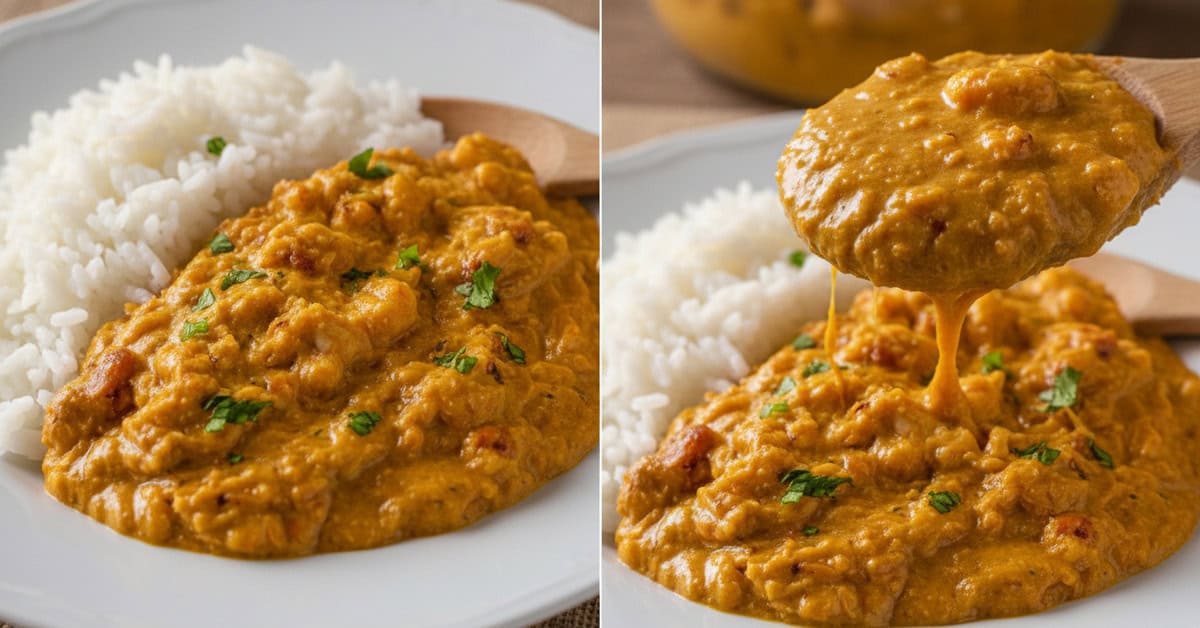

Vatapá Maranhense is a traditional Brazilian dish made with dried prawns, bread, coconut milk and peanuts. With roots in African cooking, it is served with white rice and farofa, a toasted cassava flour accompaniment, and reflects the rich culture of Maranhão.
Vatapá Maranhense is a traditional speciality of Maranhão, known for its rich combination of ingredients and bold flavours. A favourite at family gatherings and festivals, it has its roots in African culinary traditions. Learn how to make authentic vatapá and enjoy a taste of Maranhão’s heritage.
Ingredients for Vatapá Maranhense
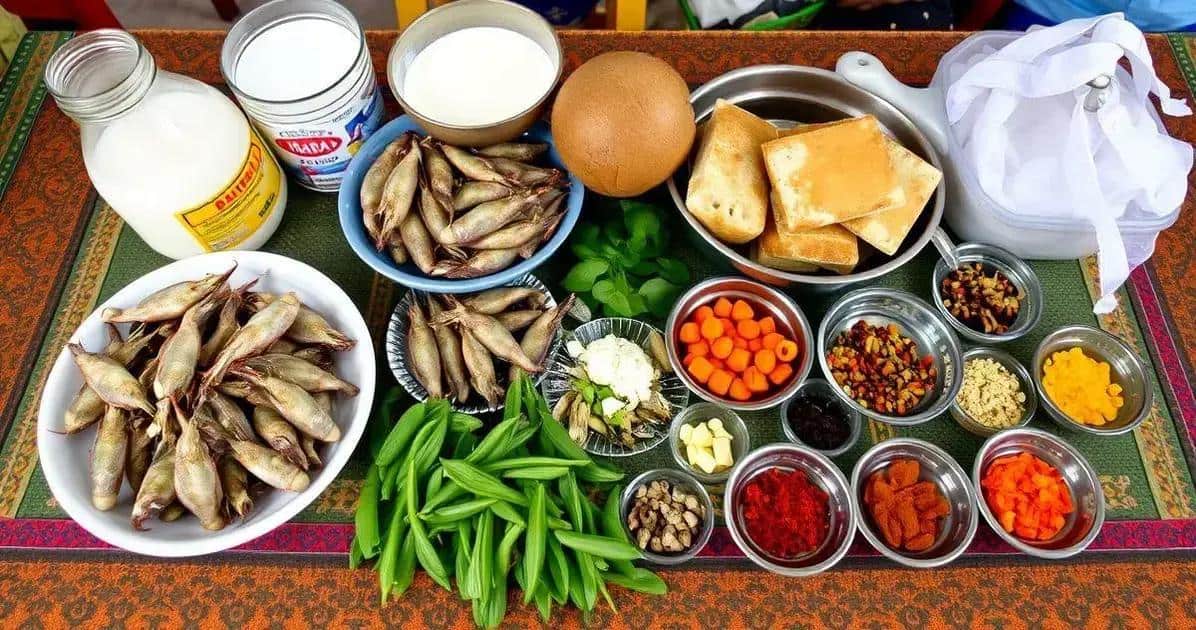
A few essential ingredients give Vatapá Maranhense its distinctive flavour. Here’s everything you’ll need.
Main ingredients
- 300 g dried prawns
- 200 g day-old Brazilian French rolls
- 400 ml coconut milk
- 200 g roasted, ground peanuts
- 1 medium onion, chopped
- 3 garlic cloves, chopped
- 1 dedo-de-moça chilli (optional, for a little heat)
- 2 tablespoons red palm oil
- Salt to taste
Recipe notes
Make sure the dried prawns are thoroughly cleaned and, if possible, soak them for a few hours before use. Coconut milk gives the dish its characteristic creaminess, while the peanuts add crunch and a distinctive nutty flavour.
How to make vatapá
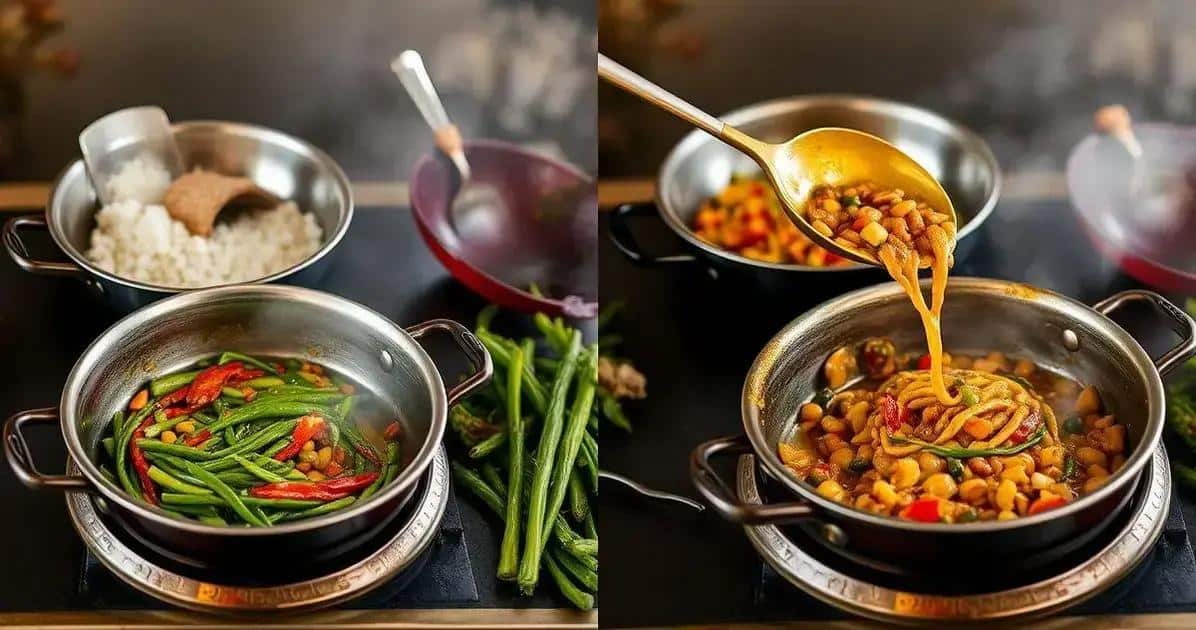
Follow these steps to make Vatapá Maranhense.
1. Prepare the ingredients
Finely chop the onion and garlic. If you’re using the chilli, deseed it and finely chop it too. Soak the dried prawns in warm water for about 30 minutes to soften them and bring out their flavour in the dish.
2. Season the prawns
Drain the soaked prawns and season with a little salt and the chopped chilli, if using. Set aside.
3. Make the sauce
Heat the red palm oil in a saucepan. Add the onion and garlic and fry gently until the onion is translucent, giving their flavours time to infuse the oil.
4. Add the remaining sauce ingredients
Gradually add the coconut milk, crumbled rolls and ground peanuts. Stir well and cook over a low heat until the bread has broken down completely and the mixture begins to thicken.
5. Stir in the prawns
Once the sauce is as thick as you like it, stir in the seasoned prawns. Cook for a few more minutes to let the flavours come together.
6. Check the seasoning
Taste the vatapá and add a little more salt if needed. It should be well seasoned, so taste as you go to avoid oversalting.
7. Rest and serve
Turn off the heat and let the vatapá rest for a few minutes. Serve hot, with white rice and cassava flour if you like.
Facts about Vatapá Maranhense

Vatapá Maranhense has a rich history and a special place in the culture of Maranhão. Here are a few things worth knowing about the dish.
Afro-Brazilian roots
Vatapá has its roots in African cooking, particularly the culinary traditions of people who were enslaved and brought to Brazil. Their influence can still be seen in the ingredients and the way the dish is cooked.
Made for sharing
Vatapá is traditionally served in generous portions for everyone to share at festivals and family gatherings. It symbolises togetherness and the pleasure of sharing a meal.
A versatile dish
Prawns are the main ingredient in Vatapá Maranhense, but other versions use fish, other seafood or even sun-cured beef. Each region of Brazil has its own take.
Vatapá’s place in local culture
In Maranhão, vatapá is part of popular festivals and celebrations such as Bumba Meu Boi, a local folk tradition that brings together music, dance and food.
Nutritional benefits
Ingredients such as peanuts and coconut milk provide valuable nutrients. Peanuts are rich in protein and healthy fats, while coconut milk is a good source of energy and vitamins.
International recognition
In recent years, vatapá has attracted attention beyond Brazil. Chefs and food lovers around the world appreciate its bold flavours and the culinary traditions behind them.
The key ingredients in vatapá
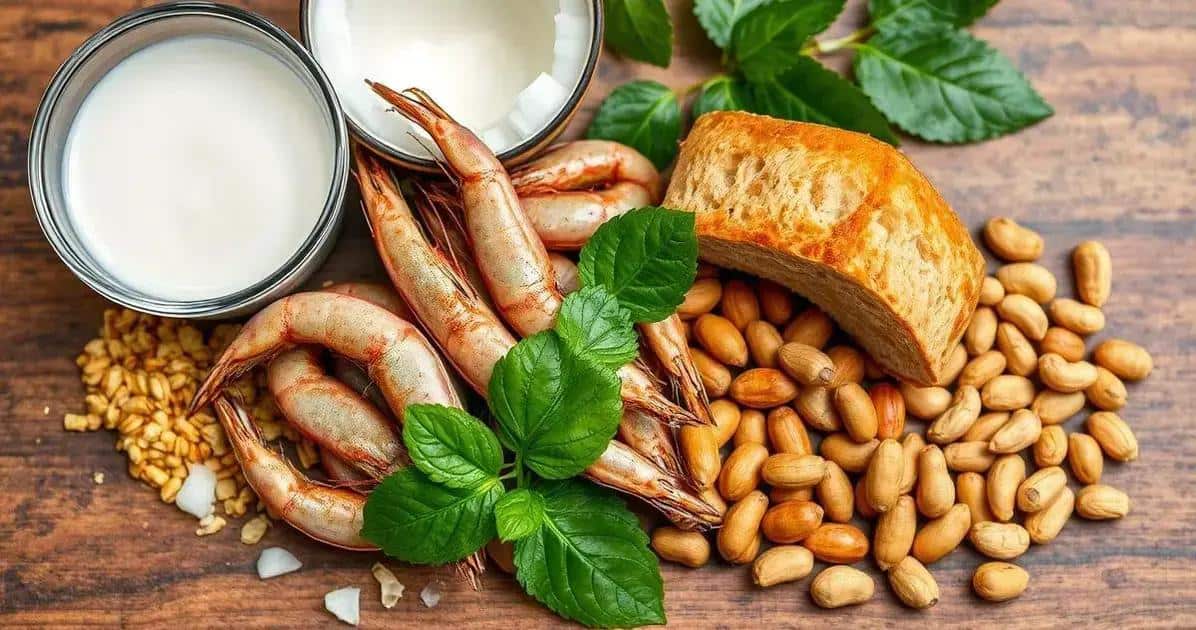
Vatapá Maranhense owes its flavour and aroma to the combination of ingredients that go into it. Here’s what each of the main ingredients brings to the recipe.
Dried prawns
Dried prawns are the foundation of vatapá and give it its distinctive, intense flavour. Soak them before use so they’re tender and full of flavour.
Brazilian French rolls
Day-old Brazilian French rolls thicken the sauce. The bread soaks up the flavours of the other ingredients and gives the vatapá its creamy texture.
Coconut milk
Coconut milk gives vatapá its rich, creamy texture and adds a delicate tropical flavour.
Roasted peanuts
Roasted peanuts give the dish a little crunch and a nutty flavour. Once ground, they also help thicken the sauce and add nutritional value.
Onion and garlic
Onion and garlic form the aromatic base of vatapá. Fry them gently before adding the other ingredients.
Red palm oil
Red palm oil is characteristic of Afro-Brazilian cooking and gives vatapá its vibrant colour and unmistakable flavour.
Spices
Other spices such as dedo-de-moça chilli can be added for a little heat, depending on how spicy you like your vatapá.
Tips for making the best vatapá
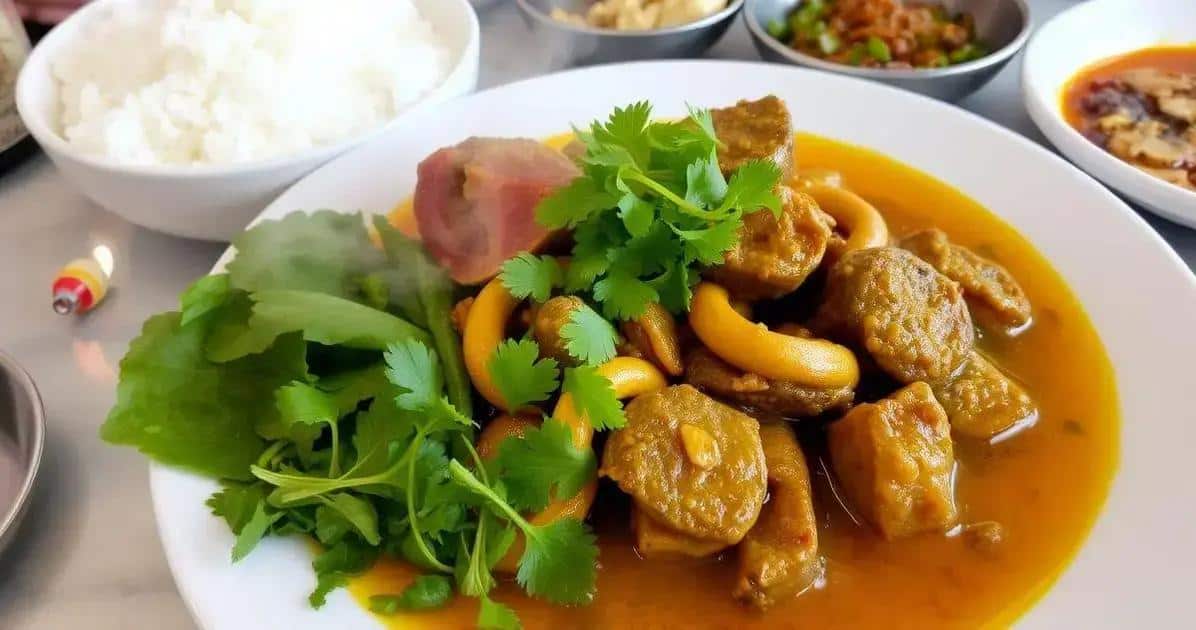
These tips will help you get the best flavour from your Vatapá Maranhense and serve it beautifully.
Choose your ingredients
Use fresh, good-quality ingredients. Choose dried prawns from a reputable source and, if possible, use homemade coconut milk for a more authentic flavour.
Soak the bread
Soak the rolls in the coconut milk before adding them to the pan. This softens the bread so it blends more easily into the sauce, giving you a creamier vatapá.
Season to taste
Feel free to experiment with the seasoning. Along with the salt, you can add a little ginger or coriander to give your vatapá extra flavour.
Adjust the consistency
You can make vatapá as thick as you like. For a looser sauce, add a little more coconut milk. For a thicker vatapá, use less liquid.
Give it time to rest
Once cooked, let the vatapá rest for a few minutes before serving. This gives the flavours time to come together.
Serve with style
For an inviting presentation, serve the vatapá in a soup plate and garnish with a little fresh coriander. Serve with white rice and cassava flour.
Try a variation
Feel free to adapt the recipe. Try different kinds of seafood or fish, each of which brings its own flavour to the vatapá.
The history of Vatapá Maranhense
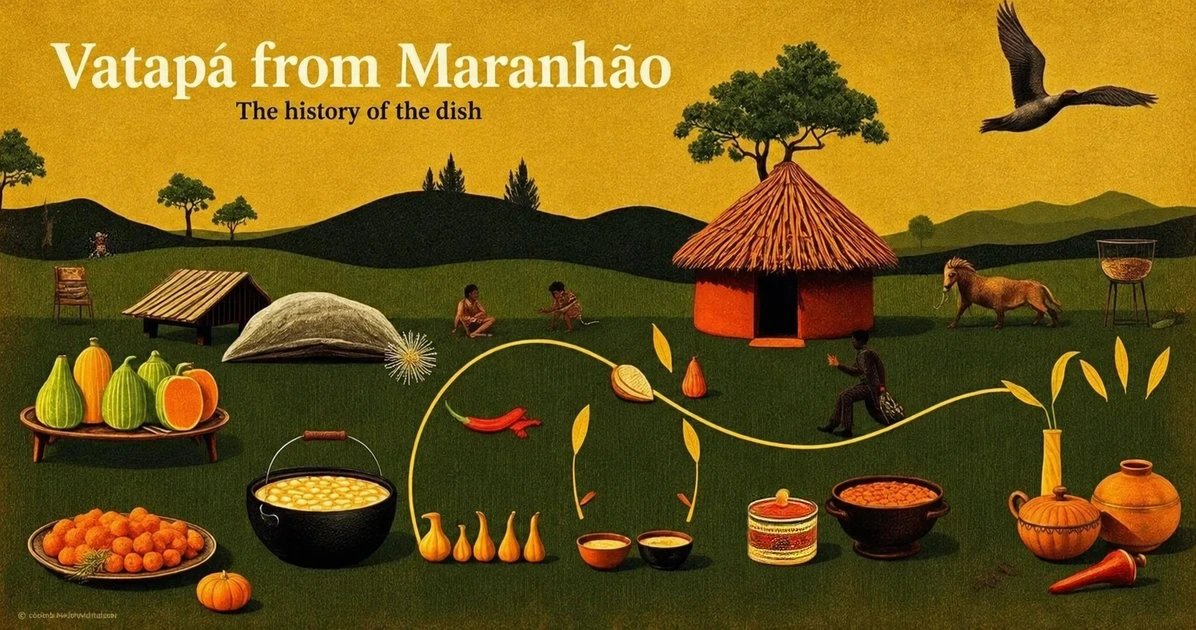
The rich history of Vatapá Maranhense is closely tied to Afro-Brazilian culture. The dish has its roots in African cooking and was brought to Brazil by enslaved Africans, particularly those who lived in Maranhão. Over the years, it evolved to incorporate local ingredients and cooking techniques.
African influence
African dishes that combined fish or minced meat with peanut-based sauces and local seasonings helped shape vatapá. Together, these ingredients made a rich, substantial dish that became popular with local people.
How vatapá developed in Maranhão
In Maranhão, vatapá became a symbol of local cooking, closely associated with festivities such as Bumba Meu Boi. Large quantities are served at these events, and sharing the dish is a way of celebrating together.
Cultural recognition
Over time, vatapá became known throughout Brazil. Food festivals and the menus of renowned restaurants helped establish its reputation, and the dish became widely loved.
Regional variations
Although vatapá originated in Brazil, versions of it can be found elsewhere in the world, particularly in West Africa. Each region uses its own ingredients and seasonings while keeping the essential character of the dish.
Keeping the tradition alive
Today, chefs and home cooks keep the tradition alive by passing recipes down through the generations. A meal of vatapá carries the history and culture of the people who make it.
How to serve vatapá and what to serve with it
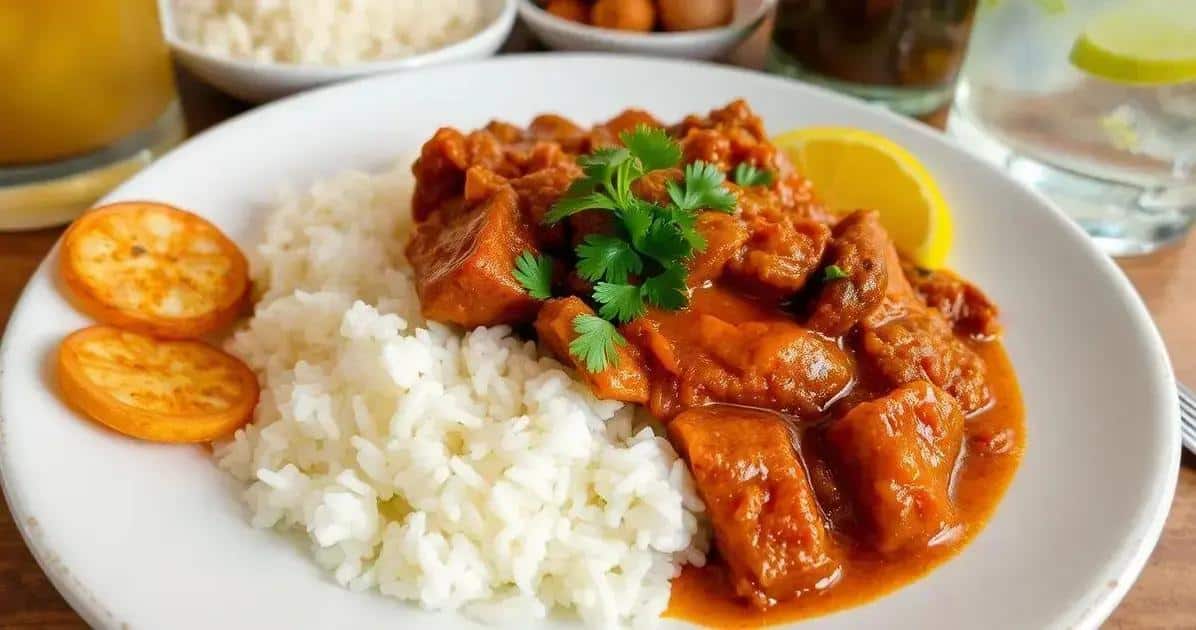
The way you serve Vatapá Maranhense can bring out its flavours. Here are a few tips for presenting the dish and choosing accompaniments.
Plating up
Spoon the vatapá into a soup plate and smooth the surface with the spoon. This makes the dish look inviting and easier to serve.
Garnish
Garnish with a little fresh coriander or chopped spring onion to give the vatapá a splash of colour and a fresh, inviting aroma.
Traditional accompaniments
Vatapá is traditionally served with white rice. You can also serve cassava flour or farofa alongside. These accompaniments help balance the rich flavours of the vatapá.
Drinks to serve alongside
A cold beer or a light white wine makes a refreshing accompaniment. Other traditional drinks, such as cider, also go well with vatapá.
Serving vatapá at celebrations
At celebrations, serve generous quantities of vatapá in large serving dishes so everyone can help themselves. Sharing it this way reflects Maranhão’s traditions and sense of community.
Reheating leftovers
Reheat leftover vatapá in a saucepan over a low heat, adding a little coconut milk to loosen it. This preserves its flavour so you can enjoy it again later.
We hope you’ve enjoyed getting to know Vatapá Maranhense, a dish that captures the rich culinary traditions of Maranhão. Now it’s time to get cooking and try it for yourself! We’d love you to share what you made and tell us how it went.
Thank you for visiting. Follow us on social media for more recipes and cooking tips. Come and explore our Mestre das Receitas cooking website and join our family of food lovers!
Join us on the Mestre das Receitas blog to discover a world of flavours and traditions.
Frequently asked questions about Vatapá Maranhense
What are the main ingredients in Vatapá Maranhense?
The main ingredients are dried prawns, Brazilian French rolls, coconut milk, roasted peanuts, onion, garlic and red palm oil.
How can I give my vatapá even more flavour?
Try soaking the bread in coconut milk. You can also add seasonings such as ginger or coriander for extra flavour.
What should I serve with vatapá?
Vatapá is traditionally served with white rice. Cassava flour or farofa can also be served alongside.
Where does Vatapá Maranhense come from?
Vatapá Maranhense has its roots in the cooking of enslaved Africans who brought their culinary traditions to Brazil, particularly to Maranhão.
Can I make vatapá with a different protein?
Yes. You can also make the dish with fish or sun-cured beef.
What’s the best way to reheat leftover vatapá?
Reheat it in a saucepan over a low heat, adding a little coconut milk to loosen it and preserve its flavour.