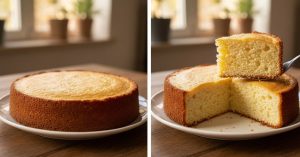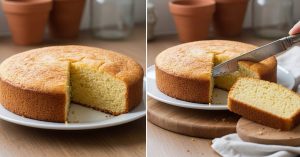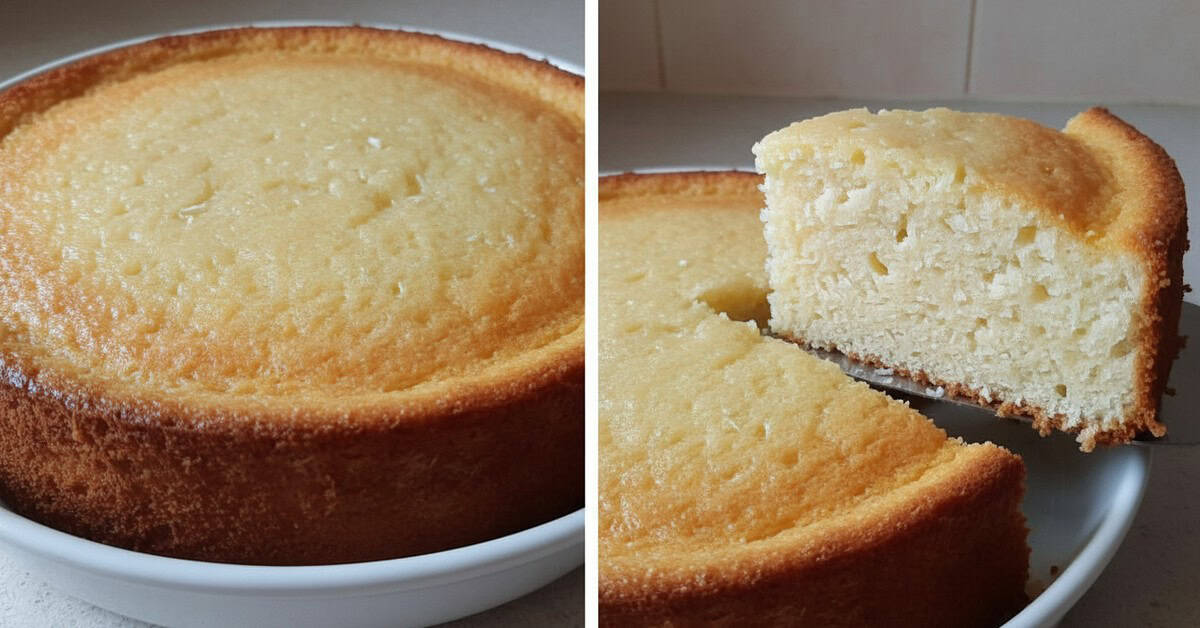

This soft, creamy cassava cake is easy to make in a blender with fresh cassava, eggs, coconut milk and baking powder. It’s a simple way to enjoy a traditional Brazilian flavour.
Have you ever tried a melt-in-the-mouth cassava cake that’s this easy to make? If you haven’t, this simple, delicious blender recipe could become a favourite in your kitchen.
Ingredients for blender cassava cake

- 500 g of sweet cassava (also called aipim or macaxeira in Brazil), suitable for cakes made with grated cassava. Choose cassava from a known source. Peel it thoroughly and cut it into small pieces.
- 3 eggs to give the cake structure and help create its creamy texture.
- 1 cup of sugar, adjusted to taste. Brown sugar works well if you prefer a deeper caramel flavour.
- 1 cup coconut milk for a fuller flavour and a moist crumb. You can use ordinary milk instead.
- 1/2 cup vegetable oil to keep the cake soft and moist.
- 1 tablespoon baking powder to help the cake rise and give it a light texture.
- 1 pinch of salt to bring out the flavours of the other ingredients.
- Grated coconut (optional), to sprinkle over the cake for extra texture and a coconut aroma.
How to make creamy cassava cake
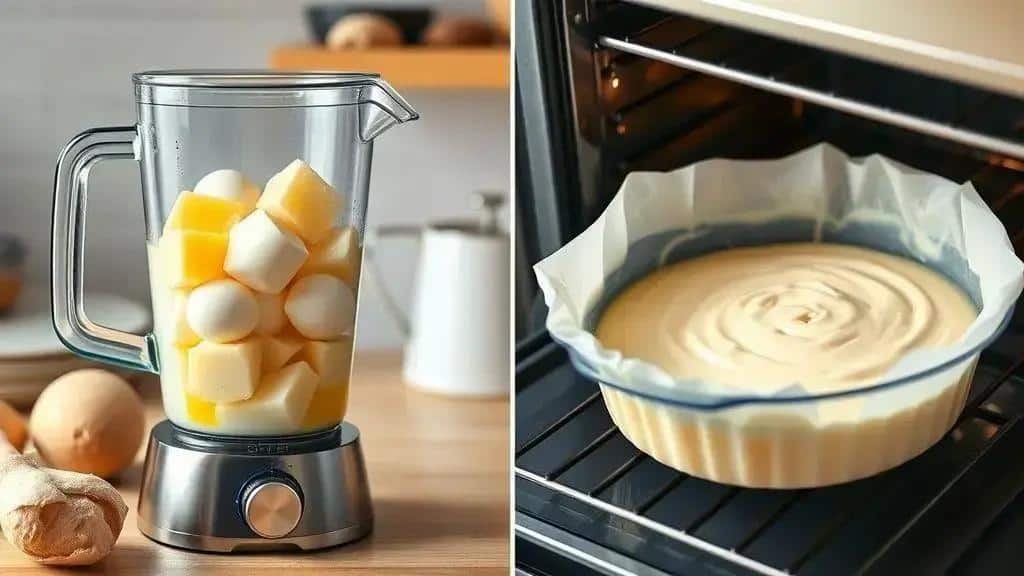
- Prepare the cassava: use 500 g of sweet cassava suitable for baking in a cake. Peel, wash and cut it into small pieces. If using packaged cassava, follow the supplier’s preparation instructions. Do not use bitter cassava or a root of unknown variety.
- Blend the liquid ingredients. Put 3 eggs, 1 cup of coconut milk and 1/2 cup of vegetable oil in the blender. Blend until smooth.
- Add the chopped cassava and 1 cup of sugar to the liquid mixture in the blender. Blend until smooth, with no pieces of cassava left. Do not taste the raw batter.
- Mix in the baking powder and salt. Finally, add 1 tablespoon of baking powder and a pinch of salt. Pulse just long enough to combine them without knocking the air out of the mixture.
- Prepare the tin. Grease a cake tin with oil and dust it with wheat flour or fine cornmeal to stop the cake from sticking.
- Bake in the prepared tin in an oven preheated to 180 °C for about 40 minutes, until cooked through. The baking time will vary depending on your oven and tin. Check that the centre is firm and that a skewer inserted into it comes out with no raw batter on it. Bake for longer if needed.
- Cool before serving. Take the cake out of the oven and let it cool a little so it develops its creamy texture.
- If you like, sprinkle grated coconut over the top just before serving.
Tips for an even tastier cake
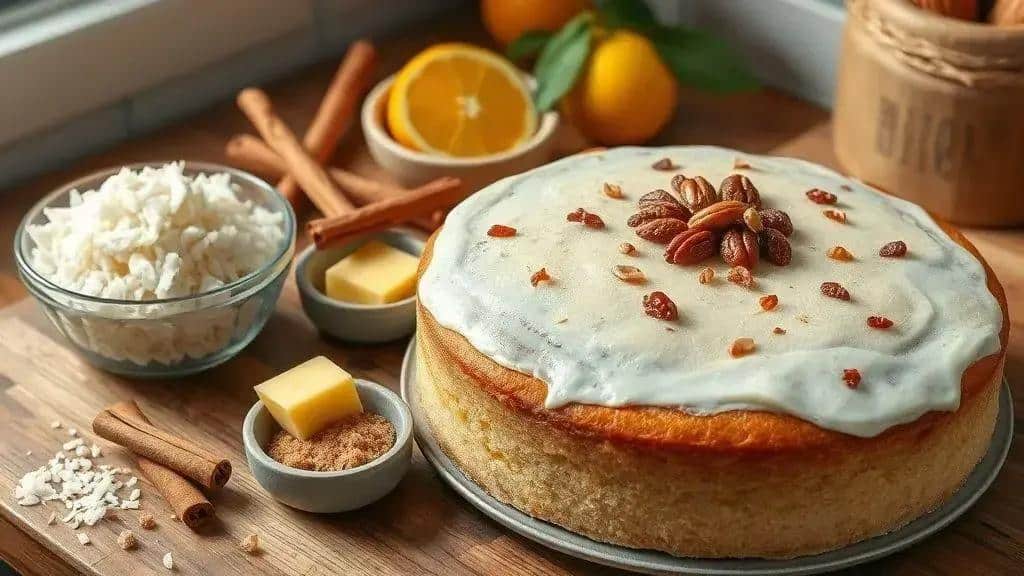
A few simple touches can bring out even more flavour in your blender cassava cake.
- Use fresh coconut milk to bring out the natural flavour of the cassava and give the cake a distinctive coconut aroma and a creamy texture.
- Stir grated coconut into the mixture or sprinkle it over the top before baking for a little extra texture and coconut flavour.
- Add a little cinnamon or ground cloves for a more complex, aromatic flavour.
- Swap white sugar for brown sugar for a richer flavour with a hint of caramel.
- Use butter in place of oil for a softer crumb and the buttery flavour of a traditional home-made cake.
- Add lemon or orange zest for a fresh citrus note that balances the sweetness.
- Add dried fruit such as raisins, or some chopped nuts, for extra texture and flavour.
Try different ingredients and finishing touches to make the cake your own and bring out the flavours you and your guests enjoy.
Cassava cake variations
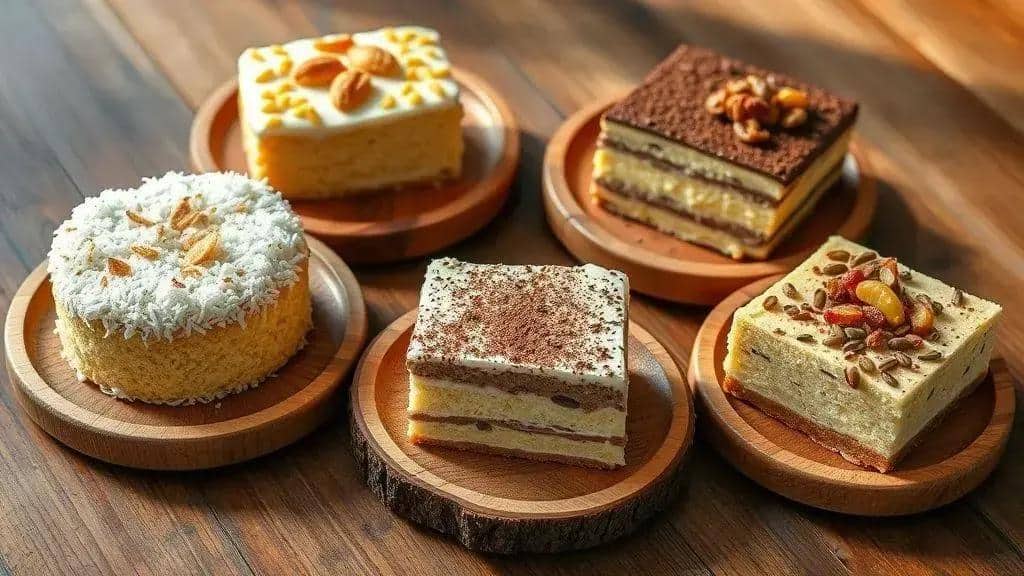
You can adapt cassava cake to suit different tastes and occasions. Here are a few variations to try.
- Cassava cake with coconut. Stir 1 cup of grated coconut into the mixture for a more tropical flavour and a slightly chewy texture.
- Cassava cake with cheese. Add 100 g of grated Brazilian Minas cheese, or another cheese of your choice, for a more savoury flavour and a creamier texture.
- Chocolate cassava cake. Stir 3 tablespoons of cocoa powder into the mixture for a rich chocolate cake that chocolate lovers will find hard to resist.
- Cassava cake with fennel seeds. Add 1 teaspoon of fennel seeds for the delicate aniseed aroma and flavour found in traditional Brazilian baking.
- Cassava cake with dried fruit. Mix in raisins or prunes for sweetness, or chopped nuts for crunch. This version is ideal for parties and celebrations.
- Vegan cassava cake. Replace the eggs with 3 tablespoons of soaked linseed and use plant-based milk to keep the cake creamy without using animal products.
These variations let you enjoy a range of flavours and textures, all from the same simple cake mixture.
Facts about cassava in Brazilian cooking

Cassava is one of the most versatile ingredients in traditional Brazilian cooking. It has a long history, with plenty of lesser-known facts to discover.
Origins and cultural importance
Cassava is native to South America, where Indigenous peoples have grown it for thousands of years. It is a staple food in several parts of Brazil, particularly the North and North-East.
Types of cassava
There are two main types of cassava. Bitter cassava contains toxic compounds and requires special preparation. Sweet cassava is the type used in most recipes, including cassava cake.
Culinary uses
Cassava can be boiled, fried or roasted, made into flour or tapioca, or used in sweets and cakes. Its versatility means you can use it to make both savoury and sweet dishes with a wide range of textures and flavours.
Nutritional value
Cassava provides carbohydrates. Its starch gives the cake structure and helps keep it moist.
Did you know?
- One Brazilian name for the cassava plant is ‘mandioqueiro’.
- Tapioca, a traditional Brazilian dish, is made from starch extracted from cassava.
- People have eaten cassava for thousands of years. It was one of the first plants people cultivated.
Enjoyed these tips and facts about blender cassava cake? Now you can bake it yourself and surprise everyone with different flavours. Try the variations for an easy, delicious taste of Brazilian cooking.
Thank you for visiting! Follow us on social media for more delicious recipes and exclusive tips. You can also visit the Mestre das Receitas blog to keep up with everything we’ve been preparing for you.
Frequently asked questions about blender cassava cake
Can I use frozen cassava to make the cake?
Yes. Defrost the cassava first and drain it well so it doesn’t add excess water to the cake mixture.
What’s the best way to store cassava cake?
Keep the cake in a sealed container in the fridge for up to 3 days to preserve its moisture and flavour.
Can I use ordinary milk instead of coconut milk?
Yes. You can use ordinary milk, though the flavour will be milder and the texture less creamy.
How can I make the cake lighter?
Beat the eggs until frothy before adding them to the other ingredients, and use the baking powder as directed.
Can I add other ingredients, such as fruit or nuts?
Yes. Add dried fruit, nuts or grated coconut to vary the flavour and texture of the cake.
How can I make the cake lighter?
Beat the eggs until frothy before adding them to the other ingredients, and use the baking powder as directed.