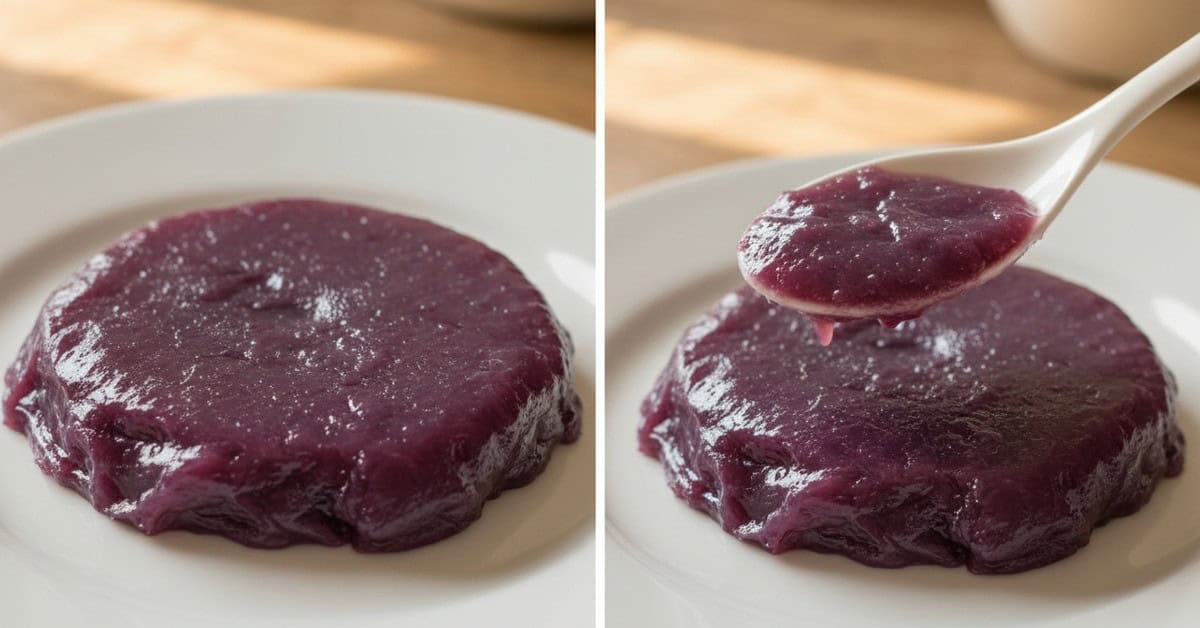

Doce de muruci is a Brazilian sweet made from the pulp of the aromatic muruci fruit. It’s easy to make, lovely as a gift and can be varied with coconut or cooked to a jam consistency. The fruit itself provides vitamin C.
Discover a traditional Brazilian sweet with the distinctive flavour of muruci fruit. This recipe shows how to cook the pulp to a sliceable consistency, with background on the fruit and tips for getting the result you want. There’s plenty of flavour in this simple dessert.
Ingredients for muruci fruit paste
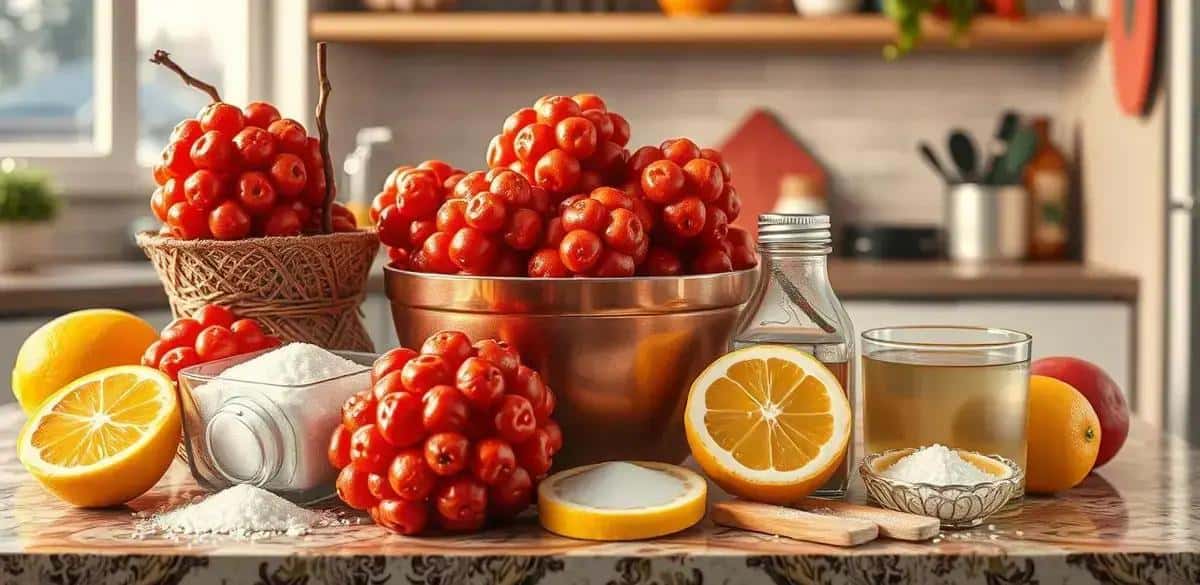
To make doce de muruci, you’ll need the following ingredients.
- 500 g muruci pulp. The fruit forms the base and gives the sweet its characteristic aroma.
- 300 g sugar, to sweeten the fruit and give the paste its texture
- 1/2 cup water, to help dissolve the sugar and form the syrup
- Juice of 1 lemon, to bring out the fruit flavour and add acidity to the preserve
- 1 pinch of salt, to balance the sweetness
Choose good-quality muruci pulp, as its flavour makes a real difference to the finished sweet. Look for the fruit at local markets and fruit stalls where it’s grown. Once you’ve gathered the ingredients, you’re ready to cook.
How to make muruci fruit paste
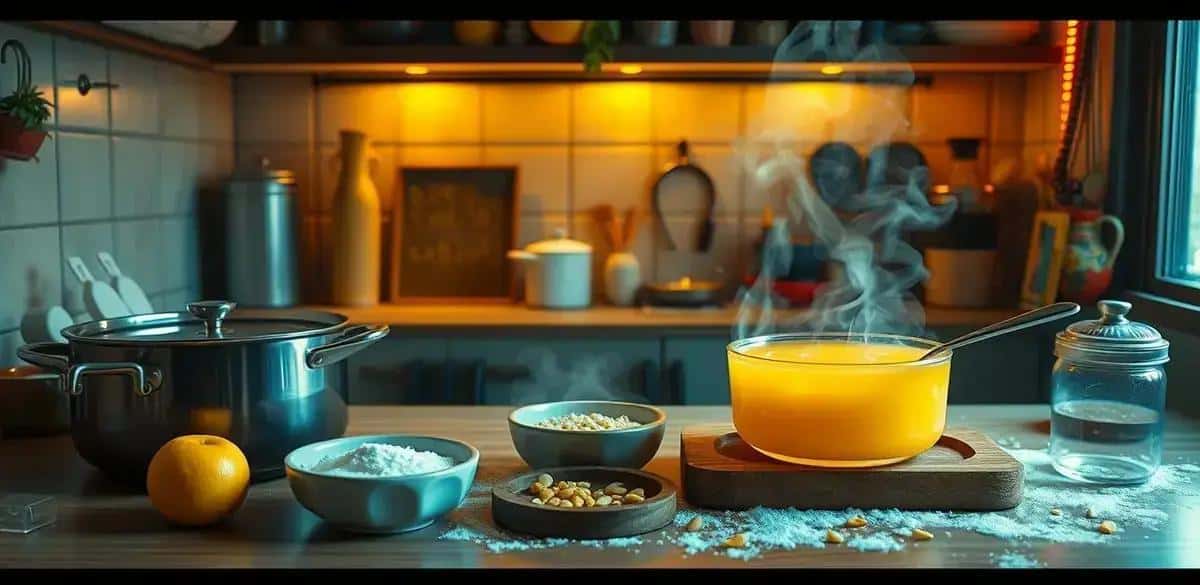
The method is straightforward, with a few details to watch for. Follow these steps.
- Remove the pulp from the muruci fruit. If using fresh fruit, open each one and scoop out the pulp with a spoon. Thaw frozen pulp before using.
- Put the pulp, sugar, water and lemon juice in a saucepan and stir until evenly combined.
- Set over a low heat, stirring occasionally to keep the mixture from sticking to the bottom of the pan.
- After about 30 minutes the mixture will start to thicken. Keep cooking to the desired consistency. For a sliceable sweet, it should be firm enough to pull away easily from the pan.
- Add a pinch of salt to balance the flavour. Stir well and cook for a few more minutes.
- When the paste reaches the right consistency, take the pan off the heat and pour it into a lightly oiled dish. Let it cool completely before cutting.
- Once cold, cut into squares or any shape you like. Serve as a dessert or give as a special gift.
This method puts the distinctive flavour of Brazilian muruci fruit at the centre of the sweet.
A little background on doce de muruci
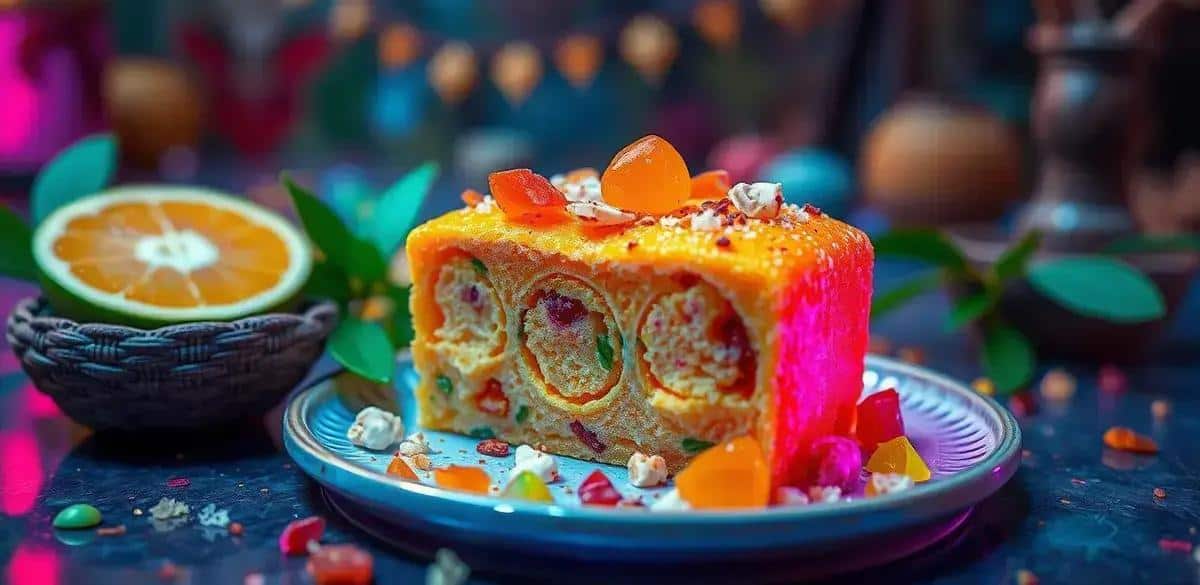
There’s a story behind this fruit and the ways it’s used in the kitchen. Here are a few things to know.
- Origin. Muruci, also called nance (Byrsonima crassifolia), is native to tropical parts of the Americas and is found in South America, especially in the Amazon region.
- Flavour. The fruit combines sweetness with a slightly tart note that gives the paste its distinctive taste.
- Traditional uses. In several regions of Brazil, muruci is used in sweets as well as drinks such as juices and liqueurs.
- Nutrition. The fruit contains vitamin C and antioxidants. The finished sweet is best enjoyed in moderation.
- Festivals. Doce de muruci appears at traditional celebrations, particularly in northern and north-eastern Brazil where the fruit is much loved.
- Versatility. Serve it as a dessert, use it to fill cakes and tarts or pair it with cheese.
- Home cooking. Making it at home is a way to preserve traditions and share a taste of Brazilian food culture with friends and family.
These details show why doce de muruci is more than a dessert and has a place in Brazil’s culinary traditions.
How to choose ripe muruci fruit
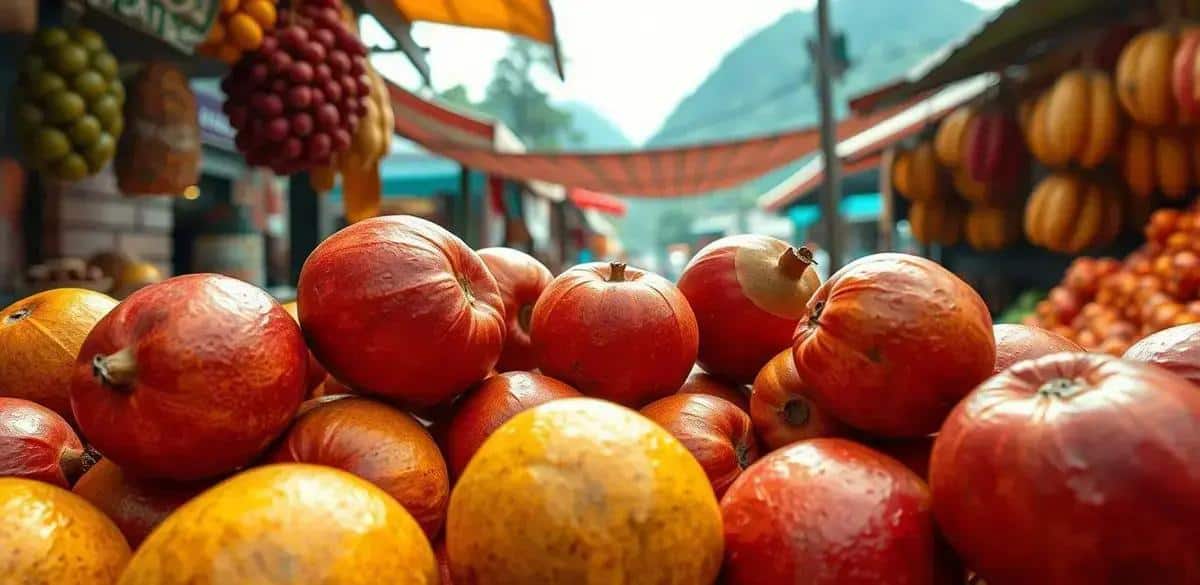
The quality and flavour of the fruit affect the finished paste. Here’s what to look for.
- Appearance. Ripe muruci is a bright golden yellow. Avoid shrivelled fruit or fruit with dark spots, which may be past its best.
- Aroma. Look for a sweet fragrance. Fruit with little scent may need more time to ripen.
- Texture. The fruit should yield slightly to the touch without being very soft. Firm fruit may still be unripe.
- Shape. Choose rounded, evenly shaped fruit where possible and avoid very misshapen specimens.
- Source. Look for small local growers where possible, as they often sell fresh, good-quality fruit.
- Season. Muruci is more abundant in the summer months. Buying in season can help you find sweeter, more flavourful fruit.
- Taste. If you have the chance, taste a piece before buying to help you choose the best fruit available.
Careful selection makes a difference to the flavour you’ll enjoy in the finished paste.
Tips for sweetening muruci

These small adjustments can help you balance the natural flavour of the fruit and the sweetness of the paste.
- Choose granulated or brown sugar. Brown sugar brings a caramel note that goes well with muruci.
- Taste the pulp before adding sugar. Some fruit has enough natural sweetness to need less added sugar.
- Add sugar gradually, tasting the mixture as it cooks to find a balance between sweetness and acidity.
- A little lemon juice brightens the fruit flavour and balances the sweetness.
- Try honey or agave syrup as alternative sweeteners for a different flavour.
- A pinch of cinnamon complements the sweetness and adds a fragrant note.
- For more texture and flavour, stir in dried fruit or chopped nuts after cooking.
With these tips you can adjust the flavour of this homemade sweet to your liking and share it with others.
Variations on doce de muruci

There are several ways to enjoy muruci. Here are some variations to try.
- Muruci with coconut. Add coconut flakes to the basic recipe for tropical flavour and texture.
- Muruci filling. Use the paste to fill cakes or tarts. The fruit contrasts beautifully with the pastry or sponge.
- Muruci jam. Cook the fruit with sugar and a little lemon until it has a jam-like consistency. Spread on toast or serve with cheese.
- Muruci ice cream. Mix the pulp with milk, cream and sugar, then freeze for a refreshing dessert on a hot day.
- Muruci with almonds. Add chopped almonds during cooking for crunch and an extra layer of flavour.
- Muruci with fruit. Combine the sweet with pineapple, mango or other fruit for a tropical fruit salad.
- Creamy muruci drink. Blend the pulp with sweetened condensed milk and ice for a refreshing summer drink.
These variations let you try different flavours and make the most of this distinctive fruit.
Gift ideas with doce de muruci

This fruit sweet makes a personal homemade gift. Here are a few ways to present it.
- Small jars. Spoon the sweet into little glass jars and decorate with ribbons for friends, family or special occasions.
- A gift box. Put together muruci fruit paste, jam and biscuits made with the fruit for a varied homemade selection.
- Layered muruci. In a clear jar, alternate the fruit paste with other sweets or fruit compotes for a colourful presentation.
- Party favours. Package individual portions in decorative bags with personalised tags for birthdays or weddings.
- Pairing with cheese. Give the sweet with a selection of fine cheeses for a gift that food lovers can enjoy together.
- A cookery class. Give someone a class centred on doce de muruci so they can learn the method and take home what they make.
- A recipe kit. Gather the ingredients and include a printed copy of the recipe for someone who loves to cook.
These gifts celebrate the fruit and are a thoughtful way to share a little of Brazil’s food culture.
Thank you for discovering doce de muruci with us
We hope you feel inspired to try this traditional Brazilian sweet. It brings together the flavours and culture of Brazil, and we’d love to see your creations.
Follow us on social media for more recipes and cooking tips. Join our community at the Mestre das Receitas cooking website, where there’s something happening in the kitchen every day.
Your support means a lot to us. Join our story and discover the dishes we share on the Mestre das Receitas blog. Let’s keep exploring the world of cooking together.
Frequently asked questions about doce de muruci
What is doce de muruci?
It’s a Brazilian sweet made from muruci fruit pulp, known for its sweet and slightly tart flavour.
How should I choose muruci fruit?
Look for golden-yellow fruit with a sweet aroma and a slightly soft texture. Avoid fruit that looks shrivelled or has dark spots.
Can I make doce de muruci at home?
Yes. Follow the recipe to cook the pulp with sugar and water for a straightforward homemade sweet.
What variations can I try?
Try muruci with coconut, muruci jam or even muruci ice cream.
How can I give it as a gift?
Present it in decorated jars, pair it with cheese or include it in a gift box with other treats.
How should I sweeten it?
Use brown or granulated sugar, add lemon juice for balance or try a different sweetener such as honey.