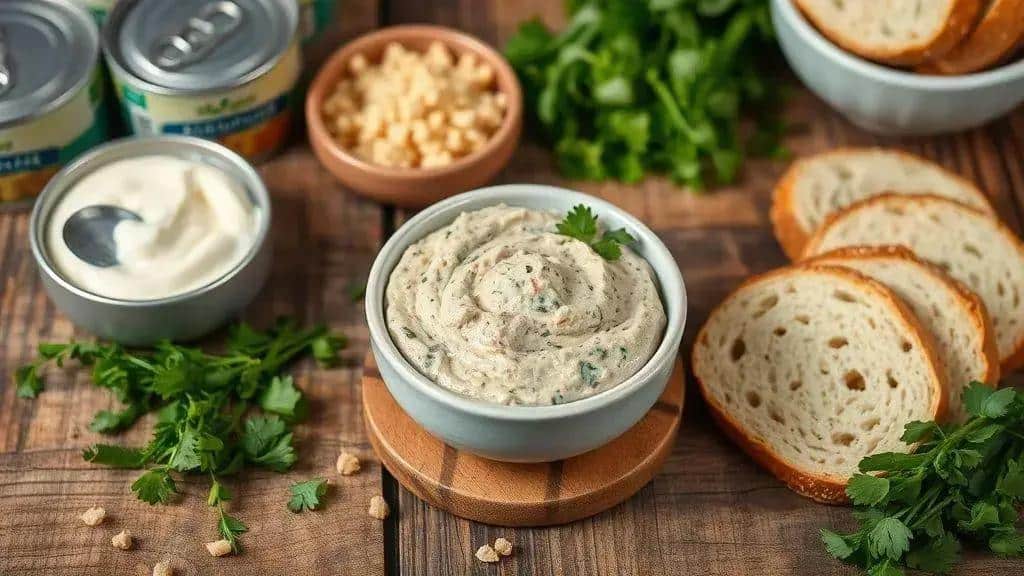

Tuna pâté is a quick, tasty spread made with tinned tuna, mayonnaise and seasonings. It has a creamy texture, and you can vary the extras to suit all sorts of easy, nutritious snacks.
If you fancy a snack that’s easy to make and full of flavour, tuna pâté could be just the thing. Have you ever thought about how much flavour this simple spread can bring to plain bread? Let’s explore a few easy ways to make it.
Ingredients for tuna pâté
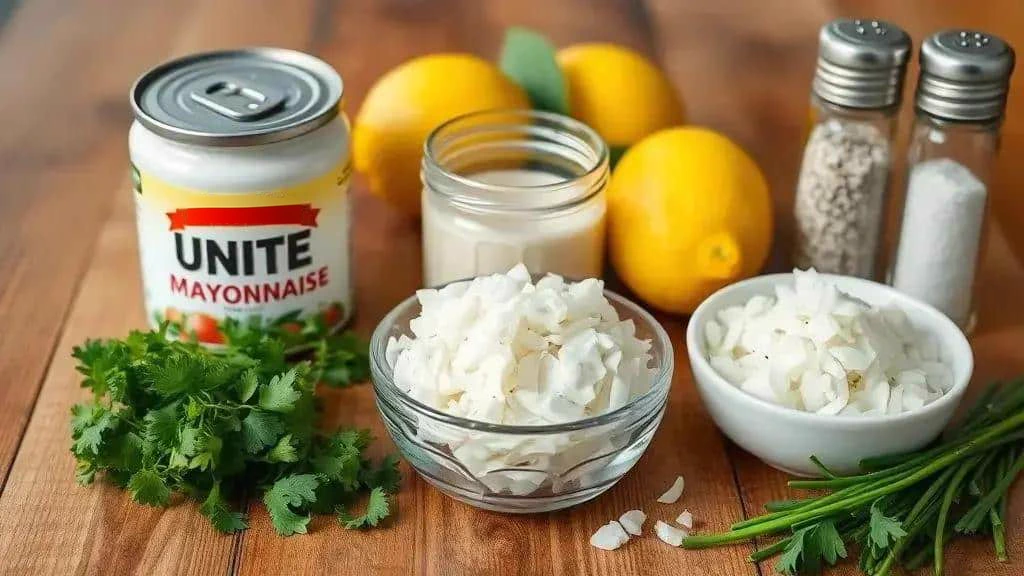
- 1 tin of tuna (140 g) – preferably in oil for a fuller flavour, or in water for a lighter version.
- 3 tablespoons of mayonnaise – use regular or light mayonnaise, whichever you prefer.
- 1 tablespoon of lemon juice – for a citrus note that balances the flavour.
- 2 tablespoons of very finely chopped onion – for crunch and aroma.
- Salt and black pepper to taste – to bring out the flavours.
- Chopped parsley or chives (optional) – for freshness and colour.
How to make quick and easy tuna pâté
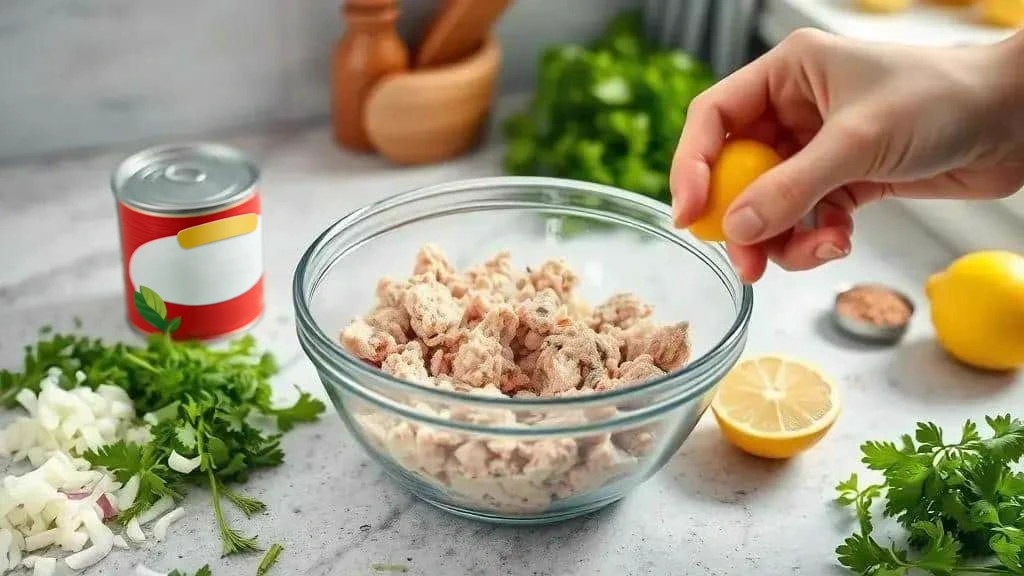
- Drain the tuna. Open the tin and drain it thoroughly so the pâté doesn’t turn watery.
- Mix in the mayonnaise. Put the drained tuna in a bowl with 3 tablespoons of mayonnaise and mix to an even paste.
- Season the pâté. Add 1 tablespoon of lemon juice, 2 tablespoons of chopped onion, and salt and black pepper to taste. Mix well to distribute the seasoning evenly.
- Add herbs if you like. Fold in chopped parsley or chives for a fresh aroma and a touch of colour.
- Chill the pâté for at least 30 minutes to let the flavours mingle and the texture firm up.
This quick, simple method makes a tasty tuna pâté that you can serve in all sorts of ways for an easy snack.
Creative variations on tuna pâté
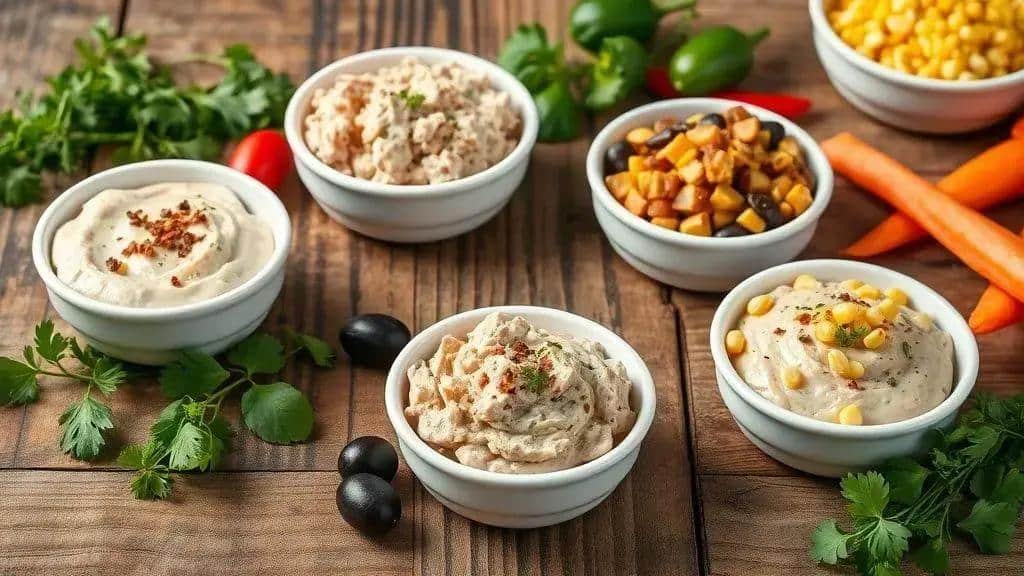
Tuna pâté is easy to adapt to different tastes. Try adding a few ingredients of your own to give the basic recipe a distinctive flavour.
- Use cream cheese in place of the mayonnaise for a creamier tuna pâté with a delicate flavour.
- Stir finely chopped dill, parsley and chives into the tuna pâté to give it a fresh, herbal aroma.
- For a spicy tuna pâté, add a pinch of dedo-de-moça chilli or a dash of chilli sauce if you like a little more heat.
- For tuna pâté with vegetables, stir in grated carrot, sweetcorn and peas for their crunch and flavour.
- For a change of texture, fold chopped olives or small pieces of cream cracker into the tuna pâté.
Try combining different ingredients to make your own version of tuna pâté, adjusting the seasoning and texture to your taste.
How to keep tuna pâté fresh for longer
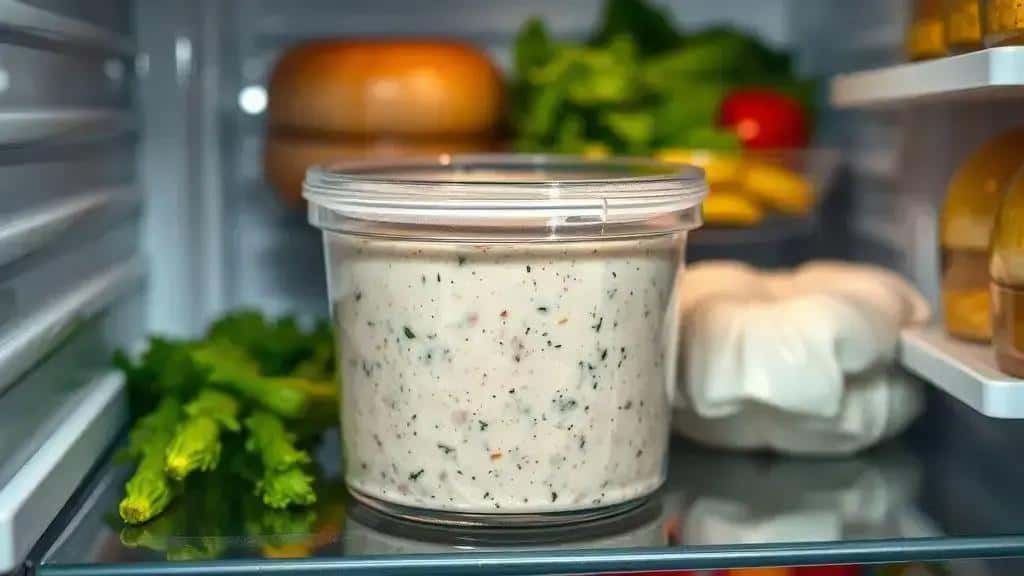
- Store the pâté in an airtight container. Use a tight-fitting lid to keep air out and prevent contamination.
- Keep the pâté refrigerated at all times, preferably on an inside shelf where the temperature is more stable.
- Avoid cross-contamination. Use clean utensils to serve the pâté and keep it from coming into direct contact with your hands or other foods.
- Eat within 3 days. Even when refrigerated, freshly made tuna pâté is at its best and safest within this period.
- You can freeze the pâté, but freezing is best avoided as the texture can be unpleasant once it thaws.
- Check the smell and appearance before eating. A change in colour, a strong smell or an unusual taste can all be signs of spoilage.
For extra freshness, cover the pâté with a thin layer of olive oil before sealing the container. This helps keep air away from the surface.
Facts about tuna and how it’s used in cooking
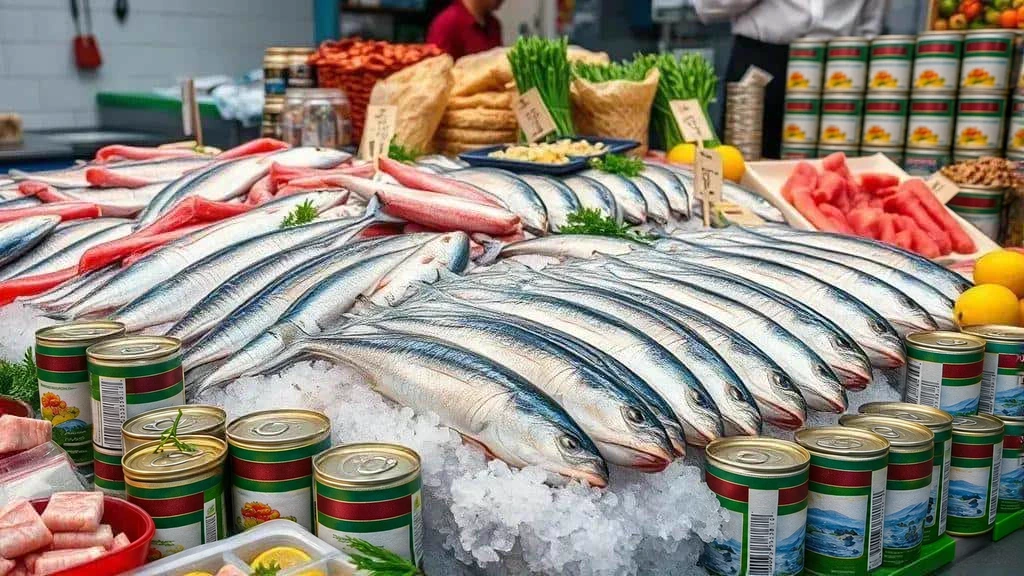
Cooks around the world prize tuna for its flavour and versatility. It’s an excellent source of protein and omega-3 fatty acids, nutrients with a range of health benefits.
Characteristics of tuna
- Common varieties include albacore, bluefin and skipjack. Each has its own flavour and texture.
- Tuna is usually sold fresh, frozen or tinned. Tinned tuna is especially popular for quick recipes like this pâté.
- Tuna is rich in lean protein, B vitamins and minerals such as selenium and magnesium, making it a nutritious choice for a balanced diet.
How tuna is used in cooking
- Tuna is often served raw in Japanese dishes such as sushi and sashimi, where freshness is essential.
- For cooked dishes, tuna can be grilled or roasted. It also brings a full flavour and firm texture to pâtés, salads and pasta dishes.
- Convenient and economical, tinned tuna is the basis of many quick, versatile recipes, including sandwiches, savoury pies and spreads.
To finish
Tuna pâté is a tasty, versatile choice when you want a quick, nutritious snack. With simple ingredients and a few easy techniques, you can make a version to suit just about any taste.
Put these tips to use and make a batch today!
Thanks for reading! Follow us on social media and visit the Mestre das Receitas blog for more delicious recipes and cooking tips.
Frequently asked questions about tuna pâté
What’s the best type of tuna for pâté?
Tinned tuna is ideal for pâté because it’s easy to use, and tuna in oil has a particularly good flavour. Tuna in water is a lighter alternative.
How can I keep tuna pâté fresh for longer?
Always keep it in an airtight container in the fridge, avoid cross-contamination and eat it within 3 days to keep it fresh and safe to eat.
Can I freeze tuna pâté?
You can, but freezing is best avoided as it can affect the flavour and texture of the pâté once it thaws.
How can I vary tuna pâté?
Try cream cheese, fresh herbs, chilli, grated vegetables, olives or cream crackers for different flavours and textures.
Is tuna pâté a healthy snack?
Yes. Tuna is rich in protein and omega-3 fatty acids, which are beneficial for health. It’s also a convenient, tasty choice for a snack.
What’s the best type of tuna for pâté?
Tinned tuna is ideal for pâté because it’s easy to use, and tuna in oil has a particularly good flavour. Tuna in water is a lighter alternative.