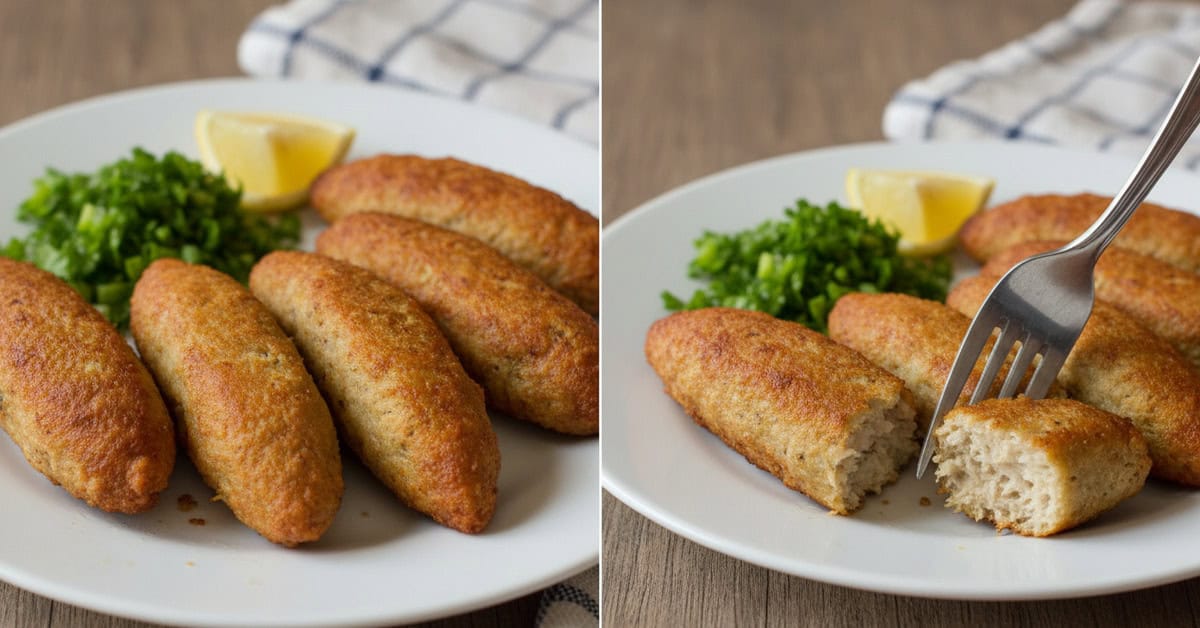

These delicious Brazilian kibbeh combine Arab culinary traditions with local ingredients. The recipe is simple, using bulgur wheat, minced meat and fresh seasonings. The kibbeh can be fried or baked and are ideal for parties and celebrations.
Piracuí kibbeh stands out in Brazilian cooking as an irresistible dish that brings together tradition and flavour. Made with simple, delicious ingredients, these kibbeh offer a taste of Brazil’s culinary roots. Here you’ll find the recipe, a step-by-step guide to making them and a few interesting facts about this speciality.
Ingredients for Piracuí kibbeh
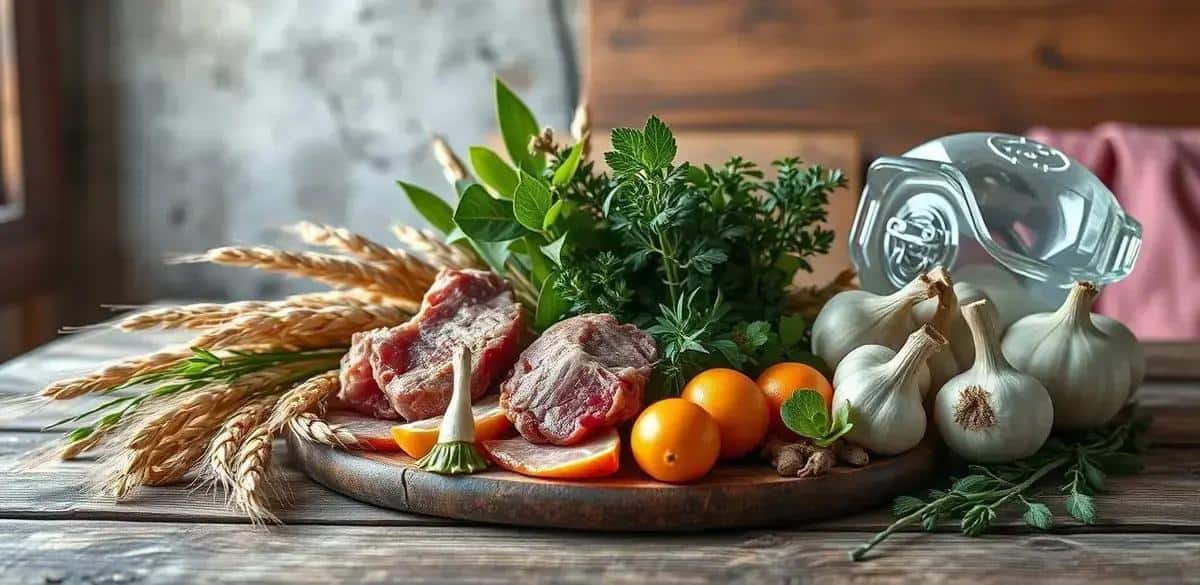
Choose fresh, good-quality ingredients for your Piracuí kibbeh. Here’s everything you’ll need.
- 1 cup fine bulgur wheat
- 500 g minced beef or lamb
- 1 medium onion, chopped
- 2 garlic cloves, chopped
- 1/2 cup chopped fresh mint
- 1 tablespoon salt
- 1 teaspoon black pepper
- 1 tablespoon olive oil
- 1/2 cup hot water
- Juice of 1 lime
These ingredients give Piracuí kibbeh its traditional flavour. Choose the best-quality mince you can find for a rich, authentic taste.
How to make the kibbeh

Piracuí kibbeh is straightforward to make. Take care at each step to get the flavour and texture just right.
- Put 1 cup of fine bulgur wheat in a bowl and pour over 1/2 cup of hot water. Leave to soak for about 30 minutes or until the bulgur has absorbed all the water.
- Meanwhile, heat 1 tablespoon of olive oil in a pan and gently fry the chopped onion and garlic until golden.
- Add the 500 g of minced beef or lamb. Cook, breaking up any lumps, until the meat reaches 71 °C in the centre. Season to taste with the salt and pepper from the ingredient list.
- Drain the soaked bulgur and squeeze out the excess water. Combine it with the cooked meat, using the same 500 g, the mint and the lemon juice. Mix and press firmly so the mixture holds together.
- Lightly oil your hands and shape portions of the mixture into small cylinders or balls.
- Heat a little olive oil in a frying pan and fry the Piracuí kibbeh until golden and crisp on the outside.
Your Piracuí kibbeh is ready to serve. Enjoy it with your favourite sauce!
How to season the meat for the kibbeh mixture
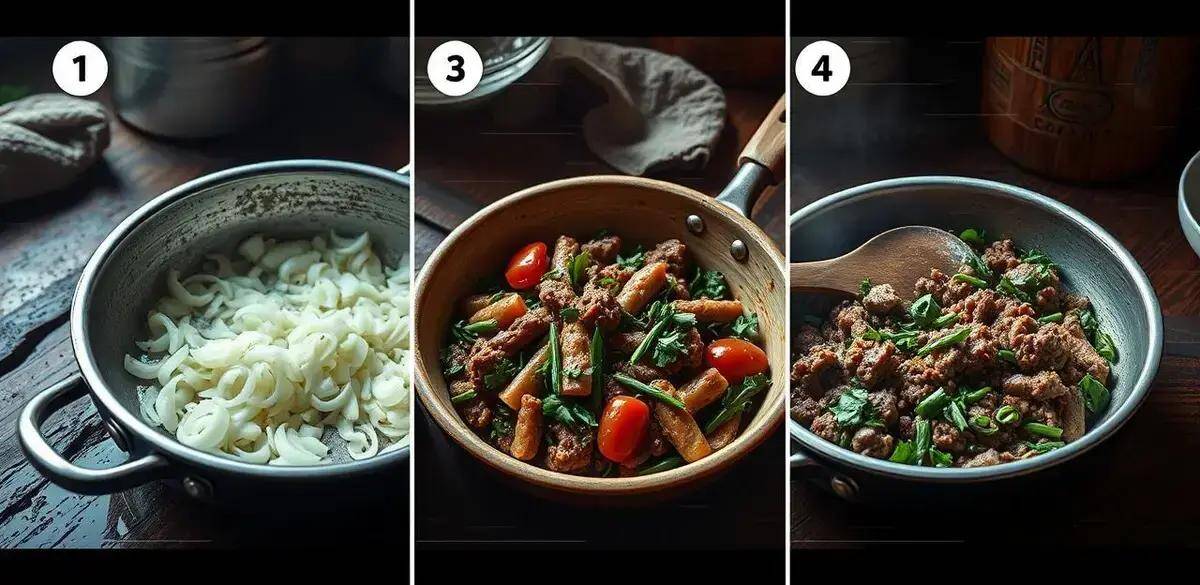
The following steps explain the sauté used in the main method. Use the same 500 g of meat and the seasonings already measured for the whole recipe.
- Heat 1 tablespoon of olive oil in a medium pan. Add 1 chopped medium onion and gently fry until translucent.
- Add 2 chopped garlic cloves and cook for a further 1–2 minutes, until fragrant.
- Add the same 500 g of minced beef or lamb. Cook over medium heat, breaking up the meat, until it reaches 71 °C in the centre.
- Season to taste using the tablespoon of salt and the teaspoon of black pepper from the ingredient list. Add 1 teaspoon of cumin if you like.
- Use the half cup of mint already measured. If you prefer to add it at this stage, cook for another 2–3 minutes, then take the pan off the heat.
Combine this meat mixture with the drained bulgur, add the lemon juice and shape the kibbeh as described in the main method. The meat and mint go in only once.
The history of Piracuí kibbeh

Piracuí kibbeh has a rich history steeped in tradition. It is a variation on kibbeh, a dish with roots in the Arab cuisine of the Levant, a region that includes Lebanon and Syria. Arab immigrants brought their recipes to Brazil in the early XXth century, and kibbeh has since become popular throughout the country.
In Brazil’s Piracuí region, kibbeh took on a character of its own. The local recipe draws on regional ingredients and reflects the blend of cultures that shapes Brazilian cooking. Piracuí kibbeh often contains minced lamb or beef, along with fresh seasonings and local herbs that give the dish its distinctive flavour.
Traditionally baked or fried, Piracuí kibbeh has become a symbol of celebration. It is often served at parties and family gatherings, where people of all ages enjoy it. Over the years, it has come to represent the cooking, history and culture of the people who live in the region.
Facts about Piracuí kibbeh
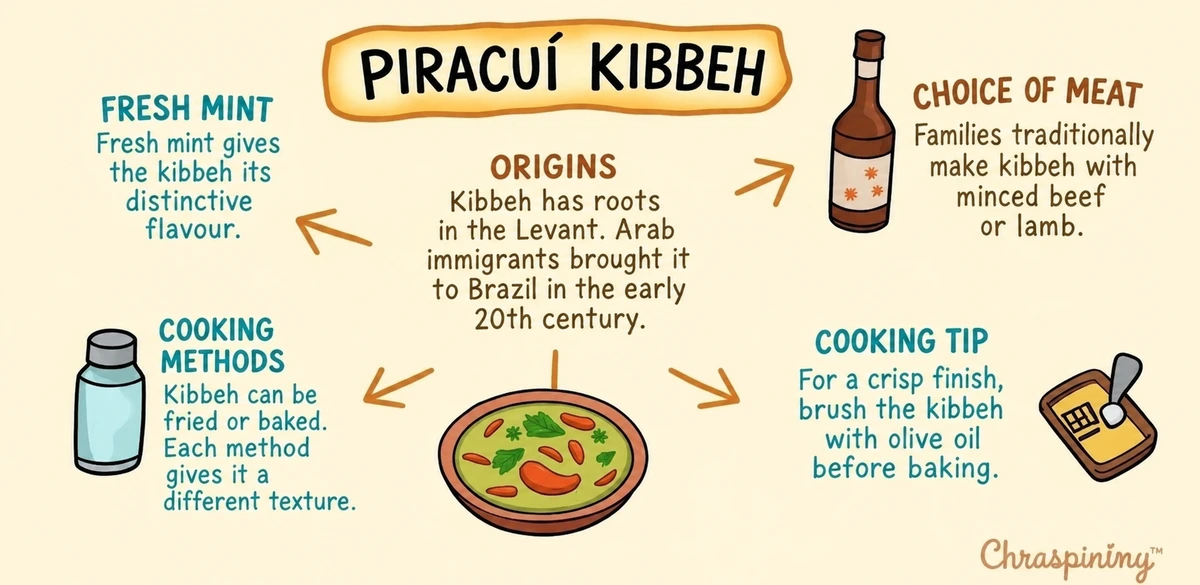
There’s more to Piracuí kibbeh than its flavour. Here are a few things you might like to know.
- For this recipe, cook the meat thoroughly before frying or baking the shaped kibbeh. Frying and baking give them different textures.
- A blend of seasonings and fresh herbs, such as mint, gives Piracuí kibbeh its distinctive flavour.
- Beef and lamb are the usual choices, depending on local preferences and family traditions.
- In Piracuí, kibbeh often features at festivals and community celebrations as a symbol of togetherness and good cheer.
- Kibbeh is so popular that versions of it can be found throughout Brazil, a sign of its versatility and the influence of Arab cooking on Brazilian cuisine.
As well as being a delicious dish, Piracuí kibbeh tells the story of a rich culinary tradition that spans generations.
Enjoy Piracuí kibbeh and more!
Now that you know the traditional recipe for Piracuí kibbeh and a few stories and facts about the dish, it’s time to roll up your sleeves and make it yourself!
Thank you for joining us on this culinary journey. We hope you feel inspired to get cooking. Don’t forget to follow us on social media and look out for more delicious recipes on our Mestre das Receitas blog! It means a lot to have you here, and we look forward to sharing more recipes with you. Until next time!
Frequently asked questions about Piracuí kibbeh
Where does Piracuí kibbeh come from?
Piracuí kibbeh has its roots in Arab cooking, which immigrants brought to Brazil in the early XXth century. In Brazil, the dish took on its own regional character.
Can I vary the filling ingredients?
Yes! You can use different meats or vegetables in the filling to suit your tastes or dietary requirements.
Which preparation methods are recommended?
Cook the minced beef or lamb thoroughly, to 71 °C in the centre, before mixing it with the bulgur. Then fry or bake the kibbeh until golden.
How do I get the kibbeh crisp?
For fried kibbeh, use hot oil and avoid crowding the pan. If you’re baking them, brush them with olive oil for a crisp finish.
What goes well with Piracuí kibbeh?
Kibbeh goes well with tahini or yoghurt sauces, as well as fresh salads that balance the flavours.
Is Piracuí kibbeh suitable for a gluten-free diet?
The original recipe contains wheat and therefore gluten. For a gluten-free version, choose a tested recipe that uses rice or chickpea flour, since the quantities and the amount of water needed may differ.